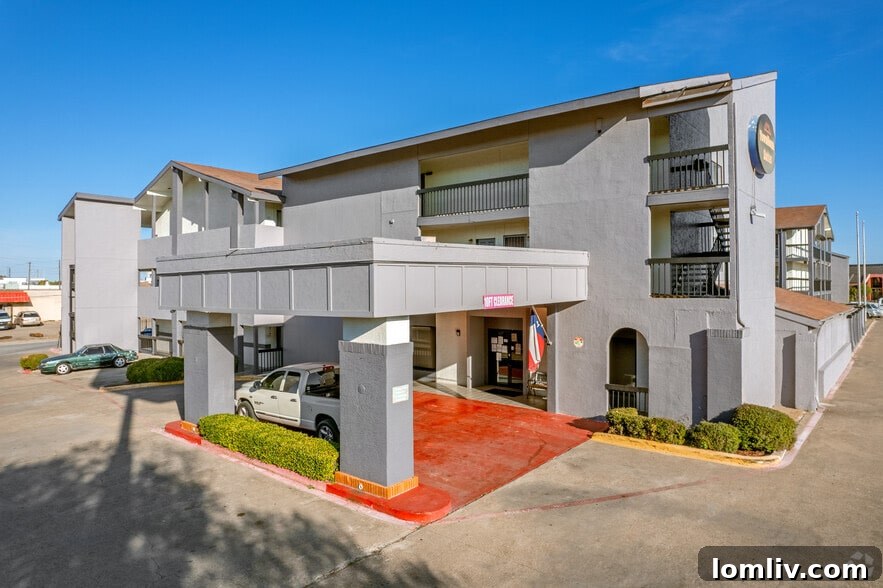
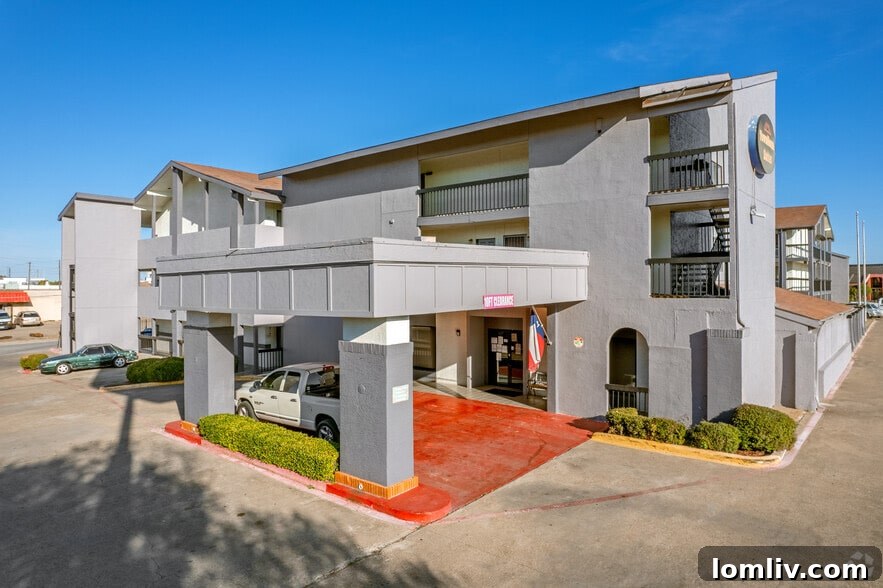
Dallas is taking significant strides to combat its persistent homelessness crisis, with the City of Dallas and Dallas County jointly investing substantial resources into expanding affordable housing options. A pivotal project currently underway involves the ambitious transformation of a former extended-stay hotel into much-needed housing units, marking a tangible commitment to supporting the city’s most vulnerable population.
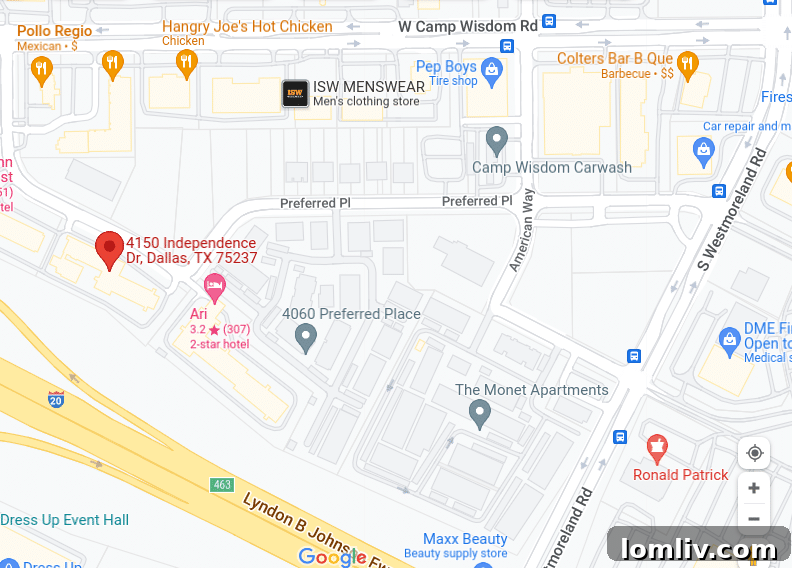
Officials have issued a comprehensive Request for Proposals (RFP) for the extensive remodel of the property located at 4150 Independence Drive. This strategic initiative, powered by a combination of city bond funds and federal allocations from the American Rescue Plan Act (ARPA), is designed to create both affordable housing and vital Permanent Supportive Housing (PSH) for individuals experiencing chronic homelessness in the Dallas metropolitan area. Situated within Dallas City Council District 8, the property enjoys excellent connectivity, bordering Interstate 20 near South Westmoreland, making it an accessible and promising location for community development.
This development represents a critical step in addressing the staggering increase in the number of unhoused individuals in Dallas, a figure that has regrettably doubled since 2020. Upon completion, the revitalized property will offer a total of 108 units. A significant 20 percent of these will be designated as affordable housing, ensuring accessibility for low-income residents, while the remaining units will serve as Permanent Supportive Housing. These PSH units are meticulously designed to provide not only stable shelter but also intensive care and comprehensive wraparound services, crucial for long-term stability and well-being.
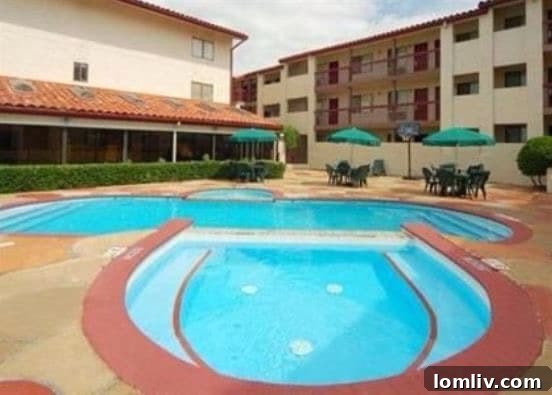
The city-owned property at 4150 Independence Drive previously operated as a TownHouse Suites extended-stay hotel, presenting an ideal foundation for conversion due to its existing residential infrastructure. This adaptive reuse approach often proves more efficient and cost-effective than new construction, accelerating the delivery of essential housing solutions.
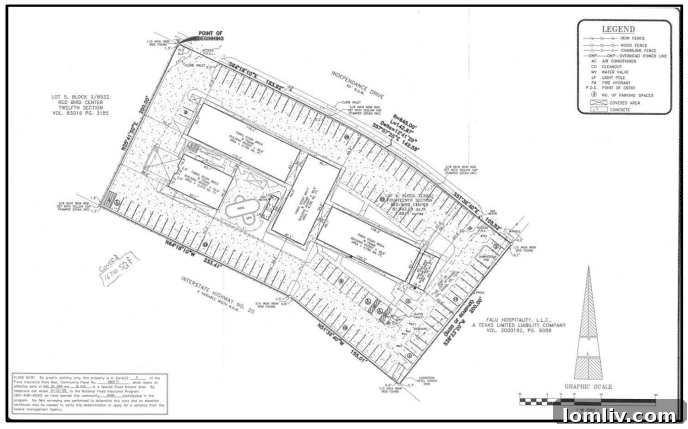
According to officials from the Office of Homeless Solutions, the expectation is to award a contract for this transformative project by April 2023. The City of Dallas will play a pivotal role in the project’s execution, overseeing procurement for design and construction, as well as administering all construction improvements. Dallas County is also a key partner, contributing a substantial $6.5 million from its American Rescue Plan Act funds and offering essential input on specifications for the administration of these critical construction enhancements. This collaborative effort underscores a unified approach to addressing the region’s housing challenges.
Why Permanent Supportive Housing is a Game Changer
The selection of Permanent Supportive Housing (PSH) for a significant portion of the Independence Drive project is no arbitrary decision. Christine Crossley, Director of the Office of Homeless Solutions, emphasized that PSH is an evidence-based model consistently proven to be the most successful intervention for individuals grappling with long-term health conditions, a demographic often overrepresented within the chronically homeless population. PSH goes beyond merely providing a roof; it integrates housing with vital support services designed to address the complex underlying issues contributing to homelessness.
“Extensive research has consistently demonstrated that 80 to 90 percent of tenants in PSH settings achieve and maintain stable housing over the long term,” Crossley explained to Daltxrealestate.com. “This remarkable success rate stems from the strategic combination of affordable housing with comprehensive wraparound supportive services.” These services can include mental health counseling, substance abuse treatment, case management, life skills training, and assistance with employment or education, all tailored to individual needs. The City of Dallas is actively partnering with the All Neighbors Coalition, the local Continuum of Care, to rapidly expand PSH initiatives. This collaboration ensures that all new units coming online within the next year are paired with essential rental assistance, guaranteeing affordability, and comprehensive healthcare, including the crucial wraparound supportive services that define the PSH model.
Beyond individual well-being, PSH yields broader societal benefits. Crossley highlighted that PSH significantly improves health outcomes for its residents while simultaneously reducing the utilization of costly emergency systems such as emergency healthcare services and the correctional system. By preventing hospitalizations and incarcerations, PSH not only offers humanitarian benefits but also presents a fiscally responsible solution for the city.
While efforts were made to gather insights from District 8 Dallas City Councilman Tennell Atkins regarding this impactful project, a response was not received by the deadline for this publication. Nevertheless, the project moves forward as a testament to the city’s commitment to its residents.
Addressing Dallas’ Critical Housing Shortage and Affordability Crisis
The housing landscape in Dallas unmistakably reveals a critical shortage of available units and, more acutely, a pressing need for housing affordability. This dual crisis affects residents across all income brackets but disproportionately impacts those on the lower end of the economic spectrum, fueling the rise in homelessness.
The urgency of the situation was powerfully articulated by Dallas resident Leon Holman, who addressed the city council recently, advocating for immediate action on housing. “Dallas is currently facing a housing deficit of approximately 20,000 units,” Holman stated, underscoring the sheer scale of the problem. He voiced concerns regarding the perceived lack of legislative initiatives to create the desperately needed housing since the inception of the Comprehensive Housing Policy in 2018. Holman drew a stark contrast, noting that while the city has proposed a significant $1.5 billion bond referendum for the renovation of the Kay Bailey Hutchison Convention Center and Fair Park—projects he acknowledged as vital—the critical need for housing must not be overshadowed.
It’s important to note that the upgrades at Fair Park and the convention center are slated to be funded through an increase in hotel occupancy taxes, a specific revenue stream legally earmarked for such tourism and infrastructure-related uses. While these projects enhance Dallas’s profile and economy, they operate on a different funding mechanism than direct housing initiatives.
Dallas has, however, demonstrated a commitment to housing through other channels. Since 2017, the city has allocated $17.5 million in bond funds for various projects, including the significant Independence Drive redevelopment. This $20 million bond allocation also directs funds towards other crucial homeless assistance facilities situated on Hampton Road, Fort Worth Avenue, and the St. Jude Center-Park Central Project, highlighting a multifaceted approach to community support.
Holman’s advocacy is rooted in personal experience. “I initially came to Dallas in 2006 because I was homeless,” he shared, a poignant reminder of the transformative power of housing. “I was fortunate enough to secure housing, and today, I am a Ph.D. candidate. Housing is undeniably essential; it empowers individuals striving to become productive and contributing members of society.” His testimony underscores the profound impact that stable housing has on individual lives and the broader community.
In addition to addressing the city-wide shortage, Holman also passionately advocated for increased housing development south of Interstate 30, a topic that has generated considerable discussion among Dallas City Council members in recent months. “In all my years residing here, I have not witnessed a development of any substantial magnitude in that particular sector,” Holman observed. “Housing is desperately needed in that area. I would deeply appreciate it if the council would give serious consideration to this matter and enact policies that facilitate progress with both equity and equality. Let’s commit to doing the right thing for all our citizens.” This plea highlights ongoing concerns about equitable development and resource allocation across different parts of the city.
Innovative Solutions: Repurposing Existing Rental Stock for Homelessness
While Permanent Supportive Housing (PSH) is widely recognized as a leading and highly effective intervention method for homelessness, city officials concede that the growth in PSH inventory has unfortunately not kept pace with the burgeoning local demand. This disparity underscores the need for creative and accelerated strategies to bridge the gap.
“Consequently, the City of Dallas, actively participating as a key member of the Homeless Collaborative of Dallas and Collin Counties, is deeply engaged in a concerted effort to rapidly expand its PSH inventory,” as explicitly stated within the RFP documents. This collaborative strategy is designed to leverage existing resources and accelerate the delivery of housing solutions.
The ambitious goal of the Homeless Collaborative is to bring approximately 2,000 PSH units online over a five-year period. This will be achieved through a multi-pronged approach encompassing the acquisition, strategic development, rehabilitation, and conversion of existing market rental units. This method is particularly effective because it capitalizes on available infrastructure, often allowing for quicker deployment of housing compared to ground-up construction.
The detailed 23-page RFP meticulously outlines the stringent requirements for developers interested in participating in this critical project. These requirements include rigorous compliance with established housing quality standards and adherence to specific PSH design standards. These standards ensure that the housing provided is not only safe and functional but also designed to promote dignity, well-being, and therapeutic environments for residents requiring supportive services.
All interested general contractors and developers are strongly encouraged to review the full RFP, which is conveniently posted online. To facilitate understanding and address questions, an informative in-person and virtual meeting was set for 2 to 4 p.m. on Thursday, December 15, at the Council District 8 Community Office Auditorium, located at 3624 Simpson Stuart Road. This session provided a crucial opportunity for potential bidders to gain clarity and engage directly with city officials. The deadline for proposal submissions was Wednesday, December 28, underscoring the expeditious timeline for this vital urban development project.