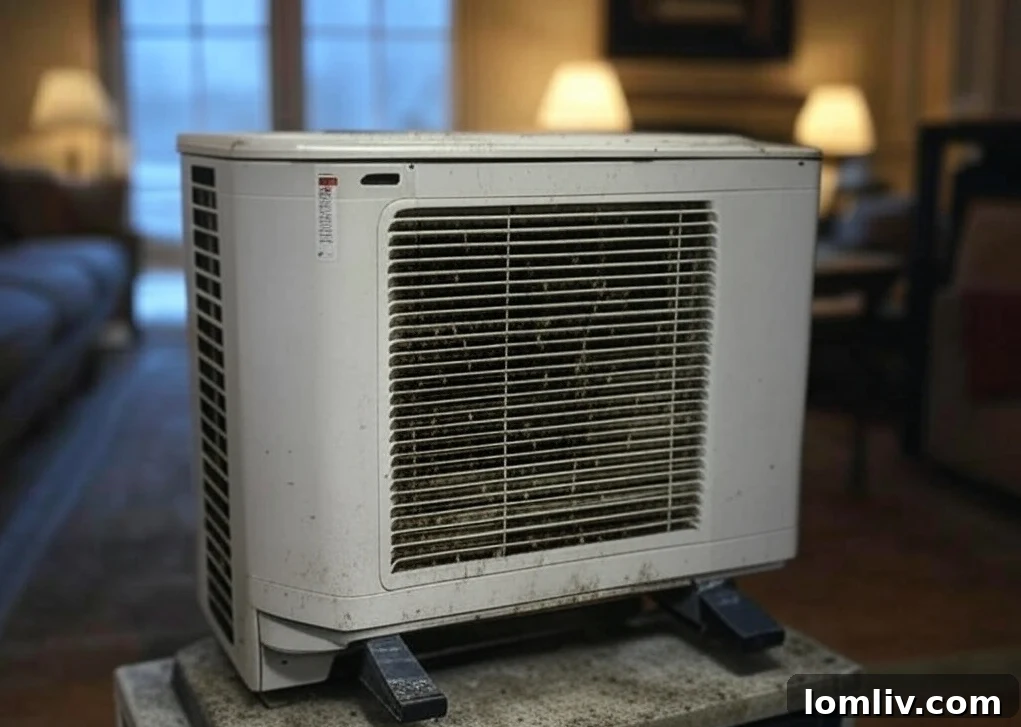
In the modern home or commercial space, the HVAC (Heating, Ventilation, and Air Conditioning) system is the silent guardian of comfort. It meticulously regulates indoor temperature, controls humidity levels, and circulates purified air, creating an optimal living and working environment. Despite its critical role, many property owners, both residential and commercial, frequently overlook the importance of regular HVAC maintenance. This neglect often persists until a noticeable problem arises or a complete system breakdown forces immediate attention.
Initially, skipping routine HVAC upkeep might seem like a minor oversight or a way to save on immediate costs. However, over time, this seemingly innocuous decision can escalate into a cascade of detrimental outcomes. These include escalating energy costs, a significant decline in indoor air quality, inconvenient and often expensive system failures, and even serious health risks for occupants. Understanding the profound reasons why consistent HVAC maintenance is indispensable, and the severe consequences of neglecting it, is crucial for every property owner.
Skyrocketing Energy Bills & System Overload
One of the most immediate and tangible consequences of a neglected HVAC system is a noticeable surge in your monthly utility bills. An HVAC unit that isn’t regularly maintained is forced to work significantly harder and consume more energy to achieve and sustain the desired indoor temperature. This increased strain stems from several common culprits that impede the system’s efficiency:
- Clogged Air Filters: These are arguably the most common and easily preventable issue. A dirty air filter restricts the vital airflow, forcing the system’s fan motor to exert more effort and run longer to circulate air. This constant struggle translates directly into higher electricity consumption.
- Dirty Evaporator and Condenser Coils: Over time, dust, grime, and debris accumulate on these critical coils. This buildup acts as an insulating layer, severely reducing the system’s ability to efficiently exchange heat. When coils cannot transfer heat effectively, the unit must operate for extended periods, driving up energy usage.
- Blocked Vents or Ducts: Any obstructions within your home’s ventilation system, whether from furniture, debris, or leaks, disrupt the proper distribution of conditioned air. This forces the HVAC system to compensate by increasing output, leading to wasted energy and uneven cooling or heating.
The U.S. Department of Energy consistently emphasizes the importance of routine maintenance, highlighting that simply replacing a dirty, clogged air filter can reduce an HVAC system’s energy consumption by up to 15%. This seemingly small task offers substantial savings over time. The cumulative impact of these inefficiencies is not just financial; the constant, unnecessary strain on the system’s components significantly shortens its operational lifespan, paving the way for costly repairs or an untimely, expensive replacement.
Compromised Indoor Air Quality & Serious Health Concerns
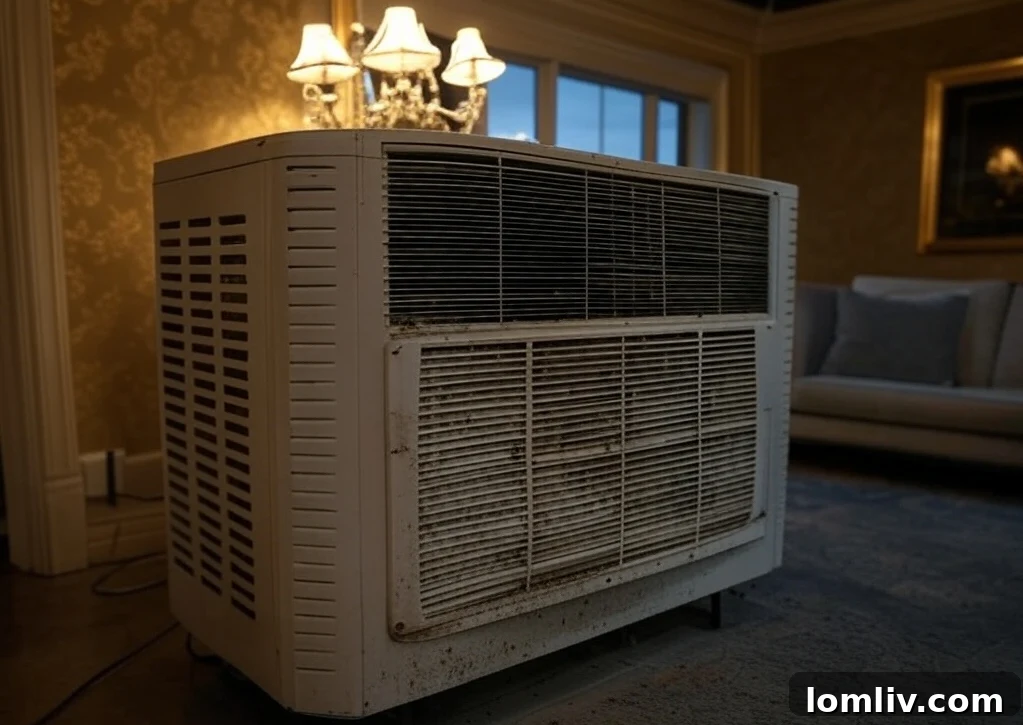
Your HVAC system acts as the lungs of your home or building, constantly circulating air throughout every room. This means that any contaminants accumulating within the system itself can be easily dispersed into your living or working spaces. When HVAC maintenance is neglected, the system becomes a breeding ground for various indoor air pollutants:
- Accumulated Dust, Pet Dander, and Allergens: Without regular filter changes and duct cleaning, these particles build up within the ducts, coils, and vents, eventually being blown directly into your environment. This can significantly aggravate allergies, asthma, and other respiratory problems for occupants.
- Mold and Mildew Growth: The interior of an HVAC system, particularly the evaporator coils and condensate drain pan, can become damp and dark—an ideal environment for mold and mildew to thrive. These fungi release spores into the air, leading to musty odors and potentially serious health issues, including respiratory infections, skin irritation, and allergic reactions.
- Bacterial Contamination: Stagnant water in condensate drain pans can harbor bacteria, which can then be aerosolized and circulated throughout the building, posing a risk of respiratory illnesses.
- Increased Indoor Air Pollution: Beyond biological contaminants, a neglected system can circulate volatile organic compounds (VOCs) and other irritants present in the home. Have you ever noticed a stale, musty, or unpleasant smell when your air conditioner kicks on? This is a common indicator of mold growth in your air ducts or within the unit itself.
- Sewer Gas Smell: In some concerning cases, a persistent sewer gas smell in the bathroom or other areas can be linked to poor HVAC ventilation, clogged condensate drains, or dry P-traps that allow sewer gases to be drawn into the system. This indicates a severe issue that requires immediate attention, as sewer gas contains harmful components.
The solution to these significant indoor air quality and health challenges lies in proactive and regular HVAC maintenance. This comprehensive service typically includes cleaning air ducts, replacing or thoroughly cleaning air filters, inspecting and cleaning coils, and ensuring proper humidity control and drainage to effectively prevent the buildup of mold, dust, bacteria, and other harmful pollutants.
Elevated Risk of Sudden Breakdowns & Costly Repairs
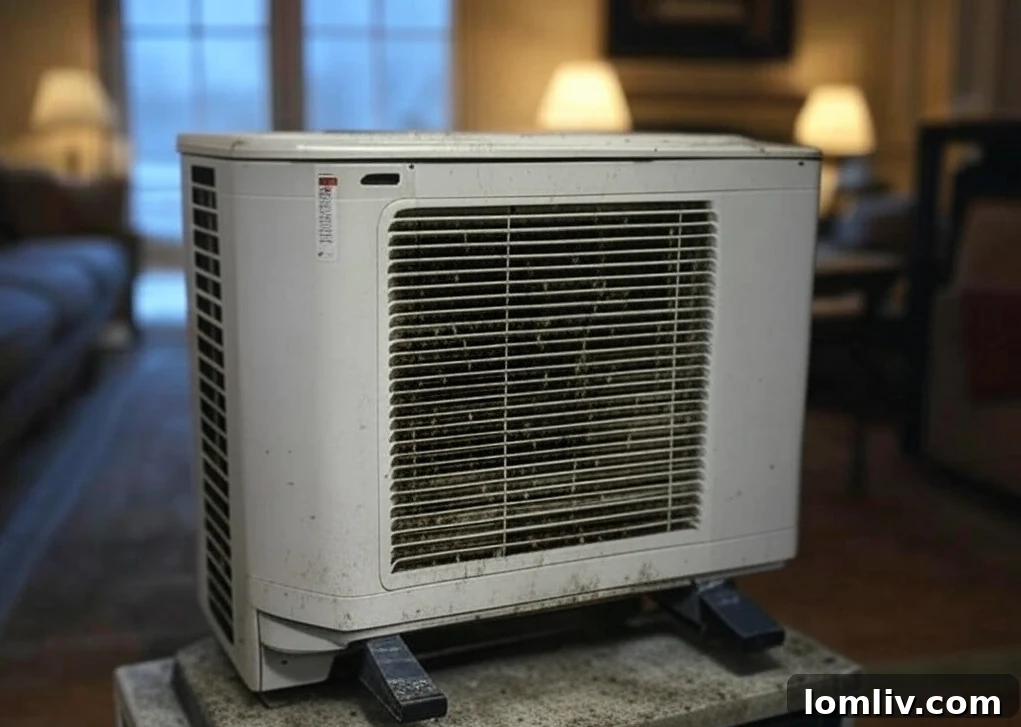
Many significant HVAC failures don’t happen out of the blue; they often originate as minor, easily fixable issues that are allowed to worsen over time due to neglect. A loose wire, a slightly dirty filter, or a minor refrigerant leak can snowball into a catastrophic system failure if left unaddressed. These common problems are largely preventable with routine maintenance:
- Refrigerant Leaks: Low refrigerant levels force the compressor to work harder, leading to overheating and eventual failure. A compressor replacement can easily cost upwards of $1,500, a repair often avoidable with early leak detection and sealing during a routine check-up.
- Worn-out Components: Parts like fan belts, motor bearings, or electrical capacitors wear down over time. Without lubrication or replacement, these components can cause increased friction, overheating, and sudden shutdowns, potentially damaging other parts of the system.
- Frozen Evaporator Coils: This issue commonly arises from restricted airflow (due to dirty filters or blocked vents) or low refrigerant levels. A frozen coil cannot absorb heat effectively, rendering the system inefficient and potentially leading to liquid refrigerant returning to the compressor, causing severe damage.
The impact of neglecting these issues is profound. An HVAC system designed to last 15 to 20 years with proper care might prematurely fail within 10 years or even less. The inconvenience of a sudden breakdown, especially during extreme weather, coupled with the unexpected financial burden of emergency repairs, can be incredibly stressful. Routine inspections, a core component of preventative maintenance, are designed to catch these small issues early, allowing for timely and less expensive fixes that can potentially save homeowners and businesses thousands of dollars in major repair or replacement costs.
Significant Fire Hazards & Electrical Risks
Beyond comfort and efficiency, an HVAC system, being an electrical appliance with numerous moving parts, can pose serious safety risks if not properly maintained. The system relies on a complex network of electrical components, including motors, capacitors, relays, and intricate wiring, all of which can become fire hazards over time. Common risks include:
- Overheating Motors: Motors (for the blower fan or compressor) can accumulate dust and debris, leading to increased friction and overheating. This heat can ignite surrounding dust, insulation, or other flammable materials.
- Faulty Wiring: Loose connections, frayed wires, or insulation damage, often caused by vibrations or age, can lead to electrical shorts. These shorts can generate intense heat, sparking fires within the unit or spreading to adjacent building materials.
- Blocked HVAC Vents and Ducts: A severely restricted airflow, perhaps from dirty filters or completely blocked vents, forces the system to run constantly and inefficiently. This continuous operation can cause components to overheat, increasing the risk of electrical faults and potential fires.
The statistics underscore the severity of this risk. According to the National Fire Protection Association (NFPA), HVAC-related issues are responsible for thousands of home fires each year, many of which could be entirely prevented through diligent and regular inspections. Professional maintenance includes thorough checks of all electrical connections, motor components, and safety controls, ensuring that the system operates safely and effectively, thus mitigating these critical fire risks. Ensuring clear and unobstructed vents and ducts is a simple yet vital step in maintaining proper airflow and reducing overheating potential.
Carbon Monoxide Leaks – A Silent and Deadly Threat
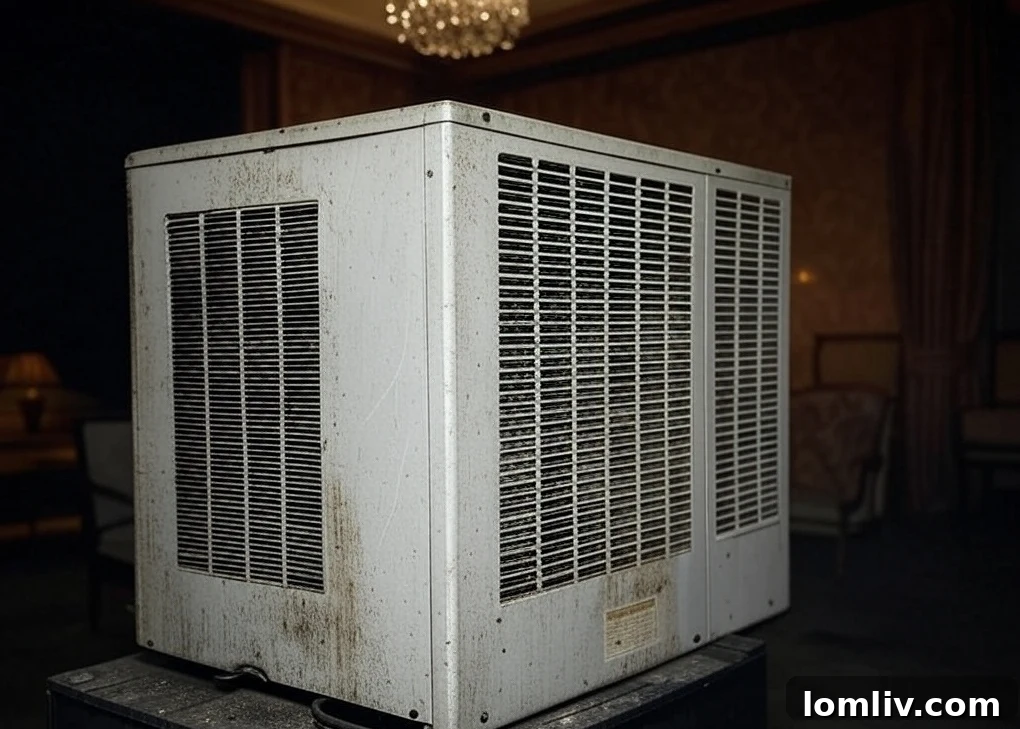
For homes and businesses utilizing gas-powered furnaces or dual-fuel HVAC systems, perhaps the most insidious and life-threatening danger of neglected maintenance is the risk of carbon monoxide (CO) leaks. Carbon monoxide is often dubbed the “silent killer” because it is an odorless, colorless, and tasteless gas, making it virtually impossible to detect without specialized equipment like a CO detector. It is highly toxic, and exposure can lead to severe health consequences, ranging from dizziness, headaches, nausea, and confusion to unconsciousness, permanent brain damage, and even death.
The primary culprits for CO leaks from an HVAC system include:
- Cracked Heat Exchanger: This critical component separates the combustion gases from the breathable air. If it cracks due to age, stress, or corrosion, carbon monoxide can escape into the airflow and be distributed throughout the building.
- Blocked Flue or Vent Pipe: The flue pipe vents combustion byproducts, including CO, safely outside. If this pipe becomes blocked by debris, bird nests, or even snow, these toxic gases can back up into the indoor environment.
The danger is particularly heightened during colder months when homes and buildings are sealed tightly, preventing natural ventilation and trapping CO indoors. To safeguard against this deadly threat, it is absolutely essential to install certified carbon monoxide detectors near all bedrooms and in proximity to your furnace or HVAC unit. Furthermore, scheduling yearly professional inspections for your heating system is non-negotiable. These inspections include vital checks for cracks in the heat exchanger, blockages in the flue, and any other potential sources of CO leaks, ensuring the safety of all occupants.
Shortened System Lifespan & Exorbitant Replacement Costs
An HVAC system represents one of the most significant investments a property owner makes, playing a central role in long-term property value and functionality. The lifespan of this crucial equipment is directly correlated with the level of care it receives. While a well-maintained system can provide reliable service for many years, neglect can drastically cut short its operational life.
Consider the stark contrast:
- A Neglected System: Without consistent care, components are under constant strain, leading to premature wear and tear. Such a system might fail prematurely, often within 8 to 10 years, requiring a full replacement much sooner than anticipated.
- A Well-Maintained System: With regular annual tune-ups and preventative care, an HVAC system can easily last 15 to 20 years, or even longer, performing efficiently throughout its extended lifespan.
The financial implications of an early replacement are substantial. The cost of replacing an HVAC unit can range anywhere from $5,000 to $12,000 or more, depending on the system type, size, brand, and installation complexity. This significant outlay is largely avoidable with a consistent investment in annual tune-ups, which cost a fraction of a full system replacement. These proactive measures prevent premature wear and tear on critical components, extending your system’s operational life and saving you a considerable amount of money over the long run. Furthermore, exploring upgrades to high-quality HVAC pump systems and other high-efficiency components during its lifespan can further enhance system efficiency, reduce operational strain, and contribute to an even longer, more cost-effective service life.
The Simple Solution: Embracing Regular HVAC Maintenance
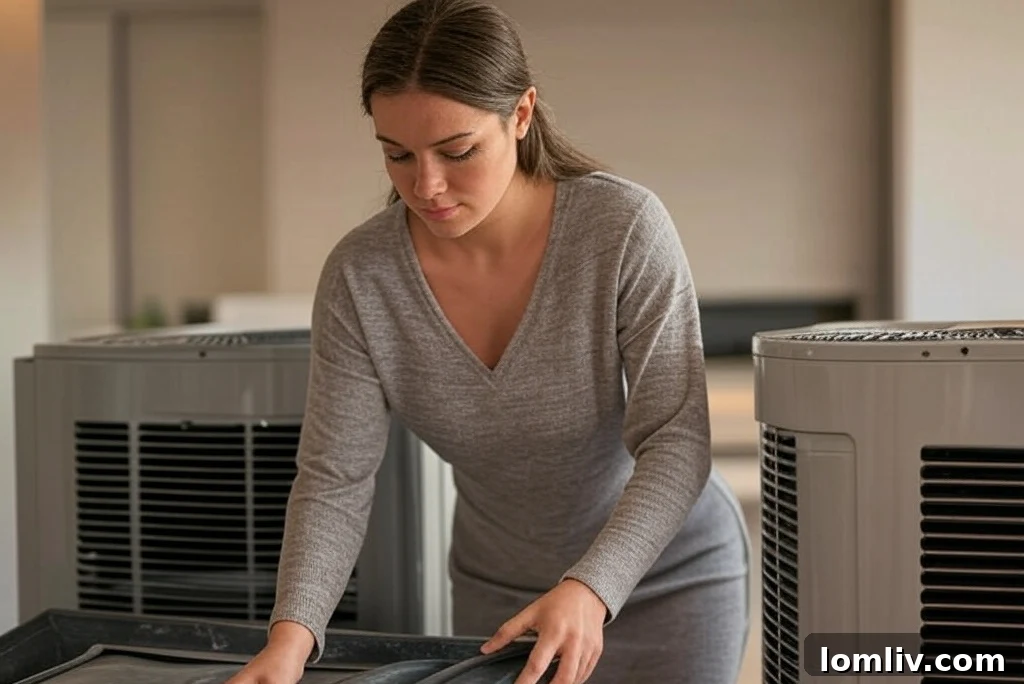
The most effective and straightforward strategy to mitigate all the aforementioned risks and ensure optimal performance from your HVAC system is to adhere to a schedule of routine, professional maintenance. Industry experts universally recommend servicing your HVAC system at least once or twice a year – typically in the spring for your cooling system and in the fall for your heating system – to prepare it for seasonal demands.
Comprehensive HVAC maintenance usually includes several key tasks:
- Filter Replacement/Cleaning: Disposable air filters should be replaced, or reusable ones thoroughly cleaned, every 1 to 3 months, depending on usage, presence of pets, and allergy concerns. This ensures optimal airflow and air quality.
- Duct Cleaning: Periodic cleaning of air ducts helps remove accumulated dust, debris, allergens, and mold spores that can recirculate throughout your property.
- Refrigerant Level Check: Technicians inspect refrigerant levels and meticulously check for any leaks, ensuring the system operates efficiently and preventing costly compressor damage.
- Thermostat Calibration: Testing and calibrating the thermostat ensures accurate temperature readings and proper system cycling, preventing energy waste and discomfort.
- Electrical System Inspection: All wiring, connections, capacitors, and safety controls are inspected for wear, corrosion, or looseness to prevent electrical hazards and ensure safe operation.
- Coil Cleaning: Evaporator and condenser coils are cleaned to remove dirt and debris, restoring their heat exchange efficiency.
- Drain Line Clearance: The condensate drain line and pan are checked and cleared of blockages to prevent water overflow, mold growth, and potential water damage. This also prevents issues that can lead to foul odors.
- Moving Parts Lubrication: Motors and bearings are lubricated to reduce friction and wear, extending their lifespan and ensuring quiet operation.
- System Performance Testing: The technician will run the system through its paces to ensure all components are functioning optimally, identifying any potential issues before they escalate.
Don’t Wait Until Your HVAC Fails! Act Proactively.
Neglecting essential HVAC maintenance might seem like a harmless decision in the short term, but it’s a gamble with severe consequences. You could find yourself contending with an unexpectedly skyrocketing energy bill, enduring the discomfort and expense of a sudden, critical breakdown during extreme weather, or even facing serious health risks from compromised indoor air quality or a silent carbon monoxide leak. A modest, proactive investment in routine maintenance now can genuinely save you thousands of dollars, significant inconvenience, and potential danger later on. By prioritizing your HVAC system’s health, you actively contribute to cleaner indoor air, substantially lower utility bills, a safer home environment, and consistent, reliable comfort for years to come. Don’t defer this critical responsibility; take action today. Schedule a professional HVAC check-up and embrace the peace of mind that comes with a well-maintained system!