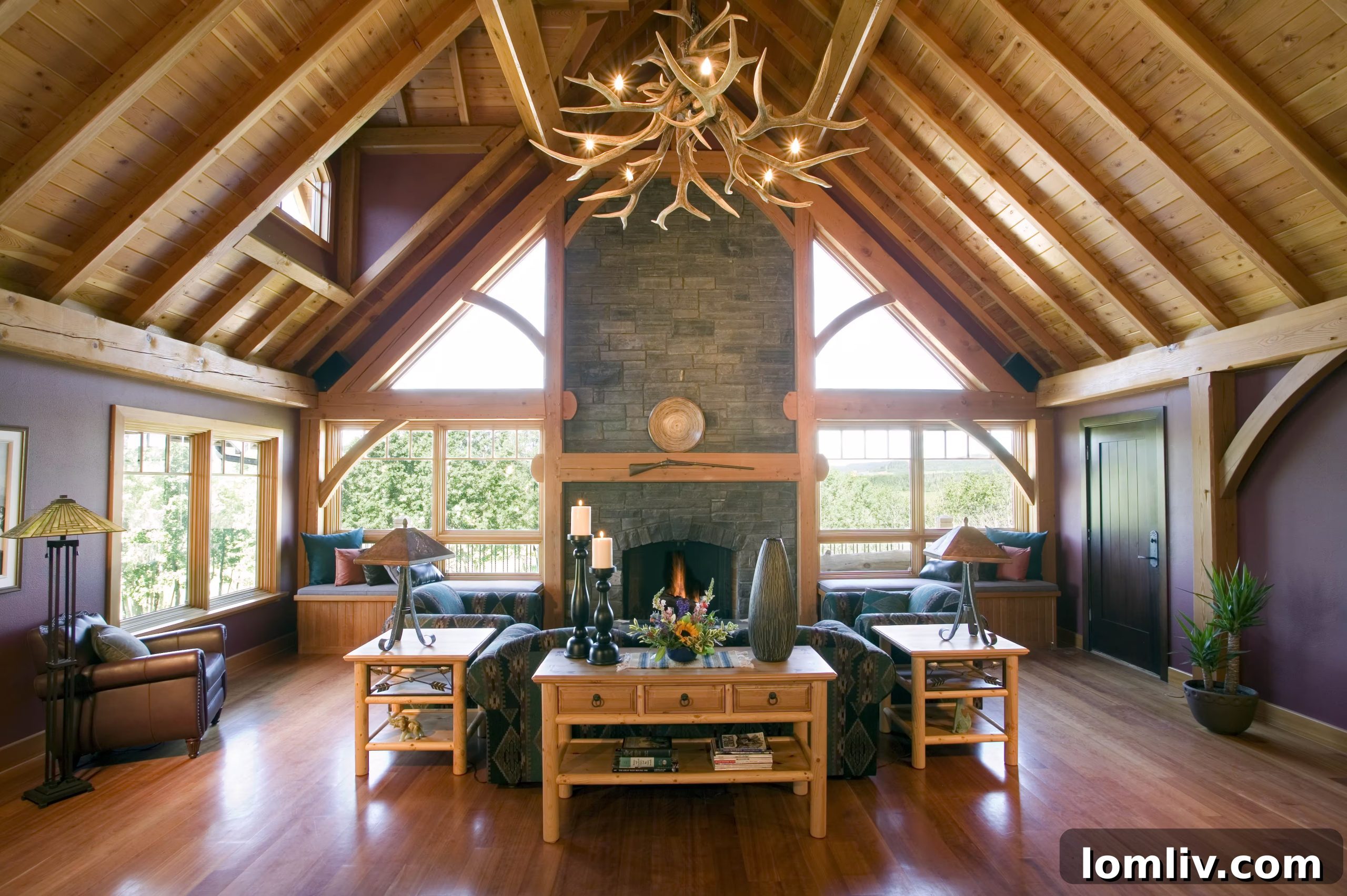
Embarking on the journey to build your own timber frame cabin is an exciting and ambitious undertaking. It’s a venture that seamlessly marries the enduring charm of traditional craftsmanship with the sophisticated comforts of modern living. More than just a dwelling, a timber frame cabin represents a commitment to a lifestyle rooted in nature, sustainability, and architectural beauty.
These magnificent structures are celebrated not only for their inherent aesthetic appeal but also for their remarkable environmental friendliness and exceptional durability. The very essence of timber framing—with its robust, exposed wooden skeleton—creates homes that are both visually stunning and engineered to stand the test of time, often for centuries.
As you envision your dream timber frame cabin, careful consideration of its design features is paramount. These elements define the character, functionality, and overall experience of your home. Below, we explore some of the most sought-after and impactful design features to guide your planning process.
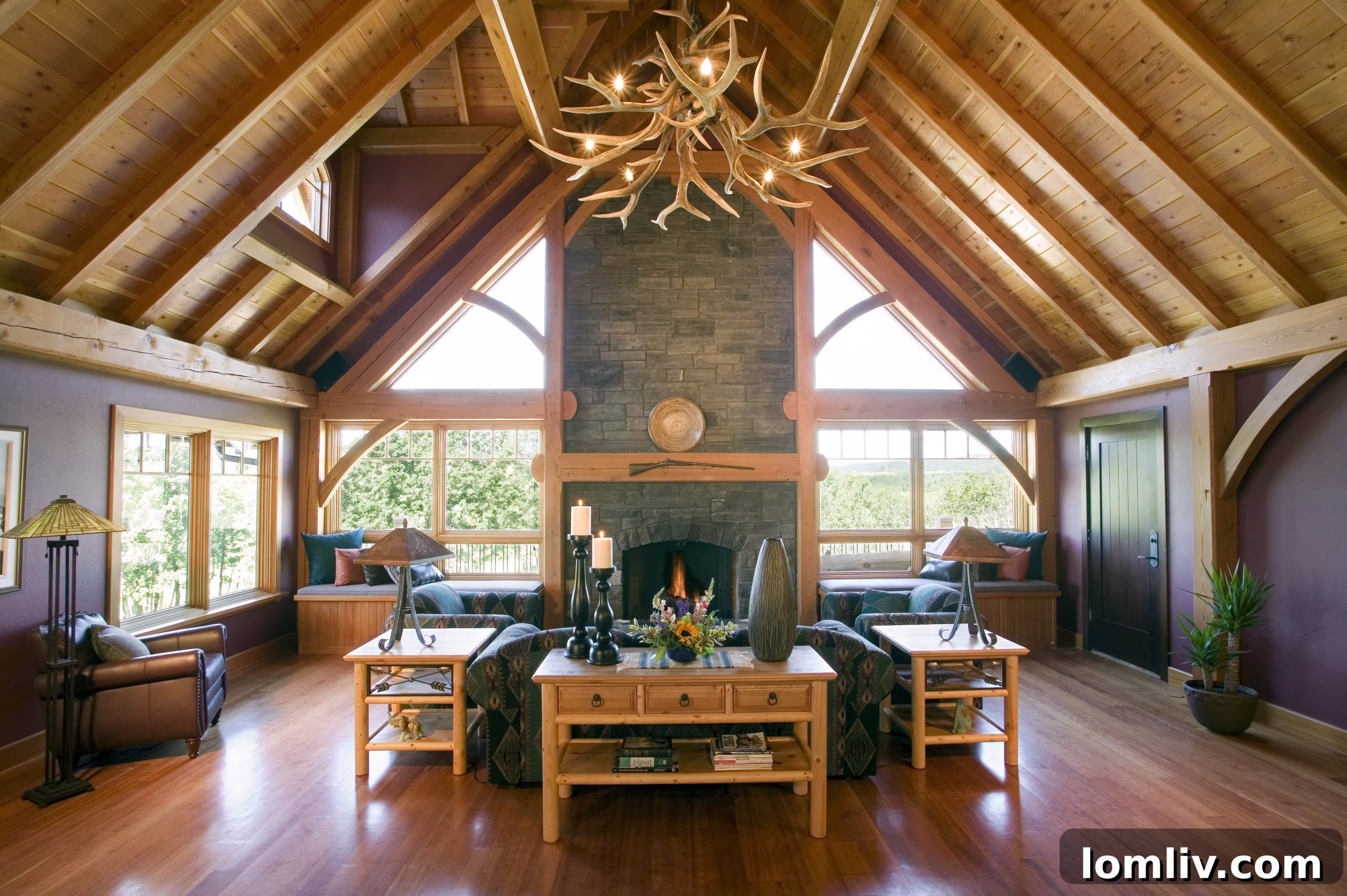
Exposed Timber Beams: The Architectural Soul
Perhaps the most iconic and visually striking feature of timber frame cabins is their magnificent exposed timber beams. These substantial wooden elements are far more than mere structural components; they are the architectural soul of the home, offering a strong, sturdy framework that is as functional as it is beautiful in appearance. The sight of these hand-crafted timbers, often joined with traditional mortise and tenon connections, evokes a sense of timeless strength and artisan quality.
The natural wood grain, alongside the rich texture of the timbers, instantly injects a rustic charm and inherent warmth that defines the cabin’s aesthetic. Each beam tells a story, revealing the unique characteristics of the wood itself. For those seeking a truly raw and authentic look, leaving these beams unfinished can amplify their natural beauty and rugged appeal. This approach allows the wood to age gracefully, developing a rich patina over time. Even the interior support columns in your timber frame home can be treated in this manner, contributing to a cohesive, natural design.
Conversely, for a more refined and polished ambiance, you have the option to treat the beams with a stain, varnish, or even a subtle whitewash. Stains can deepen the wood’s color, highlight its grain, and protect it from daily wear, while varnishes offer a sleek, durable finish. The choice of finish allows you to tailor the visual impact of your exposed timbers to perfectly match your desired interior style, whether it leans towards a rugged lodge feel or a more contemporary rustic elegance. Regardless of the finish, these majestic beams create dramatic lines and a sense of grandeur, especially when integrated into vaulted or cathedral ceilings.
Open Floor Plans: Spaciousness and Seamless Flow
One of the most compelling advantages of timber frame construction is its inherent ability to facilitate expansive, open floor plans that are perfectly suited for modern living. Unlike conventional stick-built homes that often rely on numerous load-bearing interior walls, timber framing utilizes a robust post-and-beam structure. This allows for vast, uninterrupted living spaces, offering unparalleled design freedom.
According to experts like Hamill Creek Timber Homes, these timber structure walls enable spaces to flow seamlessly from one area to another. This design philosophy maximizes the infiltration of natural light, making the entire cabin feel bright, airy, and more connected to its surroundings. An open floor plan transforms your timber frame home into a grand, cohesive environment where the kitchen, dining, and living areas blend effortlessly, fostering a powerful sense of community and togetherness.
Such spacious layouts are ideal for lively family gatherings, entertaining guests, and creating an inviting atmosphere where conversations can flow freely. This design encourages interaction and connectivity, making your cabin a true hub for social activity. Incorporating large windows and skylights into your timber frame house can further enhance this sense of space and strengthen the visual and experiential connection to the natural beauty just outside your walls. The absence of restrictive walls not only offers flexibility in furniture arrangement but also ensures that the stunning timber framework remains a focal point from virtually every vantage point within the home.
Versatile Loft Spaces: Elevated Living
Loft spaces are a highly sought-after and practical feature in many timber frame cabins, adding an element of coziness, versatility, and unique architectural interest. These elevated areas skillfully utilize vertical space, transforming what might otherwise be unused volume into highly functional and charming extensions of your living environment.
A loft in your timber home can serve a multitude of purposes, making it an incredibly adaptable feature. For starters, it’s an excellent option for an additional bedroom, providing a private, often secluded sleeping area. Alternatively, you might consider transforming it into a serene reading room, a quiet study, or a creative studio space. With the rise of remote working, many homeowners are also finding lofts to be ideal for creating a dedicated and inspiring home office, set apart from the main living buzz.
Beyond their practical utility, the elevated position of a loft space provides a unique vantage point. From this higher perspective, you can enjoy sweeping views of the landscape surrounding your timber home, offering a tranquil retreat to observe nature or simply appreciate the grandeur of your cabin’s interior architecture. When designing a loft, consider incorporating sturdy railings that complement the timber aesthetic, and ensure ample natural light, perhaps through dormer windows or strategically placed skylights, to make the space feel even more open and inviting.
Panoramic Windows: Embracing the Outdoors
Strategic placement and generous sizing of windows are paramount when designing a timber frame cabin, as they play a critical role in defining the home’s character and connection to its environment. Large windows are essential; they invite an abundance of natural light into your home, reducing the need for artificial lighting during daylight hours and creating a vibrant, uplifting atmosphere. More significantly, they frame uninterrupted, breathtaking views of the surrounding landscape, turning every season into a living work of art.
When strategically positioned, floor-to-ceiling windows, or expansive picture windows, can elevate your cabin into a tranquil sanctuary, blurring the lines between indoor comfort and outdoor majesty. This seamless integration with nature not only enhances your daily living experience but also contributes to a sense of peace and well-being. Furthermore, modern, energy-efficient large windows significantly help in maintaining thermal comfort, contributing to the cabin’s overall energy efficiency by minimizing heat loss in winter and heat gain in summer, thus reducing reliance on heating and cooling systems.
Consider integrating various types of windows, such as casement windows for excellent ventilation, bay windows for added character and expanded views, or even transom windows above doors for additional light. The interplay of natural light and framed vistas creates dynamic interiors that change with the time of day and the seasons, ensuring your timber frame cabin is always in harmony with its natural setting.
Stone Fireplaces: The Cozy Heart of the Home
A stone fireplace stands as a quintessential feature in a timber frame cabin, serving as both a functional heat source and a powerful aesthetic anchor. The timeless combination of rugged natural stone and warm timber creates an exquisite blend of textures that naturally exudes a cozy, inviting atmosphere. This focal point immediately draws the eye, establishing a sense of warmth, comfort, and rustic elegance that is central to the cabin experience.
Whether you opt for a traditional wood-burning fireplace, evoking nostalgic crackling sounds and natural scents, or a modern, convenient gas insert, the presence of a stone hearth significantly elevates the ambiance of your living space. The choice of stone—from rough-hewn fieldstone to smooth river rock or precisely cut cultured stone—allows for further customization to match your desired aesthetic, be it rugged frontier or refined mountain lodge.
Surrounding the fireplace with comfortable seating, such as plush armchairs or a large sectional sofa, and incorporating built-in shelving for books or decor, can create a perfect gathering spot. This central hub becomes an irresistible magnet for family and friends, enhancing the cabin’s social spaces and providing an idyllic setting for sharing stories, enjoying quiet evenings, or simply unwinding after a day of outdoor adventures. A thoughtfully designed stone fireplace is truly the warm heart of any timber frame home.
Outdoor Living Spaces: Extending Your Sanctuary
To truly immerse yourself in the unparalleled beauty of your timber home’s natural surroundings, it is absolutely crucial to seamlessly integrate thoughtfully designed outdoor living spaces into the overall cabin design. These areas effectively expand your usable living footprint, blurring the lines between indoors and out and offering additional, versatile rooms for unwinding, entertaining, and connecting with nature.
Decks, spacious patios, and charming covered porches are exemplary features that provide extra room for relaxation and socializing. A well-placed deck can become an ideal spot for morning coffee with a view, while a shaded porch offers a cool retreat on a warm afternoon. Patios, often integrated into the landscape, provide a durable surface for outdoor dining and larger gatherings.
Outfitting these spaces with cozy, weather-resistant furniture, inviting fire pits, or even an outdoor kitchen creates alluring spots perfect for savoring each season’s splendor, particularly with your loved ones. Imagine enjoying alfresco meals under the stars, gathering around a crackling fire on a cool evening, or simply lounging with a good book while immersed in the sounds and sights of the natural world. These extensions of your home not only enhance your lifestyle but also significantly boost the overall appeal and functionality of your timber frame cabin, making it a true sanctuary that celebrates its unique natural setting.
Sustainable Practices and Energy Efficiency
Beyond their aesthetic appeal, timber frame cabins are inherently aligned with sustainable living and energy efficiency, making them an excellent choice for environmentally conscious homeowners. The primary building material, wood, is a renewable resource, especially when sourced from sustainably managed forests. Timber framing inherently reduces waste compared to conventional construction methods due to precise pre-fabrication techniques.
A significant factor in the energy performance of timber frame homes is the integration of Structural Insulated Panels (SIPs). These high-performance building envelopes offer superior insulation values compared to traditional stick-built walls, creating an incredibly airtight and energy-efficient structure. This means significantly reduced heating and cooling costs, a smaller carbon footprint, and a more comfortable interior climate year-round.
The design flexibility of timber frames also allows for passive solar design principles, where large windows are strategically placed to maximize natural light and solar heat gain in winter, while overhangs provide shading in summer. This thoughtful integration of design and materials ensures that a timber frame cabin is not just beautiful, but also a smart, responsible choice for future generations, embodying true eco-friendly construction.
Frequently Asked Questions (FAQs) About Timber Frame Cabins
Why choose timber frame construction for a cabin?
Timber frame construction offers a unique combination of benefits: superior energy efficiency due to the integrated use of high-performance insulation like SIPs, remarkable design flexibility for creating open and custom layouts, and an exceptionally durable structure built to last centuries. Furthermore, it provides a highly sustainable and aesthetically pleasing building option, utilizing renewable materials and showcasing the natural beauty of wood.
What materials are typically used in timber frame construction?
The primary material in timber frame construction is, of course, wood, utilized for the large beams and posts. Common softwoods include pine (such as Eastern White Pine or Douglas Fir), spruce, and cedar (like Western Red Cedar). Additionally, structural insulated panels (SIPs) are widely used for the exterior walls and roof, providing excellent insulation. Metal connectors and pegs (often hardwood) are employed for specific joinery, alongside various insulating materials and exterior finishes.
What type of wood is best for building timber frame homes?
The “best” wood often depends on location, budget, and desired aesthetic. Popular choices for timber framing include Western Red Cedar, known for its natural resistance to rot and insects and its beautiful reddish hue, and Eastern White Pine, appreciated for its workability and light color. Douglas Fir is another excellent option, prized for its strength and straight grain. Bald Cypress is also a popular choice, especially in wetter climates, thanks to its moderate resistance to decay and insects, making it a durable option for harsh environments.
How long does it take to build a timber frame cabin?
While the actual assembly of a timber frame structure can be surprisingly quick (often weeks for the frame itself), the overall construction timeline for a complete timber frame cabin, from design to move-in, can range from 10 to 18 months, or even longer for very large or complex projects. Factors like design complexity, site preparation, material lead times, and contractor availability all play a significant role.
Are timber frame cabins more expensive than traditional homes?
Initially, timber frame cabins can have a higher upfront cost compared to conventional stick-built homes, primarily due to the specialized craftsmanship, larger material dimensions, and engineering involved. However, this initial investment is often offset by several long-term benefits, including superior energy efficiency (leading to lower utility bills), exceptional durability and longevity (reducing maintenance and replacement costs over decades), and higher resale value due to their unique appeal and quality construction.
In summary, crafting a timber frame cabin is a journey of intention and artistry, focused on embracing the perfect balance between timeless beauty and modern practicality. Whether it’s the welcoming warmth emanating from exposed timber beams, the liberating freedom offered by an open floor plan, or the serene outlook from a cozy loft, every meticulously chosen detail contributes to creating a profoundly inviting and harmonious space. By thoughtfully weaving together these essential design elements and committing to sustainable practices, you’re not just building a house; you’re creating a cherished home that effortlessly blends the captivating allure of the old-world with the essential comforts and efficiencies of the new, providing a lasting legacy for generations.