In the dynamic world of Texas real estate, few names carry as much intrigue and history as that of Robert Durst, and fewer still have firsthand accounts of his property dealings. One such individual is Ed Eakin, a highly respected Dallas-based real estate broker and Realtor. Known for his extensive experience and deep market insight, Eakin has built a formidable career operating across two of Texas’s largest and most vibrant metropolitan areas: Dallas and Houston. After a period of diverse real estate endeavors, Eakin made a strategic move in 2013, returning his primary focus to the thriving Dallas-Fort Worth Metroplex real estate market. This past year marked another significant milestone for him as he successfully launched his own independent brokerage, solidifying his presence as a leading expert in the region. Interestingly, beyond the bustling urban landscapes, Ed Eakin has cultivated a distinctive niche in the real estate sector: the sale of exquisite beach properties, a specialty that offers a unique contrast to the high-rise urban transactions often associated with figures like Robert Durst.
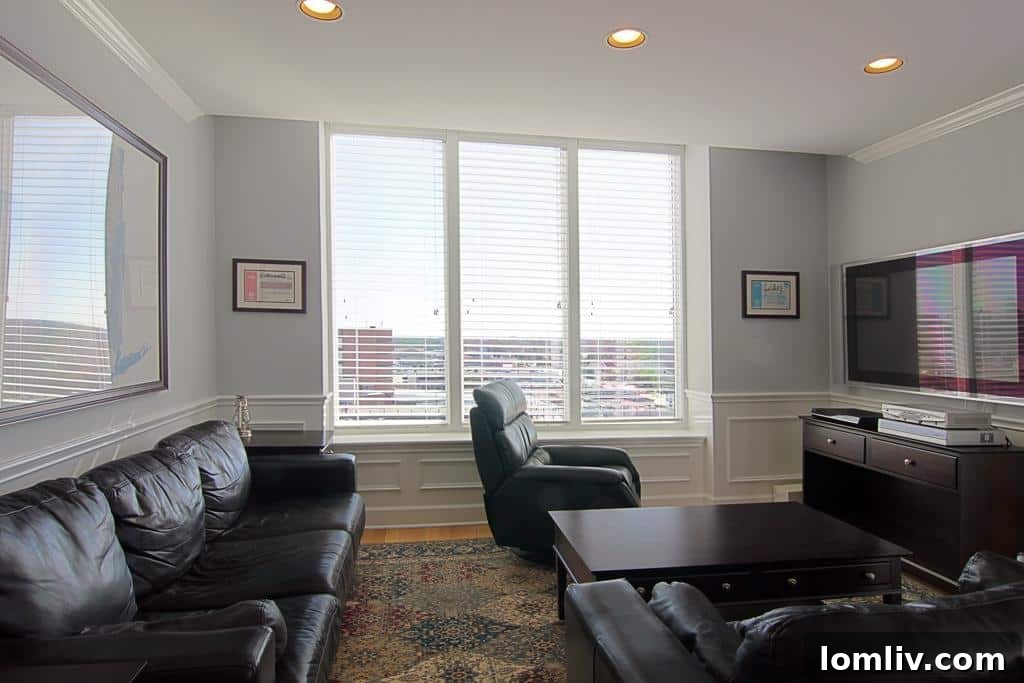
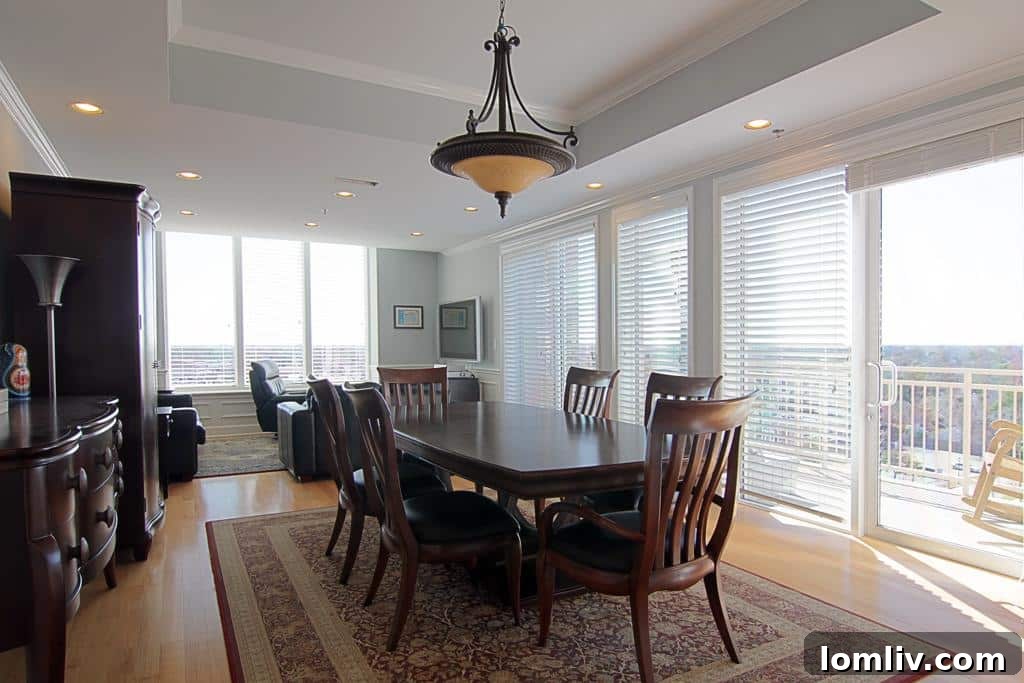
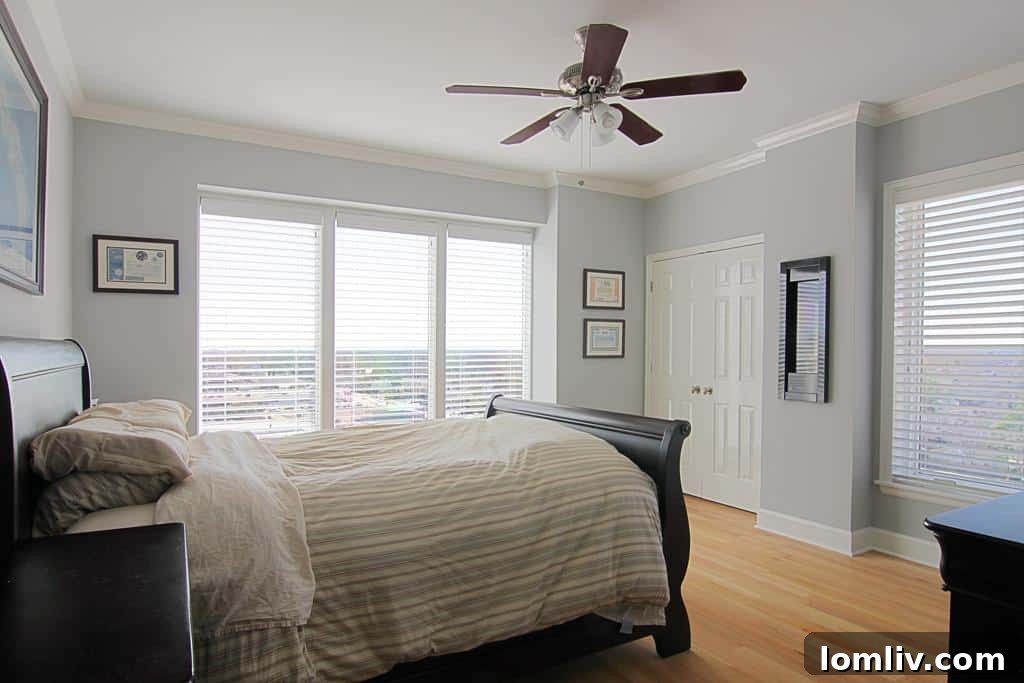
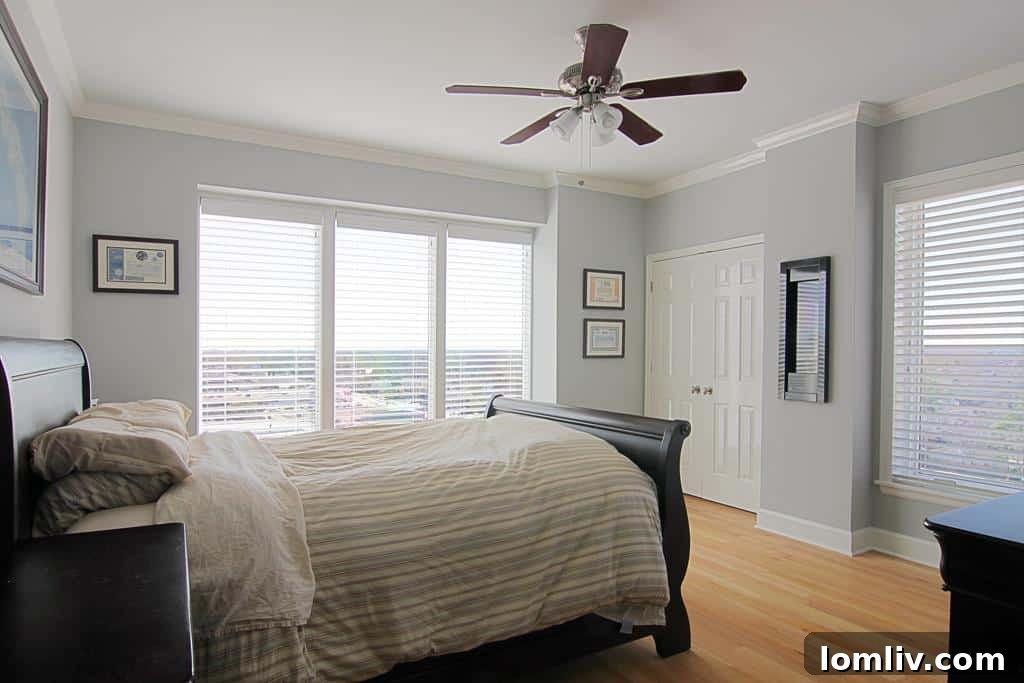
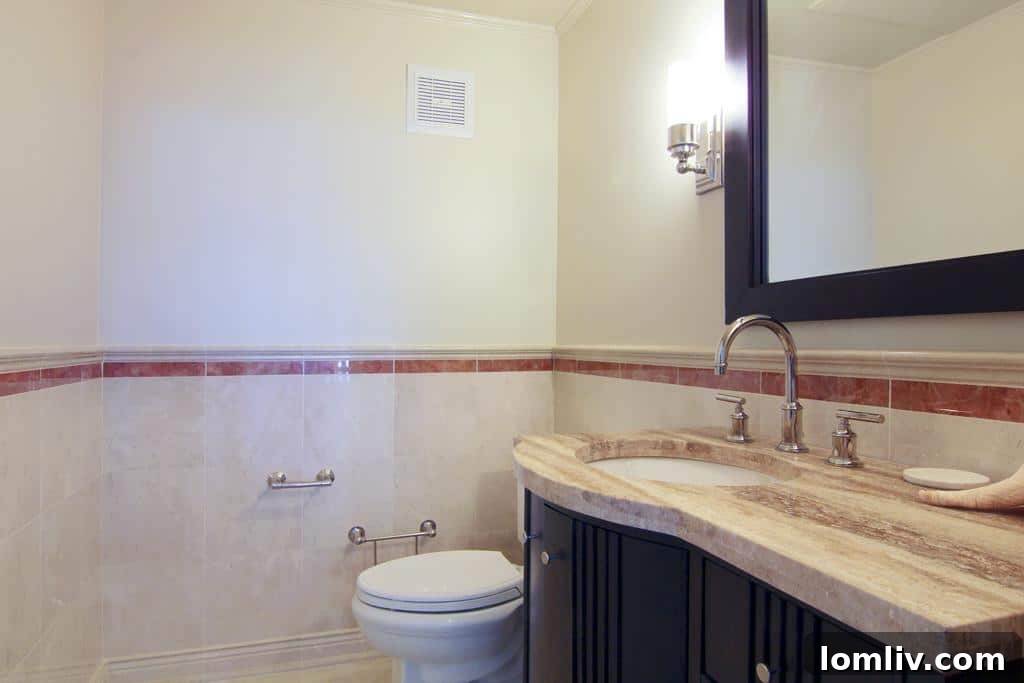
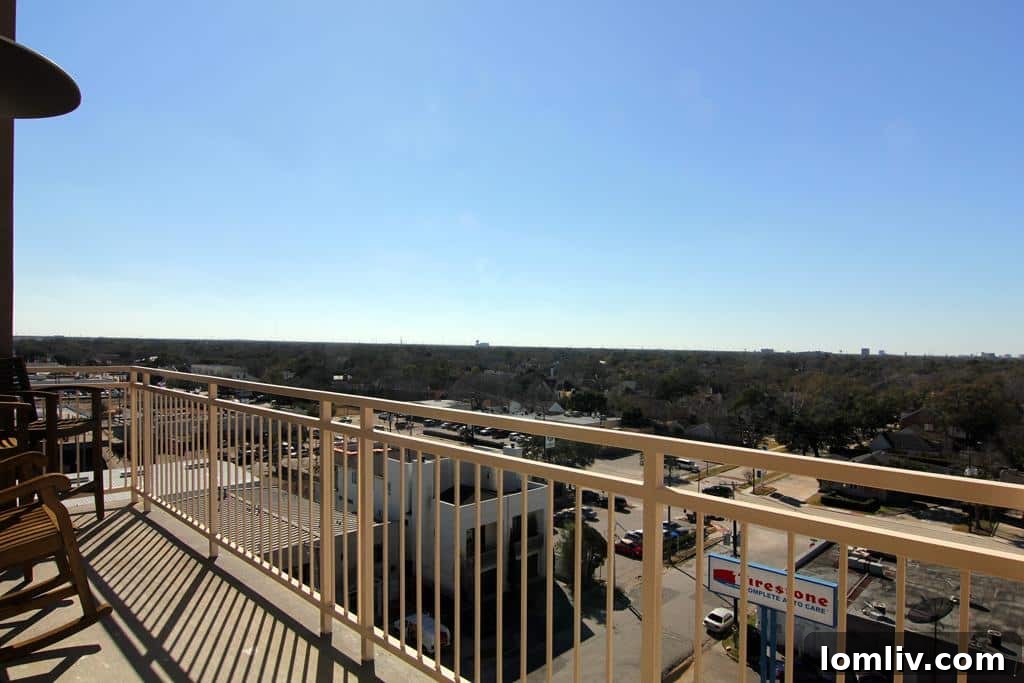
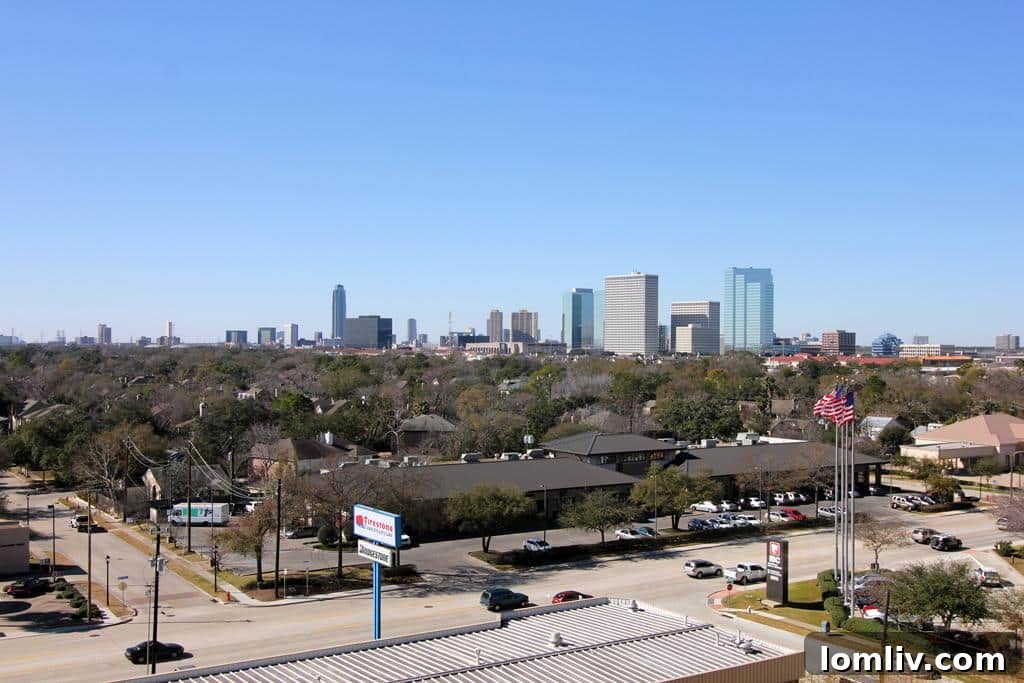
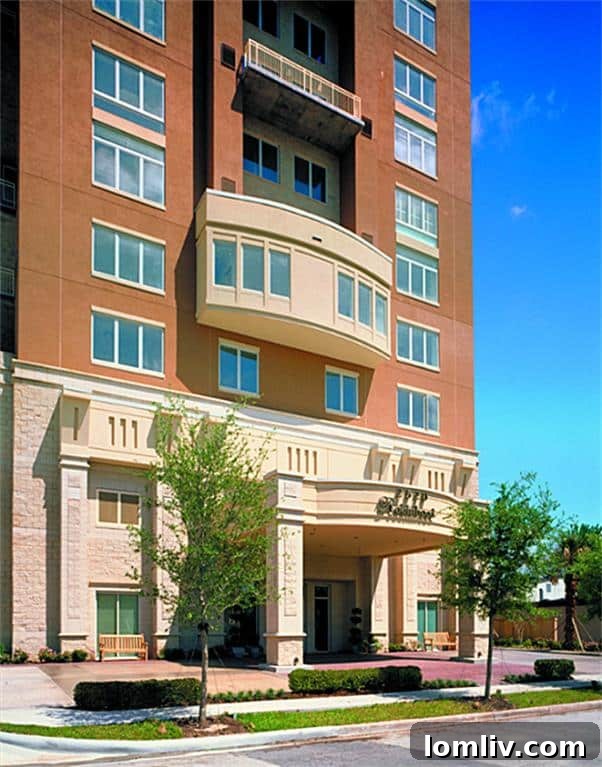
It was in 2011 when Ed Eakin facilitated a notable transaction involving Robert Durst, selling him a sophisticated Houston condo located at 2520 Robin Hood, unit #801. This transaction, valued at $437,000, took place just four years prior to the events that would bring Durst back into the national spotlight. At the time of this significant sale, Ed Eakin held the influential position of Director of Sales for Personette & Co., a role that placed him at the forefront of high-value property listings. The unit itself was a prime example of luxury urban living, featuring two spacious bedrooms and two and a half elegantly appointed bathrooms, ideal for an affluent individual seeking comfort and style in the heart of Houston. During the negotiation process for unit #801, it became apparent that Robert Durst already held a stake in the prestigious building, owning another unit at 2520 Robin Hood, specifically located near Kirby Drive. Durst expressed an intention to enlist Ed Eakin’s expertise to list his older unit for sale; however, this promise ultimately remained unfulfilled, adding a subtle layer to the enigmatic nature of his dealings.
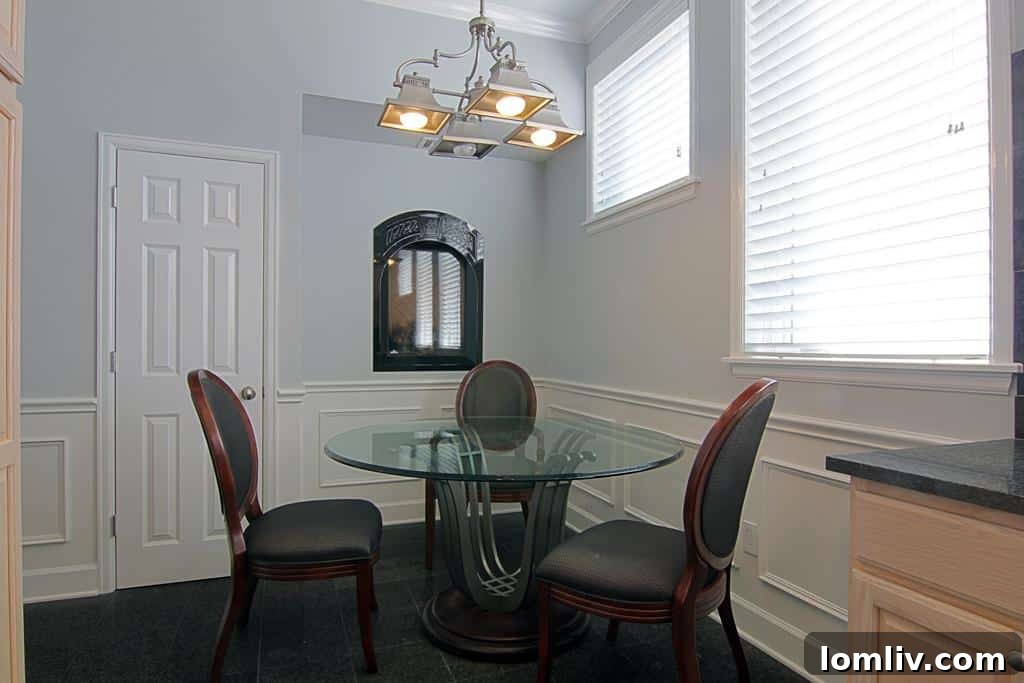
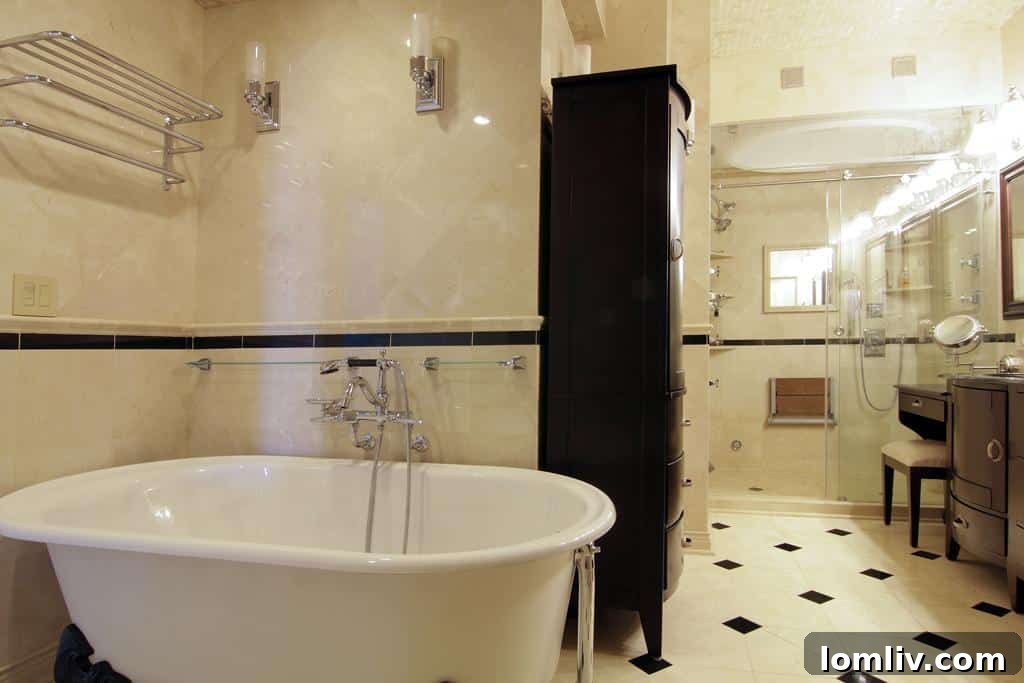
Reflecting on that particular unlisted property, Ed Eakin stated, “To my knowledge, it was never listed.” This detail highlights the often unpredictable patterns in Durst’s real estate portfolio management and his interactions with brokers. The condo at 2520 Robin Hood, unit #801, which Robert Durst continues to own, was far from a standard purchase. It boasted an astonishing estimated $360,000 in lavish upgrades and meticulous enhancements. A remarkable $60,000 of this substantial investment was dedicated solely to transforming the master bathroom into a private sanctuary of unparalleled luxury. Ed Eakin vividly recalls the unit’s impeccable state, describing it as “perfect as far as detail,” having been “completely redone by an owner flush with cash.” This extensive renovation ensured that unit #801 stood out within the building, offering a level of sophistication and modern comfort rarely seen in the complex.
During the negotiation phase for this exceptional Houston condo, a subtle back-and-forth ensued regarding the price, as Ed recounted when asked about Durst’s bargaining style. The unit had initially entered the market with an asking price of $469,000, making Durst’s eventual purchase price a testament to his negotiation skills or the seller’s eagerness. What expedited the transaction considerably was Robert Durst’s decision to make a full cash purchase, eliminating the complexities and timelines associated with traditional financing. The speed of the deal was remarkable; Durst visited the property, and after surveying its exquisite details, he unequivocally declared, “this is the nicest unit in the whole building,” before swiftly moving to acquire it. While the high-rise complex itself was recognized as one of Houston’s older and somewhat “tired” residential buildings, unit #801 presented a stark contrast, having been “remodeled to the nines” with an uncompromising commitment to quality and aesthetics, truly setting it apart as a jewel within the structure.
As their professional relationship unfolded, Robert Durst shared insights into his real estate investment philosophy with Ed Eakin. “During our discussion, he told me he likes to buy and sell real estate,” Ed recalled, painting a picture of Durst as an active and discerning property investor. Durst even expressed a future interest, stating he “said he’d come back and purchase more from me.” However, this potential for further collaboration was curtailed by a significant shift in Ed Eakin’s professional trajectory. Shortly after their successful transaction, specifically in January of 2012, Ed began the strategic process of phasing his business operations primarily to Dallas. This move allowed him to concentrate on the burgeoning real estate opportunities within the Dallas-Fort Worth Metroplex, effectively closing the chapter on his direct dealings with Robert Durst in Houston, despite Durst’s stated intent for future acquisitions.

Further investigations into Robert Durst’s extensive Houston real estate holdings reveal a portfolio that extended well beyond the single unit brokered by Ed Eakin. According to public appraisal district records, Durst maintained a significant presence within the very same prestigious building at 2520 Robin Hood. In total, he owned three separate units there: unit #801 (purchased in 2011 through Ed Eakin), unit #606 (acquired earlier in 2007), and an impressive penthouse unit, #1405, which he added to his collection in 2013, notably without utilizing Ed Eakin’s services for this particular acquisition. Beyond the Robin Hood high-rise, Durst’s Houston property investments also included a comfortable two-bedroom home situated in the desirable Barclay Place neighborhood, further underscoring his deep financial ties to the city’s property market. These multiple acquisitions illustrate a pattern of sustained investment in Houston real estate, painting a picture of a man who saw significant value in urban property holdings.
Durst’s penchant for property ownership was not limited to these known addresses, as he candidly shared with Ed Eakin. “He told me he owned condos all over town,” Ed recalled, indicating a much broader and more decentralized real estate empire. This assertion was corroborated by a crucial figure in Durst’s financial dealings. Ed further explained, “Once we got into negotiations and payment, the man who handled his money also told me he has multiple high rise units/condos all over Houston.” This “money guy,” whose role was to manage Durst’s substantial assets, was reportedly based out of Galveston, possibly even an attorney. The geographical link to Galveston is particularly poignant and chilling, as it is the very location where Robert Durst became embroiled in the infamous case involving the dismemberment of his neighbor, Morris Black, an event for which Durst claimed self-defense and was later acquitted.
Ed Eakin’s interactions with Robert Durst were relatively limited, totaling approximately four or five meetings in all. During these encounters, Ed observed Durst’s peculiar habits and unassuming demeanor. Most notably, Durst often appeared dressed in “house shoes and his pajamas, almost as if he had just woken up,” a casualness that sharply contrasted with the seriousness of real estate negotiations. He would typically walk from one of his existing units in the building to view the property Ed had listed, demonstrating a casual familiarity with the premises. When questioned about Durst’s personal life, particularly if he ever spoke about family, Ed responded with a firm “No.” This aligns with the consistent observations of many others who encountered Robert Durst: he was characteristically “very quiet, didn’t say much, didn’t talk a whole bunch.” This reticent nature often led to moments of noticeable silence during their interactions.
For Ed Eakin, these silences carried an additional, unsettling weight. “It was almost an awkward silence for me, as I knew who he was,” Ed confessed, revealing his awareness of Durst’s controversial past. Ed had, in fact, been keenly aware of the details surrounding the Galveston murder trial, which had captivated public attention years prior. While the legal outcome was an acquittal for Robert Durst, a point Ed himself acknowledged during our discussion, he quickly clarified the underlying truth of the situation. As Ed pointed out, Durst had openly “admitted he killed the guy,” albeit with the defense that his actions were taken purely in self-defense, a legal strategy that ultimately led to his controversial freedom, yet left an indelible mark on his public persona and perception.
Beyond his enigmatic persona and legal troubles, Robert Durst also reportedly engaged in surprisingly mundane activities, such as shopping at retail giants like Walmart. It was around this seemingly innocuous detail that one of the more chilling rumors associated with the Galveston murder began to circulate through Houston, stories that Ed Eakin recounted while emphasizing their unverified nature. “Rumors around Houston, and these are just rumors, was he got caught in Galveston because when he was chopping the body parts, he threw them in the ocean in grocery bags, and he used a Walmart bag that had a receipt in it,” Ed explained. This unsettling anecdote, though unconfirmed, added a macabre layer to the narrative surrounding Durst’s capture and the subsequent trial, painting a vivid, if speculative, picture of the events. Another persistent rumor suggested that a key factor in his acquittal was the failure of authorities to recover the victim’s head, which was reportedly where Morris Black, the victim, had allegedly sustained the fatal gunshot wound. The absence of this crucial piece of evidence complicated the prosecution’s case significantly, fueling speculation about the legal outcome.
During his appearances and interactions, it was evident that Robert Durst, then a much older man, moved with a noticeable slowness, a physical characteristic that underscored his age and perhaps contributed to his generally subdued demeanor. The city of Houston, where he maintained such a substantial real estate footprint, was rife with local anecdotes and observations about him. “There were lots of stories about him in Houston,” Ed Eakin confirmed, indicating Durst’s reputation extended far beyond his notorious legal cases. Among these captivating local stories were accounts that painted him as a genuinely strange character, with some of the more sensational tales suggesting he was a cross-dresser. According to persistent “building lore” within his residential complexes, residents would occasionally witness him departing the building dressed as a woman, only to re-enter it later, seemingly having changed into male attire. These stories, whether entirely factual or embellished through retelling, certainly contributed to his reputation as an eccentric and private individual, adding to the mystique that surrounded Robert Durst.
Given the sensational nature of the Galveston murder case and Durst’s subsequent acquittal, one might naturally wonder if the seller of unit #801 harbored any concerns or apprehension about selling such a valuable property to Robert Durst. Ed Eakin addressed this directly, explaining that the seller was an accomplished computer guru who was in the process of relocating to Las Vegas with the ambitious goal of launching a new dot-com company. This individual, deeply immersed in the world of technology and entrepreneurial pursuits, appeared largely unfazed by Durst’s notoriety. In fact, the seller’s primary focus had been the meticulous and extravagant renovation of the condo. He had “gone quite overboard on the finish out,” meticulously selecting materials and contractors. For instance, he had specifically commissioned the very same tile installers and sourced materials identical to those used in the ultra-luxurious Four Seasons Hotel in Houston, a testament to his uncompromising vision for the unit. The renovation was so comprehensive that he “took the whole unit down to the studs,” essentially rebuilding it from the ground up to his exacting specifications. Befitting his background, the unit was also fully “wired for high-speed internet” throughout, a cutting-edge feature for its time. Adding to its unique appeal, this unit boasted the distinction of having the only fireplace among all the condos in the building, a rare amenity he was able to incorporate due to his influential position as the President of the Homeowners Association (HOA) at the time of the renovations. Despite the whispers and rumors, Ed Eakin recalled that “I don’t think anybody ever thought he was a violent guy,” a perception that likely eased any potential concerns for sellers and residents alike, viewing his eccentricities more as quirks than threats.
However, Durst’s peculiar habits sometimes crossed the line of social convention, albeit in ways that seemed more odd than overtly menacing. For example, it was not uncommon for him to “pee on a tree in the front yard,” an act that understandably drew complaints from other residents. These instances required building management to intervene and remind him that such public behavior was unacceptable. Despite these strange occurrences, Durst remained consistently quiet and remarkably private, rarely engaging in extended conversations or revealing much about himself. His actions, while unconventional by normal standards, seemed to stem from a deeply ingrained personal eccentricity rather than any malicious intent. The picture of the building when Durst made his initial purchase in January of 2012, before more of his story unfolded, would have been one of a serene, upscale Houston high-rise, seemingly untouched by the strange dealings of one of its most infamous residents.
Given the full scope of Robert Durst’s complex history and reputation, a natural question arises regarding the personal safety of those who interacted with him professionally. Did Ed Eakin ever experience any fear or apprehension when he was showing the approximately 2000-square-foot apartment to Robert Durst? Ed, a seasoned real estate professional with years of experience navigating various personalities and situations, candidly revealed his strategy for mitigating potential risks. “I always kept him in front of me,” Ed stated, a simple yet effective precaution demonstrating a quiet vigilance. This approach allowed him to maintain situational awareness and control during showings, a testament to his professionalism and a subtle acknowledgment of the unusual circumstances surrounding a client as infamous as Robert Durst. This careful positioning underscores the unique challenges and considerations that sometimes accompany high-profile real estate transactions, especially when dealing with individuals who carry such a significant and controversial public profile. Ed Eakin’s recollections offer a fascinating glimpse into the less-publicized aspects of Robert Durst’s life, particularly his extensive involvement in the Houston luxury condo market, and the interactions of those who found themselves in his orbit.