In the annals of Dallas architectural history, few names resonate with the unique blend of prolific output and unparalleled eclecticism as Charles S. Dilbeck. Active from 1935 to 1969, Dilbeck left an indelible mark on the city’s residential landscape, shaping its character with homes that defied easy categorization. For newcomers to Dallas and seasoned enthusiasts alike, understanding Dilbeck means appreciating an architect who truly marched to the beat of his own drum, crafting homes that were as diverse as they were distinctive.
Dilbeck famously claimed in a 1979 interview with urban planner Alan Mason that he was the pioneer of the authentic Texas ranch house. While his contemporaries, such as the revered O’Neil Ford and David Williams, often favored the rugged charm of Hill Country limestone farmhouses with their signature metal roofs, Dilbeck drew inspiration from a different wellspring: the sprawling, unpretentious ranch homes of the Texas Panhandle. Yet, to pigeonhole Dilbeck solely as a ranch house architect would be a disservice to his incredibly varied portfolio. His creative muse also led him to embrace the cozy allure of Irish cottages, the sophisticated elegance of French provincial estates, and the classic grandeur of Colonial designs. The unifying thread through all his works, the very essence of his genius, is perhaps best captured by a single word: eclectic. This remarkable adaptability and willingness to blend diverse architectural vocabularies made each Dilbeck home a discovery, a testament to his inventive spirit.
Today, Dilbeck’s homes remain highly coveted, celebrated for their enduring charm, thoughtful design, and historical significance. They are more than just houses; they are pieces of Dallas’s heritage, offering a glimpse into a bygone era while providing timeless comfort and beauty. Join us as we explore some of the most captivating and iconic properties envisioned by this legendary Dallas architect, each telling a unique story of design, ingenuity, and a touch of whimsical magic.
Paigebrooke Farm in Westlake: A Masterpiece Reimagined and Relocated
Address: 1 Paigebrooke, Westlake
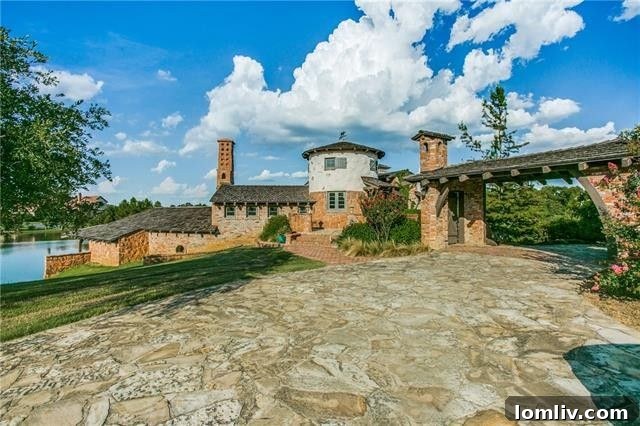
Nestled amidst the serene landscapes of Westlake, Paigebrooke Farm stands as a monumental example of Charles Dilbeck’s early brilliance and the enduring appeal of his distinct vision. Designed in 1938, this rambling, half-timbered estate immediately captivates with its rustic charm and sophisticated details. Originally commissioned by the prominent Dealey family, whose influence shaped much of Dallas’s civic and media landscape, this home was destined for greatness from its inception. It’s not merely a house; it’s a living canvas, meticulously crafted with artisan handiwork and filled with delightful surprises that unfold in almost every room, from intricate carvings to unique material combinations that speak to Dilbeck’s mastery of texture and form.
What truly elevates Paigebrooke Farm into the realm of legend is its extraordinary journey. In a feat of engineering and preservation that remains remarkable to this day, the entire residence was lovingly restored and moved in 1977. Imagine a structure of this grandeur, carefully prepared and wrapped like a delicate, oversized holiday ornament in Tyvek, then meticulously dissected into six colossal pieces. These segments were then transported on steel beams to their current picturesque 18-acre location, a testament to the Dealey family’s, and later, subsequent owners’ profound dedication to preserving this architectural jewel. Once reassembled, the home was not just put back together; it was melded, enhanced, and perfected, integrating seamlessly into its new, sprawling country-like setting. This relocation not only saved a significant piece of architectural history but also added an unparalleled chapter to its rich narrative, making Paigebrooke Farm an almost mythical residence in the Dallas-Fort Worth metroplex. Its story is a vivid illustration of how Dilbeck’s designs transcend mere construction, inspiring generations to cherish and protect them.
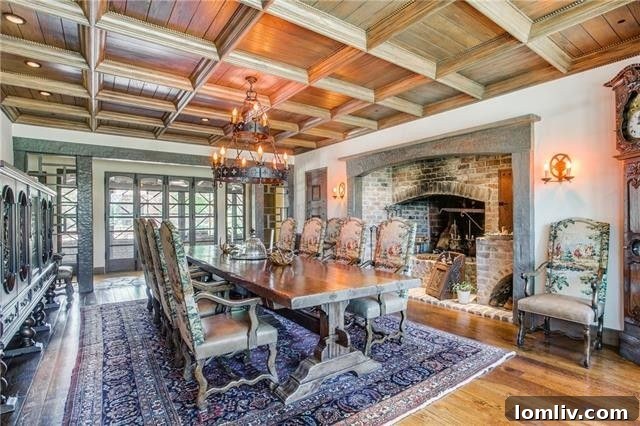
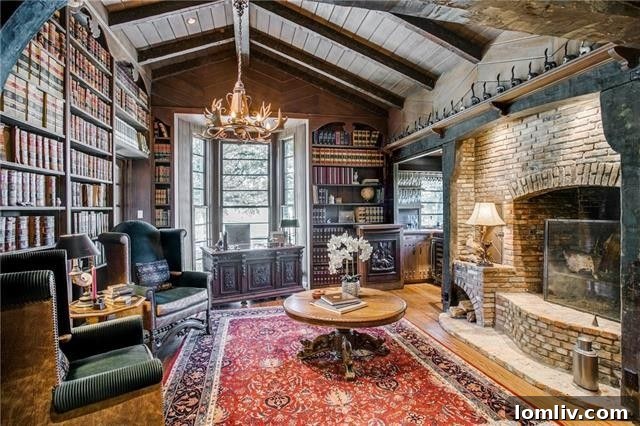
This unique blend of historical provenance, architectural genius, and a captivating backstory ensures Paigebrooke Farm remains a benchmark for luxury real estate and architectural preservation. Its journey is a powerful metaphor for the enduring value and emotional connection these homes inspire.
— For more in-depth details about Paigebrooke Farm, including its listing in 2011 for $7.9 million, click here.
The Shenandoah Sister: A French-Inspired Dallas Gem by Charles Dilbeck
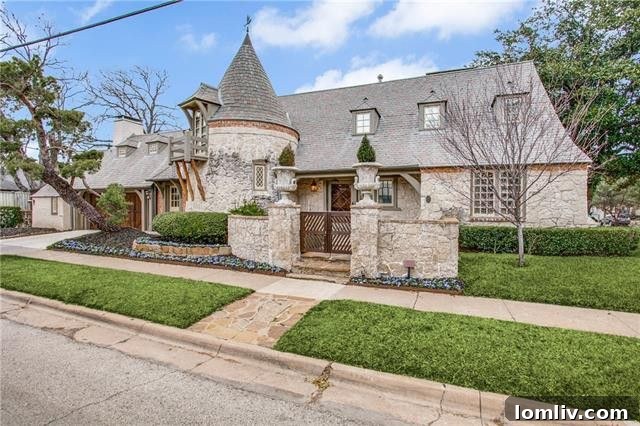
Address: 4144 Shenandoah St, Dallas
Among Charles Dilbeck’s many accomplishments, the four iconic homes gracing the corners of the Douglas and Shenandoah intersection in Dallas stand out as a testament to his versatility and inspired creativity. Affectionately known as the “Four Corner Sisters,” these properties collectively represent a significant chapter in Dallas’s architectural narrative. One particularly enchanting member of this quartet is the Dilbeck treasure at 4144 Shenandoah Street, a home whose design sprang from the architect’s personal travels and profound appreciation for European aesthetics.
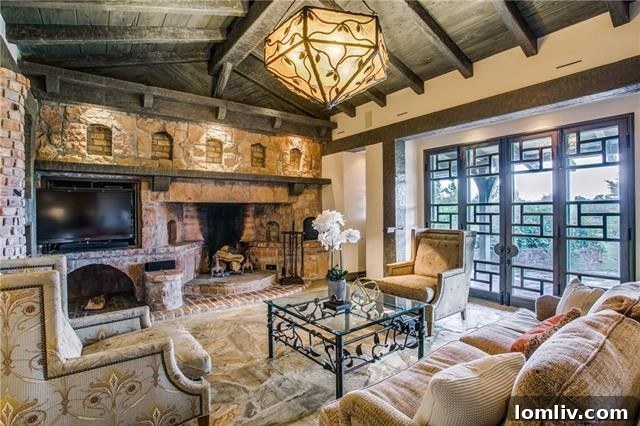
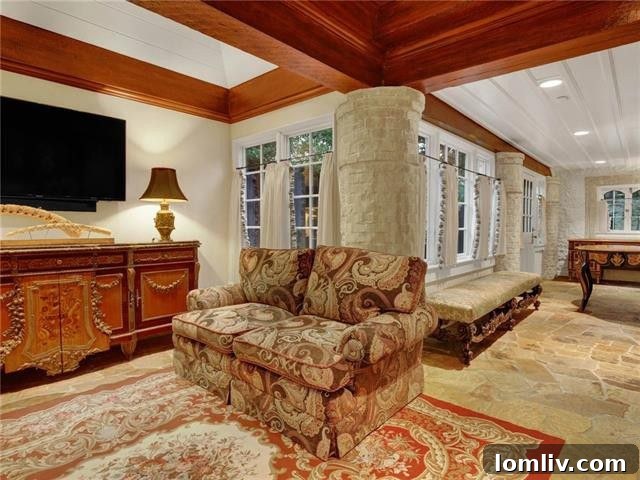
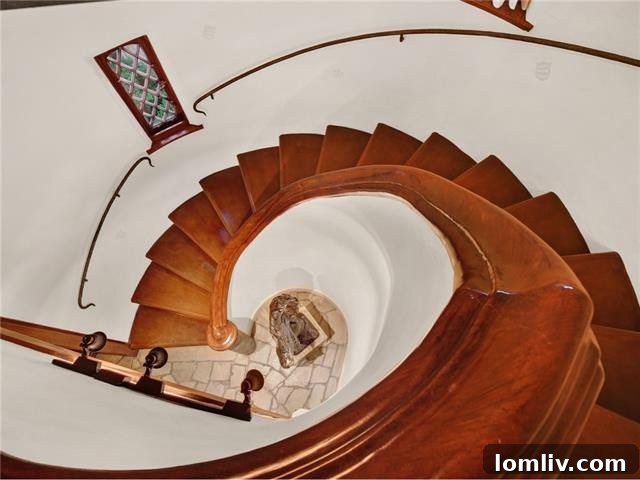
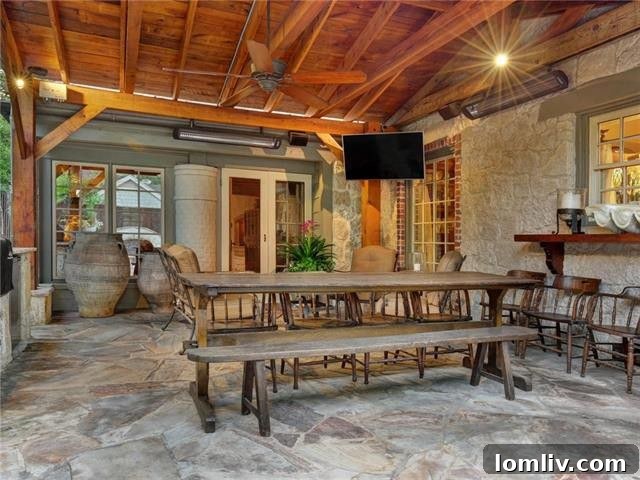
Built in 1934, shortly after Dilbeck’s formative experiences in the picturesque Loire Valley of France, this castle-like residence is a direct translation of that inspiration into the heart of University Park. Far from being a mere imitation, it’s a sophisticated interpretation, brimming with genuine turrets that hint at medieval grandeur and a charming balcony that invites contemplation. The home masterfully captures the “rambling farmhouse feel” so characteristic of Dilbeck, yet imbues it with a distinct French provincial elegance. Inside, the design delights with its architectural authenticity: a magnificent, huge stone fireplace serves as a central focal point, complemented by additional cozy corner fireplaces that enhance the dwelling’s warmth and character. Arched doorways guide visitors through a thoughtfully laid-out interior, while exposed rafters and rugged stone floors ground the home in a sense of timeless tradition. It’s often considered a more intimate, yet equally enchanting, cousin to the expansive Paigebrooke Farm in Westlake, embodying a similar spirit on a more contained scale.
Dilbeck’s genius shone through his artist’s eye for how different textures and designs could harmoniously interact, creating spaces that were both visually striking and uniquely inviting. This property at Shenandoah Street perfectly embodies that vision. Rich, warm woods blend seamlessly with robust brickwork, natural stone, and smooth plaster, combining in ways that are both interesting and exquisitely handsome. The interiors are bathed in abundant natural light, filtering through windows that are frequently unusual in their design and placement, adding to the home’s distinctive personality. Beyond its interiors, the property boasts stately and grand curb appeal, yet with a charming whimsy conveyed by its iconic turret and an inviting courtyard. This is truly the kind of house that compels passersby to slow down, offering a moment to admire its intricate details and absorb its palpable history. It stands as a beacon of Charles Dilbeck’s ability to infuse historical inspiration with a unique, livable charm, making it a coveted piece of Dallas architectural heritage.
— Discover more about the Shenandoah property, including its listing in 2013 for $1.55 million and further details from its 2017 listing for $1.995 million.
The Walton House: A Bluffview Estate Embodying Dilbeck’s Enduring Whimsy
Address: 4731 Wildwood Road, Dallas
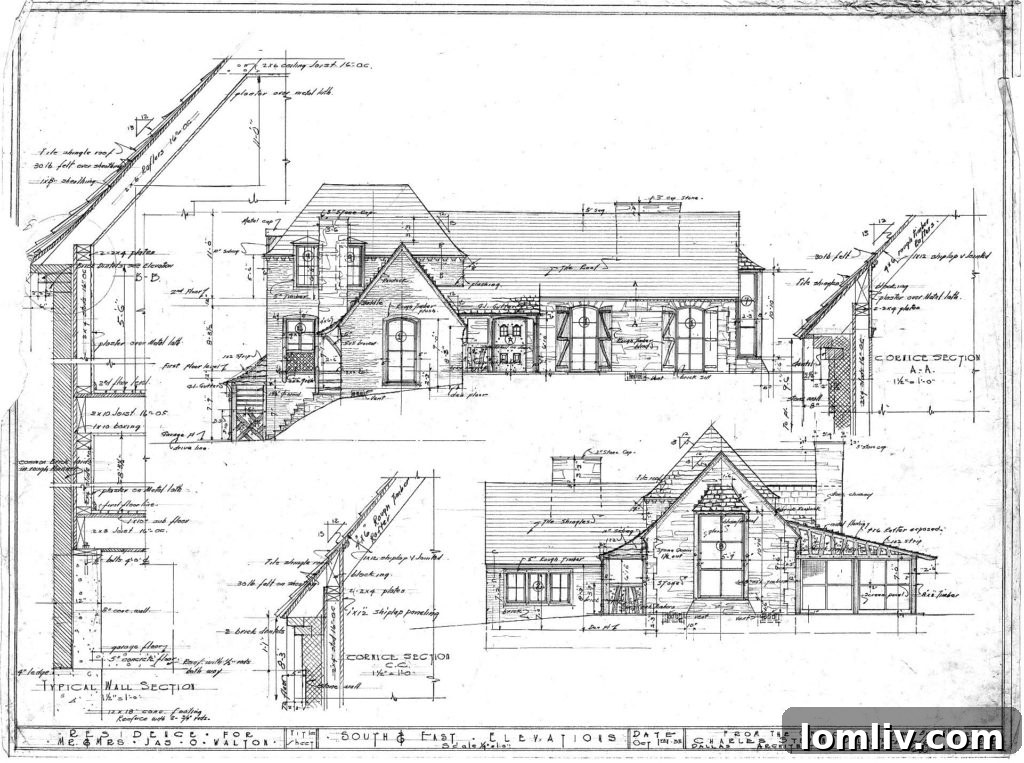
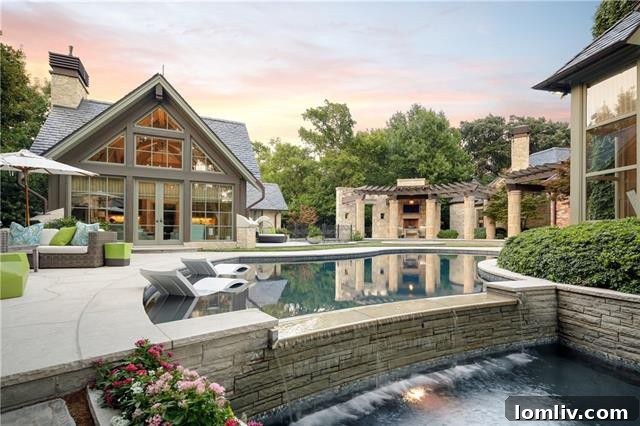
Tucked away deep within the picturesque, rolling hills of Dallas’s esteemed Bluffview neighborhood, lies an architectural gem that consistently ranks among the most enchanting residences in the city: The Walton House. This exquisite Charles Dilbeck Bluffview estate is a vivid demonstration of the architect’s unparalleled ability to infuse his designs with a distinct whimsical charm that has become his enduring hallmark. Built in 1935, the home at 4731 Wildwood Road is not just a dwelling; it’s an architectural encyclopedia, meticulously detailed and showcasing a myriad of Dilbeck’s signature features.
From the moment one steps inside, the unique character of The Walton House unfolds. It boasts Dilbeck’s hallmark walk-in fireplaces, grand and inviting, serving as both functional hearths and striking artistic statements. The brickwork throughout the property is particularly noteworthy, featuring unique and intricate patterns that elevate mere construction into an art form. Overhead, the vaulted and beamed ceilings create a sense of expansive airiness and rustic elegance, echoing the sophisticated country aesthetic Dilbeck perfected. Every corner, every transition, every material choice contributes to an immersive experience that speaks volumes about the architect’s vision and skill. It’s a home where intricate details aren’t just added but are integral to the overall narrative, creating a continuous flow of architectural discovery.
This magnificent Dilbeck Bluffview Estate was originally built for Carol and James Walton, a family whose name became synonymous with the property. Among Dallas preservationists and architectural aficionados, it is known reverently as **The Walton House**, a moniker that underscores its significant historical and cultural value. Its importance was further cemented when it was highlighted during the highly anticipated Preservation Dallas Fall Architectural Tour, drawing widespread admiration for its impeccably maintained original features and its timeless appeal. The Walton House stands not only as a residence but as a monument to Charles Dilbeck’s legacy, perfectly encapsulating the blend of grandeur, charm, and innovative detail that defines his most celebrated works. It serves as an enduring reminder of how thoughtful design can transcend generations, continuing to inspire and captivate those who encounter its unique magic.
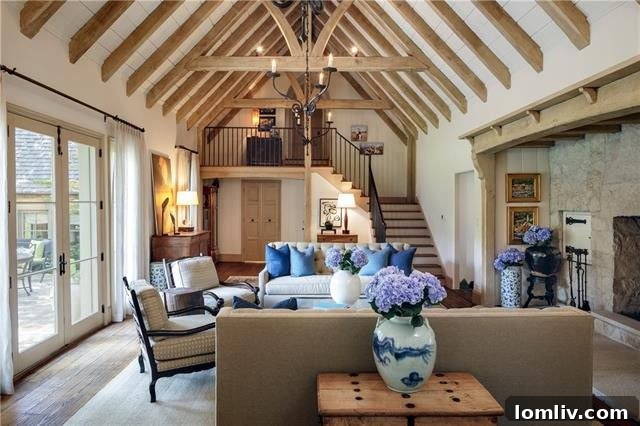
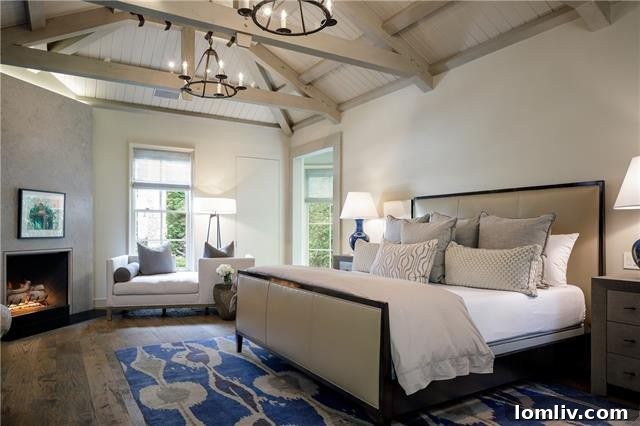
— Read more about this exceptional Wildwood property, which was listed in March 2019 for $6.499 million.
An Unexpected Revelation: Charles Dilbeck’s Midcentury Modern Masterpiece in Russwood Acres
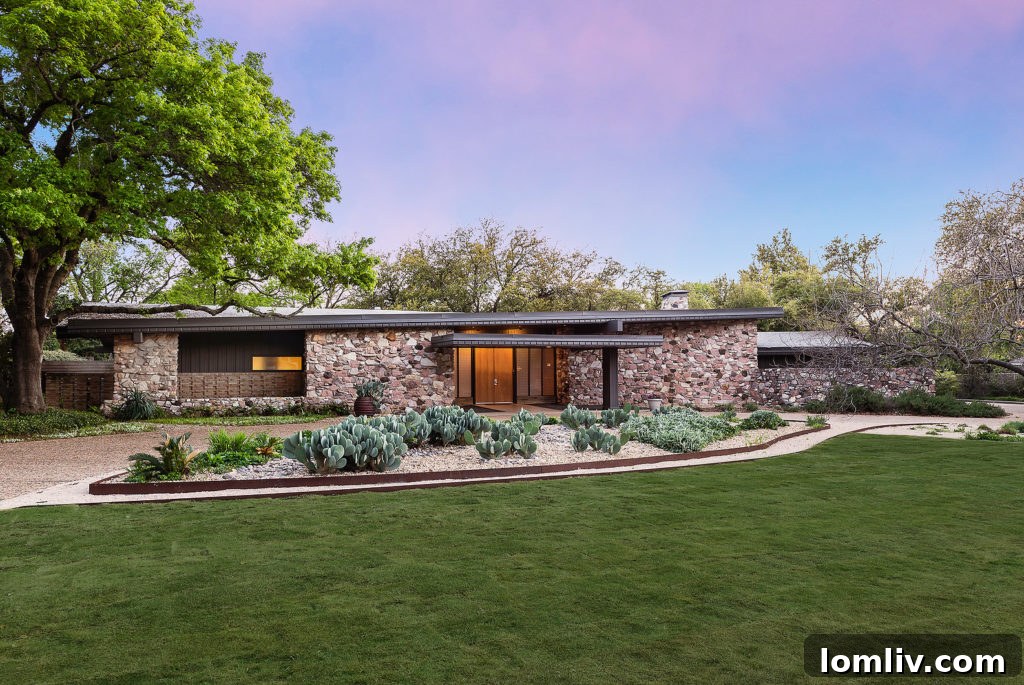
Address: 5016 Tanbark
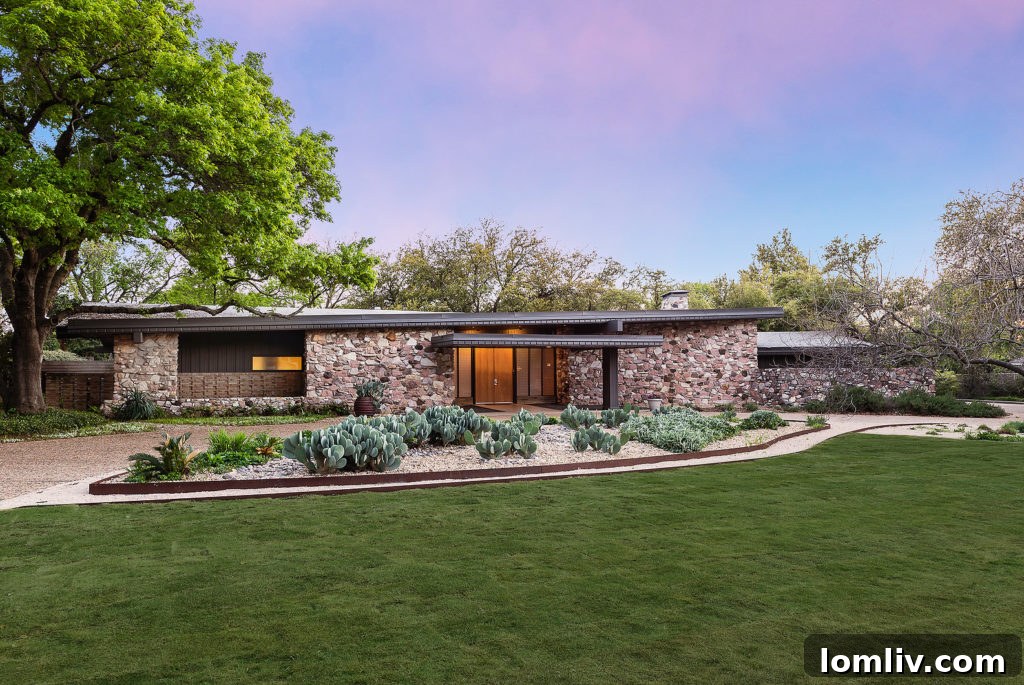
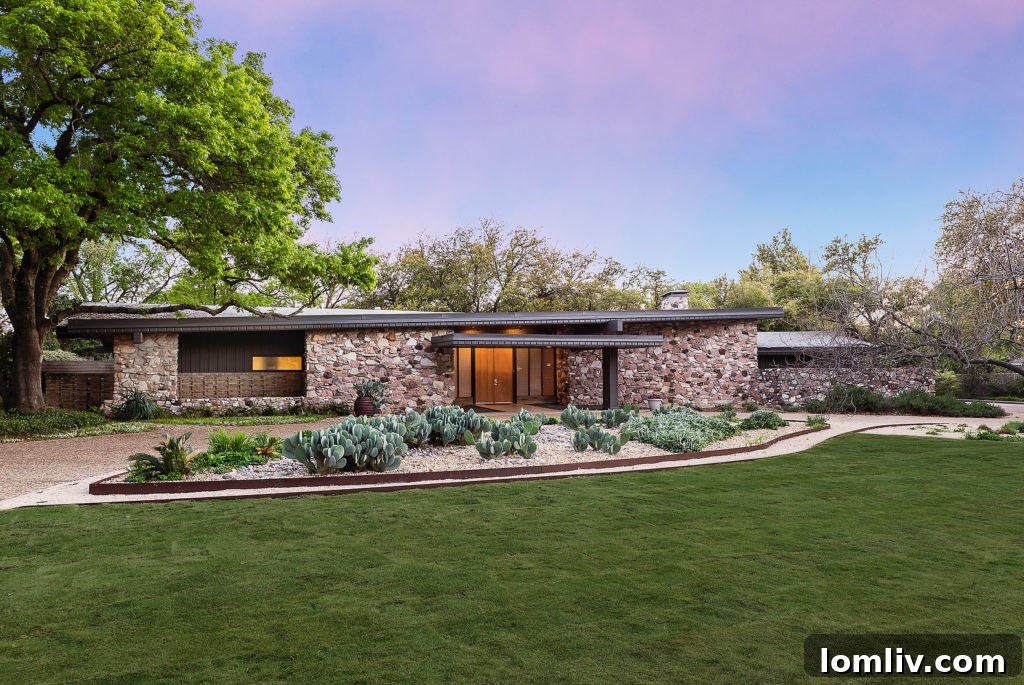
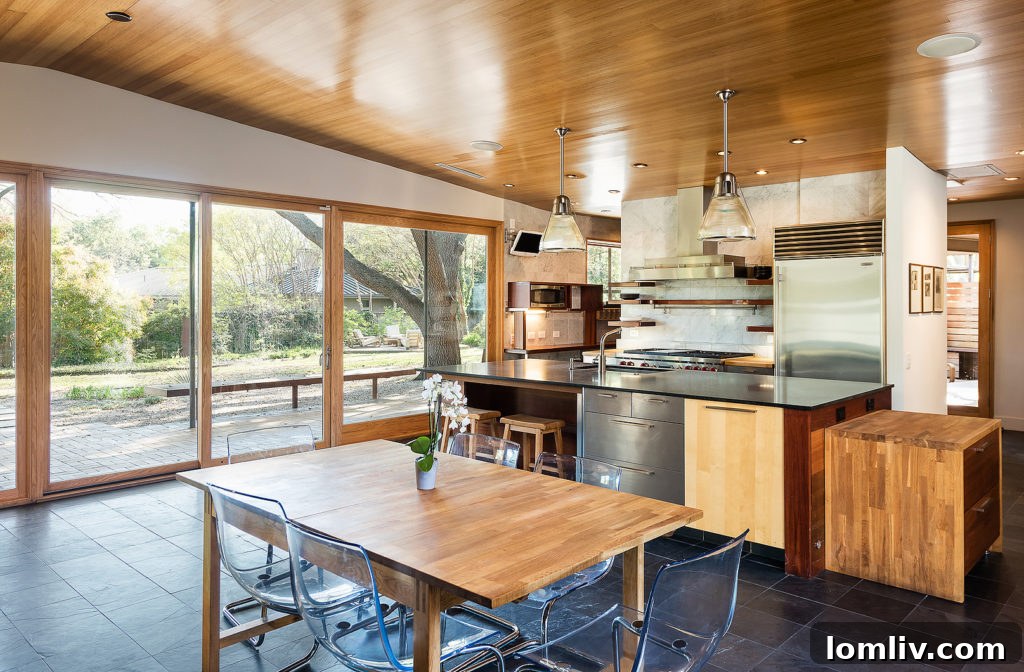
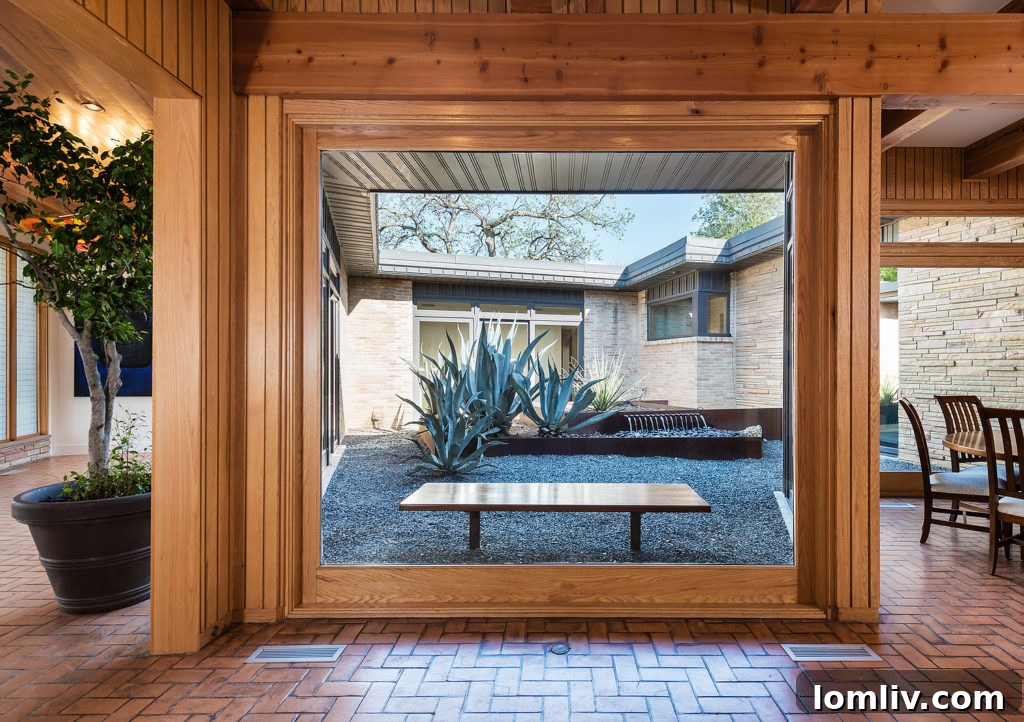
Prepare to have your preconceptions challenged, and quite possibly, your breath taken away. When one typically thinks of Charles Dilbeck, the image that springs to mind is often one of whimsical European-inspired cottages, grand French provincial estates, or charming Texas ranch houses. His signature style, as previously highlighted, is characterized by an eclectic fusion of stained glass, ornate iron gates, and fanciful details, often inspired by everything from Irish folklore to the adventurous spirit of figures like Tom Mix (for those Millennials wondering, a legendary cowboy film star of yesteryear). So, the phrase “Charles Dilbeck Midcentury Modern” might sound like an oxymoron, a stylistic clash that simply doesn’t compute. Yet, this is precisely what makes the property at 5016 Tanbark in Russwood Acres such a captivating and rare discovery.
Yes, indeed, those two seemingly disparate architectural terms – Dilbeck and Midcentury Modern – do, on exceedingly rare occasions, go together. While these masterpieces are far less common in his extensive portfolio, they nonetheless exist, showcasing an astounding breadth of talent and an adaptability that further underscores Dilbeck’s genius. This specific Dilbeck Midcentury Modern residence at 5016 Tanbark stands as one of the most striking and compelling examples ever documented. It’s a profound departure from his more celebrated, romantic aesthetics, revealing an architect who was keenly aware of evolving design trends and unafraid to experiment with modernity.
The home seamlessly integrates the clean lines, expansive glass, and minimalist forms characteristic of Midcentury Modern architecture with a subtle, underlying warmth and craftsmanship that only Dilbeck could impart. It’s not just a boxy structure; there are whispers of his signature attention to detail in the material choices, the clever manipulation of light, and the way the home interacts with its natural surroundings. This unexpected blend creates a truly unique living experience, marrying the functional elegance of MCM with a touch of the unique character that defines all Dilbeck properties. For collectors and enthusiasts of both Dilbeck’s work and Midcentury Modern design, 5016 Tanbark represents a rare opportunity to own a piece of architectural history that defies easy classification, offering a fresh perspective on a beloved Dallas master. It challenges us to look beyond established categories and appreciate the full, dynamic spectrum of Dilbeck’s creative output.
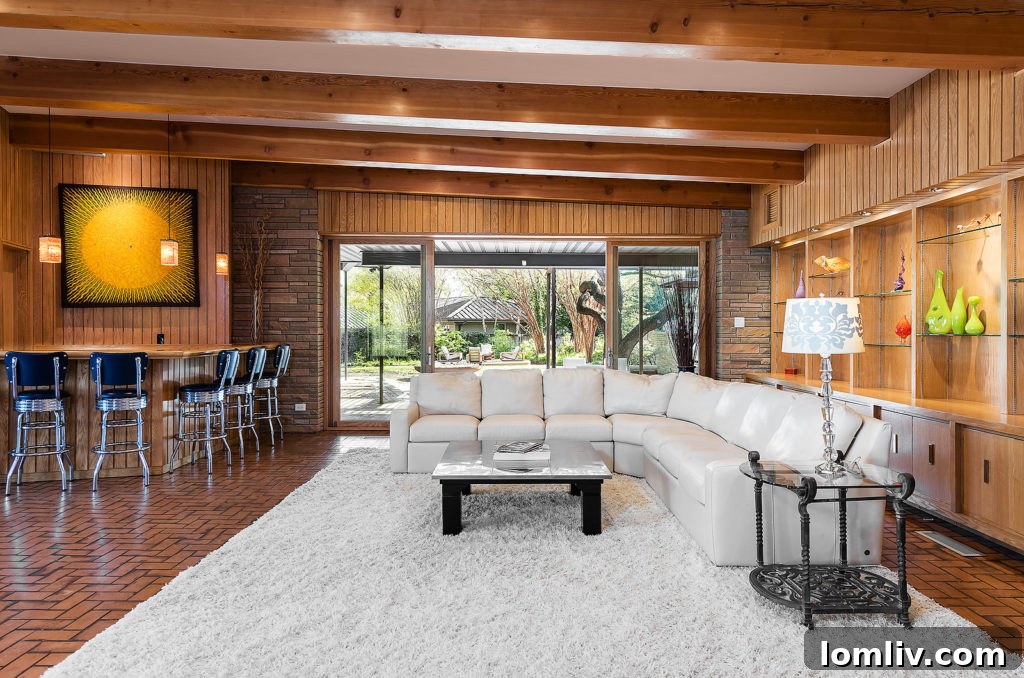
— Discover more intriguing details about the Tanbark residence, which was listed in May 2019 for $2.195 million.
The Iconic Lakewood Estate: A Pillar of Charles Dilbeck’s Early Legacy
Address: 6726 Lakewood Boulevard, Dallas
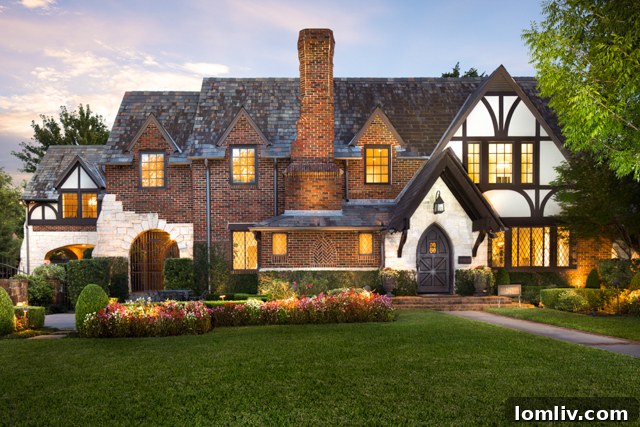
Dallas is a city truly blessed with a rich tapestry of residential architecture, from groundbreaking new constructions designed by contemporary visionaries to cherished historic properties that tell tales of eras gone by. Among these treasured landmarks, the iconic Lakewood estate at 6726 Lakewood Boulevard stands as a quintessential example of Charles Dilbeck’s early and influential work, embodying the charm and character that define his legacy. This property is not just a house; it’s a vital piece of the city’s architectural heritage, representing a significant period in Dilbeck’s development as a master architect.
Constructed by Dilbeck in 1933, this home is famously known as one of the “Three Lakewood Houses,” a distinctive cluster of residences built in close proximity to one another, each showcasing his emerging style and innovative approach to residential design. These homes collectively established a unique architectural presence in the vibrant Lakewood neighborhood, contributing to its reputation for beautiful, character-filled properties. The estate at 6726 Lakewood Boulevard, in particular, demonstrates Dilbeck’s command of traditional forms infused with his signature whimsical elements and meticulous craftsmanship.
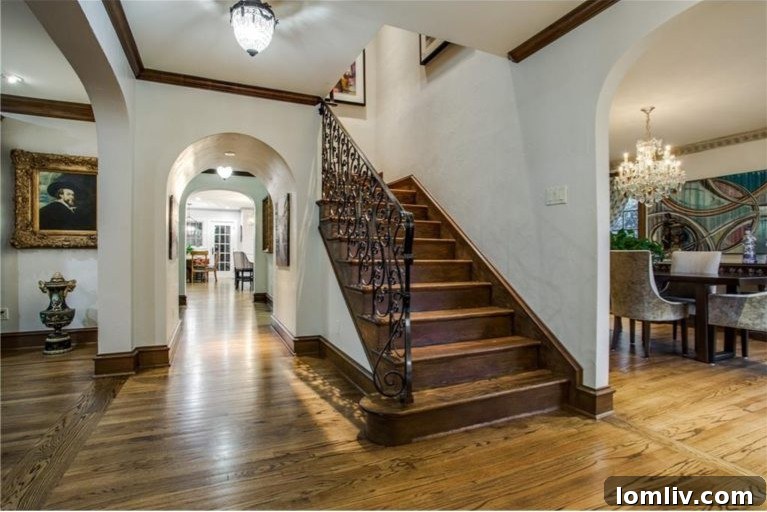
The design likely incorporates elements that would later become synonymous with Dilbeck’s work – perhaps a charming blend of European influences with a pragmatic Texas sensibility, robust materials like brick and stone, and an emphasis on creating inviting, livable spaces. It’s a reflection of the architectural trends of the early 1930s, yet filtered through Dilbeck’s distinctive lens, making it stand out from its contemporaries. Owning a piece of the “Three Lakewood Houses” is to possess a tangible connection to the origins of one of Dallas’s most celebrated architects, a testament to the enduring appeal of quality design and historical significance. These homes are more than just structures; they are anchors of community identity, beloved by residents and admired by architectural historians, continuing to command attention in a competitive luxury real estate market due to their unparalleled charm and provenance.
— Learn more about this iconic Lakewood estate, which was listed in January 2017 for $3.865 million.