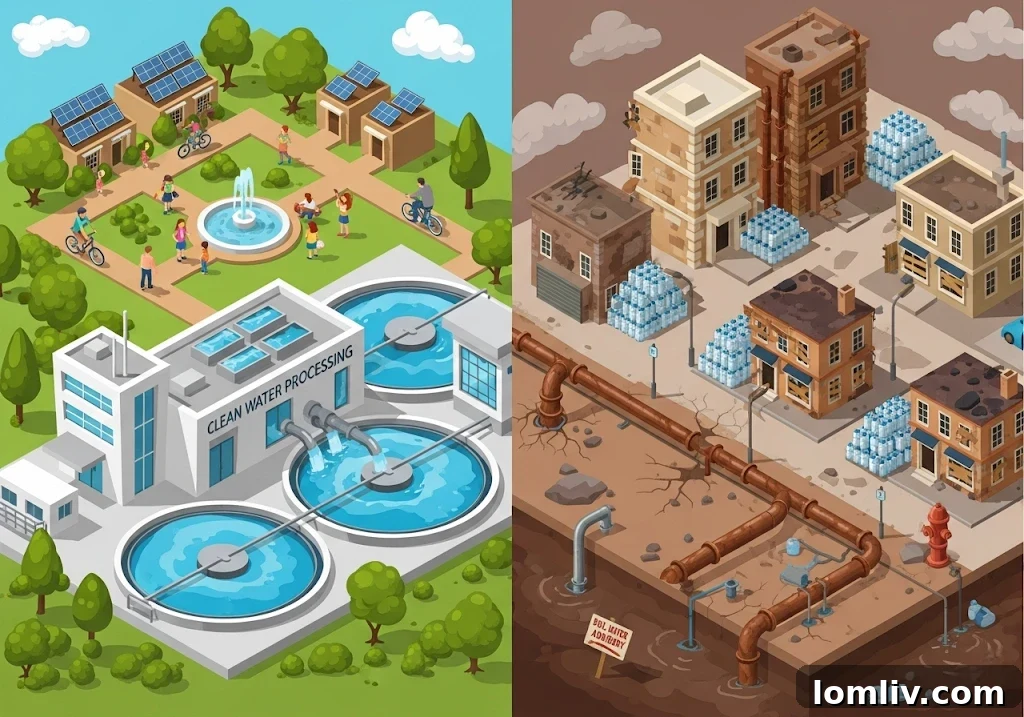
When you’re shopping for a home, what truly captures your attention? You likely consider the quality of local schools, the aesthetic appeal of the neighborhood, and the vibrant character of the community. These are all crucial elements. However, an often-overlooked factor, one that profoundly influences property values and the overall desirability of a location, is the underlying infrastructure that diligently supplies clean, potable water and efficiently manages wastewater. This unseen network is the bedrock of any thriving residential or commercial area, quietly dictating much more than just the flow from your tap.
Robust and reliable water and wastewater systems are not just conveniences; they are indispensable for fostering vibrant, growing communities. Their impact extends far beyond mere functionality like keeping taps flowing and toilets flushing. They are integral to public health, environmental protection, and sustained economic development, influencing everything from the appreciation rate of home prices to the speed at which new neighborhoods can be established. In rapidly expanding metropolitan regions, particularly around major economic powerhouses like Houston, Austin, and the Dallas-Fort Worth metroplex, the sheer availability and capacity of adequate infrastructure can be the deciding factor in whether a new development project moves forward or remains on the drawing board. As urban sprawl pushes developers further into suburban and even semi-rural areas, the intrinsic link between superior infrastructure and long-term property values becomes not only evident but impossible to ignore.
The Invisible Architect of Value: Infrastructure as a Hidden Deal-Breaker
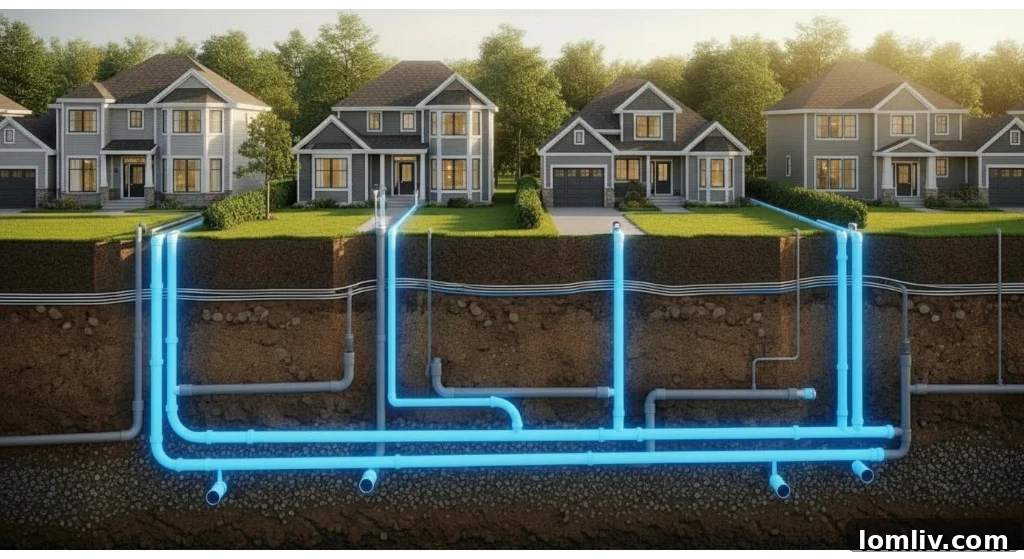
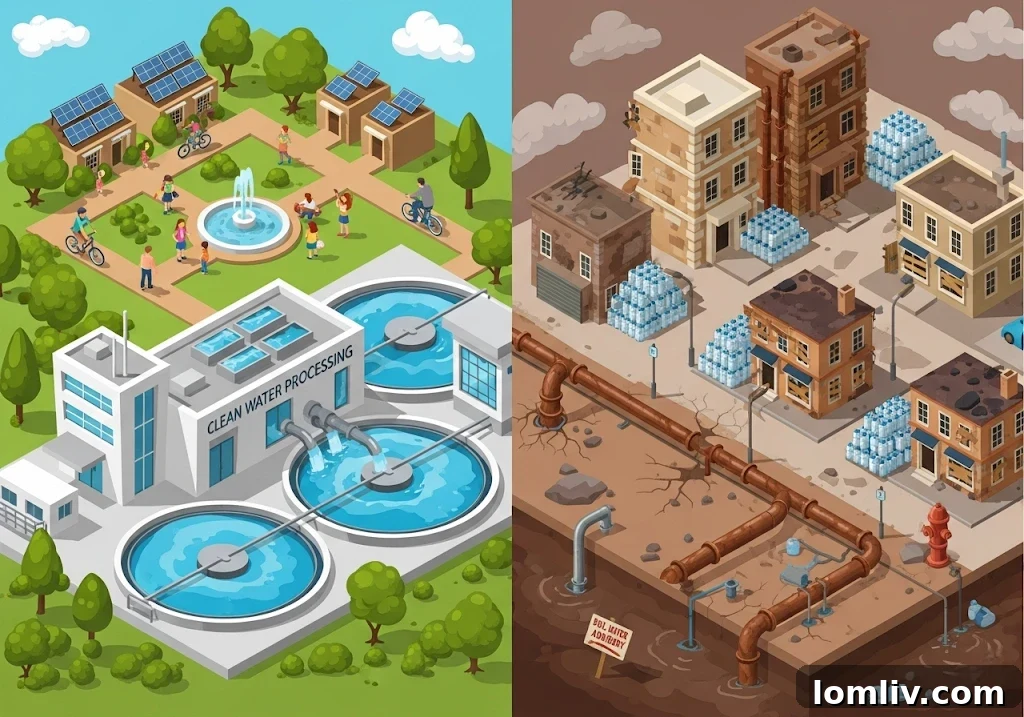
In the world of real estate, the mantra “location, location, location” reigns supreme. While an exceptional location undeniably serves as a premier selling point, its true potential can be severely hampered if the area suffers from inadequate or unreliable infrastructure. When essential services falter, a property’s inherent value takes a significant hit. Consider, for instance, neighborhoods plagued by recurring boil-water notices, persistent low water pressure, or outdated sewer systems. These communities often experience slower property appreciation, longer listing periods on the market, and a general erosion of buyer confidence. The perceived risk associated with such issues translates directly into lower offers and reduced market demand.
The Environmental Protection Agency (EPA) underscores the critical connection between modern, well-maintained water and wastewater infrastructure and both public health and sustained economic growth. When these systems are robust, up-to-date, and meticulously cared for, they significantly mitigate the risks of water contamination, safeguard vital groundwater resources, and minimize disruptive service interruptions. This stability offers invaluable peace of mind to all stakeholders: developers can proceed with projects with greater certainty, lenders are more confident in their investments, and homeowners know they are securing an asset that is sound, resilient, and poised for future appreciation. Conversely, the absence or failure of these systems can introduce unforeseen liabilities that deter investment and growth.
On the other hand, when water or wastewater systems are stressed by overextension, burdened by aging components, or simply nonexistent in a developing area, the ripple effect can be devastating. Such deficiencies can bring new housing projects and commercial developments to a grinding halt. Developers may find themselves facing months, or even years, of frustrating delays while they wait for necessary utility connections, permits, or critical treatment plant expansions. These protracted delays accumulate substantial carrying costs—for land, permits, financing, and lost opportunity—which inevitably inflate the final project cost. When these properties eventually do reach the market, those absorbed costs are typically passed directly on to buyers and tenants, making the housing less affordable and potentially less competitive.
Navigating the Utility Bottleneck: Challenges in Rapid Growth Regions
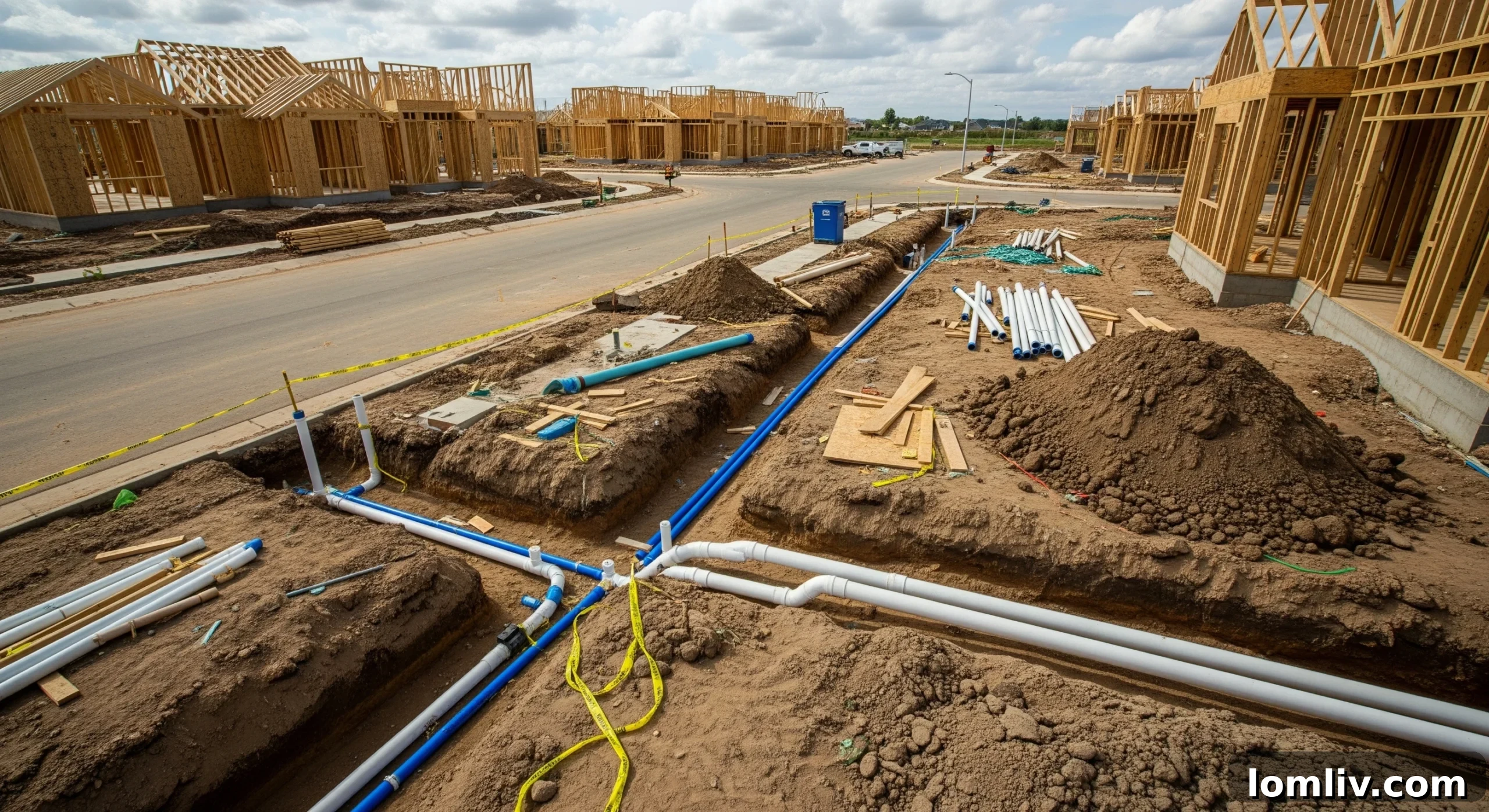
This “utility bottleneck” is a persistent and growing challenge, particularly evident in states like Texas. Cities such as Houston and Dallas are experiencing unprecedented growth, with new homes and commercial complexes seemingly materializing overnight. Yet, the essential infrastructure required to adequately support this rapid expansion often struggles to keep pace, consistently playing catch-up. The disconnect between vertical development and horizontal utility development creates significant friction in the market.
Traditional centralized wastewater systems, while effective at scale, demand extensive planning, massive capital investment, and prolonged construction timelines. The process of extending new sewer lines, upgrading existing treatment plants, and navigating complex regulatory approvals is inherently slow and exceedingly expensive. This creates a challenging gap for smaller towns, outlying suburban areas, and private developers: prime land may be ready and zoned for development, but the critical water and wastewater utilities remain unavailable. This infrastructure deficit can create significant barriers to entry for new residents and businesses, limiting choices and driving up costs.
This utility gap not only stifles regional growth but can also actively depress property values even before a project breaks ground. A promising new neighborhood, devoid of essential utility connections, may languish in limbo for years. Investors become justifiably hesitant to back stalled projects, local governments lose out on much-needed tax revenue from new development, and potential homeowners or businesses are forced to look elsewhere for viable opportunities. The uncertainty and prolonged timelines associated with utility delays add layers of risk that most buyers and developers prefer to avoid. This isn’t just a Texas phenomenon; similar issues are emerging in other fast-growing regions across the nation, including parts of Florida, Arizona, Colorado, and the Carolinas, highlighting a nationwide infrastructure challenge.
A Modern Solution: The Rise of Decentralized Systems
Fortunately, developers are not without recourse when faced with these infrastructure bottlenecks. Innovative solutions are emerging to bridge the gap when municipal utilities are unavailable or cannot expand quickly enough. One increasingly viable option is the deployment of modular, decentralized treatment systems, which are specifically designed to keep construction schedules on track and projects moving forward.
These sophisticated, prefabricated treatment plants are engineered to effectively serve communities and commercial developments before permanent, large-scale municipal utilities are fully established. Their modular nature allows for rapid deployment; they can be assembled and fully operational in a matter of months, rather than the years typically required for traditional infrastructure projects. This agility enables development to commence and populations to move in, generating economic activity and tax revenue, all while municipalities continue their longer-term planning and expansion of centralized systems. This concurrent approach significantly reduces development delays and their associated costs.
Crucially, these advanced decentralized systems are built to meet or exceed all stringent state and federal regulatory standards. They treat wastewater safely and efficiently, employing advanced technologies to prevent environmental contamination, protect public health, and preserve local ecosystems. For developers, this translates into invaluable time savings, reduced financial risk, and the ability to maintain project momentum. For municipalities, it facilitates responsible, phased growth, allowing communities to expand without being constrained by outdated infrastructure. And for future property owners, it offers the essential peace of mind that their significant investment is supported by reliable, high-quality, and environmentally sound infrastructure from day one.
Smart Infrastructure: The Unseen Shield for Your Home’s Value

While often out of sight and out of mind, water and wastewater infrastructure wield an immense and often underestimated influence on property values. Its reliability fosters a sense of trust within a community, attracts sustained investment from both residents and businesses, and dramatically reduces the risk of costly and disruptive service failures. Neighborhoods that are underpinned by dependable water service and robust, modern sanitation systems consistently command higher property values, experience faster sales, and enjoy greater long-term appreciation.
Furthermore, a meticulously maintained wastewater system actively protects and enhances natural resources, including local rivers, lakes, aquifers, and wetlands. These environmental assets directly contribute to a neighborhood’s aesthetic appeal, recreational opportunities, and overall desirability. No homeowner wishes to contend with the anxieties of basement flooding, disruptive sewer overflows, or the health risks associated with contaminated groundwater. Reliable and well-managed systems ensure that these significant risks remain consistently low, thereby safeguarding the local environment, protecting public health, and preserving the quality of life that buyers actively seek. This environmental stewardship translates into tangible economic benefits for property owners.
In stark contrast, when infrastructure is neglected, fails, or lags significantly behind community needs, property values can decline swiftly and substantially. Even a single, isolated wastewater overflow event, or a recurring boil-water notice, can profoundly tarnish a neighborhood’s reputation, affecting buyer perception and willingness to pay premium prices. The psychological impact of such failures can linger for years, creating a stigma that depresses market activity and deters future investment. Investing in smart, resilient infrastructure is therefore not just a matter of public service; it’s a strategic economic imperative for protecting and enhancing real estate assets.
Infrastructure Impact on Dallas Home Equity
Standard
Standard
Pristine
City Sewer
City Sewer
Class 1 (Superior)
Class 5
Class 1
Primary Driver: Market Baseline
The Future Is Decentralized: Sustainable Community Growth
As communities continue to expand and face evolving environmental and economic pressures, decentralized wastewater systems are rapidly emerging as a cornerstone of smart, forward-thinking infrastructure planning. These systems offer a compelling alternative to traditional centralized plants, providing unparalleled flexibility and adaptability. Unlike monolithic centralized facilities, modular decentralized systems can be scaled precisely with demand, expanding incrementally as new homes, businesses, and populations come online. This phased approach minimizes initial capital outlay and allows for more precise resource allocation, preventing both costly overbuilding and critical underbuilding.
Beyond their rapid deployment and scalability, these modern systems offer significant long-term sustainability benefits. They are not merely short-term solutions but can be ingeniously designed to facilitate water reuse, a vital practice in an era of increasing water scarcity. By treating wastewater to a high standard, these systems enable communities to recycle purified water for non-potable purposes such as agricultural irrigation, industrial processes, landscape watering, and even aquifer replenishment. This proactive approach to water management significantly conserves and protects local freshwater supplies, reducing strain on natural resources and making the entire community far more resilient and eco-friendly. Embracing decentralized solutions represents a commitment to both immediate growth and long-term environmental stewardship.
Infrastructure: A Foundational Investment in Prosperity
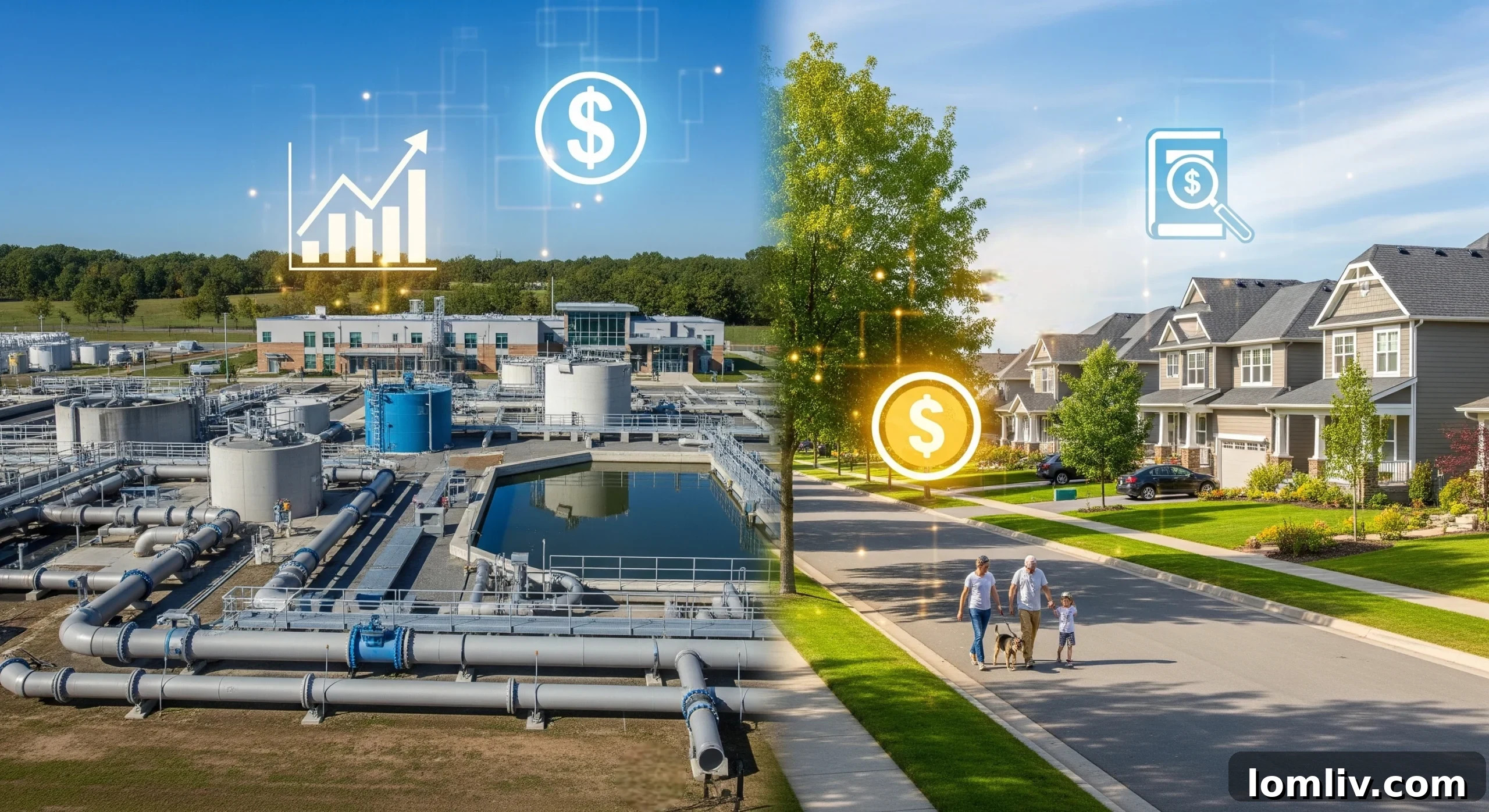
Whether you identify as a homeowner safeguarding your most significant asset, a developer planning the next thriving community, or a municipal official steering the future of your city, one fundamental truth remains abundantly clear: infrastructure is far more than just a routine monthly bill or a necessary expenditure. It is a profound, foundational investment – an investment in the stability of property values, the vitality of public health, the robustness of economic growth, and the overall well-being and quality of life within a community. Recognizing its invisible yet undeniable power is the first step toward building truly resilient and prosperous places.
By prioritizing and strategically implementing advanced infrastructure solutions, particularly through the flexible and sustainable lens of decentralized systems, communities can ensure continued growth safely, efficiently, and sustainably. This proactive approach instills confidence, assuring residents and investors alike that their valuable investments are protected and enhanced from the ground up. In a rapidly changing world, smart infrastructure isn’t just a cost; it’s the key to unlocking lasting prosperity and a higher quality of life for all.