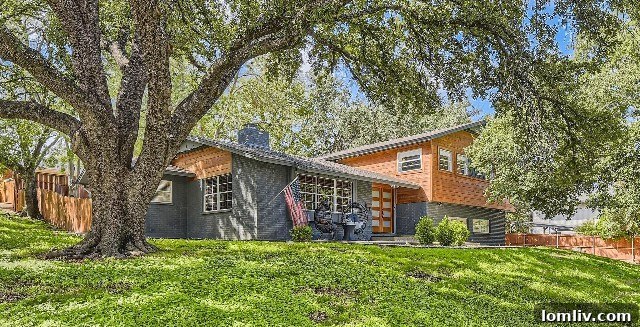
In the evolving landscape of architectural design, certain styles resurface with renewed vigor, proving their timeless appeal and adaptability. Among these, the split-level home stands out as a testament to intelligent design, offering unique advantages that continue to resonate with modern homeowners. Originating and flourishing during the mid-20th century, specifically from the 1940s to the 1960s, split-level homes drew significant inspiration from the clean lines of Midcentury Modern aesthetics and the sprawling practicality of traditional Ranch-style residences. This distinctive architectural choice gained particular prominence for its ingenious solution to a common construction challenge: building on uneven or sloped terrain. Rather than undertaking costly and extensive site work to flatten a property, a split-level design gracefully integrates with the natural undulations of the land, making it both an economical and aesthetically pleasing option.
Often recognized from classic television series like The Brady Bunch, which famously showcased a quintessential split-level residence, these homes offer a unique living experience. What many might not realize, however, is the surprising diversity within this style. Extensive research, such as that conducted for our Tarrant County Tuesday features, reveals that there are typically six distinct types of split-level homes, each presenting its own variations in layout and functionality. Understanding these different forms is key to appreciating the versatility and enduring charm of this architectural marvel, especially when considering a property in areas like Fort Worth’s Ridgmar neighborhood, where topography often dictates design.
Understanding the Split-Level Home: Architecture and Advantages
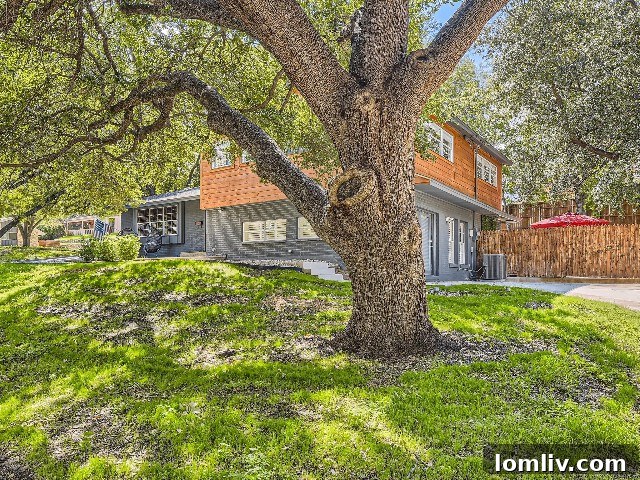
At its core, a split-level home is characterized by multiple floors, which are connected by short flights of stairs, typically comprising only three to seven steps between levels. This design fundamentally distinguishes itself from traditional two-story homes, where one complete story is stacked directly atop another, creating a more uniform vertical structure. In a classic split-level configuration, you’ll often find a single-story section seamlessly integrated with a two-story section of the home. Instead of rooms being directly above each other in a conventional stack, they are offset and interconnected across different, staggered levels. While it’s not a rigid rule, many split-level designs feature three or more distinct staircases, each leading to a different zone or section of the house, enhancing the sense of separation and privacy.
The beauty of the split-level truly shines in its ability to adapt to challenging landscapes. For properties with natural slopes, this design can be significantly more cost-effective and require less site work than attempting to level the ground for a traditional single or two-story structure. This inherent efficiency in land use is a major draw, allowing homeowners to build on diverse terrains without compromising on structural integrity or design appeal. Beyond its practical construction advantages, the split-level layout offers immense benefits for daily living, including a natural separation of living areas from private spaces like bedrooms. This distinct zoning fosters an environment of greater privacy and quiet, allowing different household activities to occur simultaneously without interference. Moreover, rooms within split-level homes are generally designed to be large and spacious, leveraging the staggered floor plan to create expansive and open living environments that feel both grand and inviting.
Exploring the Diverse Types of Split-Level Homes
While the concept of a split-level might seem singular, the architectural style encompasses several variations, each with its own defining characteristics and advantages:
- Bi-level (or Split-Entry): This is perhaps the most common type. Upon entering the home, you are immediately met with a landing and two short staircases – one leading up to the main living area (often including the kitchen, dining, and bedrooms) and another leading down to a lower level (frequently housing a family room, utility room, or additional bedrooms). The main living area is often above ground level, with the lower level partially below grade.
- Standard Split-Level (or Traditional Split): In this layout, the entry is directly into the main living area (living room, dining room, kitchen). From this central level, a short flight of stairs goes up to the bedrooms, while another short flight goes down to a family room or recreation space, often with direct access to the backyard. This creates three distinct levels: main living, sleeping, and recreational.
- Back Split: From the front, a back split home may appear to be a single-story or even a two-story residence, with all levels visible. However, from the side or back, you can clearly see that the house has multiple staggered levels. The split occurs along the back of the house, separating the front and rear sections into different elevations. This design often offers a more traditional facade while still providing the internal zoning benefits.
- Side Split: Similar to the back split, a side split also conceals its multi-level nature from the front, often appearing as a conventional one or two-story home. The split in levels is visible from the side elevations, where distinct sections of the house are built at different heights. This allows for a more cohesive street-facing appearance while creating distinct interior zones.
- Stacked Split: This less common variation features multiple, smaller levels stacked on top of each other, often creating a more compact footprint. Each level may be only slightly offset from the next, resulting in many short staircases and a multi-tiered interior.
- Multi-Level Split: This category encompasses larger, more complex split-level designs that may incorporate elements of several types. They are often custom-built to fit highly irregular or steep lots and can feature more than three distinct levels, creating a dramatic and highly functional interior landscape.
The resurgence of split-level homes in recent years highlights their appeal. Owners are increasingly recognizing that these homes provide much-needed space and additional rooms, often without consuming excessive yard space. Their distinctive design, coupled with modern renovations, allows them to stand out in today’s housing market, offering unique character and functionality that modern buyers crave.
Discovering the Ridgmar Neighborhood: A Fort Worth Gem
The charming Ridgmar neighborhood in Fort Worth is a place we have proudly highlighted on numerous occasions, and for good reason. Its rich history and distinctive character make it a highly desirable area for residents. Strategically situated just west of the vibrant Fort Worth Cultural District, Ridgmar enjoys proximity to other esteemed communities such as Monticello, Arlington Heights, and Rivercrest, placing it at the heart of some of the city’s most established and picturesque locales. While surveys mentioning the Ridgmar area date back as early as 1861, suggesting deep historical roots, the majority of homes that define its current residential landscape were constructed during the thriving post-war boom of the 1950s and 1960s. This period of development contributed significantly to the architectural diversity found here, including a notable presence of split-level and Ranch-style homes.
The neighborhood’s development was guided by thoughtful planning and specific requirements in its early days. For instance, initial regulations mandated generous 25- to 40-foot front setbacks, ensuring ample green space and a consistent street appeal. Roofs were traditionally specified to be wood shingle, a popular material at the time, until later safety considerations led to a re-evaluation due to potential fire hazards. These historical details offer a glimpse into Ridgmar’s evolution, showcasing its commitment to community standards and quality of life.
A visit to Ridgmar quickly reveals one of its most striking geographical features: its notably hilly terrain. This characteristic is precisely what made the split-level architectural style a perfect fit for many properties in the area. Far from being a drawback, the undulating landscape adds to the neighborhood’s charm and offers a unique experience for residents. If you’re an avid runner or walker seeking a challenging yet scenic route that will truly engage your calf muscles, Ridgmar undoubtedly presents an excellent choice. Beyond the physical challenge, the mature trees and well-maintained properties nestled into the hills create a tranquil and picturesque environment, fostering a strong sense of community and pride among its residents.
Spotlight Property: 6609 Genoa Road – A Modern Split-Level Marvel
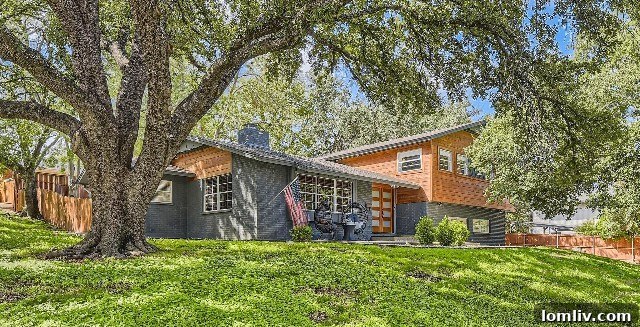
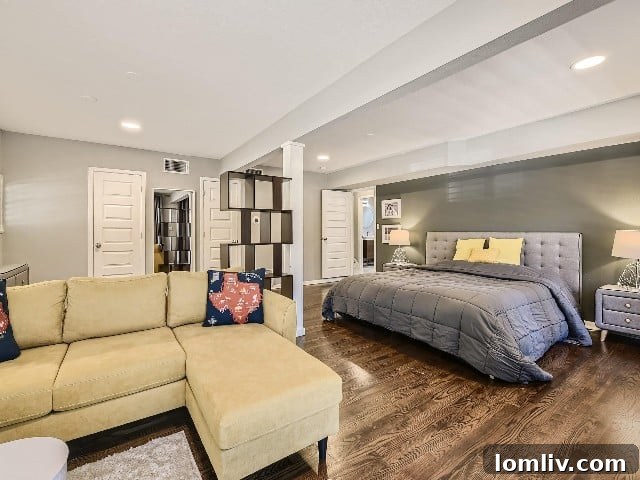
Nestled within the desirable Ridgmar neighborhood, the meticulously updated split-level home at 6609 Genoa Road represents an exceptional opportunity for discerning buyers. Constructed in 1962, this residence beautifully combines the enduring appeal of mid-century design with contemporary enhancements, making it an absolute must-see property in Fort Worth. Originally designed with a robust four to five bedrooms, this home has been thoughtfully reconfigured by its current owners to maximize comfort and functionality, demonstrating the inherent flexibility of the split-level layout.
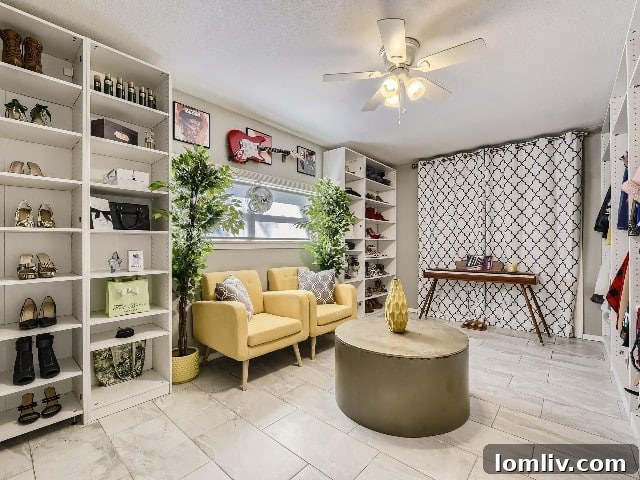
One of the most innovative modifications includes the transformation of a traditional bedroom into an absolutely fantastic, custom-designed clothes closet, offering direct, convenient access to one of the home’s primary suites. This creative use of space not only elevates the luxury of the primary retreat but also highlights the adaptability of split-level floor plans to cater to specific lifestyle needs. In fact, this residence boasts two impressive primary suites, a rarity that significantly enhances its value and appeal. This unique feature was made possible by intelligently incorporating the original garage into the home’s overall square footage, contributing to a generous total living area of 2,634 square feet. The conversion of the garage into living space is a prime example of how split-level homes can be expanded and customized to offer expansive and versatile interiors without necessarily building new additions.
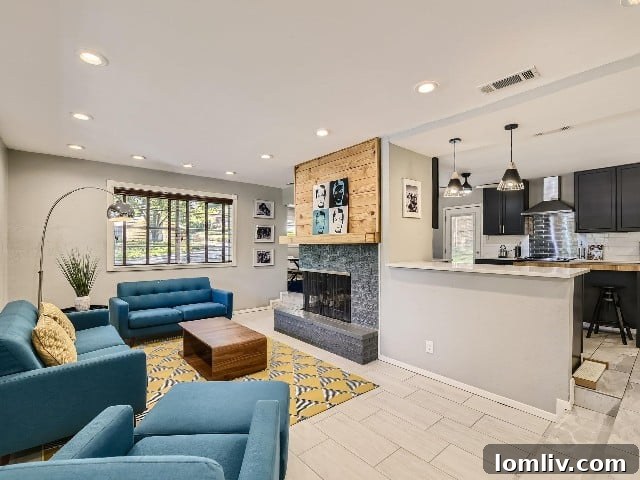
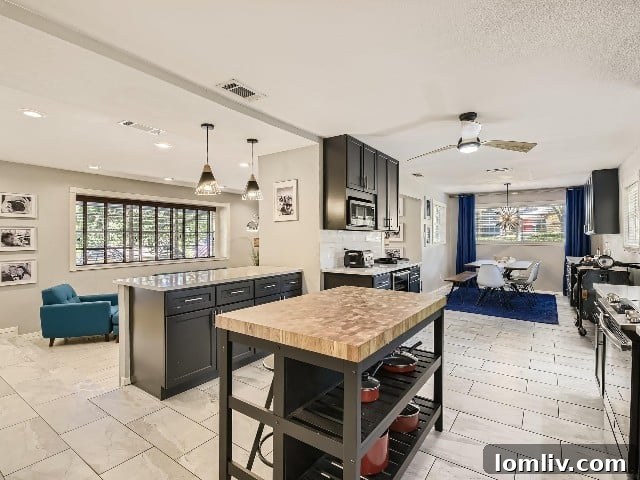
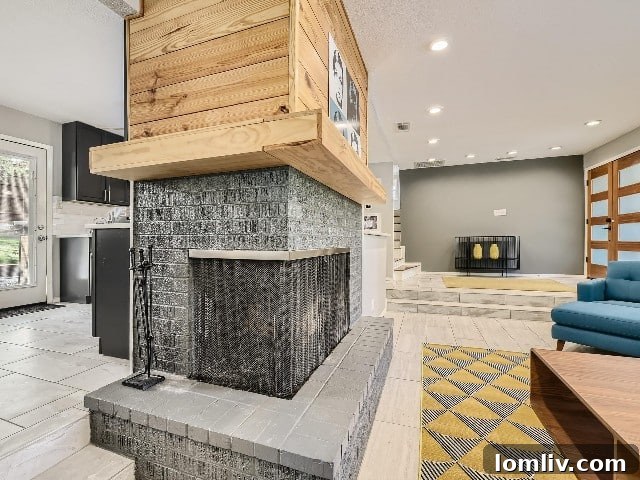
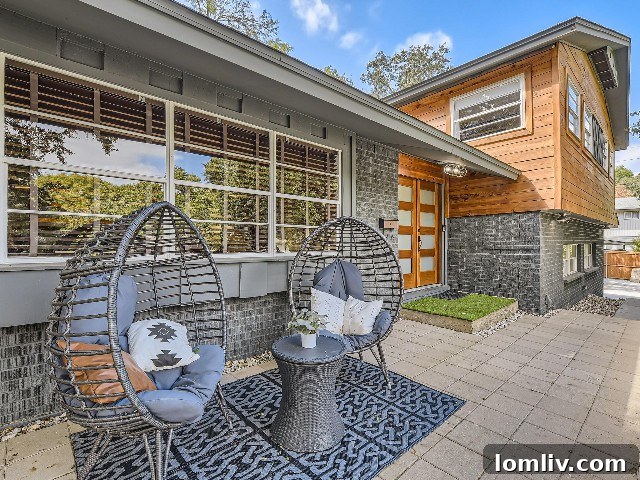
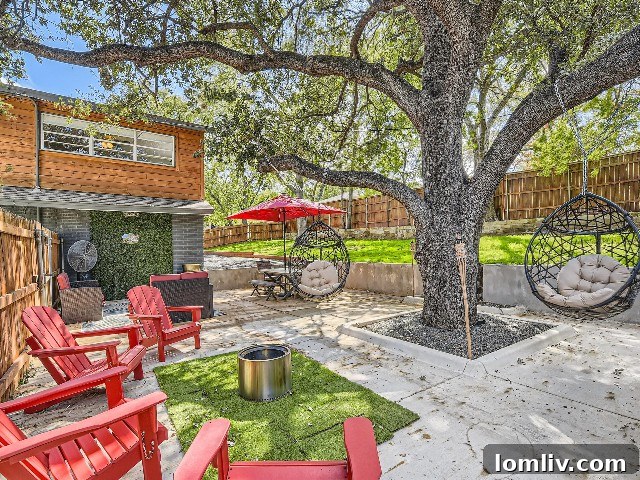
The design of 6609 Genoa Road provides an incredible degree of flexibility, allowing it to adapt to whatever your lifestyle demands. Do you envision needing two distinct living spaces for family comfort or entertaining? This home delivers. Are multiple primary suites a priority for multi-generational living or guest accommodation? It’s already configured to meet those desires. Beyond its versatile interior, the property offers wonderful outdoor amenities. The beautifully maintained front yard, typical of Ridgmar’s mature streetscapes, provides welcoming curb appeal, while the spacious backyard is thoughtfully designed as an ideal spot for entertaining guests, enjoying outdoor meals, or simply relaxing in privacy. The home’s open living area flows seamlessly into the kitchen and dining space, creating an inviting atmosphere perfect for gatherings, while the Midcentury Modern wrap-around fireplace adds a touch of classic sophistication and warmth.
This Ridgmar split-level isn’t just a house; it’s a versatile canvas for living, offering ample room, unique design, and a prime location. It perfectly encapsulates the benefits of split-level architecture – efficient space utilization, distinct zones for living, and adaptability for modern families. With its thoughtful updates and sought-after features, 6609 Genoa Road stands as a compelling opportunity for those seeking a home that combines historical charm with contemporary comfort.
Listed by Jeff Bankhead of Williams Trew Real Estate, 6609 Genoa Road in Ridgmar is currently offered at $575,000. Don’t miss the chance to explore this exceptional property.