Long-Standing North Oak Cliff Home for Homeless Veterans Caught in Dallas Zoning Dispute
For nearly a decade, a nine-unit complex in Dallas’s North Oak Cliff has quietly served as a vital sanctuary for formerly homeless veterans, offering much-needed stability and a sense of community. This essential refuge, however, now finds itself at the center of a complex zoning dispute, challenging its very existence and its right to operate within the city’s established planning regulations.
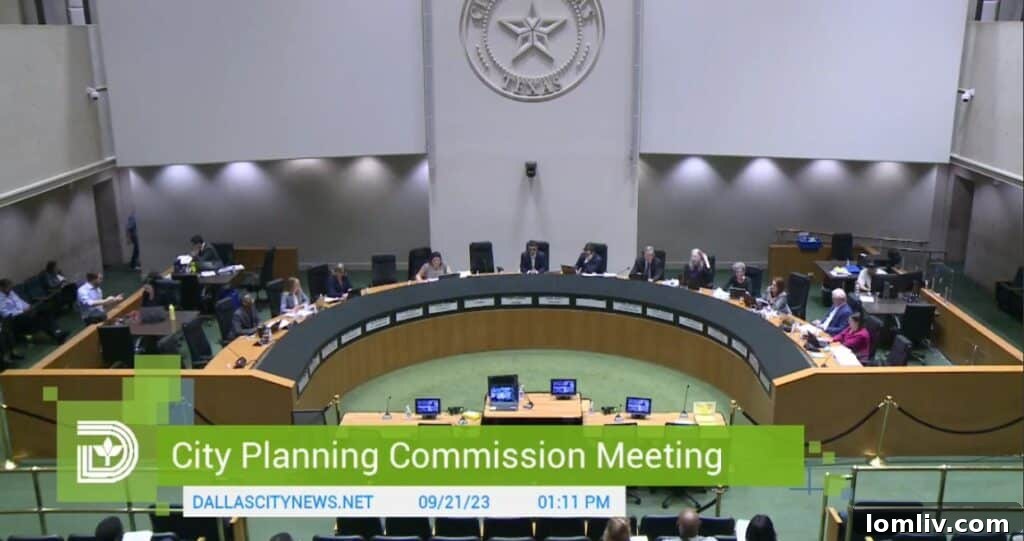
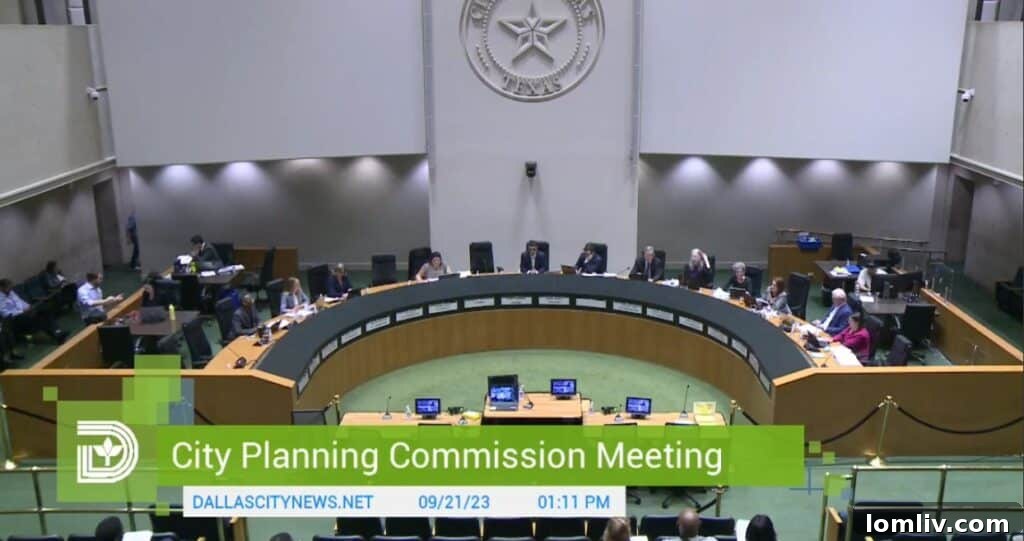
The facility, which has been providing crucial housing and supportive services for eight years, has been operating without the appropriate zoning designation for its specific use. This long-standing discrepancy recently brought the home’s dedicated operator, Phillip Mitchell, before the Dallas City Plan Commission (CPC) in a plea to find a sustainable compromise and secure the complex’s future as a haven for veterans.
A Sanctuary for Our Heroes: The Heart of the Dispute
At its core, this ongoing situation in North Oak Cliff transcends a mere zoning technicality; it’s a profound discussion about community responsibility and support for those who have bravely served our nation. The complex, meticulously managed by Phillip Mitchell, offers nine distinct dwelling units, each thoughtfully equipped with its own kitchen and private entrance. For many of its residents, primarily elderly veterans over the age of 65 – some navigating the debilitating effects of post-traumatic stress disorder (PTSD) and other service-related health challenges – this North Oak Cliff group home represents significantly more than just a roof over their heads. It is, unequivocally, a lifeline that offers dignity, stability, and a path away from the perils of street homelessness.
Mitchell presented a compelling and heartfelt argument to the commissioners, underscoring the indispensable role the home fulfills. “What we have is a place for homeless veterans over 65 who have served our country,” he explained, his voice conveying the urgency of the situation. “Most of them have [post-traumatic stress disorder],” he added, emphasizing the specialized care and understanding required. “We take care of them.” The grim prospect of eviction, he warned, would directly thrust these vulnerable individuals back into the harsh realities of homelessness, a devastating outcome he and his compassionate team are resolutely dedicated to preventing.
The profound stability and supportive environment fostered by such a facility are immeasurable for veterans as they endeavor to transition from homelessness back into civilian life. It provides a safe, structured, and empathetic setting that meticulously addresses not only their fundamental housing needs but also actively connects them to a comprehensive network of essential services, including critical healthcare, vital mental health support, and robust community integration programs. The loss of such an invaluable resource would not only create an immediate and irreparable void but would also acutely exacerbate the already dire and persistent challenge of veteran homelessness prevalent across Dallas and other major metropolitan areas.
The Zoning Challenge and Community Sensitivities in North Oak Cliff
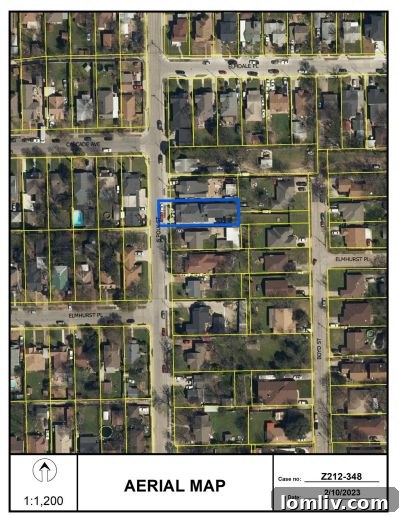
The current predicament for the veteran’s home originated when the Dallas Code Enforcement department officially identified the complex as non-compliant with the city’s existing zoning regulations. In a proactive and responsible effort to rectify this, Phillip Mitchell promptly applied for a zoning change, seeking to reclassify the property to “multifamily.” This classification, he reasoned, would formally legitimize the home’s long-standing and beneficial operation within the city’s legal framework. The property itself enjoys a strategic location on the east side of South Polk Street, carefully nestled between Cascade Avenue and Elmhurst Place, and is predominantly surrounded by established single-family neighborhoods. This area falls specifically between the vibrant Polk/Vernon and the Elmwood neighborhoods, a geographical context that significantly shapes and defines the diverse reactions from the local community.
Community feedback regarding the property has been notably mixed, serving as a clear reflection of the common, inherent tension between the collective desire to support essential social services and the understandable imperative to preserve the unique character and aesthetic of existing neighborhoods. Commissioner Amanda Popken, who serves as the representative for this specific area, openly acknowledged this inherent complexity. She pointed out that while a segment of the neighbors commend the veterans as “excellent neighbors,” others have articulated significant and legitimate concerns. These anxieties frequently revolve around the critical importance of maintaining the established low-density, single-family residential aesthetic of the surrounding area, with a particularly pronounced sensitivity to any proposed increases in building height or overall residential density.
Popken extensively referenced the “West Oak Cliff Area Plan” (WOCAP), a pivotal and guiding local planning document, asserting, “In [WOCAP] we heard loud and clear that we want to support small mom-and-pop local businesses that are serving locals. This is an example of a good operator providing a necessary service that fits into this particular location.” However, she simultaneously highlighted a crucial caveat: “through our WOCAP process, we found that the neighbors are really sensitive to adding any height and density in terms of [multifamily] zoning in the neighborhoods.” This delicate and often precarious balance underscores the profound challenge confronting urban planners: how to effectively accommodate crucial and often indispensable community services without inadvertently alienating or undermining the interests of existing residents. It’s a testament to the complexities of modern urban development where social needs meet established community norms.
Dallas City Plan Commission: A Nuanced and Divided Vote
The Dallas City Plan Commission’s extensive deliberation on the North Oak Cliff veteran group home was characterized by a palpable sense of gravity and distinctly divided opinions among its members, accurately reflecting the multifaceted and often conflicting nature of the issue at hand. City Hall staff had, prior to the commission meeting, formally recommended denial of the proposed exception, effectively setting the stage for a tense and closely watched vote. Ultimately, following passionate debate, the CPC voted 9-3 to approve a zoning change, moving the property to a multifamily classification. Crucially, this approval was contingent upon the inclusion of specific and binding deed restrictions. These carefully crafted restrictions stipulate that the property’s maximum height cannot exceed 30 feet and, significantly, that it must perpetually continue to operate as a group home specifically for veterans. These stipulations were designed to directly address and mitigate some of the community’s most pressing concerns regarding uncontrolled development and potential changes to neighborhood character.

Compelling Arguments for the Zoning Change
A significant number of commissioners articulated strong and unwavering support for the proposed zoning change, consistently emphasizing both the humanitarian imperative and the practical necessity of maintaining the veteran home. Commissioner Melissa Kingston, while acknowledging the procedural irregularity of retroactively approving an existing non-compliant use, firmly stated, “As an existing use and knowing the history of the development of this community … I have a hard time shutting down a business that is addressing a very critical need in our community. We do have a housing crisis.” Her powerful sentiment was resonated by Commissioner Darrell Herbert, who eloquently lauded the invaluable contributions of veterans to society: “They hold wisdom, they hold knowledge, that is key to the future of our city.”
Commissioner Popken further elaborated on the rationale underpinning her support for the operator, despite the initial lapse in compliance. “I want to be clear that we’re not in the business of approving illegal uses after the fact,” she asserted, then carefully clarified her position: “We’re in the business of helping neighbors get into compliance and stay in operation.” This nuanced approach highlighted a critical balance: recognizing the initial procedural misstep while simultaneously prioritizing the undeniable value of the vital service provided and offering a pragmatic pathway toward regularization and sustained operation.
A pivotal argument powerfully bolstering the case for the home’s continued operation is its strategic proximity to essential veteran services. Kingston pointed out, with conviction, “This is a good location for it. It’s much closer to the [Veterans Administration] than other places.” The inherent advantage of easy and direct access to the Veterans Administration facilities situated on South Polk Street cannot be overstated, as it provides veterans with crucial medical care, essential benefits assistance, and vital supportive programs without the burden of extensive and often difficult travel, thereby significantly enhancing their quality of life and access to care.
Concerns and Arguments Against the Zoning Change
Notwithstanding the compelling humanitarian arguments presented, a minority of commissioners felt ethically bound by their explicit duties to rigorously uphold established zoning laws and diligently protect the integrity and character of the surrounding neighborhood. Commissioners Tipton Housewright, Michael Jung, and Deborah Carpenter ultimately cast their votes against the proposal. Commissioner Housewright articulated significant concerns regarding the long-term implications of such a change, stating, “It seems to me we’re opening ourselves up to another operator unforeseen in the future that would not do the job that our current applicant is doing.” He voiced a genuine apprehension that the zoning change, which fundamentally “runs with the land, not with the business,” could potentially lead to less responsible or less compassionate management in the future, thereby posing an unwarranted and unacceptable risk to the established neighborhood fabric.

Commissioner Jung further elaborated on his principled objections, specifically highlighting the potential for misuse of the property and an undesirable alteration of the neighborhood’s character within a predominantly single-family residential area. “Group residential facility is essentially a single-room occupancy type of use, colloquially called a flophouse, that I regard as inappropriate for this single-family neighborhood,” he asserted with conviction. He also prominently noted the express opposition to this request from immediate property owners to the north, as well as from two property owners located further south on Polk Street, thereby reinforcing the legitimate concern that such a facility, even with the proposed deed restrictions, could fundamentally and irrevocably alter the cherished residential environment. While a smaller dwelling, such as a duplex or a fourplex, might be considered differently in terms of scale and impact, a “nine-plex” raised significant questions and valid concerns about critical issues such as adequate parking, appropriate landscaping, and the overall density impact on the surrounding low-density neighborhood.
The robust opposition expressed by these commissioners vividly underscores a broader and persistent challenge in modern urban planning: the delicate and often difficult task of balancing the acute, urgent need for diverse and affordable housing solutions with the entirely legitimate desire of existing residents to diligently preserve their neighborhood’s character, aesthetic appeal, and property values. This intense debate eloquently illustrates the inherent tension between individual property rights, the collective well-being of a community, and the societal responsibility to adequately house and compassionately care for all its members, especially those who have made profound sacrifices for the nation.
The Broader Context: Veteran Homelessness and Dallas’s Affordable Housing Crisis
The unfolding controversy surrounding the North Oak Cliff group home is not an isolated incident but rather a telling microcosm of much larger, pervasive societal issues: the enduring challenge of veteran homelessness and the deeply entrenched affordable housing crisis that grips Dallas and many other major urban centers across the United States. Veterans, despite their honorable service and profound sacrifices, frequently encounter a unique and formidable array of challenges upon their return to civilian life. These challenges often include significant difficulties with sustainable employment, complex mental and physical health issues, and a stark lack of robust social support networks. These compounding factors, regrettably, can often culminate in severe housing instability, rendering dedicated facilities like Phillip Mitchell’s establishment not merely beneficial, but absolutely essential to the fabric of society.
Dallas, mirroring the struggles of numerous major U.S. cities, grapples with an acute and persistent shortage of genuinely affordable housing options. Commissioner Kingston’s poignant and candid statement, “We chase our tails around here trying to eke out a little bit of affordable housing … hoping one day we’ll catch the 80,000 affordable units we need,” vividly and starkly illustrates the sheer magnitude and overwhelming scale of this systemic problem. Within such a challenging and constrained housing environment, an existing, fully functional, and well-managed facility that consistently provides stable housing for a vulnerable population like elderly homeless veterans is not merely a convenience; it represents an absolutely critical and indispensable piece of the urban social safety net, providing a bulwark against the tide of destitution.
The powerful argument that “all these types of institutional uses that are necessary for our society to exist … have to go somewhere” and the impassioned plea, “We cannot continue to say, ‘But not in my neighborhood,'” unmistakably highlight the pervasive “Not In My Backyard” (NIMBY) phenomenon. While this stance can be understandable from an individual property owner’s perspective, it often, and unfortunately, significantly stymies collective efforts to provide essential social services, invariably pushing them to the fringes of urban areas or entirely preventing their establishment. Finding truly equitable and sustainable solutions necessitates that communities collectively embrace and bear some shared responsibility for adequately housing and compassionately caring for all their members, with particular emphasis on those who have made profound and lasting sacrifices for the nation.
Navigating the Path Forward: The Dallas City Council’s Crucial Decision
With the Dallas City Plan Commission’s approval, albeit thoughtfully conditioned with specific deed restrictions, the ultimate fate of the North Oak Cliff veteran group home now squarely rests in the hands of the Dallas City Council. This forthcoming and pivotal stage will inevitably involve further rigorous scrutiny, extensive public hearings that invite community input, and ultimately, a definitive final vote that will determine whether the veterans currently residing there can continue to call it their stable and secure home. Following a potential approval from the City Council, the complex will still be required to meticulously navigate a comprehensive and often intricate permitting process to ensure its full and complete compliance with all applicable city codes, regulations, and safety standards.
The impending decision by the Dallas City Council is poised to be a landmark moment in the city’s urban planning and social policy, potentially setting a significant precedent for how Dallas intends to judiciously balance its established zoning ordinances with the pressing and undeniable social needs of its most vulnerable citizens. It will serve as a profound test of the city’s unwavering commitment to identifying and implementing compassionate, pragmatic, and sustainable solutions for its pervasive housing challenges, particularly for its revered and deserving veteran population.
Conclusion: A Call for Compassionate and Responsible Urban Planning
The ongoing and complex saga of the North Oak Cliff veteran group home stands as a potent and enduring reminder of the intricate interplay between thoughtful urban planning, deeply held community sentiment, and urgent humanitarian imperatives. Phillip Mitchell’s dedicated and tireless efforts to provide a stable, dignified, and supportive environment for formerly homeless veterans profoundly underscore a critical and fundamental community need that cannot be ignored. The distinctly divided opinions and passionate arguments voiced within the Dallas City Plan Commission accurately reflect the inherent and often formidable difficulties in reconciling rigid legal frameworks with our broader societal and moral responsibilities to those who have served.
As this significant matter meticulously proceeds to the esteemed Dallas City Council, the city is presented with a unique and invaluable opportunity to champion a balanced, empathetic, and forward-thinking approach: one that not only diligently upholds essential regulatory standards but also powerfully demonstrates profound empathy and unwavering support for its citizens who have honorably served. Ensuring that our veterans, who have sacrificed so much, have access to safe, permanent, and supportive housing is not merely a policy goal; it is, at its very core, a moral and ethical obligation that every community should embrace. The eventual resolution of this compelling case will undoubtedly shape future critical discussions on affordable housing, essential social services, and what it truly signifies to foster a genuinely supportive and inclusive community in Dallas for all its residents.