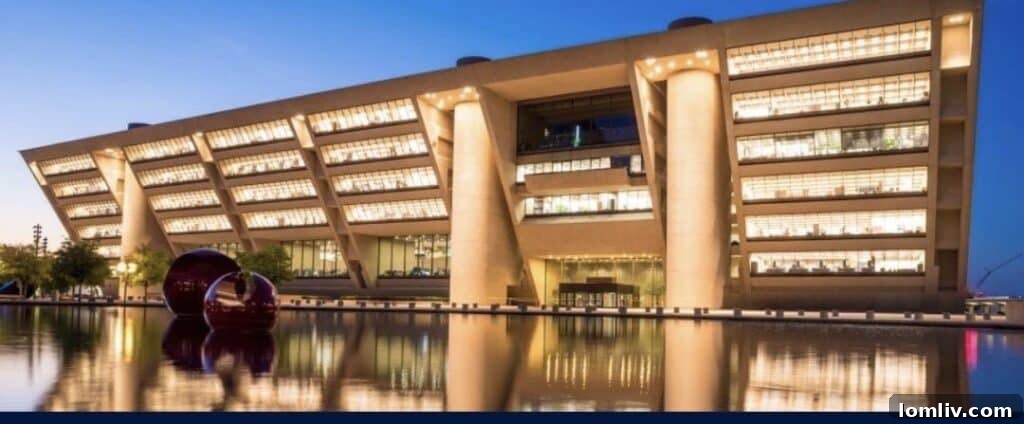
Dallas, TX – In a critical assembly for the city’s financial future, the Dallas City Council recently made pivotal decisions regarding its substantial $4.51 billion budget. While the final adoption of this comprehensive spending plan was deferred, council members successfully approved several key amendments. These significant allocations included a dedicated fund to address persistent code violations within some of Dallas’s most dilapidated apartment complexes, signaling a renewed commitment to urban revitalization and community safety.
Initially, discussions around the proposed tax rate reductions drew varied interpretations. Reports had suggested Council Member Tennell Atkins was disinclined to reduce the city tax rate beyond the initially proposed 3-cent decrease. However, subsequent clarifications from a fellow council member revised this understanding, underscoring the fluid and often complex nature of legislative negotiations. These ongoing dialogues are crucial, as the budget and tax rate determinations will profoundly impact every Dallas resident, influencing everything from property values to the quality of essential municipal services as the city prepares to enter its new fiscal year.

Dallas’s Financial Blueprint: Navigating Budget Adoption and Property Tax Rates
The recent budget hearing saw the Dallas City Council defer the final adoption of the city’s robust $4.51 billion budget and a crucial decision on the property tax rate. The proposed rate of 74.58 cents per $100 assessed valuation, as recommended by City Manager T.C. Broadnax, will now be revisited on September 28. Broadnax clarified that this deferral was a procedural necessity, as both the budget and the tax rate had not been properly advertised for public review, requiring an additional public hearing. This adherence to protocol is fundamental, ensuring transparency and providing all Dallas residents ample opportunity to engage with and understand the financial framework that governs their city.
Understanding the implications of the property tax rate is vital for every homeowner and business in Dallas. A rate of 74.58 cents per $100 assessed valuation means that for every $100 of a property’s taxable value, the owner will contribute 74.58 cents to the city’s coffers. For instance, a home assessed at $350,000 would incur an annual city property tax of approximately $2,610.30. These tax revenues are the lifeblood of Dallas, funding a myriad of critical city services, including the police and fire departments, maintenance of streets and public parks, waste management, and various community development programs. The balance between offering tax relief and ensuring robust public services is a constant challenge for city leaders.
The property tax rate debate was a central focus during Wednesday’s budget hearing. District 12 Councilwoman Cara Mendelsohn, with support from District 9 Councilwoman Paula Blackmon, advocated for a more aggressive 3-cent tax decrease from the previous year’s rate, surpassing the 2.75-cent reduction proposed by the City Manager. Their motion aimed to provide greater financial respite for Dallas taxpayers, particularly in an environment of rising costs of living. However, after extensive deliberations concerning the potential ripple effects on various city programs and service levels, Mendelsohn’s motion to adjust the proposed tax rate did not pass. This outcome underscored the council’s commitment to maintaining a stable financial foundation necessary for the continuity and enhancement of essential city operations, even while acknowledging the desire for tax relief.
District 8 Councilman Tennell Atkins expressed a strong conviction against lowering the tax rate beyond the suggested 2.75 cents. He lauded the current budget, stating, “I feel like this budget is a great budget. I think the city manager did a wonderful job. If we go lower, it’s going to jeopardize some equity and quality of life concerns. We are lowering the tax rate in the City of Dallas. We’re doing a marvelous job in the City of Dallas.” Atkins’s remarks highlight a critical perspective: that a deeper tax cut could potentially undermine the city’s capacity to invest in initiatives that foster equity and improve the overall quality of life for its diverse population. These investments are crucial for sustaining growth, supporting vulnerable communities, and maintaining the city’s appeal. The 2023 fiscal year officially commences on October 1st, a date that will mark the implementation of these significant financial decisions and their tangible impact on the urban landscape of Dallas.
Transforming Neighborhoods: The Strategic Impact of Amendment 10
Among the most impactful changes ratified during the recent budget deliberations was Amendment 10, a crucial initiative championed by District 10 Councilman Adam McGough. This amendment addresses a critical challenge facing many Dallas neighborhoods: the direct correlation between neglected multi-family housing complexes, pervasive code violations, and an elevated incidence of violent crime. It represents a proactive step towards enhancing public safety and improving the living conditions for residents in affected areas.

The proposal orchestrates a strategic reallocation of city funds, diverting $866,100 from the city’s pension stabilization fund. These funds are not being cut from vital services but are instead being repurposed to finance the recruitment of ten additional code enforcement officers. These dedicated officers will be integral to the Multi-Family Violent Crime Reduction Plan, operating in close collaboration with the Dallas Police Department (DPD). This integrated approach is designed to tackle the root causes of crime by addressing the physical decay and lack of safety measures that often characterize high-crime multi-family communities. The synergy between law enforcement and code enforcement is crucial for creating sustainable improvements.
During a compelling September 7 budget hearing, Councilman McGough articulated the profound rationale behind Amendment 10. He highlighted the essential partnership between robust code enforcement and effective community prosecution. “When we were talking earlier about community prosecution and we were talking about the needs to make community prosecution more effective, y’all were speaking my love language,” McGough conveyed, emphasizing his long-standing belief in the power of such collaborative programs. He elaborated, “That is where I learned how this city works, through that program. The way it works best is through the code officers, and in some cases, the police officers that are working with the city attorneys and the community prosecutors. Adding community prosecutors without adding code officers is an error. It leaves a vacuum of need.” His remarks underscore the necessity of a holistic approach, where code enforcement officers actively address physical blight and safety hazards, thereby reducing opportunities for crime and supporting the broader objectives of law enforcement and legal efforts.
The city’s comprehensive Violent Crime Reduction Plan has consistently identified multi-family communities as areas of highest need. These residential complexes often grapple with a confluence of challenges, including structural disrepair, inadequate lighting, insufficient security measures, and unresponsive property management, all of which can contribute to environments where crime flourishes. Dilapidated buildings and neglected common areas not only undermine residents’ quality of life but also foster a sense of insecurity. By deploying additional, dedicated code enforcement officers, the city aims to systematically address these issues, thereby transforming unsafe and deteriorating apartment complexes into secure and habitable homes.
McGough further validated this integrated strategy by referencing successful outcomes achieved by the Office of Integrated Public Safety. He proudly noted instances where collaborative efforts on specific “grid areas” with DPD and code enforcement had yielded “drastic improvements,” even leading to one of the “highest-crime properties out of the grid system.” This demonstrable success is a powerful indicator that the city has identified a working model. “The answer is we need to do more of that. We know what works,” McGough asserted. While the initial budget had proposed two new positions for this crucial work, McGough argued that this number was insufficient to achieve city-wide impact. “That doesn’t get to touch the majority of our city. That’s only really focusing on two apartment complexes. The additional 10 officers allow it to focus on apartments that are across our entire city.” This significant expansion of resources reflects the Dallas City Council’s unwavering commitment to replicate proven crime reduction strategies across a broader spectrum of multi-family communities, ultimately fostering safer and more livable environments for a greater number of Dallas residents.
A Delicate Balance: Affordable Housing and Code Enforcement Challenges
While the goal of improving living standards and reducing crime through augmented code enforcement is widely supported across Dallas, District 7 Councilman Adam Bazaldua raised a critical concern regarding Amendment 10. He articulated apprehension that an overly stringent or “too aggressive” approach to code compliance in some of the city’s low-income properties could inadvertently lead to resident displacement. This is a legitimate concern, as property improvements resulting from enforcement actions can sometimes lead to increased rents or even the temporary relocation of tenants, placing a significant burden on residents with limited financial resources and potentially necessitating additional city housing support.
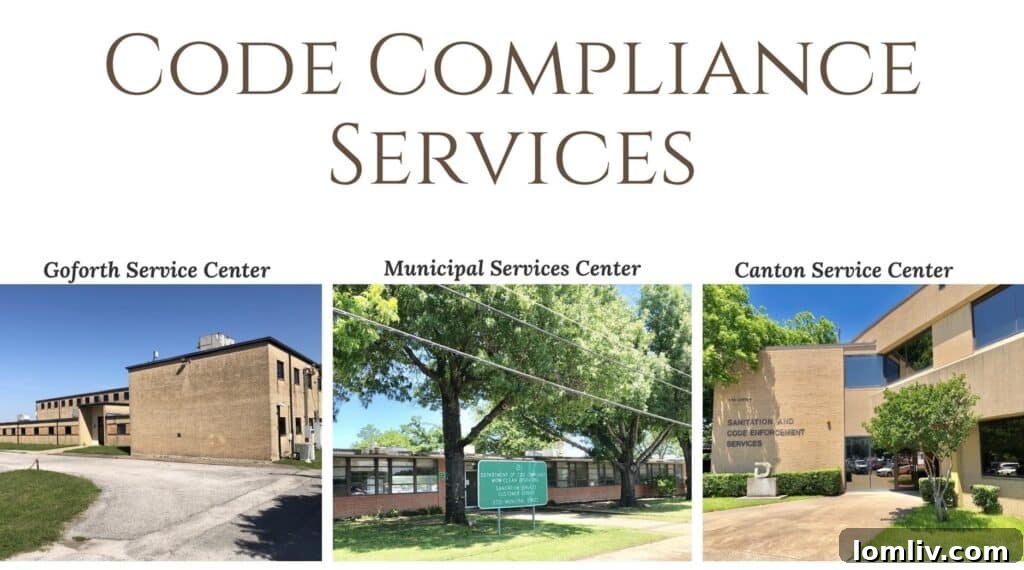
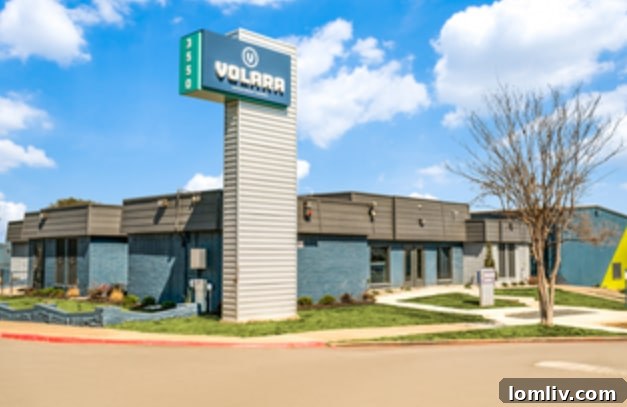
In response to these vital considerations, a city official representing Code Compliance offered reassurance, affirming that their officers have not observed widespread displacement as a direct consequence of their enforcement activities. The official specifically cited the successful intervention at the Volara housing complex, located at 3550 East Overton Road, as an example where improvements were made without significant displacement. The department’s primary strategy, the official explained, is built upon collaborative engagement: “Our first goal when we arrive on a property is a connection with property management and ownership to spell out why we’re here and what we are trying to improve.” This approach prioritizes communication and cooperation to achieve compliance and necessary upgrades, rather than immediate punitive measures that could destabilize residents.
Furthermore, the official emphasized a core tenet of their efforts: “One of our stated goals will be that we want affordable living to remain affordable, even though we’re raising the quality of life and safety of these properties.” This statement reflects the city’s conscious effort to navigate the complex interplay between property improvement and housing affordability. Should improvements lead to rent increases or other circumstances that threaten residents’ ability to remain in their homes, the city is committed to providing comprehensive support. “If rents and things go up, we certainly work with advocates, our housing department, Office of Community Care, and others to make sure we can find alternative housing arrangements for anyone that’s displaced on any property we work,” the official affirmed. This robust, multi-agency support system is designed to minimize displacement and ensure that revitalization efforts genuinely benefit, rather than harm, the city’s most vulnerable populations, reinforcing Dallas’s commitment to inclusive urban development.
The strategic decision to hire ten additional code compliance officers marks a significant expansion of an initiative that was previously concentrated mainly within District 4. With this boost in personnel, the focused effort to remediate dangerous and dilapidated apartment complexes, along with addressing persistent crime and safety concerns in multi-family developments, can now extend its vital reach across the entire city of Dallas. This city-wide deployment is expected to foster a more equitable distribution of safety and quality-of-life improvements, ensuring that all Dallas residents, irrespective of their neighborhood, can benefit from safer, healthier, and more secure living environments. This proactive measure underscores the city’s dedication to creating sustainable and thriving communities for all its inhabitants.
Holistic Approach to Urban Development: Broader Housing and Revitalization Initiatives
Beyond the critical discussions surrounding code enforcement and property taxes, the Dallas City Council further solidified its commitment to comprehensive community development through the approval of two additional, impactful amendments. In conjunction with Amendment 10, council members also ratified Amendment 11, which allocates an additional $100,000 to the Housing and Neighborhood Revitalization’s Minor Repair Program. This program is instrumental in providing financial assistance to low-income homeowners for crucial property repairs, thereby preventing further deterioration of homes, enhancing residential safety, and preserving the existing stock of affordable housing within established neighborhoods. By investing in these vital repairs, the city supports residents in maintaining their homes, which in turn helps stabilize communities and proactively addresses issues before they escalate into more significant and costly problems.
Furthermore, Amendment 12 received full approval, authorizing a substantial allocation of up to $3 million. This significant funding is specifically designated for securing master leasing agreements or similar arrangements, with the primary objective of creating homeless-supportive housing units. Championed by Mayor Eric Johnson, this program represents a strategic and empathetic response to Dallas’s ongoing homelessness crisis. Master leasing involves the city or a designated non-profit leasing multiple residential units directly from property owners, and then subleasing them to individuals experiencing homelessness. Crucially, these housing solutions are often integrated with essential supportive services, including case management, mental health support, substance abuse treatment, and job placement assistance. This innovative approach aims to significantly reduce the gap in truly affordable housing options for Dallas’s most vulnerable residents, providing not just a roof over their heads, but a stable foundation and the necessary resources to rebuild their lives. These combined amendments reflect a multifaceted and forward-thinking strategy by the Dallas City Council to enhance living conditions, bolster community safety, and provide vital housing stability across all demographic segments of the city.
For Dallas residents and all interested stakeholders who wish to delve deeper into the intricate details of the city’s financial blueprint, a comprehensive 768-page budget document is readily available for public access and review. Citizens can easily download a full copy of the detailed budget directly from the official city website. This unwavering commitment to financial transparency ensures that all residents are fully informed about how their hard-earned tax dollars are allocated and strategically utilized to shape the promising future of Dallas, thereby upholding the democratic principles that underpin effective local governance.