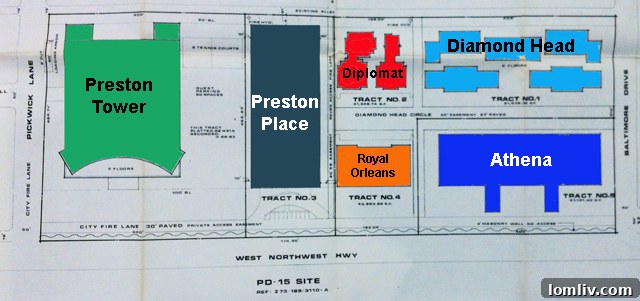
The urban landscape of Dallas is in constant flux, a vibrant tapestry woven from ambitious development projects and community aspirations. At the heart of current discussions, and indeed, a pivotal point in the highly contested District 13 city council race, lies the future of PD-15. Specifically, plans for the Pink Wall and Saint Michael and All Angels’ proposed Frederick Square development have emerged as the central battleground, overshadowing other local issues like the ongoing debates surrounding the Preston Center garage. These proposed projects are not merely architectural endeavors; they represent a fundamental reshaping of a cherished Dallas neighborhood, sparking impassioned discourse among residents, developers, and city officials alike.
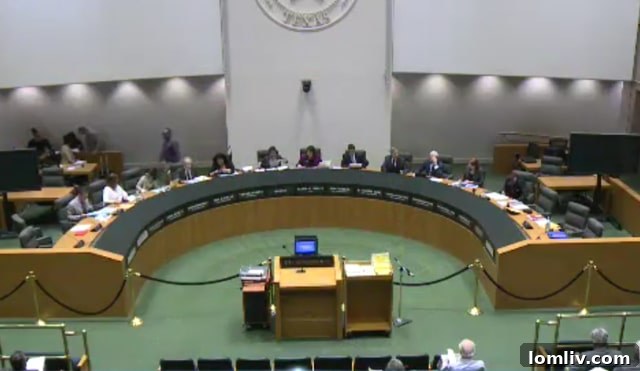
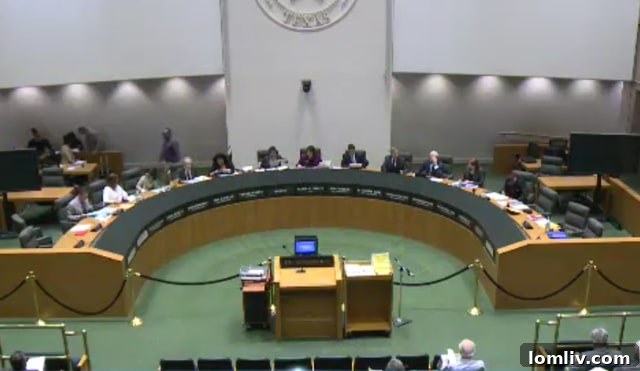
For two years, the fate of PD-15 has been deliberated in a series of often-contentious meetings, passing through various committees without reaching a definitive resolution. Now, the city’s long-awaited recommendation for PD-15 is poised to go before the City Plan Commission on April 18. This critical juncture has galvanized both proponents and opponents of the development, with local towers arranging buses to transport protestors to City Hall, urging them to “Please bring a sack lunch.” The stakes are incredibly high, and the upcoming vote could set a precedent for future urban planning in Dallas. Understanding the potential outcomes of this crucial commission meeting is essential for anyone invested in the future of our city’s development and the integrity of its neighborhoods.
The Critical Juncture: Possible Outcomes for PD-15
The City Plan Commission meeting on April 18 holds significant weight, with several distinct paths the PD-15 proposal could take. Each outcome carries its own set of implications for the development, the community, and the broader political landscape of Dallas.
Pass With No Changes: A Swift, Yet Unlikely Approval
One potential, albeit improbable, scenario is that the City Plan Commission accepts the staff-recommended rewrite of PD-15 at face value, without any additional amendments or modifications. Should this occur, the unamended plan could theoretically be presented to and approved by the Dallas City Council in May, prior to the newly elected council members taking their seats. This swift passage would circumvent further debate and solidify the current proposal. However, I believe such an outcome is highly unlikely. Experience in municipal planning, particularly with projects of this complexity and public interest, suggests that proposals rarely emerge from commission review entirely unscathed. There are simply too many stakeholders, too many intricate details, and too much collective expertise involved for a plan of this magnitude to escape some degree of scrutiny and refinement. My own observations, particularly regarding crucial aspects such as setbacks and traffic mitigation, further underscore the need for meticulous review and potential adjustments.
Pass With Changes: The Most Probable Path Forward
If the PD-15 proposal moves forward, this is by far the most likely scenario: a passage with significant amendments. As mentioned, those intimately involved in urban planning processes tend to meticulously review and often “tinker” with proposals. Commissioners, drawing on their experience and the insights gained from public input, frequently identify areas where intelligent reworking can enhance a plan. At the March City Plan Commission briefing, while commissioners’ questions didn’t coalesce around one specific proposed change, they highlighted a broad range of concerns. The exact nature of these potential changes remains speculative. Will the modifications primarily address building setbacks, ensuring adequate distance from existing structures and preserving light and air? Will they focus on building height, perhaps introducing tiered designs or capping maximum elevations to maintain neighborhood character? Or will the debate center on density, balancing the need for growth with concerns about infrastructure strain and open space? It’s also possible that changes could encompass other critical aspects like green space allocation, pedestrian accessibility, parking provisions, or even architectural design guidelines. The delicate balance required to satisfy varied interests means that any successful passage will almost certainly involve thoughtful adjustments. Should it pass, even with amendments, the modified plan would then likely proceed to the Dallas City Council for a final vote in May, just before the new council takes office.
Fail: A Significant Setback, Not a Definitive End
A more challenging, though not impossible, outcome would be for the Plan Commissioners to vote against supporting the staff-recommended changes, and indeed, against any proposed amendments to PD-15. This would signify that a majority of commissioners do not believe the plan, in any of its presented forms, is suitable to move forward. Such a decision would undoubtedly be a crippling blow to the current proposal, potentially delaying the project significantly. However, a “failed” plan at the commission level is not necessarily a death knell. It could still be presented to the Dallas City Council in May, but its passage there would require a supermajority vote. Clearing such a high bar is exceptionally difficult, demanding a broad consensus that is often hard to achieve in highly debated matters. This outcome would signal a strong dissent from the planning experts and would certainly complicate the political maneuvering required for the project’s eventual approval.
Held Under Advisement: Postponement for Further Deliberation
Plan commissioners also have the option to vote to hold the plan for further changes or consideration. This scenario typically arises when proposed amendments require more in-depth research, analysis, or detailed work to be fully fleshed out. The plan would then be postponed until this additional work is completed, allowing for a more thorough review. Alternatively, a hold might be initiated if the City Plan Commission believes that warring stakeholders, given more time, could potentially reach a consensus. However, in the case of PD-15, holding the plan over to encourage consensus would likely be a fool’s errand. Anyone who has closely followed the two-year “circus” surrounding this development understands that the differing factions are deeply entrenched, and the prospect of a spontaneous agreement emerging with more time is exceedingly remote. A decision to hold the case would inevitably mean it would be taken up by the newly elected city council and their appointed plan commissioners. While this could introduce fresh perspectives, it also adds a considerable layer of uncertainty to the entire equation, potentially delaying the project for an indefinite period and requiring stakeholders to re-engage with a new set of decision-makers.
Lift The Cap: A Radical Alternative for Resolving the Stalemate
Throughout the extensive debate surrounding PD-15, a recurring argument from those opposing the proposed development has been that the “Authorized Hearing” process should never have been invoked. They contend that developers, much like in typical zoning requests, should have been required to present their plans directly to commissioners and the city council for individual review. The city attorney’s office, conversely, maintains that because the planned development district has a strict cap of 660 total units, any proposal exceeding this (meaning the addition of more than the approximately 65 surplus units currently allowed) necessitates either unanimous support from all landowners within the PD or an authorized hearing. This hard cap of 660 units creates a shared and interconnected resource, a highly unusual circumstance within typical zoning regulations. The roots of this peculiar situation trace back to the PD’s inception, when the entire district was under single ownership. As parcels were sold and apartments transitioned into condos, ownership became fractured, yet the PD’s regulations remained written as if a single entity still controlled the entire area. The past two years have vividly demonstrated that achieving agreement among the disparate owners within the PD and the larger neighborhood is virtually impossible, highlighting the critical need for a neutral arbiter – the city – to guide the process.
Considering this intractable stalemate, one wonders if, as a last resort, those opposed to the current development proposals and the city’s draft PD-15 recommendations might consider supporting a straightforward lifting of the density cap. This radical alternative would effectively achieve their stated goal: developers would be compelled to file individual zoning cases directly with the city, just like any other property owner. For those advocating for redevelopment and seeking to modernize the area, such a move would shatter the long-standing logjam created by the cap, unlocking potential for growth and reinvestment. The primary drawback, however, would fall upon residents. Instead of the “one-and-done” approach of a comprehensive, rewritten PD, they would find themselves in a position of having to meticulously monitor and engage with countless individual redevelopment zoning cases for years to come. This shift from a holistic, district-wide plan to a piecemeal, micro-managed approach presents both opportunities and challenges for the future of the Pink Wall area.
A Blunt Message to Plan Commissioners: Envisioning Dallas’s Future
Speaking of years, I implore the commissioners to elevate their perspective beyond immediate concerns and consider the long-term trajectory of Dallas and, specifically, the Pink Wall area. The demographic profile of the current area residents is heavily weighted towards an older population, many of whom are unfortunately more likely to see a tombstone before the cornerstone of a new building is laid. How many residents of Preston Place, for instance, have passed away in the two years since the devastating fire that brought this discussion to the forefront? How many more across the broader PD-15 area have we lost during this period of protracted debate? While the opinions and sentiments of current neighborhood residents are undeniably important and must be respected, it is equally imperative to give substantial weight to the eventual outcome and the long-term lifespan of any new buildings that will be guided by the new PD regulations. The fundamental question that must be asked is: What solution will serve the greatest good for the next 20, 30, or even 50 years? There must be sufficient flexibility and room within the new regulations to enable high-quality, thoughtful development that not only uplifts the neighborhood but also ensures its vitality and attractiveness for decades to come. Just as areas like Preston Hollow have seen their older housing stock evolve into “McMansions” – a form of redevelopment that, while debated, injected new life and value into the community – PD-15 deserves a similar opportunity for thoughtful modernization and growth, securing its place in Dallas’s future.
Editor’s note: Jon Anderson is a distinguished columnist for Daltxrealestate.com, and a long-time resident of District 13. The opinions expressed in this article are solely his own and do not necessarily reflect the views of the publication.

Remember: My passion and expertise lie at the intersection of high-rises, homeowners’ associations (HOAs), and property renovations. However, my interests extend beyond these specific beats to embrace a broader appreciation for modern and historical architecture, always viewed through the lens of balancing preservation with the forward-thinking principles of the YIMBY (Yes In My Backyard) movement. My commitment to insightful real estate journalism has been recognized by the National Association of Real Estate Editors, who honored my writing with three Bronze awards in 2016, 2017, and 2018, alongside two Silver awards in 2016 and 2017. If you have a compelling story to share, a perspective that needs a platform, or even a marriage proposal you’d like to share, please don’t hesitate to reach out via email at [email protected]. While I encourage you to look for me on Facebook and Twitter, a word of caution: you likely won’t find me, but your efforts are always appreciated!