
Managing rental properties in a dynamic and highly sought-after market like Florida offers unparalleled opportunities for wealth creation, yet it simultaneously presents a complex landscape fraught with potential missteps. With Florida experiencing sustained population growth, soaring demand for housing, and a constantly evolving rental landscape, property owners face intensified competition and higher stakes than ever before. Overlooking critical aspects of property management can quickly escalate into significant financial losses, frequent tenant turnover, and even severe legal ramifications. Both seasoned real estate investors and first-time landlords must navigate this environment with precision and foresight.
This comprehensive guide delves into the most prevalent property management mistakes often made in the Florida market. By understanding and actively avoiding these pitfalls, property owners can safeguard their investments, cultivate positive tenant relationships, and establish a resilient foundation for long-term rental business success and profitability.
1. Inadequate Tenant Screening Processes

In a competitive market where vacancies can mean lost income, the temptation to quickly fill an empty unit is strong. However, rushing the tenant screening process is arguably the most detrimental mistake a landlord can make. A single unsuitable tenant can introduce a cascade of problems, including late or missed rent payments, extensive property damage, nuisance complaints from neighbors, and the emotionally and financially draining process of eviction. These issues not only erode your rental income but also cause significant stress and can damage your property’s reputation.
Instead of yielding to urgency, adopt a meticulous and systematic approach to tenant vetting. A robust screening process is your first line of defense and a crucial investment in your property’s future. Begin by conducting comprehensive background checks that reveal any history of criminal activity or prior evictions. Follow this with a thorough credit check to assess the applicant’s financial responsibility, reviewing their credit score, debt-to-income ratio, and payment history. Crucially, verify their employment to confirm stable income and conduct direct communication with previous landlords to inquire about their payment habits, respect for property, and general conduct. While this process demands time and effort, the peace of mind and financial stability derived from securing reliable tenants far outweigh the immediate gratification of a quick occupancy. Investing in proper tenant screening now prevents costly and frustrating problems down the line, ensuring a more stable and profitable Florida real estate investment.
2. Neglecting Preventative Maintenance

The allure of saving money by deferring maintenance is a common trap for property owners, but it almost invariably leads to far greater expenses and diminished tenant satisfaction in the long run. Small, easily fixable issues, when ignored, have a tendency to metastasize into significant, costly emergencies. For instance, a minor leak can escalate into extensive water damage, mold growth, and structural integrity issues if not addressed promptly. Similarly, neglected HVAC systems can lead to inefficient operation, higher energy bills for tenants, and eventual system failure.
A proactive approach to property maintenance is not merely about preserving the physical asset; it’s a strategic move that significantly impacts tenant retention and your overall return on investment. Implement a structured preventative maintenance schedule that includes seasonal checklists. This should involve regular inspections of the roof, plumbing, electrical systems, and HVAC units. Tasks like changing air filters, checking smoke detectors, clearing gutters, pest control, and landscaping upkeep should be routine. Timely repairs communicate to tenants that their living environment is valued and cared for, fostering trust and loyalty. Tenants are far more likely to renew a lease if they feel their concerns are heard and their property is well-maintained. This commitment not only minimizes expensive emergency repairs and extends the lifespan of your property’s components but also enhances your property’s market appeal and justifies higher rental rates. Ultimately, preventative maintenance is an investment in both your property’s value and your tenants’ satisfaction, leading to a more harmonious and profitable rental business.
3. Failing to Understand Local Laws and Regulations

The legal landscape governing landlord-tenant relationships in Florida is intricate and constantly evolving. Operating without a comprehensive understanding of these laws is a perilous venture that can expose property owners to substantial legal and financial risks. Florida Statutes, alongside various municipal ordinances, dictate everything from the proper handling of security deposits, specific notice periods for rent increases or lease terminations, and the precise procedures for evictions, to the stringent requirements of fair housing laws. Ignorance of these regulations is not a valid defense and can result in hefty fines, unfavorable court judgments, and irreparable damage to your professional reputation.
For example, rules regarding security deposit collection, holding, and return are particularly strict, requiring landlords to follow specific timelines and notification protocols. Missteps here can result in the landlord forfeiting their right to claim damages or even being liable for double the security deposit amount. Similarly, violating fair housing regulations, even inadvertently, can lead to costly discrimination lawsuits. To mitigate these risks, it is imperative to commit to continuous education on state and local regulations. Regularly review updates to the Florida Landlord and Tenant Act (Florida Statute Chapter 83) and stay informed about local ordinances specific to your city or county. Alternatively, and often most effectively, partner with a reputable and knowledgeable property management company. A professional firm, such as MAGASI Management, specializes in navigating these legal complexities, ensuring full compliance and shielding you from potential legal entanglements. This strategic partnership transforms potential legal vulnerabilities into a strong operational advantage, allowing you to focus on your investment growth with confidence.
4. Inaccurate Unit Pricing (Overpricing or Underpricing)
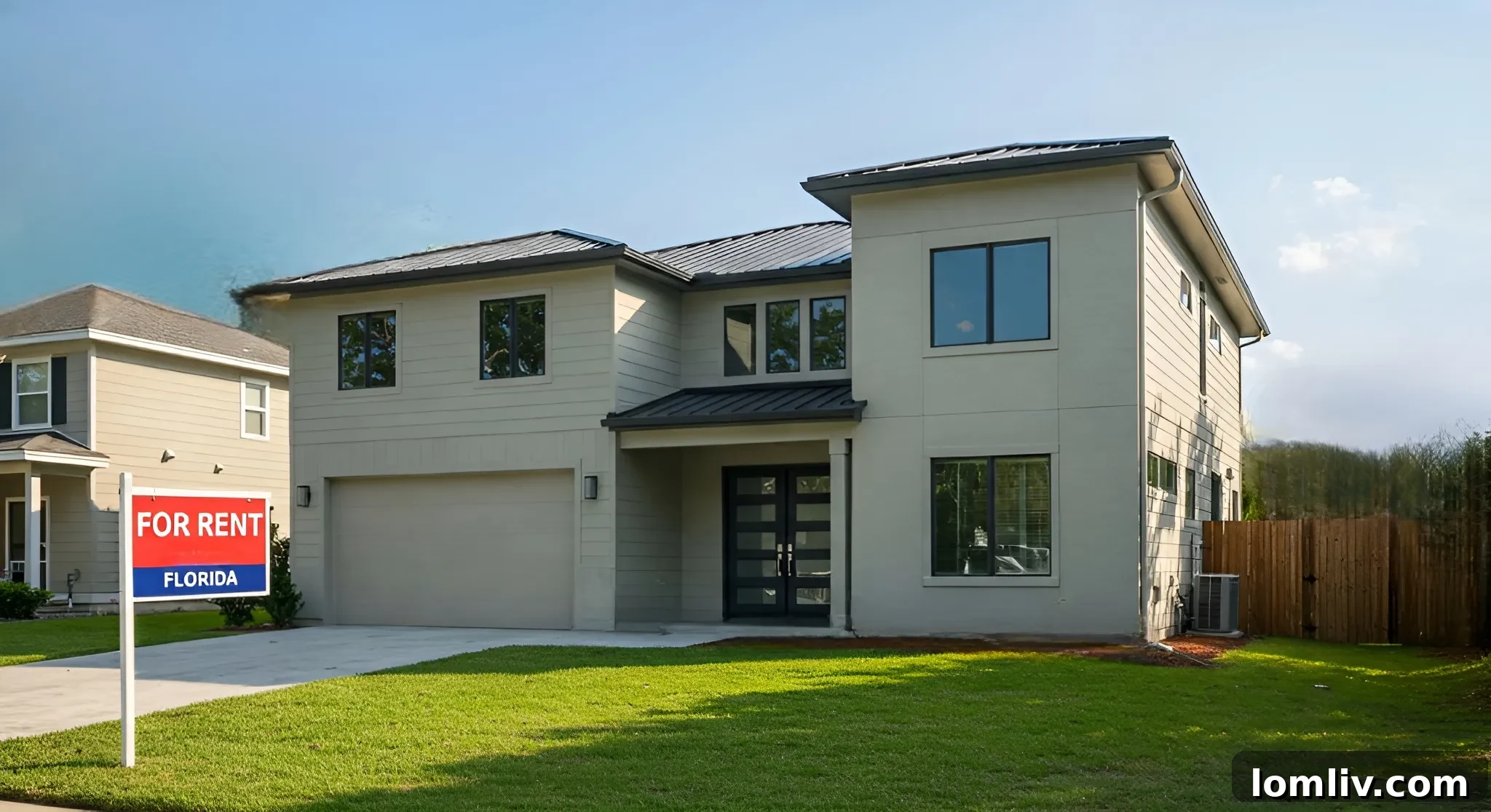
Setting the correct rental price is a critical balancing act that directly impacts your property’s profitability and occupancy rates. An improperly priced unit can lead to significant financial repercussions. If you price your rental too high, you risk extended vacancies, deterring potential tenants who can find comparable properties at more competitive rates. Prolonged vacancies translate directly into lost rental income, increased marketing expenses, and potentially even property depreciation due to lack of occupancy. Conversely, underpricing your unit means leaving money on the table, sacrificing potential revenue that could be contributing to your investment’s growth and covering operational costs.
To make informed and strategic pricing decisions, a thorough and ongoing market analysis is indispensable. This process involves evaluating several key factors. First, consider the specific location of your property, taking into account school districts, proximity to public transportation, shopping centers, entertainment venues, and major employment hubs. Next, meticulously assess the property’s unique characteristics, including its size, number of bedrooms and bathrooms, overall condition, and any recent upgrades or renovations. Critically, analyze the amenities offered, such as in-unit laundry, parking options, access to community pools or fitness centers, and whether the property is pet-friendly, as these significantly influence desirability and price. Finally, conduct a comparative market analysis (CMA) by researching current rental rates of similar units in your immediate area. Utilize reliable online tools and local real estate resources to gather data, but always augment this with insights from local property management professionals who possess an intimate understanding of micro-market trends. This comprehensive approach ensures your rental price is competitive, attractive to quality tenants, and maximizes your income potential without risking prolonged vacancies.
5. Treating Property Management as Passive Income

While the concept of rental income as a source of “passive” earnings is appealing, the reality of effective property management is anything but passive. Many landlords, particularly those new to the game, significantly underestimate the continuous time, effort, and attention required to successfully operate a rental property. From the initial stages of marketing vacancies and meticulously screening applicants to handling lease agreements, processing rent payments, and meticulously tracking financial transactions, each step demands active engagement. The responsibilities extend to promptly responding to tenant inquiries and maintenance requests, conducting regular property inspections, enforcing lease terms, managing vendor relationships for repairs, and even navigating unexpected emergencies like burst pipes or storm damage at any hour.
Property management is an active business requiring a diverse skill set, including strong organizational abilities, financial acumen, problem-solving skills, and a solid understanding of landlord-tenant law. If you choose to self-manage, it is imperative to establish robust systems and processes for every aspect of the operation, from digital record-keeping to a reliable network of contractors. Invest in property management software, create detailed checklists, and dedicate specific time each week to administrative tasks. However, if your goal is truly a hands-off investment experience, or if you simply lack the time or expertise, entrusting your property to a reliable and professional property management company is a wise strategic decision. Such a company can expertly handle all aspects of management, from marketing and tenant acquisition to rent collection, maintenance coordination, lease enforcement, and comprehensive financial reporting. This allows you to enjoy the benefits of your investment while delegating the demanding day-to-day operational responsibilities to experienced professionals, thereby making your income stream genuinely more passive.
Final Thoughts: Mastering Property Management in Florida
Florida’s dynamic rental market presents immense opportunities for astute investors, but success is not guaranteed. It is consistently awarded to those who demonstrate proactivity, possess a deep well of knowledge, and pay meticulous attention to detail. By diligently avoiding these common property management mistakes – from inadequate tenant screening and neglected maintenance to misunderstanding legal obligations, mispricing units, and underestimating the active demands of property oversight – you establish a robust framework for sustained profitability.
Embracing smart property management practices goes far beyond merely safeguarding your valuable real estate investment; it actively enhances tenant satisfaction, fosters long-term occupancy, and ultimately maximizes your financial returns. In a market as competitive and rewarding as Florida’s, intelligent and proactive management isn’t just about keeping pace with the demands; it’s about strategically staying ahead of the curve, ensuring your rental business thrives for years to come.