

The Texas real estate landscape presented a dynamic picture of growth and resilience even as the world grappled with unprecedented changes. Before the full impact of the novel coronavirus was felt, the market in the Lone Star State was experiencing significant gains. Intriguingly, even as the pandemic introduced a palpable slowdown, a vast majority of Realtors maintained their listing prices, signaling unwavering confidence among sellers. Concurrently, the rental market, after a brief dip, showcased a robust rebound with a substantial number of renters actively seeking new homes despite widespread lockdowns and shelter-in-place mandates. This week’s comprehensive Dallas real estate news roundup delves into these compelling trends, offering insights into the evolving market dynamics and consumer behaviors across Texas.
Texas Real Estate Soared to New Heights Pre-Coronavirus Outbreak
The early months of 2020 painted an exceptionally bright picture for the Texas housing market, indicating robust health and strong demand before the global pandemic shifted market conditions. According to the Real Estate Center at Texas A&M University, a trusted authority on state-specific housing data, existing homes sold through the Texas Multiple Listing Services achieved a record high in February, even after meticulously accounting for typical seasonal factors. This remarkable milestone underscored an impressive eight consecutive months of positive growth, signaling sustained momentum and underlying strength in the Texas housing sector. Dr. James Gaines, the chief economist for the center, aptly summarized the situation, noting, “A great beginning to the real estate selling season was suddenly awash in disruption,” acknowledging the swift transition from boom to uncertainty with the onset of the COVID-19 virus.
Specifically, Texas existing-home sales demonstrated a significant 2.6 percent year-over-year increase in February. This sustained upward trajectory was primarily fueled by two critical factors: historically low mortgage rates, which made homeownership more accessible and attractive, and a vibrant, healthy labor market that instilled economic confidence among potential homebuyers. These favorable conditions created an environment ripe for strong resale activity across the state. The national picture mirrored Texas’s robust performance, with the National Association of Realtors (NAR) reporting that February marked the highest month of home sales nationally since February 2007. This represented a substantial 6.5 percent increase from January and an impressive 7.2 percent rise from the previous year. The gains were predominantly driven by sales of single-family units, which saw a 7.3 percent increase year-over-year, reaching 5.17 million sales. This national trend further emphasized the prevailing positive sentiment in the housing market before the pandemic’s shadow began to spread. However, Center Research Economist Dr. Luis Torres offered a sobering perspective, suggesting that February was likely “the last hurrah” for the housing market for a considerable period, anticipating the inevitable impact of the unfolding global crisis. The abrupt end to what promised to be a stellar year highlighted the fragility of even the strongest economic foundations in the face of an unforeseen global event, setting the stage for an era of adaptability and strategic market responses.
Seller Confidence Endures: Nearly 3 in 4 Realtors Resist Price Reductions
Amidst the burgeoning uncertainty and economic slowdown triggered by the coronavirus pandemic, a remarkable trend emerged from the Texas real estate market: a steadfast refusal by sellers to lower their listing prices. A recent flash survey conducted by the National Association of Realtors (NAR) revealed that a significant 74 percent of Realtors actively working with sellers reported that their clients had not reduced listing prices to attract buyers. This compelling statistic underscores a profound level of confidence and resilience among homeowners, suggesting that instead of succumbing to panic selling, they are maintaining a calm and strategic approach during these turbulent economic times. This behavior is particularly noteworthy given the widespread economic anxieties, including job losses and business closures, which typically lead to a more defensive stance from sellers.
This collective composure among sellers is indicative of several factors. Firstly, many homeowners in Texas had accumulated substantial equity in their properties prior to the pandemic, thanks to years of sustained market growth. This strong financial position reduced any immediate pressure to sell quickly at a reduced price. Secondly, there was an underlying belief in the fundamental strength of the Texas market and an expectation that any downturn would be temporary. Lawrence Yun, NAR’s Chief Economist, articulated this sentiment, stating, “Consumers are mostly abiding by stay-in-shelter directives, and it appears the current decline in buyer and seller activity is only temporary, with a majority ready to hit the market in a couple of months.” This outlook highlights a strategic patience, with sellers preferring to wait out the storm rather than devaluing their assets in a moment of perceived weakness. The market also faced a severe inventory shortage even before the pandemic hit. This pre-existing condition contributed significantly to seller confidence. With fewer homes available for sale, sellers held a stronger negotiating position. Yun further explained, “Given that there are even fewer new listings during the pandemic, home sellers are taking a calm approach and appear unwilling to lower prices to attract buyers during the temporary disruptions to the economy.” This scarcity, coupled with the belief in a quick recovery, empowered sellers to maintain their prices, preventing a widespread price correction that might otherwise have occurred during such a significant economic shock. This resilience from sellers has been a key factor in stabilizing home values in Texas, potentially mitigating more severe market fluctuations and laying a foundation for a stronger recovery once economic activity fully resumes.
Renters Seek New Beginnings: The Resurgence of the Texas Rental Market in April
The onset of the COVID-19 pandemic coincided directly with what is traditionally recognized as the bustling beginning of the rental season in the United States. This convergence initially created a climate of uncertainty, causing a noticeable disruption in typical housing search patterns. In mid-March, as lockdowns became widespread and the crisis deepened, RentCafe.com observed a significant drop in apartment searches on its platform. This initial decline was a direct reflection of the immediate shock and uncertainty experienced by consumers, many of whom paused non-essential activities, including moving plans, in response to shelter-in-place orders and health concerns. However, the Texas rental market, much like other sectors, demonstrated a remarkable capacity for adaptation and resilience, showcasing a rapid return to normalcy and even growth as April progressed.
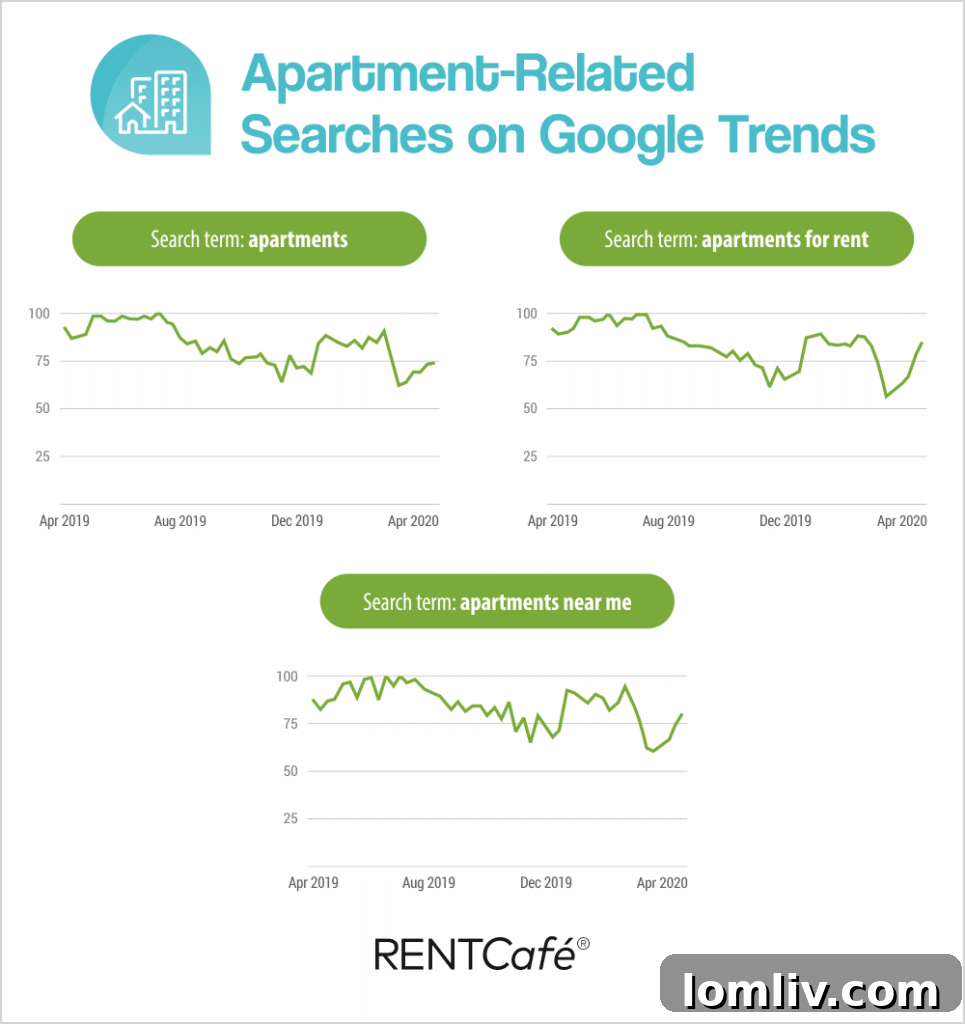
The most recent data from April painted a strikingly optimistic picture, showing not only a complete return to pre-crisis levels of apartment searches but also an impressive 17 percent increase compared to the beginning of March, before the initial dip. This swift bounce-back, with searches growing steadily from week to week starting from late March and into April, served as a strong indicator that consumer optimism was swiftly returning. The realignment of apartment search volumes with typical seasonal trends suggested that the underlying demand for housing remained robust, and individuals were beginning to resume their life plans, including residential relocations. This resurgence was further corroborated by direct feedback from actual apartment seekers through a comprehensive survey recently conducted on RENTCafe.com. Out of a substantial sample of 9,000 respondents, a compelling 62 percent affirmed their intention to move as soon as they found a suitable apartment, despite the ongoing COVID-19 pandemic. This figure highlights the essential nature of many moves, driven by factors such as lease expirations, job changes, or the need for different living arrangements to accommodate new work-from-home realities. Only a small minority, 11 percent, indicated they were staying put, while the remaining respondents were either undecided or postponing their move indefinitely.
Beyond the sheer willingness to move, the survey also shed light on evolving search behaviors and the accelerating adoption of technology within the rental process. A significant 42 percent of participants stated they were not changing their apartment selection process, suggesting that many were still comfortable with traditional methods or were adapting seamlessly. More notably, 28 percent of respondents indicated actively taking advantage of virtual tours to help choose an apartment. This rapid embrace of virtual solutions, which allow prospective renters to explore properties remotely, has proven instrumental in sustaining market activity during a period of physical distancing. It points towards a permanent shift in how real estate transactions, particularly in the rental sector, will be conducted, offering convenience and accessibility that will likely persist beyond the pandemic. The resilience demonstrated by Texas renters, coupled with the innovative adaptation of technology, strongly suggests a dynamic and enduring rental market, poised to continue meeting the housing needs of a growing population.
Overall, the diverse trends observed in the Texas real estate market—from the pre-pandemic boom to the unwavering confidence of sellers and the swift recovery of the rental sector—underscore the underlying strength and adaptability of the state’s housing landscape. While the initial shock of COVID-19 undeniably created widespread disruption, the market’s response has been characterized by strategic patience, technological innovation, and a fundamental belief in long-term value. As the state navigates the path towards full recovery, these dynamics will continue to shape buyer and renter behaviors, making Texas a fascinating case study in post-pandemic real estate resilience.