The United States is currently experiencing an unprecedented wave of residential construction, with nearly one million apartment units under development nationwide. Within this bustling landscape, Dallas, Texas, stands out as a significant player, securing the seventh position among the 50 largest metropolitan areas for new-construction housing permits. This vibrant activity underscores Dallas’s crucial role in addressing the nation’s persistent housing supply challenges and accommodating its own rapid population growth.
Notably, Dallas is a leader in the Texas housing market, ranking third in the state for new housing permits, trailing only Austin and Houston. These statistics highlight the sustained demand for housing across the Lone Star State and the concentrated development efforts in its major urban centers. In the past year alone, Dallas added close to 34,000 new apartments to its housing stock, a testament to the city’s robust construction sector and its appeal to both developers and residents. Furthermore, 2022 saw the permitting of approximately 43,574 single-family homes in Dallas, indicating a diversified approach to housing development, even as market dynamics continue to shift.
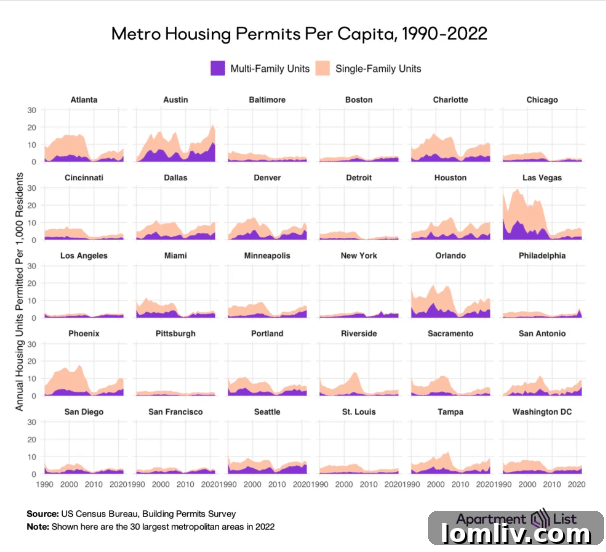
According to a comprehensive report from housing research platform ApartmentList, authored by Chris Salviati and Rob Warnock, a “record number of new apartment units are under construction.” This significant influx of new supply is widely expected to exert downward pressure on rental prices, providing a much-needed counterbalance to rising living costs. However, the report also offers a sobering perspective, cautioning that “this recent construction boom does not change the fact that the nation is currently in the midst of a broad housing affordability crisis that has built up over many years.” While multifamily construction thrives, the report points to a noticeable slowdown in the construction of new single-family homes, suggesting a growing disparity in housing development trends.
Dallas Confronts Affordability: The Domain at Midtown Park Initiative
In a proactive move to tackle the persistent housing affordability crisis within its borders, the Dallas Housing Finance Corporation (DHFC) recently took a pivotal step. On Tuesday, the DHFC approved a memorandum of understanding with Waterford Property Co., a Newport Beach-based firm, for the acquisition of Domain at Midtown Park. This strategically located multifamily residential development, situated at 8169 Midtown Blvd., is poised to play a crucial role in expanding Dallas’s affordable housing options. To facilitate this acquisition and long-term ownership, an LLC was also registered with the Texas Secretary of State, designating the DHFC as the sole member.
The DHFC plays a vital role in fostering accessible housing by providing tax-exempt mortgage revenue bonds. These bonds are instrumental in financing the acquisition, construction, or rehabilitation of multifamily housing projects, effectively lowering the cost of development and, by extension, making units more affordable for residents. This financial mechanism is a cornerstone of the city’s strategy to create and preserve affordable housing options for its diverse population.
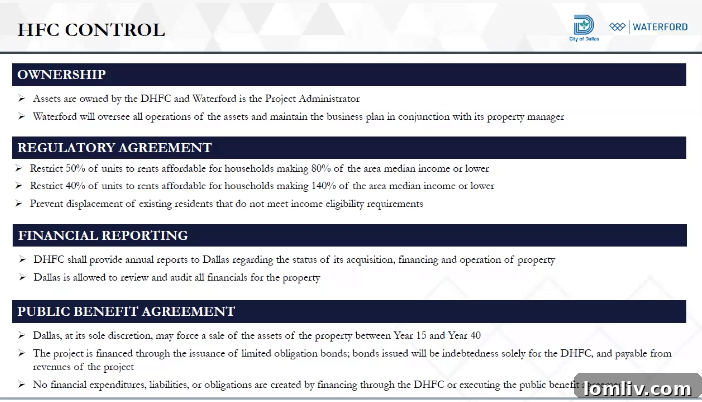
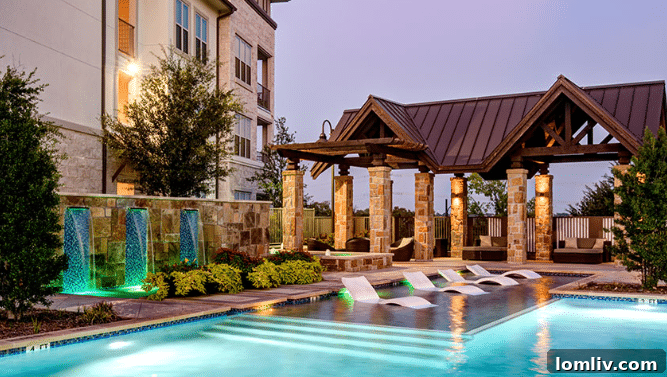
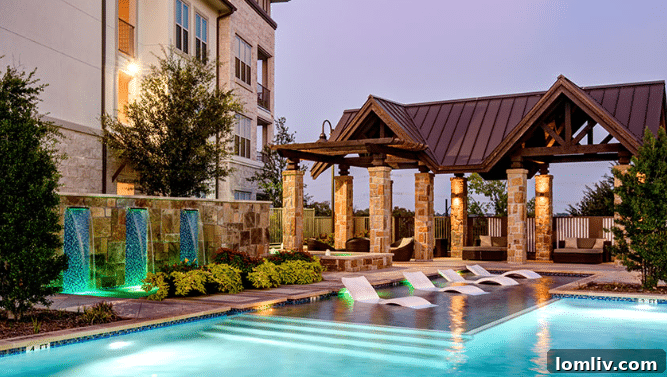
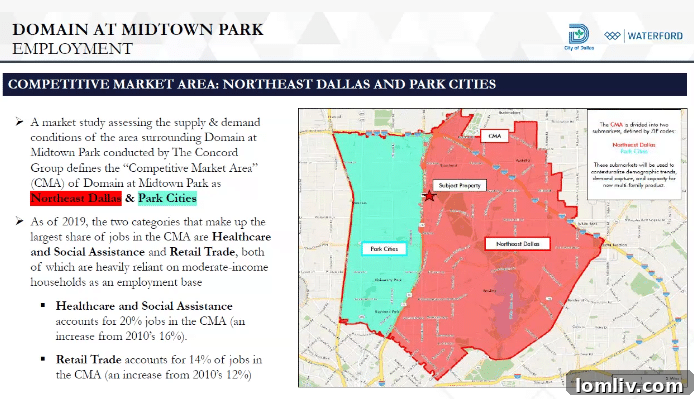
The Domain at Midtown Park project exemplifies this commitment to affordability. While the apartments are already in existence, the plan involves a comprehensive rehabilitation aimed at transforming them into dedicated affordable workforce housing. This 395-unit complex, originally built in 2017 north of Walnut Avenue, is slated for significant upgrades. Developers from Waterford Property Co. have announced their proposal to income-restrict half of the units, making them available to tenants whose incomes are at or below 80 percent of the Area Median Income (AMI). This targeted approach ensures that essential workers and low-to-moderate-income families can secure quality housing without being overburdened by exorbitant rents.
A spokesperson for the project articulated the strategic alignment of this initiative, stating, “From a workforce housing standpoint, we think this property meets the goals of the HFC and the program you’re rolling out from a policy standpoint.” This sentiment underscores the project’s adherence to the city’s broader housing policy objectives. For eligible residents, living in these income-restricted units translates into tangible financial relief, with an estimated monthly savings of approximately $223 on rent. These savings can significantly impact a family’s budget, freeing up funds for other necessities and improving overall financial stability.
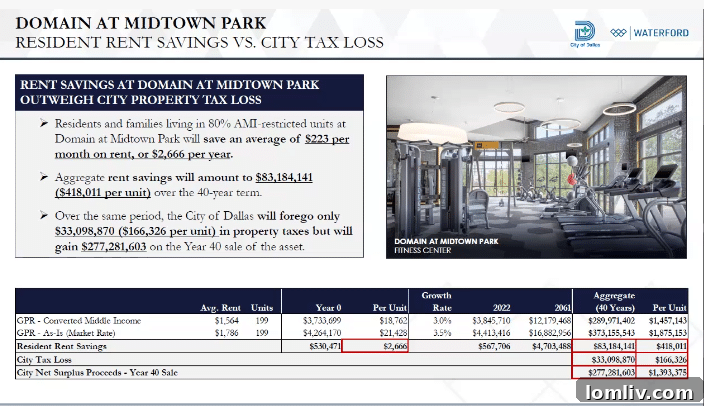
Beyond the direct benefits to residents, the Domain at Midtown Park deal presents a compelling long-term financial strategy for the City of Dallas. While the city anticipates foregoing approximately $33 million in property taxes over the project’s lifespan, officials project a substantial gain of about $277 million over the 40-year life of the deal. This robust financial return highlights the strategic investment nature of affordable housing initiatives, demonstrating that addressing social needs can also yield significant economic benefits for the municipality.
“From an investment standpoint and an affordability standpoint, we think this project makes a lot of sense,” the spokesman reiterated. “The goal of this program is to fit the housing needs for low-income families.” This dual focus on financial viability and social impact positions the Domain at Midtown Park as a model for future affordable housing developments in Dallas. It’s important to note that all projects approved by the DHFC board must undergo a final review and approval process by the Dallas City Council, ensuring rigorous oversight and public accountability. While the Domain at Midtown Park project moved forward, board members of the housing finance corporation postponed decisions on two other significant multifamily residential developments on Tuesday: Rosemont at Meadow Lane, located at 4722 Meadow St., and The Positano, situated at 2519 John West Road. These postponements suggest a careful and deliberate approach to approving projects, ensuring each meets the stringent criteria set forth by the city for sustainable and impactful housing solutions.
Dallas’s Apartment Boom and the National Housing Picture
The discernible surge in housing permits across Dallas reflects a concerted effort by the city’s leadership to expand housing options and diversify its residential offerings to accommodate relentless growth. This strategic push is directly aimed at alleviating the severe inventory issues that have plagued the Dallas real estate market. During a recent Dallas Builders Association event, local real estate agents emphatically described the situation as a “serious inventory issue,” underscoring the urgent need for more housing units across all segments of the market. This shortage impacts everything from soaring rental rates to competitive home-buying environments, making it challenging for new residents to settle and existing residents to find suitable housing.
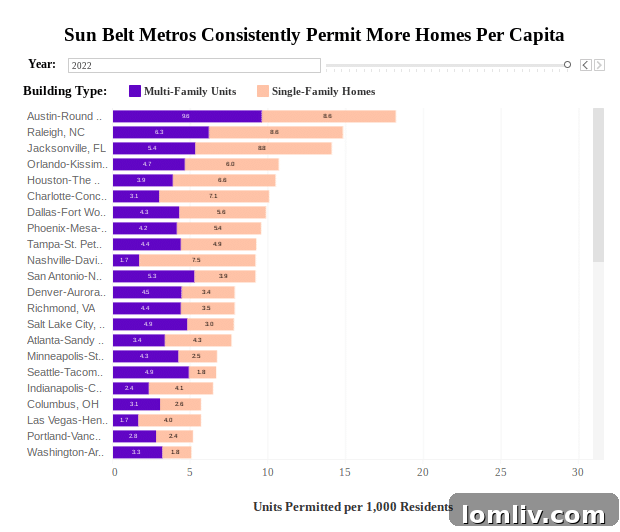
While Dallas exhibits strong growth, the national picture presents a more nuanced trend. The ApartmentList report details that “the total number of housing units permitted for construction across the U.S. fell slightly last year, from 1.74 million in 2021 to 1.65 million in 2022.” This marks the first annual decline in this figure since 2009, indicating a potential cooling off from the frenetic pace of previous years. Despite this dip, the total number of building permits issued in 2022 remained higher than any year between 2007 and 2020, signaling a sustained, albeit slightly moderated, period of construction. However, the report also critically notes that current construction levels “continue to lag the peaks seen in the runup of the 2000s housing bubble,” suggesting that the nation has yet to fully recover from past underbuilding and meet current housing demand.
Digging deeper into historical trends, the report highlights that much of the early 2000s housing boom was predominantly driven by sprawling suburban single-family construction. In contrast, the current housing landscape reflects a notable and significant shift. “While that type of development still makes up a majority of new construction, there has been a notable shift toward denser multifamily construction in the core cities of many metros over the past decade,” the report clarifies. This transformation is not accidental; it’s a response to evolving demographic preferences, increased demand for urban living, and the practicalities of land scarcity in metropolitan centers. For the nation’s 50 largest metros collectively, there’s a clear trend: core cities are now accounting for a greater share of new permitting activity since the Great Recession. This indicates a broader strategic pivot towards urban infill and higher-density development, crucial for sustainable growth and addressing the needs of a growing, urbanizing population.
Dallas, with its burgeoning population and robust economic landscape, is at the forefront of this shift. The city’s commitment to both market-rate and affordable multifamily developments, as exemplified by projects like Domain at Midtown Park, is essential for its long-term economic health and social equity. As the dynamics of the housing market continue to evolve, Dallas’s ability to adapt its construction strategies and prioritize diversified housing options will be key to ensuring a thriving and inclusive future for all its residents.