Embracing Modern Landscapes: The Battle for Artificial Turf in HOAs
At Daltxrealestate.com, we are ardent advocates for the integration of artificial turf into modern landscape design. In an era where environmental consciousness and sustainable living are paramount, synthetic grass offers an incredibly water-wise and low-maintenance solution for achieving a lush, green lawn year-round, free from the seasonal demands of natural turfgrass. However, despite its myriad benefits, many homeowners associations (HOAs) continue to impose strict bans or severe restrictions on artificial turf, leaving homeowners frustrated and confused. This creates a challenging dilemma for those seeking to modernize their outdoor spaces while adhering to community guidelines.
The resistance from some HOAs often stems from outdated perceptions of artificial turf, associating it with unsightly, clearly fake versions of the past. Yet, advancements in manufacturing technology have transformed synthetic grass into a highly realistic and durable product that can enhance property aesthetics and value. This article delves into the aesthetic, environmental, and practical advantages of high-quality artificial turf, offering insights from a leading landscape expert and addressing the common hurdles homeowners face with HOA regulations. We aim to empower homeowners with the knowledge to advocate for this innovative landscaping solution.
We recently received a compelling letter from a reader that perfectly encapsulates this ongoing struggle:
“As an interior designer, I dedicated nearly three years to a comprehensive residential project, deeply involved in every design facet of a beautiful home located within a prestigious gated community. From the outset, we submitted our plans to the architectural committee via our builder, and they received full approval. Notably, the community’s Covenants, Conditions, and Restrictions (CCRs) contained no mention requiring additional landscape plan submissions.
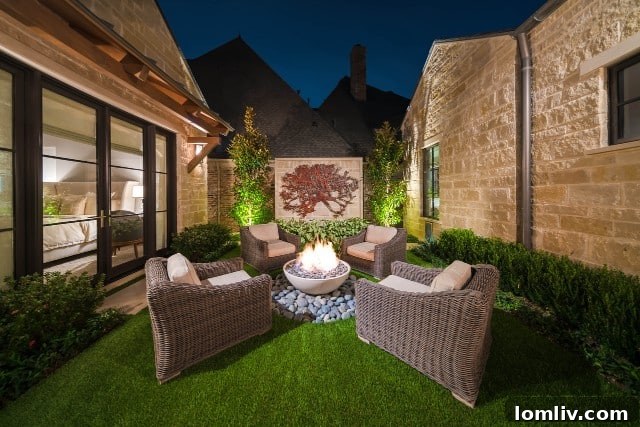
When it came to the landscape design, our vision was to create a minimalist, elegant aesthetic that harmonized seamlessly with the home’s contemporary architecture. As empty nesters, our priority was to minimize maintenance, allowing us more time to enjoy our home without the constant upkeep of a traditional lawn. Our solution was a thoughtful combination of premium artificial grass, sophisticated charcoal gravel, and a selection of low-maintenance natural plants for both the front and backyards. The artificial grass we chose is of such exceptional quality that distinguishing it from natural turf is incredibly difficult.
To our dismay, our HOA issued a denial without providing any specific justification. Despite a thorough review, the CCRs contain absolutely no clause prohibiting artificial grass. We engaged legal counsel to challenge this decision, but progress has been frustratingly slow. We even proposed a compromise: removing the artificial grass from the narrow crescent bordering the sidewalk, yet our offer was flatly rejected.
We are desperate for any advice on navigating this unreasonable situation. With the rapid advancements in artificial grass technology, it is undeniable that this is the ideal choice for modern living. Especially in Texas, where intense heat and ongoing watering restrictions are a constant concern, artificial turf presents an unparalleled and responsible option. I am determined to be the catalyst that encourages our board members, who appear to be out of touch with contemporary landscaping solutions, to embrace progress and implement a much-needed policy change!”
The reader’s experience highlights a pervasive issue where outdated rules clash with modern, sustainable solutions. To shed light on this contentious topic and provide expert guidance, we turned to one of our most trusted landscaping authorities: Harold Leidner, founder of Harold Leidner Landscape Architects. With decades of experience in creating breathtaking outdoor environments, Harold offers invaluable perspectives on the benefits of artificial turf and how to overcome common objections.
Unveiling the Aesthetic Superiority of Artificial Turf
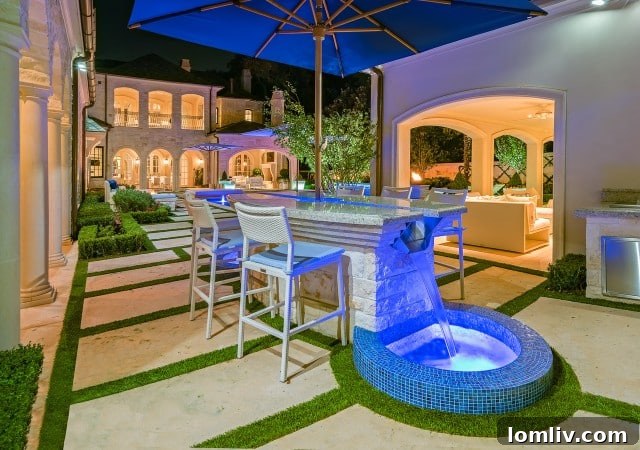
From an aesthetic perspective, the benefits of utilizing high-quality artificial turf are both numerous and compelling. Harold Leidner elaborates on why synthetic grass often surpasses its natural counterpart in visual appeal and consistency:
Harold Leidner: “The advantages are truly extensive. Foremost, artificial turf maintains a vibrant green hue throughout the entire year, eliminating the concern of seasonal dormancy that plagues popular natural turfs like Bermuda or Zoysia. Homeowners often struggle with the patchy brown landscapes during colder months. While rye overseeding is a traditional option for winter greenery, it introduces its own set of problems. Rye can aggressively choke out your permanent turf, leading to bare, dirt patches once the summer heat causes it to die off. With artificial turf, these seasonal anxieties simply vanish.
Beyond year-round color, artificial turf offers unparalleled consistency. You no longer have to worry about unsightly yellow spots caused by pet waste, or thinning, bare patches developing in shaded areas where natural grass struggles to thrive. Artificial turf maintains a perfectly even density and color across your entire lawn, providing a pristine, manicured look that is virtually impossible to achieve with natural grass, regardless of the effort invested. This consistent, flawless appearance significantly enhances curb appeal and contributes to an overall polished and sophisticated landscape design. It’s the ultimate solution for a perpetually perfect lawn.”
The Evolution of Artificial Turf: Beyond the “Fake” Look
The perception that all artificial turf looks artificial is a common misconception, often rooted in experiences with older, less sophisticated products. However, the industry has undergone significant advancements. Harold Leidner provides crucial insights into how artificial turf has evolved and what to look for in a high-quality product that genuinely mimics nature.
Harold Leidner: “Indeed, not all artificial turf is created equal; the beauty and performance truly lie in the backing and the blade design. When selecting artificial turf for our projects, we exclusively specify products with 100 percent permeable backing. This feature is critical for effective drainage, preventing standing water, and ensuring hygiene, especially in areas with pet traffic. Unfortunately, very few products on the market meet this essential standard.
Furthermore, we prioritize versions that meticulously resemble natural turf in terms of blade characteristics. We seek out turf with thin, delicate blades, akin to those found in high-quality Bermuda or Zoysia grass varieties. It is exceptionally challenging, if not impossible, to realistically emulate thicker blades like Fescue or St. Augustine without the product looking overtly fake. This attention to detail in blade thickness and texture is paramount to achieving the realism and natural aesthetic that homeowners desire. For these reasons, and based on extensive experience and rigorous testing, we unequivocally recommend using Conservation Grass. Their commitment to permeable backing and natural-looking thin blades sets them apart as a leader in realistic, high-performance artificial turf.”
Environmental Stewardship: How Artificial Turf Outperforms Natural Grass
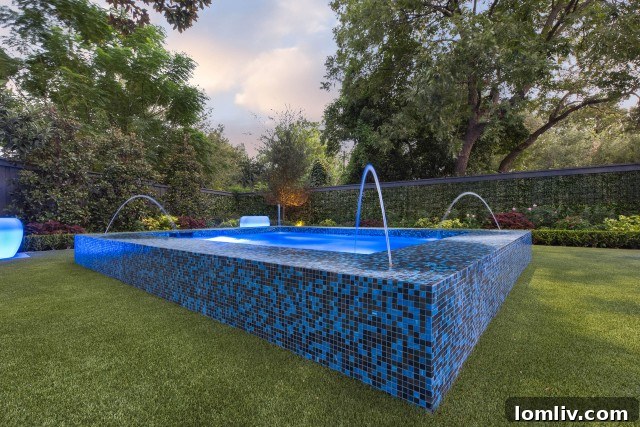
Beyond aesthetics, artificial turf offers profound environmental advantages, making it a sustainable choice for homeowners committed to ecological responsibility. Harold Leidner highlights the significant positive impact synthetic grass can have on resource conservation and pollution reduction.
Harold Leidner: “The single largest consumer of water in residential landscapes is undoubtedly natural turf. By simply transitioning to an artificial option, homeowners will observe an almost immediate and dramatic reduction in their water bills. More importantly, this switch directly contributes to conserving our most precious natural resource—water. With an increasing number of cities implementing strict water rationing and facing persistent drought conditions, the importance of this conservation cannot be overstated. Artificial turf is a proactive solution to a pressing global challenge.
As an added and equally significant bonus, an artificial lawn eliminates the need for chemical fertilizers, pre-emergent, and post-emergent herbicides. This means vast quantities of potentially harmful chemicals are no longer dispersed into your yard, preventing runoff into local storm drains, rivers, and ultimately, our vital watersheds. Reducing chemical use protects local ecosystems, aquatic life, and even human health. Furthermore, eliminating the need for mowing reduces air pollution from gas-powered mowers and decreases reliance on fossil fuels. In essence, artificial turf is not just a low-maintenance choice; it’s a powerful statement of environmental stewardship.”
The True Ease of Management: Artificial Turf vs. Traditional Lawn Care
While often marketed as “maintenance-free,” it’s more accurate to describe artificial turf as “extremely low-maintenance” compared to the relentless demands of a natural lawn. Harold Leidner sheds light on the actual care required and the substantial savings homeowners can expect.
Harold Leidner: “While not entirely maintenance-free, the care required for artificial turf is minimal, especially when contrasted with the ongoing commitment demanded by natural grass. Artificial turf will periodically require light sanding and brushing to maintain its upright blade structure and optimize drainage. However, this is a negligible effort compared to the weekly mowing, regular watering, fertilizing, weeding, pest control, and seasonal aeration that natural lawns demand.
From a financial perspective, the investment in artificial turf proves to be remarkably cost-effective over time. To illustrate, a typical 500-square-foot artificial turf area can pay for itself in fewer than three years when stacked against the cumulative costs of maintaining a natural lawn – including water bills, fertilizer, pesticides, mower fuel, and professional landscaping services. And critically, these significant savings continue to grow exponentially with each passing year, making artificial turf a shrewd financial decision for any homeowner.”
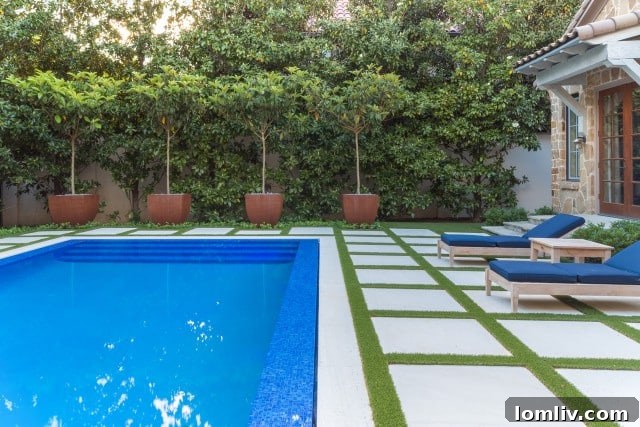
Optimal Applications and When to Consider Alternatives for Artificial Turf
Artificial turf truly shines in specific scenarios, offering solutions where natural grass struggles or creates persistent problems. Understanding these ideal applications can help homeowners determine if synthetic grass is the right choice for their property. Harold Leidner outlines the perfect conditions for artificial turf and offers some considerations for its use.
Harold Leidner: “If your property experiences any one or a combination of the following common landscape challenges, then artificial turf is virtually tailor-made for your needs:
- Poor Drainage: Areas prone to waterlogging, muddy spots, or standing water after rain are perfect candidates. Artificial turf, especially with a 100% permeable backing, ensures rapid and efficient water dispersion, eliminating these issues and creating a usable, dry surface year-round.
- Dense Shade: Natural grass struggles immensely in shaded environments, often becoming thin, patchy, and susceptible to disease. Artificial turf maintains its vibrant green appearance and density regardless of sunlight exposure, providing a consistently lush look even under the canopy of large trees or against tall structures.
- Pet Traffic: Dogs can wreak havoc on natural lawns, creating worn-out paths, digging holes, and causing unsightly yellow or brown urine spots. High-quality artificial turf is incredibly durable, resistant to wear from heavy pet use, and impervious to pet waste stains. Its excellent drainage also makes cleaning up pet messes simple and odor-free.
- High-Traffic Areas: Beyond pets, areas used frequently by children for play, or as pathways, will benefit from the resilience of synthetic grass, which withstands constant foot traffic without showing wear and tear.
- Small, Intricate, or Hard-to-Maintain Spaces: For balconies, rooftop patios, urban courtyards, or awkwardly shaped lawn areas where mowing is difficult, artificial turf offers a practical and aesthetically pleasing solution.
- Water-Restricted Zones: In drought-prone regions or areas with strict watering bans, artificial turf becomes an essential, responsible choice for maintaining a green landscape.
While artificial turf is incredibly versatile, there are very few scenarios where it should be strictly avoided, assuming a high-quality product and proper installation. However, homeowners should always consider their specific climate (e.g., extreme direct heat might require specific infill types) and personal aesthetic preferences. For very large, expansive properties, the initial cost of artificial turf might be higher than natural grass, although the long-term savings often offset this. The key is to choose a reputable installer and a quality product suited to your specific needs.”
Navigating HOA Restrictions: Advocating for Artificial Turf Acceptance
The core of our reader’s dilemma, and a common frustration for many homeowners, is the seemingly arbitrary denial of artificial turf by HOAs. Harold Leidner addresses the valid reasons an HOA might object, and more importantly, challenges the outdated arguments against synthetic grass.
Harold Leidner: “In my professional opinion, the only legitimate reasons an HOA should consider prohibiting artificial turf are if its installation is explicitly illegal within the city’s municipal codes, or if the HOA has not yet established a clear standard or selected preferred vendors. In the absence of city-level prohibitions, an outright ban from an HOA on a modern, high-quality product like artificial turf is often based on outdated perceptions rather than current realities or practical considerations.
HOAs exist to maintain property values and community aesthetics. The modern advancements in artificial turf directly support both these goals. Instead of outright prohibition, HOAs should consider implementing guidelines that ensure quality and consistency. For instance, by requiring high-end, permeable-backed artificial turf that closely mimics natural grass (like the Conservation Grass we recommend), an HOA can guarantee that all installations meet a superior aesthetic standard. If an HOA establishes a list of approved products or ‘go-to’ vendors for synthetic turf, they can ensure consistency in look, feel, and quality across the entire neighborhood. This approach fosters uniformity and prevents substandard installations, addressing concerns about property value and visual appeal.
Homeowners, like our reader, are right to push for change. It’s about educating board members on the latest technology, demonstrating the significant water savings and environmental benefits, and presenting clear guidelines for acceptable installations. Artificial turf is not a trend; it’s a sustainable, aesthetically pleasing solution that aligns perfectly with the goals of a well-maintained, modern community. HOAs that fail to adapt risk lagging behind in sustainability and failing to support homeowners who are actively seeking responsible, low-maintenance landscape options.”
The journey towards greater acceptance of artificial turf in HOA-governed communities is an ongoing one, but with compelling arguments rooted in aesthetics, environmental responsibility, and practical maintenance, homeowners have strong grounds for advocacy. As technology continues to advance, making synthetic grass indistinguishable from its natural counterpart, the case for its adoption becomes increasingly undeniable. It’s time for HOAs to shed outdated perceptions and embrace the future of sustainable, beautiful landscaping.