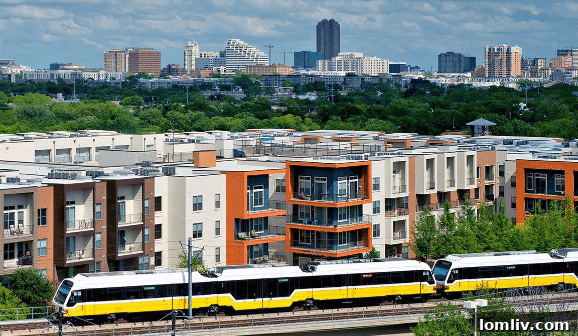
Dallas City Council Greenlights Progressive Economic Development Policy for Equitable Growth
In a pivotal move for the future of urban development, the Dallas City Council convened on January 25th for a robust discussion that culminated in the adoption of an amended Economic Development Policy and incentive framework. This landmark decision marks a significant stride in Dallas’s commitment to fostering a dynamic business environment, designed to both attract new enterprises and retain existing ones, all while championing equitable growth across the city.
The original Economic Development Policy, first drafted in 2021, underwent comprehensive review and proposed updates late last year. The changes officially approved by the council this Wednesday are more than just procedural; they fundamentally reshape the city’s approach to growth. By establishing new development zones that align with existing state enterprise zones, the policy clearly communicates Dallas’s priority areas for investment and revitalization. This strategic alignment aims to streamline development efforts and maximize their impact, particularly in areas historically overlooked.
Former Dallas City Council member Jennifer Gates, who played a crucial role as chair of the Economic Development Task Force, emphasized that while this comprehensive plan represents a monumental effort, it is not a “panacea” for all economic challenges. Gates underscored the necessity of constant evaluation and adaptability, recognizing that the economic landscape is ever-evolving. “Most importantly,” Gates stated, “it uses economic development programs as a powerful tool to execute the city’s Racial Equity Plan and actively supports development in disadvantaged and disinvested communities.” She further elaborated, “The scope of the policy and its incentive tools are now empowered to directly address existing disparities and create tangible opportunities in underserved areas of Dallas, with a particular focus on the revitalization of South Dallas.”
The extensive work behind this policy involved a collaborative effort between the task force and expert consultants from HR&A Advisors. Together, they meticulously crafted a document that reflects both the aspirations and the practical needs of a rapidly growing metropolitan area, ensuring that Dallas’s economic future is built on a foundation of inclusivity and strategic foresight.
A cornerstone of this newly adopted framework is the inclusion of a dedicated Infrastructure Investment Fund. Assistant City Manager Majed Al-Ghafry highlighted the significance of this fund in a memo issued to council members on January 20th. “This fund provides predictability of funding availability and gives assurance of the City’s intention to support infrastructure investment in historically distressed areas of the City,” Al-Ghafry explained. The long-term nature of this fund is designed to offer developers “reasonable assurance that they can bridge the costs of infrastructure projects with private financing up front and be reimbursed through predictable future contributions to the Infrastructure Investment Fund.” This mechanism is crucial for unlocking development potential in areas where infrastructure deficits have historically been a major deterrent.
Prioritizing Infrastructure for Dallas’s Future Growth
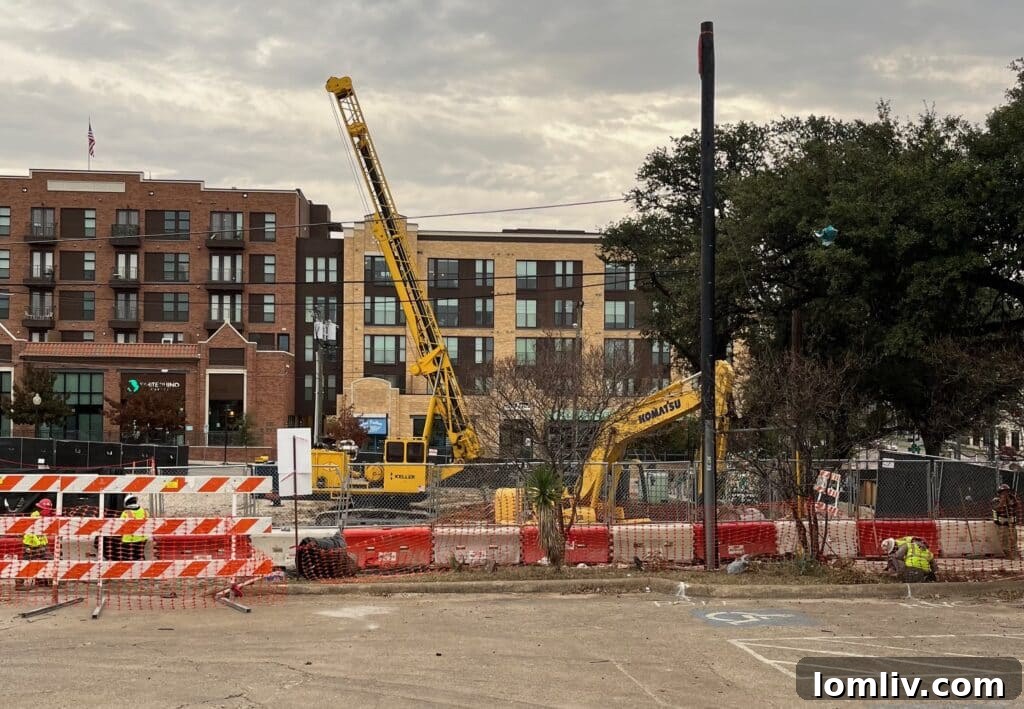
The critical role of infrastructure in urban development was a central theme throughout the council’s discussions. District 8 Councilman Tennell Atkins eloquently articulated the pervasive challenges: “There are infrastructure challenges in every quadrant of Dallas.” He posed a fundamental question, “How do you pay for it?” Atkins pointed out the lengthy processes involved in traditional infrastructure funding, often requiring voter-approved bond packages that can delay essential projects for a decade or more. He painted a stark picture of disparities within the city, noting, “We’re in the 21st Century and [some areas] are still on septic tanks. That’s why developers do not come to some parts of the City of Dallas. We’ve got to have infrastructure. That’s the key to a great city.” His impassioned plea underscored the urgency of addressing these foundational needs to unlock development potential.
The newly approved policy aims to systematically dismantle these barriers by strategically channeling investments into critical infrastructure. This proactive approach seeks to not only modernize existing areas but also to make previously underdeveloped parts of Dallas attractive for private investment, aligning with the city’s broader goals of equitable development and economic vitality. The emphasis on water and wastewater utilities is particularly crucial, as highlighted by ongoing efforts to extend these services to unserved areas of Dallas.
While recognizing the undeniable need for infrastructure, District 14 Councilman Paul Ridley voiced a crucial concern: ensuring that public investment in infrastructure effectively catalyzes private sector development. He sought to avoid scenarios where significant public funds are allocated to infrastructure in an area, only for no developers to step forward. “How do we ensure that our investment in infrastructure will be protectively used by the private sector or to leverage the private sector?” Ridley questioned, highlighting the need for strategic planning and accountability.
Economic Development Director Robin Bentley addressed these concerns by explaining that the policy meticulously outlines criteria for infrastructure investments. These investments will be considered primarily when they are clearly defined within the city’s land use plan or other strategic city initiatives. Bentley reassured the council that due diligence would be paramount. “All of these awards will be almost certainly more than $1 million so they will be coming through the committee and the council,” Bentley confirmed, emphasizing the robust oversight process. “That’s the sort of research we’d do before bringing the item, why we think the infrastructure investment would attract [development]. That would be part of our due diligence.” This commitment to thorough research and council approval aims to mitigate risks and ensure that every infrastructure dollar spent is a catalyst for desired private sector growth and community benefit.
The Tax Increment Financing Debate: 100% Contribution for Dallas’s Future
A significant point of contention during the council meeting revolved around the allocation of funds within Tax Increment Financing (TIF) districts. TIF districts are crucial tools designed to spur development in specific areas by dedicating future tax revenues generated by new growth within that district to fund public improvements and infrastructure that supported the development in the first place. These districts are self-financing mechanisms that have proven highly successful in stimulating economic activity in targeted zones across Dallas.
Councilman Ridley proposed establishing an 80 percent contribution rate for the infrastructure investment program from TIF revenues. His rationale was to ensure that a portion of the increased tax revenue—the remaining 20 percent—would be available for essential city services like police, fire, code enforcement, and street maintenance within these newly developed areas, after the TIF district’s expiration. “TIF districts are designed to incentivize development in a particular area,” Ridley acknowledged. “At the same time that they have been successful, there’s a cost of that success. I have some concern that if we devote 100 percent of the city’s tax increment after the expiration of the TIF districts to one particular program, we will not be allocating the funds necessary to service those new developments.” His argument highlighted a potential long-term strain on the city’s general fund if all new tax increment was dedicated solely to the infrastructure fund without provisions for ongoing service costs.
District 12 Councilwoman Cara Mendeltsohn supported Ridley’s motion, agreeing that TIF districts were originally intended to serve a dual purpose: not only to foster development but also to contribute positively to the city’s general fund. “We’ve taken away that second portion,” she noted, expressing concern that the 100 percent allocation would diminish the immediate benefit to broader city services.
However, the council ultimately sided with a more aggressive approach to reinvestment. Ridley’s motion to adopt an 80 percent contribution failed, and the council unanimously approved the 100 percent contribution rate. Councilman Atkins, advocating for the full allocation, framed the decision in terms of equity. “When we talk about equity, do you want 100 percent equity or 80 percent equity?” he challenged. He emphasized the flexibility of the council to revisit and amend policies in the future, stating, “We can come back to the city council anytime to change policy. Let us move forward with 100 percent.” This decision underscores the council’s strong commitment to maximizing the impact of economic development efforts directly back into the communities and infrastructure that need it most, aligning perfectly with the overarching goals of the new policy.
Staunch Supporters and Positive Outlook for Dallas’s Future
The public hearing preceding the council’s vote on January 25th revealed overwhelming community support for the proposed Economic Development Policy. All six speakers who addressed the City Council urged immediate approval, highlighting the profound positive impact they anticipated for Dallas.
Bob Mong, the esteemed former editor of the Dallas Morning News and current president of the University of North Texas Dallas, was among the prominent voices. He expressed profound satisfaction with the progress already being made, noting the installation of crucial water and sewer lines to the west and southeast of the UNT Dallas campus footprint. This vital infrastructure, Mong asserted, is “setting the stage for much-needed high-quality development” in the area, signaling a promising future for the university and its surrounding communities. He further articulated his belief that “the Economic Development Incentive Policy will support job growth, attract and retain businesses, and advance equity development,” encapsulating the multi-faceted benefits of the new framework.
Robert Pitre, owner of Skyline Ranch in South Dallas, offered a heartfelt testament to the policy’s potential to correct historical imbalances. He explicitly thanked the council for their commitment to investing in infrastructure in South Dallas, an area that has historically faced significant neglect. “This city has been very unfair to southern Dallas,” Pitre stated with conviction. “We need some guarantees that we will have infrastructure. The past city administration left us out. You cannot develop without infrastructure.” His words resonated deeply, underscoring the long-standing need for equitable investment and the transformative power of reliable infrastructure in unlocking economic potential for underserved communities.
Harrison Blair, President and CEO of the Dallas Black Chamber of Commerce, also lent his organization’s full endorsement to the Economic Development Policy. He championed the policy as a critical step forward for the entire city. “Our organization fully supports this Economic Development Incentive Policy that will enable the council to take a critical step forward in supporting job growth, creating new tax revenues, attracting and retaining new businesses, and expanding the City of Dallas’ tax base,” Blair affirmed. His remarks highlighted the broad consensus among business leaders and community advocates that this policy is essential for stimulating sustainable economic growth and ensuring prosperity for all Dallas residents.
The unanimous approval of this progressive Economic Development Policy by the Dallas City Council marks a new chapter for the city. With a clear focus on infrastructure investment, strategic development zones, and an unwavering commitment to racial equity, Dallas is setting a robust framework for inclusive growth. This policy is poised to transform underserved communities, attract significant private investment, and solidify Dallas’s position as a leading city for business and innovation, ensuring that its economic success is shared by every quadrant and every resident. The journey ahead will require ongoing diligence and adaptation, but with this policy, Dallas has laid a strong foundation for a more equitable and prosperous future.