
 Photo courtesy of Eric Nicholson, The Dallas Observer
 Photo courtesy of Eric Nicholson, The Dallas Observer
The relentless buzz of mosquitoes has become an unfortunate soundtrack to summer in many parts of the world, and Dallas is certainly no exception. Just yesterday, while attempting to cultivate a small basil garden, I found myself engaged in a brief but intense battle with these persistent pests. After barely an hour outdoors, I retreated indoors, covered in itchy bites that necessitated a prompt application of cortisone cream. What struck me most was the sheer aggression and prevalence of these insects even in mid-day – a phenomenon that seems increasingly common. There’s no doubt that mosquitoes are more vicious and numerous this year, prompting widespread concern about public health, particularly the West Nile Virus. In response, many, including myself, are taking every precaution, from stocking insect repellent at every doorway to actively eliminating standing water sources around our homes.
The fight against West Nile Virus is a serious, community-wide effort, demanding vigilance from every resident. This virus, transmitted through mosquito bites, can lead to severe neurological illnesses, including encephalitis or meningitis, in a small percentage of infected individuals, though most experience mild or no symptoms. However, the potential for serious health consequences means that public health authorities consistently urge residents to “Drain, Dress, and DEET” – meaning draining standing water, dressing in long sleeves and pants, and using EPA-registered insect repellents. It’s a collective responsibility to minimize breeding grounds and protect vulnerable populations. This context makes a recent revelation particularly unsettling and, frankly, infuriating.
Dallas Leaders & The West Nile Threat: A Disturbing Revelation
It was with a mix of disbelief and dismay that I stumbled upon a report this morning, courtesy of Eric Nicholson at The Dallas Observer. His investigative piece highlighted a startling contradiction: while the city grapples with an aggressive mosquito season and the looming threat of West Nile Virus, it appears some of our own intrepid city leaders may, inadvertently or not, be doing their part to *host* the very menace we’re fighting. Instead of setting an example in prevention, one prominent official’s property seemingly offers a welcoming haven for mosquito proliferation. The irony is stark, especially when considering the recent visits of various mayors to Dallas, whom one hopes were adequately protected with insect repellent themselves!
Eric Nicholson’s article features a compelling and frankly shocking photograph of Dallas City Councilwoman Vonciel Hill’s swimming pool. What should be a refreshing oasis has, in his blunt assessment, devolved into a “cesspool.” This isn’t just an aesthetic problem; it’s a profound public health concern, precisely the kind of situation city codes are designed to prevent. The visual evidence speaks volumes, painting a clear picture of neglect that directly undermines the city’s broader efforts to combat mosquito-borne diseases. Such a sight from a public servant tasked with overseeing community welfare raises serious questions about accountability and leadership by example.
Understanding the Danger: Why Standing Water is a Mosquito Magnet
“To mosquitoes, there’s no sexier place to conceive and hatch an extremely large brood of bloodsucking parasites than a rank, slimy puddle of the kind that might collect in, say, an empty pool after a good rain or two. That sort of thing is supposed to yield a prompt visit from city code inspectors and, often, an order to comply with city rules against standing water. So serious is the issue that the Texas Legislature gave cities permission to go onto private property to treat standing water with larvacide if a property appears to be abandoned.”
This quote from Eric Nicholson perfectly encapsulates the biological reality and the public health imperative at play. Mosquitoes require standing water to complete their life cycle. A stagnant pool, even if partially empty, provides the ideal environment: warm, nutrient-rich water where mosquito eggs can hatch, larvae can develop, and pupae can mature into adult mosquitoes within a matter of days. Each female mosquito can lay hundreds of eggs in her lifetime, turning a single neglected water source into a massive breeding ground capable of producing thousands upon thousands of disease-carrying insects.
City ordinances against standing water are not arbitrary rules; they are critical public health measures. They empower code inspectors to identify and address potential mosquito habitats on private property. When a property violates these rules, the owner is typically issued an order to comply, requiring them to drain or treat the standing water. The Texas Legislature, recognizing the gravity of mosquito-borne diseases like West Nile Virus, has even granted municipalities the authority to enter private property to apply larvicide if a property appears abandoned or if the owner fails to comply, underscoring the severe nature of the threat. This legal framework exists to protect the entire community from the health risks posed by rampant mosquito populations, highlighting the collective responsibility that everyone, especially public officials, shares in maintaining public safety and well-being.
Click on over to Eric Nicholson’s article at The Dallas Observer to see the alarming photo of Hill’s pool, reportedly taken from the public alley behind her home. The image is a stark visual indictment, and it raises a critical question: Can you believe such a condition belongs to a Dallas City Council member, a public official who is meant to uphold city standards and champion public welfare? The answer, for many concerned citizens, is likely a resounding no. This situation is made even more perplexing and concerning by Councilwoman Hill’s prominent position within the city government.
Leadership, Responsibility, and Public Trust: The Vonciel Hill Case
Councilwoman Hill is not merely an ordinary citizen; she holds significant influence and responsibility within Dallas’s governance structure. She is the esteemed head of the powerful Trinity and Transportation Committee, a body crucial to the city’s infrastructure, public works, and environmental planning. Furthermore, she serves as Dallas’s lone representative to the NCTCOG (North Central Texas Council of Governments) executive board, a regional planning agency that addresses inter-city issues, including environmental health and resource management. These are roles that demand a deep understanding of, and commitment to, public health, environmental stewardship, and civic duty. For a leader in such positions to seemingly neglect a fundamental aspect of community health on her own property presents a troubling conflict of interest and a serious lapse in judgment.
The implications extend beyond just a local nuisance; they touch upon the very foundation of public trust. When public officials, who are entrusted with setting standards and enforcing laws for the common good, fail to adhere to those very standards themselves, it erodes confidence in the government’s ability to effectively lead and serve its constituents. The argument that “rules are for thee, but not for me” is a dangerous precedent that can undermine the entire fabric of civic responsibility. This incident becomes a powerful symbol of accountability, or lack thereof, from those in positions of power. The photographs, especially the one featured earlier and the Google Earth image below, serve as irrefutable evidence that this condition is not a fleeting anomaly or a one-time oversight, but rather a sustained state of neglect. This pattern of disregard is particularly concerning when viewed through the lens of West Nile Virus prevention, where consistent vigilance is key.
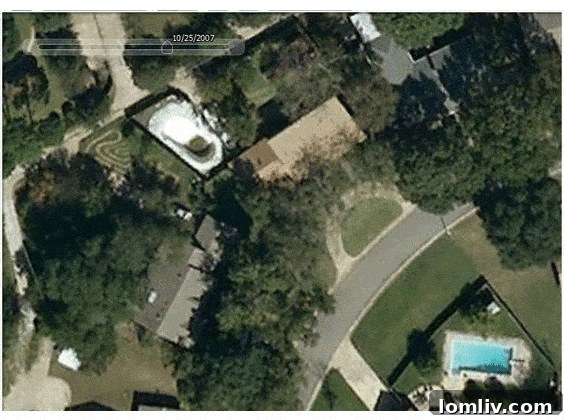
The Google Earth image, presumably showcasing the property over a period of time, further solidifies the argument that this is not an isolated incident. This visual documentation suggests a persistent issue, making the situation even more egregious. It begs the question: if the neglect has been long-standing, why hasn’t it been addressed by city code enforcement, or more importantly, by the Councilwoman herself? The optics are undeniably poor, and the message it sends to Dallas residents is profoundly disheartening. How can the public expect adherence to city regulations from their neighbors when those charged with leadership appear to disregard them?
Ultimately, the core question posed by this situation is simple, yet profound:  If you cannot manage or care for your own property, ensuring it meets basic civic and public health standards, how can you possibly be trusted to effectively manage and care for a major city like Dallas, with its complex challenges, diverse population, and critical public health concerns?
This is more than just a pool full of stagnant water; it’s a potent symbol of accountability, or the lack thereof, in public service. The citizens of Dallas deserve leaders who not only understand the challenges facing the community but actively work to resolve them, starting with setting the highest example in their own conduct and property maintenance. The fight against West Nile Virus is a collective one, and it requires every individual, particularly those in positions of authority, to play their part responsibly. Only then can public trust be maintained and the health and safety of the entire community be truly protected. It’s a call to action for all, reminding us that civic responsibility begins at home.