Colleyville’s Quiet Battle: Residents Challenge Heliport Applications to Preserve Rural Charm
The tranquil suburban landscape of Colleyville, renowned for its spacious properties and serene neighborhoods, recently found itself at the heart of an unexpected controversy. Two separate requests for Special Use Permits to establish private heliports in residential areas sparked a wave of concern among local residents. These applications, notably submitted by individuals who do not reside within the affected neighborhoods, were ultimately withdrawn last month following significant community outcry. This development, while a temporary reprieve, has ignited a broader discussion about maintaining the unique character of Colleyville’s quiet, semi-rural subdivisions and the types of development deemed appropriate for such communities.
The initial application, submitted by Caris Real Estate LLC, sought approval for a heliport on a sprawling 4.79-acre site located at 1407 Oak Knoll Drive. This request was slated for the December 11 Colleyville Planning and Zoning Commission agenda but was withdrawn prior to the meeting, as reported by LocalNewsOnly.com. The news outlet, a vital source covering Colleyville, Grapevine, Southlake, and Keller, highlighted the local significance of these proposals.
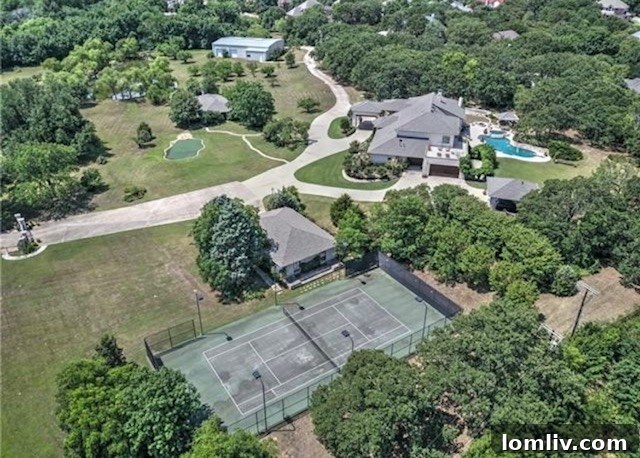
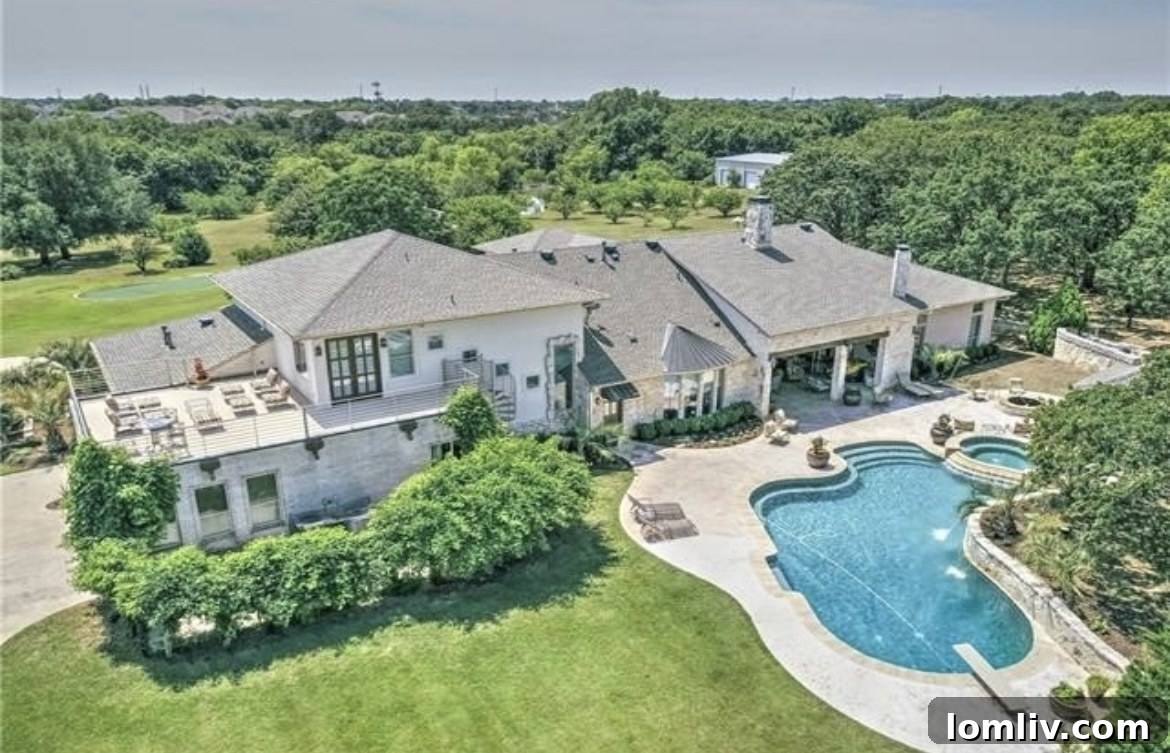
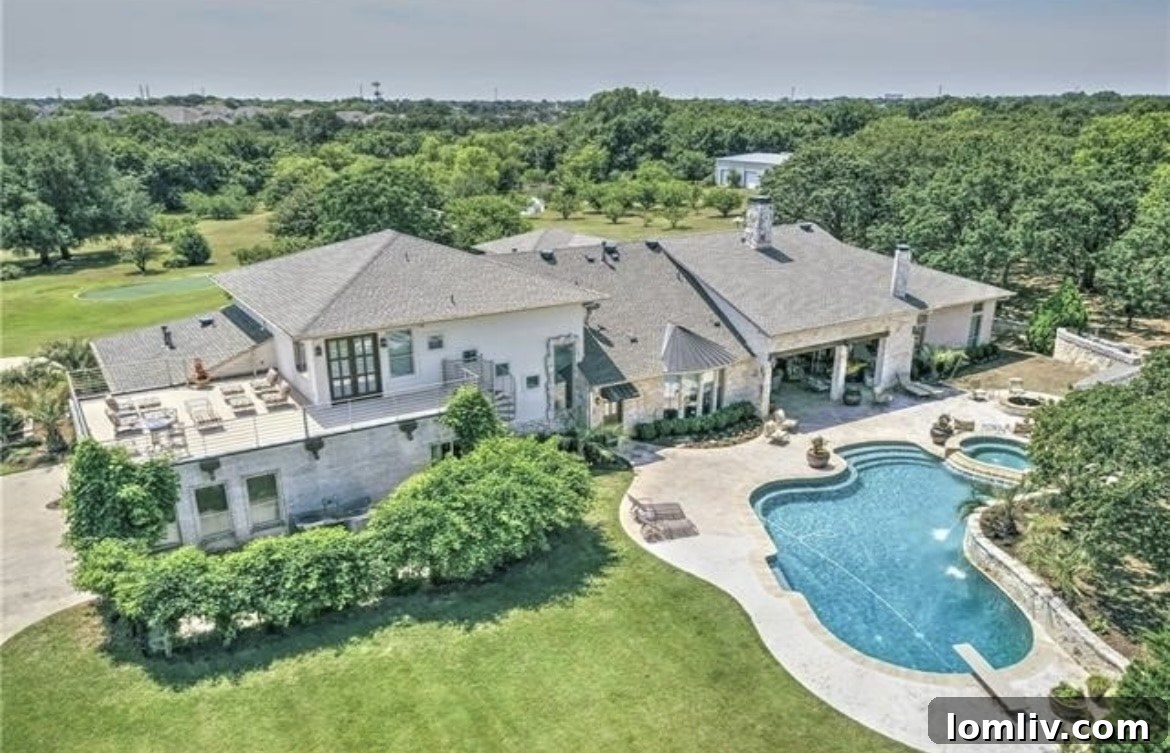
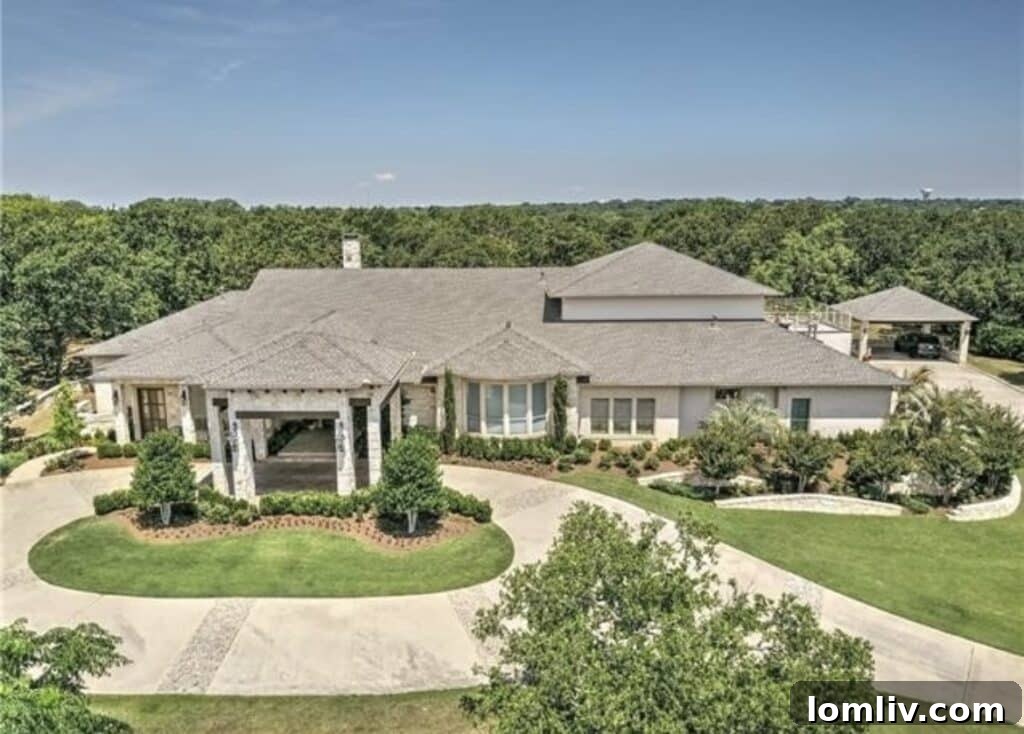
Concurrently, another request for a heliport at 2325 Oak Knoll Drive, nestled within Colleyville’s Windview Addition, remained on the P&Z agenda. This second application, put forth by Family Tides, LLC, was reportedly linked to Southlake residents Kathy and David Halbert. The property in question boasts a $1.5 million home situated on an expansive 8.24-acre lot, a residence with a notable past as it was once owned by former Texas Rangers pitcher Jeff Russell. A reporter from daltxrealestate.com meticulously followed the December 11 Colleyville P&Z meeting, confirming that this second application was also subsequently withdrawn. These withdrawals, while providing immediate relief to concerned residents, raise pertinent questions about the long-term resolution of this contentious issue.
For now, it appears the immediate threat of heliports in Colleyville neighborhoods has receded, largely due to a vocal public outcry. However, as LocalNewsOnly.com reported, the applicants maintain the option to “reapply and start the process all over again, should they wish to proceed in the future.” This lingering possibility means the community must remain vigilant. The proposals had already been tabled from a previous November meeting, indicating a pattern of persistence from the applicants and underscoring the need for continued community engagement. Despite efforts to reach out to Colleyville Place 5 City Councilman Chuck Kelley, who serves as a crucial liaison between the council and the P&Z Commission, no official statement was received by the initial publication’s deadline, leaving residents to ponder the future implications.
Residents Mobilize: Colleyville Community Unites Against Heliports
The proposals galvanized Colleyville residents, prompting swift organization and strong opposition. Their concerns were multi-faceted, reflecting a deep apprehension about how private heliports could fundamentally alter their quality of life and the very essence of their community. Key among the anxieties raised were:
- Erosion of Rural Character: Colleyville prides itself on its quiet, semi-rural atmosphere, characterized by spacious lots, mature trees, and a sense of tranquility. Residents fear that the constant noise, visual intrusion, and increased air traffic associated with heliports would irrevocably diminish this cherished rural feel, transforming peaceful neighborhoods into industrial landing zones. The rhythmic thrum of helicopter blades would shatter the peace, replacing birdsong and rustling leaves with mechanical clamor.
- Setting a Dangerous Precedent: A significant concern is the potential for these approvals to set a precedent. If one heliport is permitted, residents worry it could open the floodgates for more such applications, progressively eroding existing zoning protections and leading to a proliferation of heliports across the city. This could fundamentally shift the development trajectory of Colleyville, moving it away from its established residential character towards a less desirable, more industrialized model.
- Impact on Local Wildlife: The serene environment of Colleyville supports diverse local wildlife. The intense noise, vibrations, and potential air pollution from helicopters pose a serious threat to these animals, disrupting their habitats, breeding patterns, and overall well-being. From backyard birds to larger animals, the ecosystem could face unforeseen and detrimental consequences, further detracting from the natural appeal of the area.
- Environmental and Carbon Footprint Ramifications: Beyond immediate noise, residents expressed concerns about the broader environmental impact. Helicopters contribute to air pollution and have a significant carbon footprint. Allowing private heliports would introduce additional localized emissions, counteracting efforts towards environmental sustainability and potentially impacting local air quality, a critical health concern for any community.
The sentiment within the community was powerfully articulated by Colleyville resident Tom Hart, who highlighted the disproportionate impact of such proposals on social media. With roughly 9,300 households and a population of about 25,000 residents, Hart emphasized, “I cannot think of any situation (such as a heliport) within a township that would be more disruptive to so many, but benefiting only the very, very few.” This encapsulates the core of the opposition: a perceived imbalance between the private convenience of a few and the collective detriment to the many.
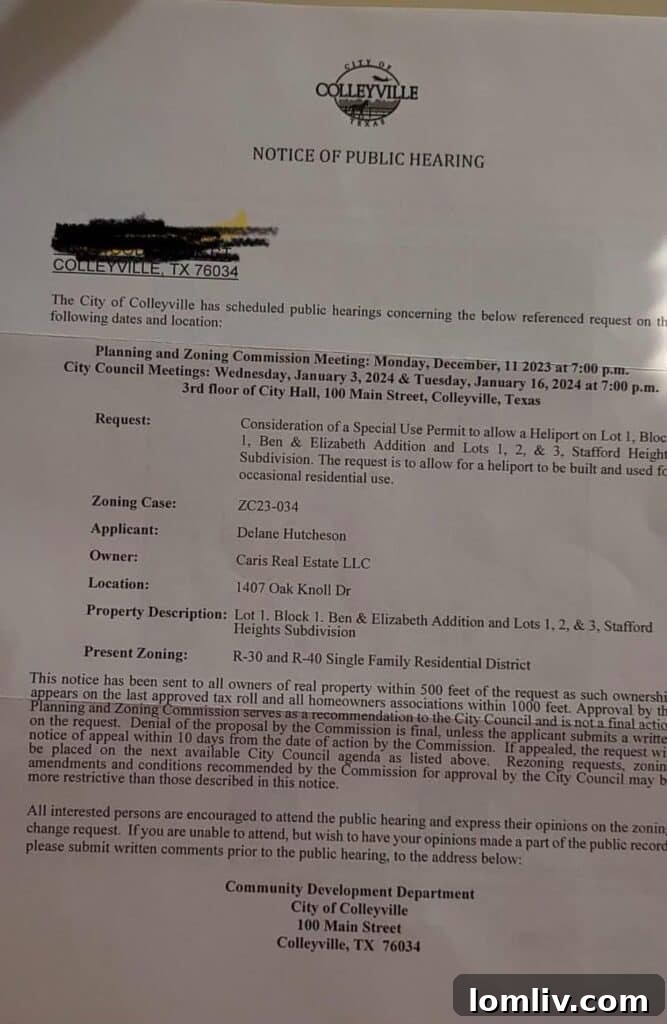
Adding to the nuanced debate, another resident commented on the perceived lack of effective regulatory barriers, stating that they didn’t believe there was any way to prevent helicopters from taking off and landing on private property as long as they maintained a distance of 500 feet from any structure. “You don’t need a helipad for that,” the resident pointed out on Facebook. “They land in fields all the time.” This highlights a critical distinction between a formally approved heliport and more informal, potentially unregulated landings, which further complicates the enforcement and impact of such activities. However, another resident quickly countered by pointing to Colleyville’s municipal code, specifically commenting, “It would seem that helicopters taking off and landing in a residential area would easily qualify under the nuisance noise clause.” This suggests that even without a designated helipad, the city’s existing ordinances could provide avenues for residents to address noise and quality-of-life infringements, offering a glimmer of hope for regulatory recourse.
The recent withdrawals represent a victory for community activism and a testament to the power of organized residents. However, the underlying issue of balancing individual property rights with collective community well-being remains a live debate in Colleyville. The fact that applicants can reapply means the community’s vigilance is essential. This controversy underscores the vital role of local planning and zoning commissions in shaping the future character of communities and the importance of transparent, responsive governance in addressing resident concerns. The spirited defense of Colleyville’s tranquil environment against potential heliport development serves as a powerful example of residents coming together to protect their shared values and way of life. As the situation remains fluid, residents are encouraged to stay informed and continue their engagement with local officials to ensure that Colleyville retains its cherished rural charm for generations to come. Stay tuned to daltxrealestate.com for comprehensive updates on the evolving Colleyville heliport issue and its broader implications for local zoning and community development.