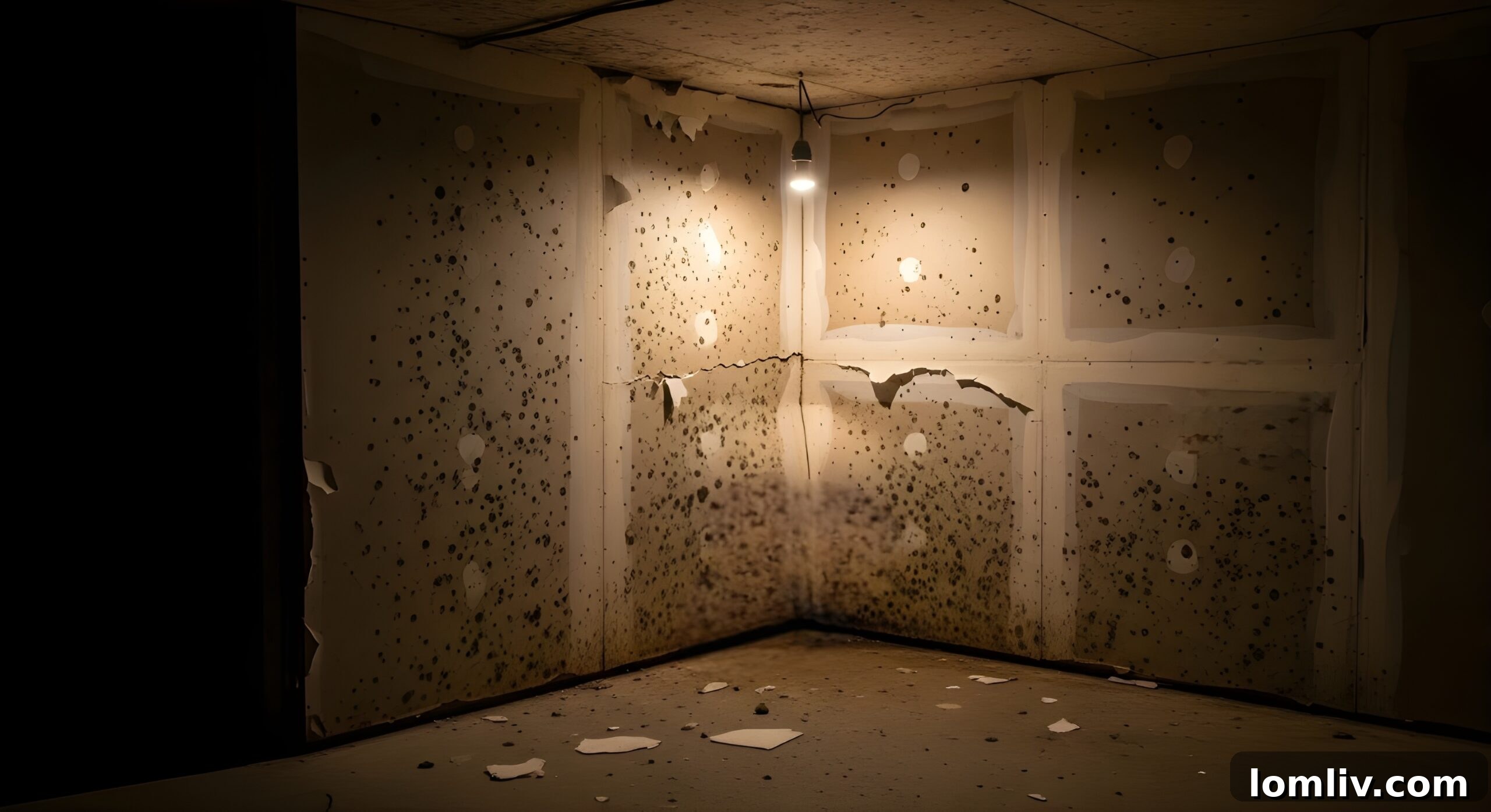
Mold is a silent intruder, an insidious problem with far-reaching consequences that often go unnoticed until significant damage has occurred. It thrives in obscurity, diligently spreading its spores behind walls, beneath flooring, or within any forgotten, damp corner of your property. As it colonizes, mold not only compromises the structural integrity of your home but also drastically diminishes indoor air quality. What might initially appear as a minor discoloration today can rapidly escalate into a severe infestation, signaling a much larger, deeply embedded issue within your building materials. Understanding the inherent risks of mold growth and knowing precisely when to engage professional mold remediation services is crucial. This proactive approach is particularly vital for homeowners and businesses in regions prone to moisture, such as Massachusetts, Connecticut, New Hampshire, Vermont, and Upstate New York, as it safeguards both the health of occupants and the longevity of the property.
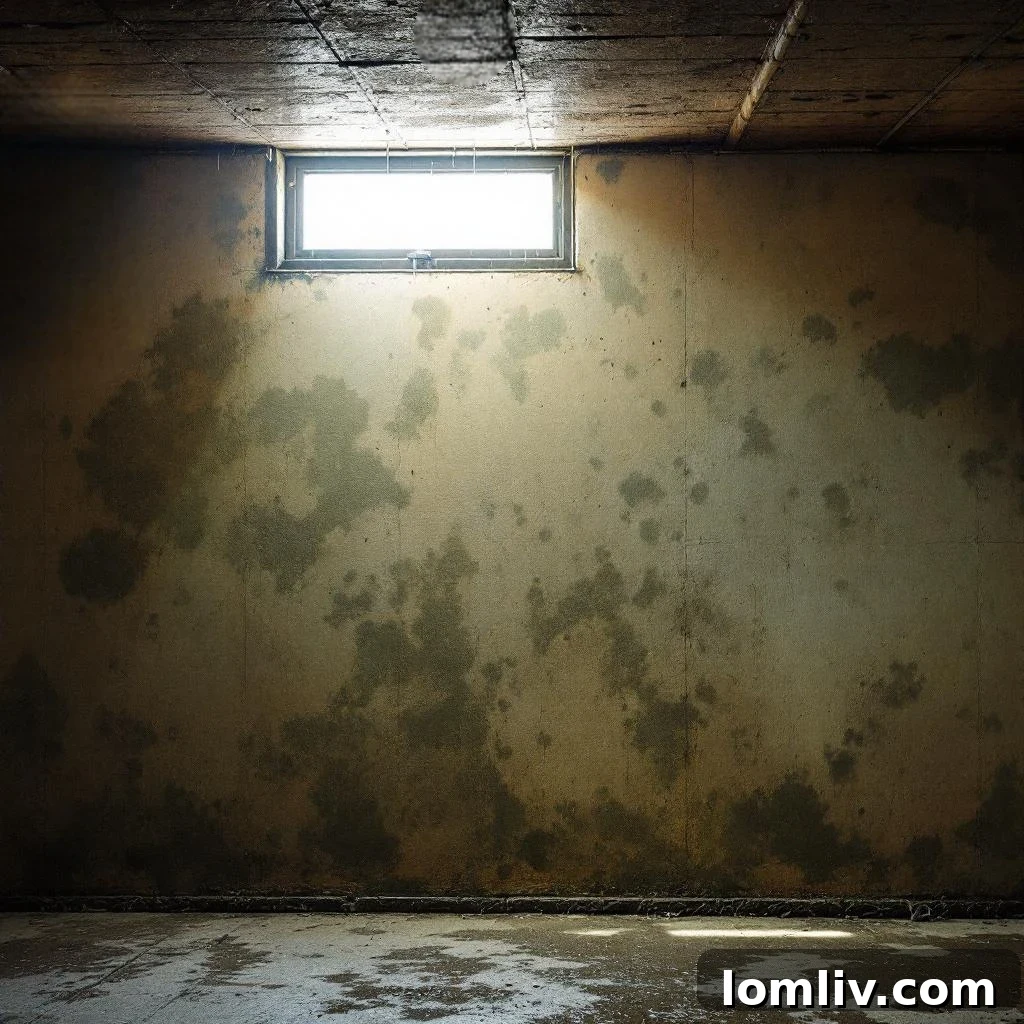
Understanding Mold: Its Nature and Origins
Mold, a type of fungus, is ubiquitous in our environment, with its microscopic spores constantly floating through the air. However, these spores only become problematic when they encounter the ideal conditions for growth within an indoor environment. For mold to establish a thriving colony, it requires three fundamental elements: a source of moisture, warmth, and an organic food source. Within residential and commercial properties, the “food” is abundant and diverse, often consisting of cellulose-based materials like drywall, wood framing, insulation, carpeting, upholstery, and even common household dust.
A myriad of factors can contribute to the development of these optimal conditions. Common triggers for mold proliferation often include insidious, slow plumbing leaks hidden beneath sinks or behind walls, roof seepage stemming from damaged shingles or faulty flashing after a heavy storm, and persistent condensation on cold surfaces such as pipes, windows, or uninsulated attic components. Furthermore, significant water intrusion events like basement floods, burst pipes, or overflowing appliances create an immediate and severe mold risk. Rooms lacking adequate ventilation, such as steamy bathrooms, poorly aired basements, or enclosed laundry areas, also provide the stagnant, humid environment that mold spores crave.
Once mold spores land on a damp surface, they can rapidly germinate and establish colonies. These colonies can spread with astonishing speed, often penetrating deep into porous building materials where they remain invisible to the naked eye. This characteristic makes mold particularly challenging to detect and eradicate effectively. Merely wiping away visible surface mold is almost always insufficient, as it fails to address the underlying root cause – the persistent moisture problem. Unless the source of moisture is identified, repaired, and the affected materials thoroughly dried, mold is almost guaranteed to return, continuing its detrimental impact.
Health Risks Associated with Mold Exposure

Exposure to mold affects individuals differently, with reactions varying based on sensitivity, duration of exposure, and the specific type of mold present. However, prolonged or significant contact can take a substantial toll on one’s health, especially for vulnerable populations such as children, older adults, pregnant women, and anyone with pre-existing conditions like asthma, severe allergies, or a compromised immune system.
- Respiratory Issues: Mold spores and tiny fungal fragments, when inhaled, act as irritants to the respiratory system. This can trigger a range of symptoms including persistent coughing, wheezing, shortness of breath, and exacerbated asthma attacks. Individuals may also experience chronic sinus congestion, throat irritation, and a feeling of chest tightness, resembling a persistent cold or flu.
- Allergic Reactions: For many, mold acts as a powerful allergen. Exposure can lead to classic allergic responses such as continuous sneezing, a runny or stuffy nose, watery and itchy eyes, skin rashes or dermatitis, and a persistent postnasal drip. These symptoms often worsen significantly when individuals are in the contaminated environment and improve when they leave.
- Chronic Fatigue and Headaches: Poor indoor air quality, heavily contaminated with mold spores and volatile organic compounds (VOCs) released by mold, can profoundly affect overall well-being. Many individuals report inexplicable chronic fatigue, general malaise, difficulty concentrating (“brain fog”), and recurrent headaches, which can significantly impair daily functioning and quality of life.
- Infections and Immune Concerns: Individuals with weakened immune systems, whether due to illness, medication, or medical conditions, face a higher risk of developing fungal infections. These infections can affect the lungs, skin, or other organs and may lead to more severe respiratory complications, particularly with prolonged exposure to certain species of mold.
- Neurological Effects (in severe cases): Certain species of mold, often mistakenly grouped under the term “black mold” (Stachybotrys chartarum being one example), produce toxic compounds known as mycotoxins. In severe and prolonged exposure scenarios, these toxins have been linked to more serious neurological issues. Symptoms reported can include problems with concentration, memory impairment, mood disturbances, dizziness, and a general feeling of disorientation. This phenomenon is sometimes associated with “sick building syndrome.”
It is important to note that mold-related symptoms often develop gradually and can be subtle initially. By the time an individual notices a distinct pattern – feeling consistently worse when at home and experiencing relief upon leaving – the mold infestation may already be widespread and deeply entrenched. If you suspect mold-related health issues, it is imperative to speak with a medical professional for diagnosis and treatment. Mold remediation complements medical care but does not replace it; both are essential for recovery and prevention of recurrence.
Signs You May Have Mold in Your Home
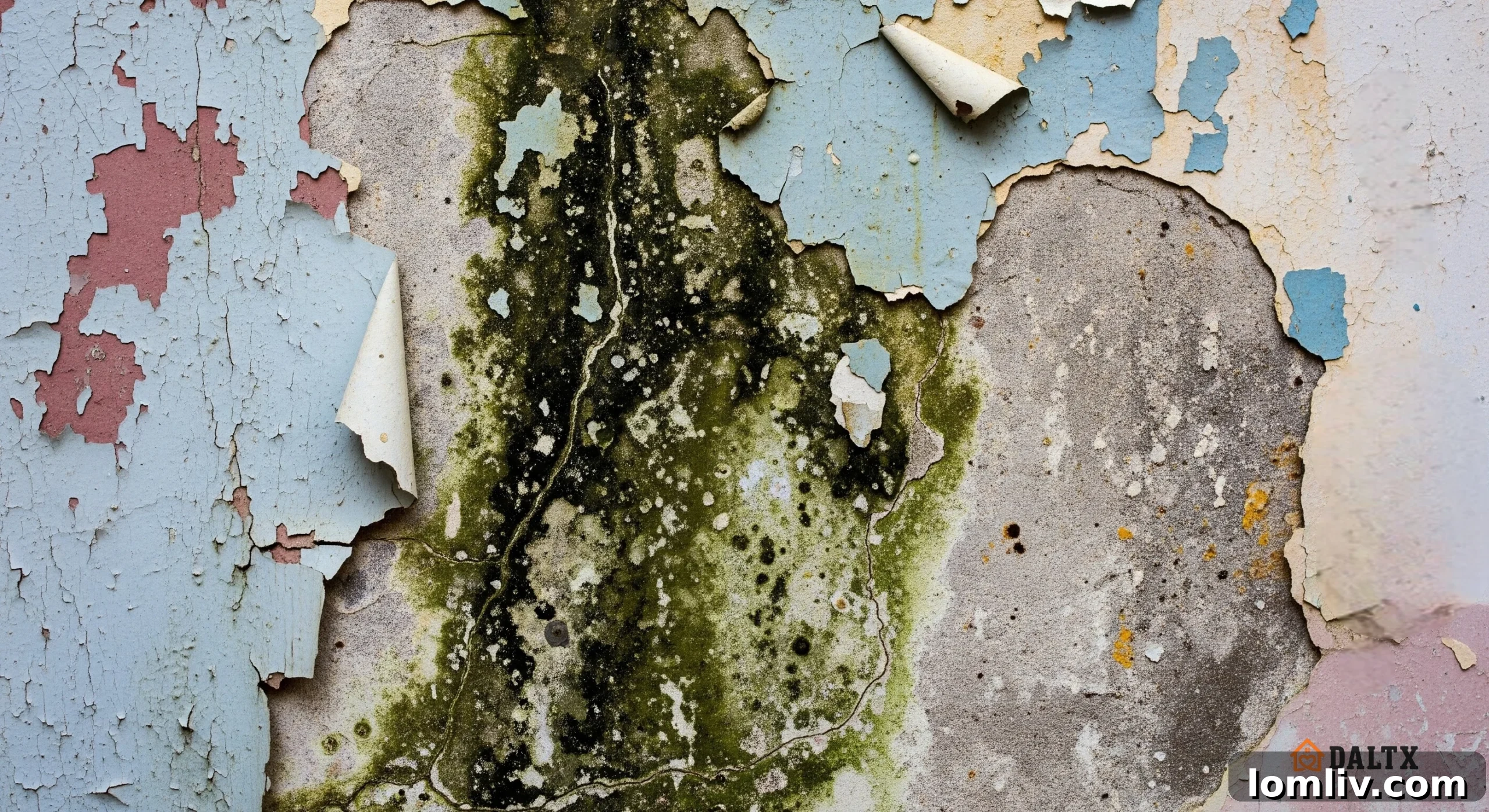
Detecting mold isn’t always straightforward, as much of its growth can be hidden from plain sight. However, your home often provides early clues if you know what to look and smell for. Being vigilant for these indicators can help you catch a mold problem before it escalates:
- Persistent Musty Odor: This is arguably one of the most reliable indicators of hidden mold. Mold produces distinct volatile organic compounds (VOCs) that emit an earthy, damp, or pungent smell, often described as a “musty” odor. This smell may be particularly noticeable after rain, in basements, crawl spaces, bathrooms, or closets, and it can permeate fabrics and furniture. If you smell mold, it’s almost certainly growing somewhere.
- Visible Mold Growth: While not always visible, any dark specks, slimy patches, or fuzzy growth on walls, ceilings, baseboards, window sills, shower curtains, or around HVAC vents should be treated as suspicious. Mold can appear in various colors, including black, green, brown, white, or even orange and pink. Don’t mistake dirt or soot for mold; if it looks fuzzy, slimy, or discolored and is in a damp area, it’s likely mold.
- Structural or Material Damage: Mold often signals underlying moisture, which can cause visible damage to your home’s structure. Look for peeling paint, bubbling or cracking wallpaper, warped or swollen wood trim, stained or discolored drywall, and crumbling plaster. These signs often indicate that moisture is trapped behind the surface, creating an ideal environment for mold to flourish.
- Consistent Allergy or Asthma Symptoms: As discussed, unexplained or worsening allergy or asthma symptoms, particularly when you are indoors and improve when you leave your home, can be a strong indicator of mold presence. If family members frequently experience coughing, sneezing, itchy eyes, skin rashes, or difficulty breathing only when at home, mold should be considered as a potential cause.
- Excessive Condensation: Persistent condensation on windows, pipes, or other cold surfaces suggests high indoor humidity. While not mold itself, high humidity creates the perfect breeding ground. If not addressed, this condensation can lead to moisture accumulation on surfaces, eventually fostering mold growth.
- History of Water Damage: Any past leaks, floods, or water intrusions that were not thoroughly dried within 24–48 hours are prime candidates for mold growth. Even seemingly small spills that soaked into carpeting or drywall can harbor mold if not dried completely and promptly. If you’re checking a past leak location and the area still feels damp or smells earthy, assume there’s more extensive mold growth occurring than what is immediately apparent.
When to Call a Professional Mold Remediation Service
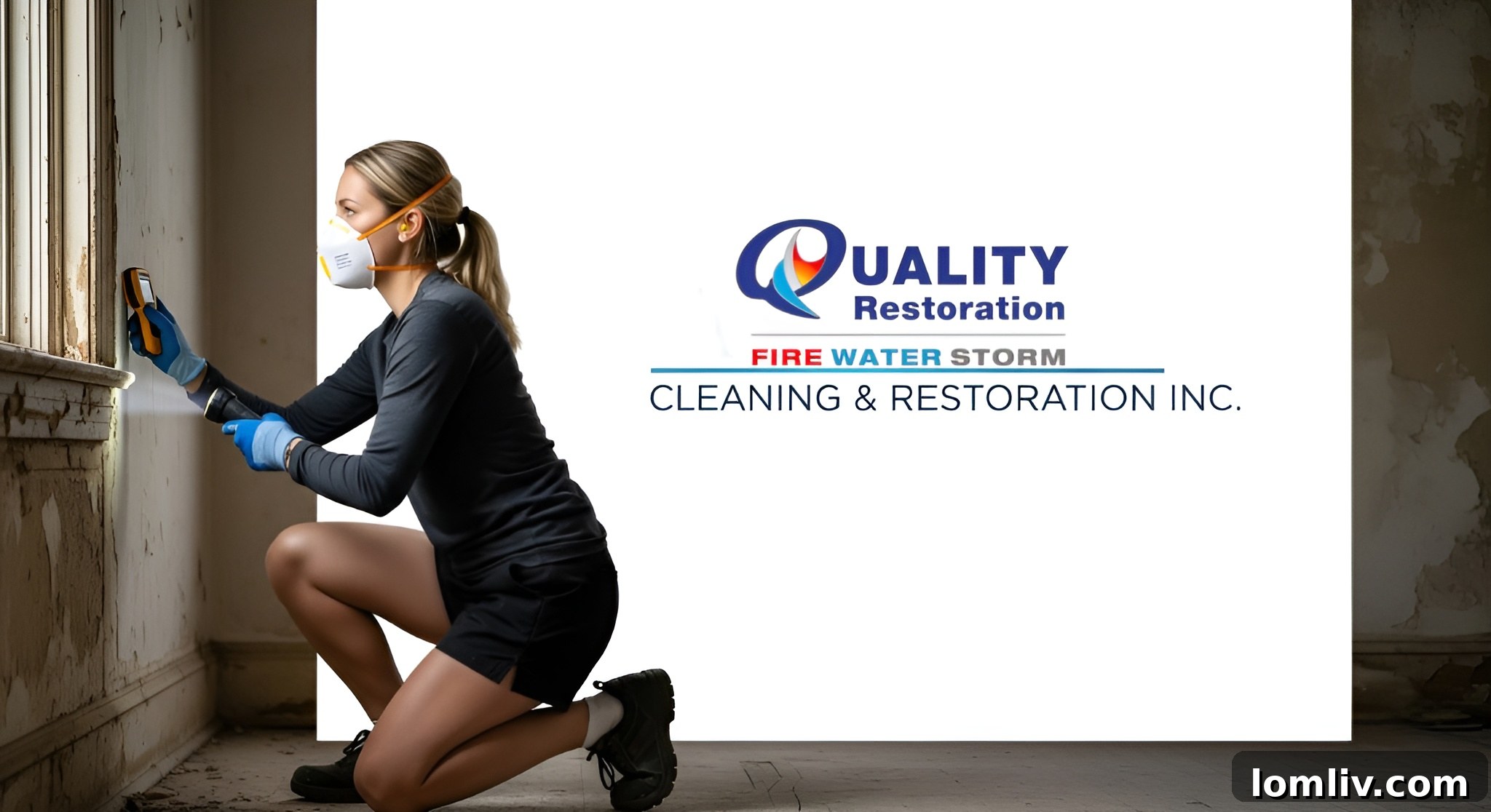
While small patches of mold might seem like a manageable DIY project, attempting to clean or remove larger infestations without proper knowledge and equipment can actually exacerbate the problem. Incorrect methods can spread mold spores throughout your home, leading to wider contamination and increased health risks. It is always advisable to bring in a certified mold remediation company if any of the following conditions apply:
- Large Affected Area: If the visible mold growth covers an area larger than approximately 10 square feet (about a 3-foot by 3-foot patch), professional intervention is necessary. This scale indicates a significant infestation that requires specialized containment and removal techniques to prevent cross-contamination.
- Hidden Mold: If you detect a pervasive musty odor but cannot locate the source, it strongly suggests hidden mold growth within walls, ceilings, or flooring. Professionals possess advanced tools like moisture meters and infrared cameras to pinpoint these unseen moisture sources and mold colonies without unnecessary demolition.
- Prolonged Water Damage: If water damage has been present for more than 48 hours, the risk of extensive mold growth becomes incredibly high. Mold spores can germinate and begin to colonize within this timeframe, and the deeper the moisture has penetrated, the more difficult it is for a homeowner to effectively dry and remediate.
- Health Concerns: If anyone in your household is experiencing ongoing respiratory issues, severe allergic reactions, or other unexplained health symptoms that worsen at home, professional remediation is crucial. Protecting the health of vulnerable occupants should be the top priority.
- Repeat Mold Growth: If you have cleaned mold multiple times, only for it to return, it indicates that the underlying moisture source has not been adequately addressed. A professional will identify and rectify the root cause, preventing future recurrences.
- Mold in Sensitive Locations: Suspected or confirmed mold growth in critical areas like HVAC systems, crawl spaces, attics, or within wall cavities demands expert attention. Mold in HVAC systems can rapidly circulate spores throughout the entire building, while growth in crawl spaces or attics often points to significant structural moisture problems that require specialized access and remediation protocols.
What Professional Mold Remediation Entails: A reputable mold remediation firm follows a comprehensive, systematic process to ensure complete and safe removal of mold and its underlying causes. This typically includes:
- Thorough Inspection and Assessment: Specialists use advanced equipment like moisture meters, hygrometers, and thermal imaging cameras to precisely locate moisture sources, assess the extent of mold growth, and identify affected materials – even in hidden areas.
- Containment and Air Filtration: To prevent the spread of spores, the affected area is isolated using plastic sheeting and negative air pressure systems. HEPA (High-Efficiency Particulate Air) air scrubbers and dehumidifiers are deployed to continuously filter airborne mold spores and reduce humidity levels.
- Removal of Contaminated Materials: Porous materials heavily contaminated with mold (e.g., drywall, insulation, carpeting, wood) are carefully removed, bagged, and disposed of according to industry standards. Non-porous surfaces are meticulously cleaned using specialized antimicrobial solutions.
- Drying and Dehumidification: Industrial-grade air movers and dehumidifiers are used to thoroughly dry out the affected areas, ensuring that all moisture is eliminated to prevent future mold growth.
- Cleaning and Sanitization: All remaining surfaces are cleaned, sanitized, and often treated with an antimicrobial agent to eliminate any residual mold spores and prevent re-growth.
- Moisture Source Repair: Crucially, the professionals identify and address the root cause of the moisture intrusion – be it a leaky pipe, a damaged roof, poor ventilation, or inadequate exterior grading – ensuring mold does not return.
- Post-Remediation Verification: After the remediation work is complete, some firms offer or recommend third-party testing (clearance testing) to confirm that mold levels have returned to normal, healthy indoor air quality standards.
When selecting a remediation company, look for certifications (such as IICRC – Institute of Inspection, Cleaning and Restoration Certification), comprehensive insurance, transparent pricing, and a clear scope of work. These factors ensure a professional, effective, and safe remediation process.
Preventing Mold Growth: A Proactive Approach
The best way to deal with mold is to prevent it from growing in the first place. Adopting proactive measures can significantly reduce the risk of mold infestation and help maintain a healthy indoor environment:
- Control Indoor Humidity: Maintain indoor humidity levels between 30% and 50% using air conditioners in summer and dehumidifiers in damp areas like basements and crawl spaces. Monitor humidity with a hygrometer.
- Ensure Proper Ventilation: Use exhaust fans in bathrooms when showering and in kitchens when cooking to vent moisture directly outdoors. Ensure attics and crawl spaces are properly ventilated to prevent moisture buildup and condensation.
- Fix Leaks Promptly: Regularly inspect plumbing, roofs, and appliances for leaks. Repair any drips or seeping water immediately, as even small leaks can lead to significant mold problems over time.
- Dry Water-Damaged Areas Quickly: After any water intrusion, whether a spill, leak, or minor flood, ensure all affected areas and materials are thoroughly dried within 24-48 hours. This is the critical window before mold can begin to colonize.
- Clean and Maintain Gutters: Keep your gutters and downspouts clear of debris to ensure proper drainage away from your home’s foundation. Clogged gutters can cause water to pool around the foundation, leading to basement or crawl space moisture.
- Improve Exterior Drainage: Ensure the ground around your home slopes away from the foundation. This prevents rainwater from accumulating near the base of your house and seeping into the basement or crawl space.
- Use Mold-Resistant Products: When renovating or building, consider using mold-resistant drywall, paint, and insulation, particularly in moisture-prone areas like bathrooms and basements.
- Regular Cleaning: Dust and vacuum your home regularly. Dust contains organic particles that can serve as a food source for mold, so keeping surfaces clean removes potential breeding grounds.
Don’t Wait to Take Action
Mold is not a problem that will resolve itself. The longer it remains unaddressed, the deeper it can spread into drywall, insulation, wood framing, and flooring, causing escalating structural damage and significantly increasing both health risks and repair costs. Fast, professional mold remediation is essential to limit damage, restore healthy indoor air quality, and protect your home’s structure and overall value. Following the cleanup, diligently maintain humidity levels (ideally between 30%–50%), ensure bathroom and kitchen exhaust fans are properly vented outdoors, and fix any leaks promptly to prevent a recurrence. Your proactive steps today will ensure a healthier, safer, and more valuable home for tomorrow. If you suspect mold in Massachusetts, Connecticut, New Hampshire, Vermont, or Upstate New York, do not hesitate to contact experienced professionals.