

The Dawn of Transparent Solar: A Revolution in Renewable Energy and Sustainable Architecture
The concept of a world powered entirely by renewable energy once seemed like a distant dream, almost an April Fool’s joke to some. Yet, as we stand on the precipice of a new energy era, this vision is rapidly becoming a tangible future. Among the myriad of renewable power sources available today—hydroelectric, geothermal, wind—only one possesses the sheer, unbridled potential to meet the entirety of our planet’s energy demands: solar power. It’s an astounding fact that harnessing a mere 0.02 percent of the solar energy that bathes Earth’s surface daily could adequately power the entire globe. The illustrative map above vividly demonstrates the surprisingly compact surface area required to generate enough solar electricity for the entire United States.
For decades, solar energy has been burdened with unfulfilled promises, akin to a persistent, yet unreliable suitor. However, unlike that hypothetical suitor, solar technology has diligently worked to redeem itself, steadily advancing to meet and exceed expectations. Today’s solar solutions are dramatically more affordable, thinner, less intrusive, and, most remarkably, they are becoming transparent. This paradigm shift heralds a new age of integration, where energy generation seamlessly blends into our built environment.
Overcoming Traditional Solar’s Limitations: Aesthetics and Space
Historically, one of the primary impediments to widespread solar adoption has been the significant physical space required for traditional photovoltaic (PV) panels, coupled with their often unattractive, industrial aesthetic. These large, opaque panels, typically mounted on rooftops, present considerable challenges for urban environments and multi-story buildings where space is at a premium and architectural integrity is paramount.
While innovations like Tesla’s sleek, low-profile solar panels and integrated solar shingles have made residential rooftop installations more aesthetically pleasing and efficient, they primarily cater to single-family homes with ample roof area. These solutions effectively allow individual homes to achieve significant energy self-reliance, transforming rooftops into active power generators without compromising curb appeal.
However, the challenge persists for multi-story residential complexes and commercial skyscrapers. Such towering structures simply lack the proportional roof area relative to their vast interior square footage to become energy self-sufficient through rooftop solar alone. The taller a building ascends, the smaller the ratio of its roof to its overall usable space becomes, rendering conventional rooftop solar insufficient. While one could theoretically affix traditional solar panels to a building’s exterior walls, the visual impact would be akin to adorning them with large, black refrigerator magnets – hardly a vision of captivating modern architecture that developers or city planners would embrace.
This critical gap between the immense potential of solar energy and the practical limitations of its traditional application in high-density urban settings has spurred groundbreaking innovation. Visionary companies are now focused on transforming conventional building materials, particularly glass, into sophisticated, energy-producing power plants, fundamentally altering how we perceive and integrate solar technology.
Pioneering Transparent Solar Solutions: PHYSEE’s PowerWindow
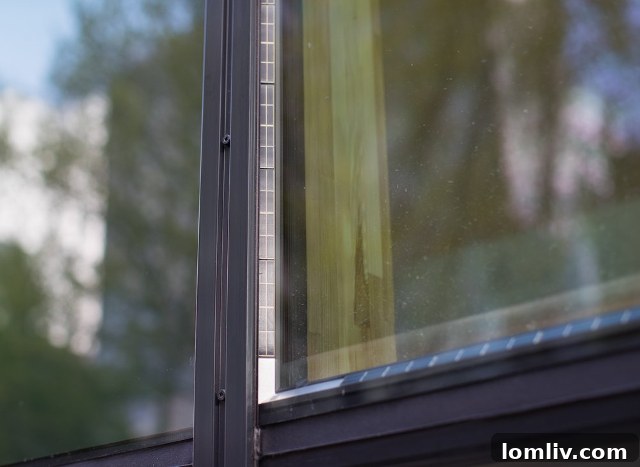
Among the frontrunners in this revolutionary field is PHYSEE, an innovative company that emerged in 2014 as a spin-off from the esteemed research labs of the Delft University of Technology in the Netherlands. PHYSEE’s groundbreaking concept, aptly named PowerWindow, reimagines the role of a standard window by integrating thin strips of solar panel material directly into the exterior frame of double-pane windows. This ingenious design allows for discreet energy generation without obstructing views or altering the window’s primary function.
The PowerWindow technology currently boasts an impressive energy output of approximately 8-10 watts per square meter of glass. While this might not be enough to render an entire multi-story building completely energy self-sufficient, it offers substantial supplementary power. For context, this output is sufficient to keep mobile devices charged, power a 60-watt incandescent-equivalent LED lightbulb, or meet the specific energy demands of individual rooms. For instance, the windows in a typical bedroom or bathroom could easily generate enough electricity to cover that room’s lighting and small appliance needs, contributing meaningfully to overall building efficiency.
PHYSEE has already demonstrated the practical viability of its technology through successful trials on a newly constructed bank building and, more recently, a high-rise apartment complex in the Netherlands. As a dynamic startup, the company is diligently working to scale up its manufacturing processes, which will enable broader expansion and commercialization of its innovative products. The potential for retrofitting existing structures, the relative pricing compared to traditional windows, and the possibility of wider solar strips for increased power generation remain exciting areas for future development and communication, underscoring the dynamic nature of this emerging market.
An advanced iteration of their offering is the SmartWindow. This intelligent system integrates a network of sophisticated sensors around the window perimeter, continuously monitoring environmental factors such as brightness, temperature, and occupancy. The collected data is then fed into a proprietary application that intelligently automates air handling systems and shade positions. This proactive approach not only optimizes indoor comfort but also significantly reduces overall power consumption, transforming windows from passive architectural elements into active participants in a building’s energy management strategy.
Ubiquitous Energy: Harnessing Invisible Light with ClearView Power
Venturing further into the realm of transparent solar innovation, we encounter Ubiquitous Energy, another pioneering company with academic roots, founded in 2011 and now headquartered in Silicon Valley. While PHYSEE ingeniously utilizes the perimeter frame of windows, Ubiquitous Energy’s flagship product, ClearView Power, takes a bold step forward by leveraging the surface of the glass itself for electricity generation. This represents a profound shift from periphery to core in building-integrated photovoltaics (BIPV).
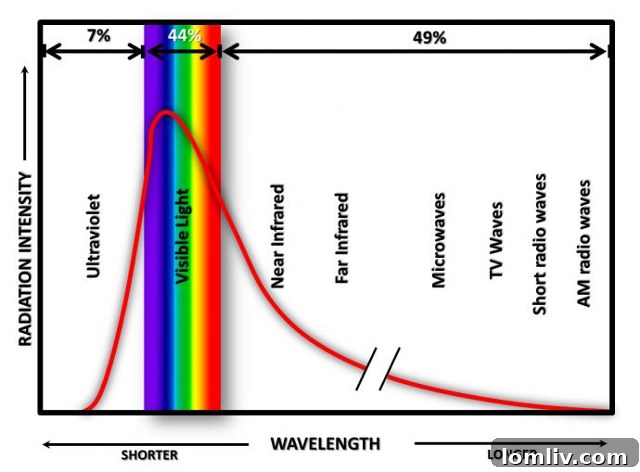
The genesis of Ubiquitous Energy’s revolutionary approach lies in a simple yet profound realization by researchers: the majority of sunlight that reaches Earth is invisible to the human eye. This includes powerful ultraviolet (UV) and infrared (IR) wavelengths. Traditional solar panels, by design, absorb the visible light spectrum, which is partly why they are opaque. The breakthrough came with the identification of specialized organic chemicals capable of reacting specifically with these invisible UV and IR wavelengths to generate electricity, without significantly impacting the passage of visible light.
These electricity-generating chemicals are integrated into a solution that is then applied as an ultra-thin, transparent coating to glass during the manufacturing process. For enhanced durability and protection from environmental elements, this ClearView Power coating is typically sandwiched between the panes of double-glazed windows, ensuring its longevity and maintaining the window’s structural integrity. Invisible, laser-cut channels are meticulously etched into this film to efficiently conduct the generated power to the window frame, where it seamlessly integrates with the building’s electrical grid, contributing to its overall energy supply.
The resulting ClearView Power glass boasts an impressive transparency of up to 90 percent, rendering the energy-generating capabilities virtually unnoticeable to the casual observer. This level of transparency is particularly pertinent for commercial applications, as many high-rise buildings already utilize tinted or low-emissivity glass to manage heat gain and glare. The natural progression, then, is to incorporate an electricity-producing tint directly into factory-produced commercial-grade windows, transforming them from passive light filters into active power sources without compromising aesthetics or functionality. Imagine a skyscraper where every window silently contributes to the building’s energy needs, reducing its carbon footprint and operational costs.

A Game-Changer: Ubiquitous Energy and AGC Partnership
The trajectory for Ubiquitous Energy became exponentially more exciting on June 28, when AGC, the world’s largest producer of flat glass, announced a landmark collaborative development agreement. This strategic partnership aims to accelerate the mass-market application and global distribution of ClearView Power coating. With a staggering annual revenue of $13.5 billion, Tokyo-based AGC possesses unparalleled global development, manufacturing, and distribution capabilities, making this alliance a potential game-changer for the entire transparent solar industry. AGC’s expertise is evident in high-end applications, such as the exquisite Kiriko cut glass interior option available in the new Lexus LS500. For architects and developers involved in mid- or high-rise projects, understanding the implications of this partnership is crucial. ClearView Power is poised to become an incredibly sought-after technology, fundamentally redefining architectural design and building sustainability.
Beyond architectural glass, the versatility of Ubiquitous Energy’s transparent coating technology extends to a myriad of flat surfaces. Imagine billboards equipped with battery packs, silently generating their own night lighting from the sun. Envision automobile glass, while perhaps not yet capable of fully powering an electric car, significantly extending its range as owners simply park in the sun for an extra few miles of charge. The technology also holds immense promise for consumer electronics, with phone and tablet screens potentially coated to continuously charge their batteries, although managing heat dissipation for sensitive electronics in direct sunlight would require careful engineering. While Ubiquitous Energy acknowledges the long-term potential for power-generating roads utilizing similar coating technologies, they prudently view that as a separate domain for future innovation.
The Future of Sustainable Architecture: Synergy and Evolution
The convergence of these innovative technologies presents a compelling vision for the future of sustainable architecture. I foresee a “best of both worlds” scenario emerging, where large buildings maximize their energy harvest. By combining Ubiquitous Energy’s highly transparent, invisible-light-harvesting coating across the entire glass surface with PHYSEE’s edge-cell installations, which efficiently capture any remaining light at the window perimeter, buildings could harness the absolute maximum electricity available from their fenestration. This synergistic approach would propel urban structures towards unprecedented levels of energy independence.
It is crucial to remember that solar energy, unlike its “bad boyfriend” stereotype, is a continuously evolving technology. Newer, more efficient, and even more integrated iterations will inevitably emerge as research and development mature. This ongoing progress promises to further reduce costs, enhance performance, and broaden the applications of solar power.
Vince Hunter, a Principal with Dallas’ esteemed WDG Architecture, eloquently encapsulates this transformative potential: “When fully developed, this technology could profoundly impact the actual form of architecture. Imagine designing structures where the power generated by its windows intrinsically drives the overall building shape. What will future skylines make of that!” This vision speaks to a future where buildings are not just passive consumers of energy but active, dynamic producers, shaping urban landscapes in entirely new and sustainable ways.
Furthermore, the long-term implications for retrofitting existing buildings are enormous. At some point, the coating application processes could become portable and efficient enough to “paint” the exterior of older structures, instantly transforming them into solar power generators. This retrofitting market represents an immense opportunity for urban renewal and energy transition, allowing older buildings to participate in the renewable revolution.
For developers, staying abreast of these innovations is not merely an option but a strategic imperative. Energy-efficient buildings, particularly those that generate their own power, command higher prices and attract greater interest from both businesses seeking to reduce operational costs and homeowners looking for lower utility bills. Even apartment tenants would likely be willing to pay a premium for significantly reduced or even zero electricity bills. The question for landlords becomes clear: would they prefer that hard-earned money flow into the coffers of utility companies or into their own, fueled by smarter, more sustainable investments?
The choice is stark: innovate and lead, or be left behind to your peril in an increasingly energy-conscious world.

About the Author: My focus areas include high-rises, HOAs, and property renovation. I also have a deep appreciation for modern and historical architecture, balanced against the evolving YIMBY movement. My writing has been recognized by the National Association of Real Estate Editors, earning three Bronze awards in 2016, 2017, and 2018, along with two Silver awards in 2016 and 2017. If you have an intriguing story to share or a proposal to make, please feel free to email me at [email protected]. While you’re welcome to search for me on Facebook and Twitter, you won’t find me there, but your effort is appreciated.