The Unsung Heroes of Urban Living: Why Freight Elevators Are Non-Negotiable in Multi-Family Housing
In a world increasingly dominated by personal branding and digital footprints, the old adage that one’s name should appear in the newspaper only three times – at birth, marriage, and death – feels like a relic of a bygone era. Yet, the “rule of three” still holds profound relevance in unexpected places, particularly within the realm of multi-family housing. While most residents rarely give them a second thought, the humble freight elevator plays a critical role in three pivotal moments of their lives: moving in, undertaking a significant renovation or receiving an oversized delivery, and finally, moving out.
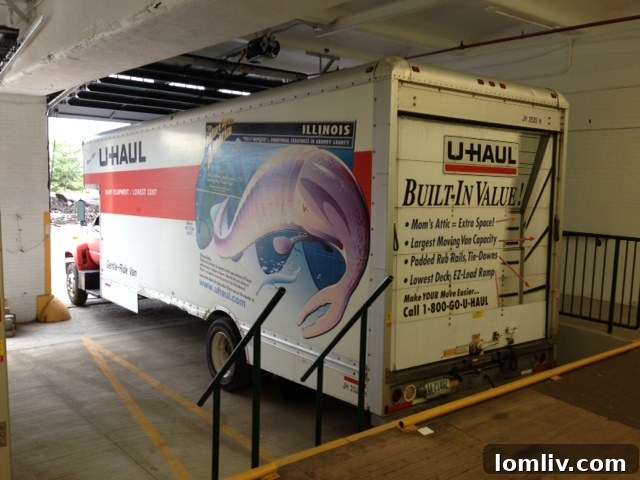
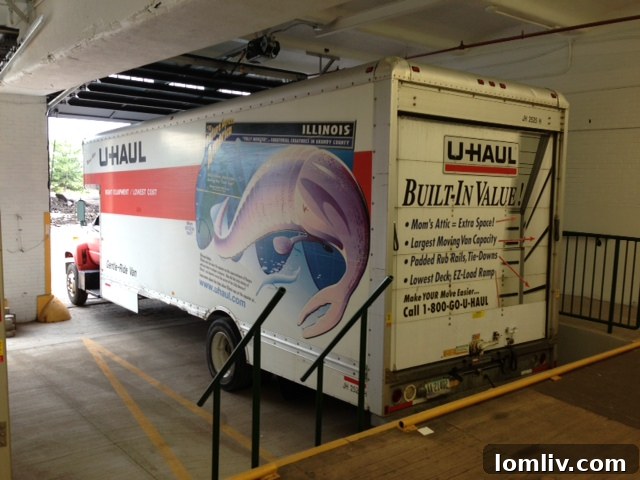
It’s during these key transitions that the absence or poor design of a dedicated freight elevator becomes glaringly apparent, transforming what should be a straightforward logistical task into a frustrating ordeal. Imagine waiting endlessly for a passenger elevator, only to find it crammed with someone else’s sofa, or worse, being forced to use stairs while movers navigate narrow hallways with expensive, delicate items. This isn’t just about convenience; it’s about efficiency, property preservation, and ultimately, the quality of life in a residential building. A dedicated freight elevator, or at the very least, a strategically placed and appropriately sized service elevator, is not a luxury—it’s an essential component of modern urban living.
The Undeniable Benefits of Dedicated Freight Elevators in Residential Buildings
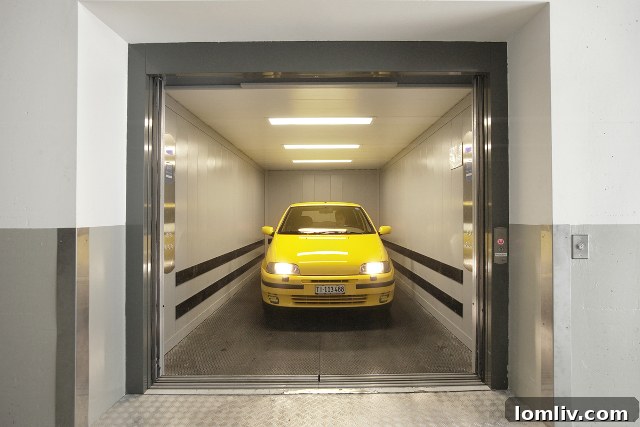
Freight elevators are more than just large boxes that go up and down; they are purpose-built machines designed to handle the heavy lifting and logistical challenges of residential transitions. Their benefits are manifold, extending far beyond the immediate convenience of movers.
Superior Size and Capacity for Seamless Moves
Unlike standard passenger elevators, freight elevators are typically larger in all dimensions – height, width, and depth. This increased capacity is crucial for accommodating oversized items that are common in residential moves and renovations. Think grand pianos, king-size mattresses, expansive dining tables, refrigerators, granite countertop slabs, and large pieces of art. The ability to transport these items in fewer trips significantly speeds up the moving process, saving both time and money for residents and movers alike. It also reduces the risk of damage to valuable possessions, as they are less likely to be squeezed, tilted, or maneuvered awkwardly.
Preservation of Property and Security Deposits
One of the most overlooked advantages of dedicated freight elevators is their role in protecting a building’s common areas and, by extension, residents’ security deposits. Freight elevators are built to withstand the bumps, scrapes, and heavy loads that come with moving. Their interiors are often more robust, featuring protective padding or durable finishes that can absorb impacts without showing damage. When movers are forced to use passenger elevators, the risk of dinging walls, scratching decorative finishes, or damaging sensitive control panels skyrockets. This can lead to costly repairs for the building management and potential deductions from a resident’s security deposit, even before they’ve fully settled in. By isolating freight traffic, buildings can maintain the pristine condition of their public spaces, ensuring a pleasant aesthetic for all residents and preserving the value of the property.
Enhanced Efficiency and Reduced Conflicts for All Residents
In buildings without dedicated freight elevators, the moving process often becomes a source of tension and inefficiency. Movers and residents vying for elevator access lead to frustrating delays, longer wait times, and crowded lobbies. Imagine trying to get to work while a moving crew loads an entire apartment’s worth of furniture into the only available elevator. Dedicated freight elevators eliminate this conflict entirely. They provide a separate, unimpeded channel for movers, allowing passenger elevators to operate smoothly for daily commuters, delivery personnel, and regular building traffic. This not only streamlines the moving process but also contributes to a more harmonious living environment for everyone.
Crucial for Renovation and Major Deliveries
The utility of freight elevators extends beyond initial move-ins and final move-outs. They are absolutely critical during renovation projects. Bringing in construction materials like drywall, flooring, tiles, or large appliances, and removing debris, would be a nightmare without them. Similarly, receiving oversized furniture deliveries, specialized equipment, or even bulk groceries for a large event can be made significantly easier. Without a dedicated freight option, these processes can become protracted, messy, and disruptive to the entire building.
A Recurring Oversight: Why Modern Buildings Still Get it Wrong
It was a point I hadn’t consciously considered until a recent Oak Lawn Committee meeting, where a member shrewdly asked for more detail on the proposed projects’ elevator placements in relation to their loading docks. Suddenly, a glaring omission became clear: why were these seemingly modern, thoughtfully designed buildings being planned without dedicated freight elevators?
Lessons Unlearned from Decades Past
You’d think developers would have ironed out such fundamental logistical issues decades ago. In fact, a perfect historical example stands just blocks away: the neighboring Preston Tower and Athena high-rises, both constructed in the mid-1960s. The slightly older Preston Tower notably lacks a dedicated freight elevator, a design choice that residents and management have undoubtedly grappled with over the years. However, the slightly younger Athena, built shortly after, features a distinct freight elevator. Many in the real estate community point to this as a clear instance where developer Hal Anderson learned a valuable lesson from an earlier oversight, improving subsequent projects based on real-world operational experience. Yet, despite such clear historical precedents, this oversight continues to plague contemporary architectural designs.
The Allure of Cost Savings and Maximizing Leasable Space
The persistence of this design flaw in new constructions often boils down to a few key factors. Developers are under constant pressure to optimize costs and maximize every square foot of leasable or sellable space. A dedicated freight elevator shaft, mechanical room, and the necessary loading dock infrastructure represent a significant investment in both capital and footprint. From a purely economic standpoint, cutting this feature might seem like an easy way to reduce construction costs or free up space for another apartment unit or amenity area. However, this short-sighted approach often leads to long-term operational headaches and reduced resident satisfaction.
Underestimating Resident Needs and Logistical Challenges
Another reason for this oversight might stem from an underestimation of residents’ actual needs. Developers and architects often focus on aesthetics, luxury finishes, and appealing amenities, sometimes overlooking the mundane but critical aspects of daily life, such as moving. They might assume that passenger elevators, perhaps slightly larger than average, can serve a dual purpose. However, as discussed, this compromises both functions and leads to significant friction. The dynamic nature of urban populations, with residents moving in and out more frequently, and the increasing trend of sophisticated home renovations, makes the need for robust logistical infrastructure more pressing than ever.
The “Unbuilt” Paradox: Plans vs. Reality
The issue is further complicated by the “unbuilt” nature of many projects. Plans can look perfectly logical on paper. The two apartment projects from a recent OLC meeting, for instance, not only lacked dedicated freight elevators but also positioned their existing elevators far from designated freight loading areas. Looking back at other proposed (and unbuilt) developments, such as the McKinney and Hester apartment block, plans showed elevators reasonably close to freight zones. Teixeira Duarte’s earlier plans for Dickason and Hood (before the area’s downzone campaign altered their strategy) also included a loading dock adjacent to their elevators. Similarly, the Toll Brothers’ project on Welborn incorporated loading facilities near its elevators. While proximity is a critical part of the battle, it doesn’t guarantee a dedicated freight elevator. Without that explicit dedication, even a close elevator will still be shared, leading to inevitable compromises.
The Hidden Costs of Neglecting Freight Elevator Design

The repercussions of a poorly planned or absent freight elevator system extend far beyond a few inconvenienced movers. They impact resident satisfaction, operational costs, property value, and even safety within the building.
Resident Frustration and Inconvenience: A Daily Reality
For residents, the lack of an efficient moving system translates into significant stress and inconvenience. Long wait times for elevators, especially during peak moving seasons or weekend mornings, can lead to hours of lost time. The sight of common area hallways, lobbies, and passenger elevators being used for moving furniture creates a chaotic and uninviting atmosphere. This daily frustration erodes the perception of quality living, regardless of how luxurious the apartment finishes or amenities might be. It makes residents question the foresight of the building management and, by extension, the value they receive for their rent or HOA fees.
Operational Inefficiencies and Increased Building Costs
From a building management perspective, the absence of a dedicated freight elevator leads to a cascade of operational inefficiencies and increased costs. Passenger elevators, designed for lighter, more frequent human traffic, are subjected to heavy loads and rough usage during moves. This accelerates wear and tear, leading to more frequent breakdowns, higher maintenance costs, and shorter lifespans for these crucial systems. Damage to common area walls, flooring, and doorframes during moves becomes a recurring expense, requiring constant repairs and touch-ups. Moreover, managing move-ins and move-outs without a dedicated system requires more staff oversight and can disrupt building services for other residents, creating a ripple effect of discontent.
Impact on Property Value and Market Appeal
In a competitive real estate market, a building’s logistical capabilities can significantly influence its appeal and ultimately, its property value. Prospective residents or buyers are increasingly savvy; they consider not just the apartment itself, but the entire living experience. A building known for its difficult moving process or constant elevator wait times will be less attractive. Real estate agents often highlight features like concierge services, fitness centers, and rooftop pools, but the smooth functioning of basic operations like moving can be an equally powerful, albeit less glamorous, selling point. Savvy investors and discerning tenants will factor in the long-term practicality of a building’s design, making the presence of a well-designed freight system a subtle yet strong indicator of quality and foresight.
Safety Concerns for Residents and Movers
Finally, there’s the critical issue of safety. Forcing movers to navigate heavy, cumbersome items through crowded passenger elevators and narrow hallways increases the risk of accidents. Injuries to movers, residents, or damage to property can result from improper lifting, unbalanced loads, or collisions in tight spaces. Overloading passenger elevators, even inadvertently, poses a serious safety hazard, potentially leading to malfunctions or entrapments. A dedicated freight elevator, designed with safety features for heavy loads and often operated by trained personnel or booked through a controlled system, significantly mitigates these risks, ensuring a safer environment for everyone in the building.
Designing for the Future: What Optimal Freight Logistics Look Like
The generic apartment building floorplan often tells a sobering tale. Consider the example shown above: the loading area is typically tucked away in one corner at ground level, while the sole elevator is located in the opposite corner. This forces movers to haul everything into the building, traipse through lengthy corridors to reach the elevator, ride up to the designated floor, and then repeat the long haul down another hallway to the apartment. This is an incredible amount of redundant effort and wasted time, impacting both movers and residents.
Proximity and Direct Access: The Golden Rule
The most crucial aspect of optimal freight logistics is the direct proximity of the freight elevator to the loading dock. Ideally, movers should be able to transfer items from their trucks directly into the dedicated freight elevator with minimal travel through common areas. This not only saves time but also significantly reduces the risk of damage to the building’s interior. A well-designed building will feature a discreet, easily accessible loading zone that connects directly to a dedicated service elevator lobby, separate from the main residential entrance.
Dedicated Space and Robust Construction
An optimal freight system means exactly that: a dedicated freight elevator. This elevator should be distinct from passenger elevators, with its own operational schedule and booking system. It should be constructed with durability in mind, capable of handling significant weight, frequent use, and the occasional impact. Features like reinforced walls, heavy-duty doors, and a powerful motor are standard. Some advanced systems even incorporate smart booking systems that allow residents or moving companies to reserve time slots, ensuring availability and minimizing conflicts.
Adequate Number and Strategic Placement
For larger multi-family complexes, especially those spanning an entire city block, a single loading area and one freight elevator might still be insufficient. The scale of the building should dictate the number of dedicated freight access points and elevators required. Strategic placement, potentially at multiple points along a long building, can dramatically improve efficiency and reduce the internal travel distance for movers, enhancing the overall resident experience.
Moving Forward: Advocating for Smarter Building Design
The seemingly minor detail of freight elevator design reveals a broader truth about urban development: true quality lies not just in aesthetics but in thoughtful functionality. For residents considering a move into a new multi-family building, it’s imperative to think before you sign. Ask pointed questions about the moving process, the availability of dedicated freight elevators, and their relationship to the loading areas. Don’t be shy about asking for floorplans that show these critical logistical pathways. Your future peace of mind and the integrity of your belongings depend on it.
For developers and architects, the lesson from decades past and the ongoing frustrations of current residents should be clear: prioritize functionality alongside aesthetics and cost. Investing in a robust freight logistics system is not an extravagance; it’s an investment in resident satisfaction, building longevity, and ultimately, a more valuable and desirable property. For city planners and committees like the Oak Lawn Committee, continuing to scrutinize these often-overlooked details in development plans is crucial. Their role in advocating for responsible, resident-centric design can significantly shape the quality of urban living for years to come. In the intricate tapestry of high-rise living, elevators matter, and their seamless integration with freight operations matters even more.

About the Author: My focus is on high-rises, HOAs, and property renovation, but I also deeply appreciate modern and historical architecture, always balancing these interests against the dynamic principles of the YIMBY movement. If you’re interested in hosting a Candysdirt.com Staff Meeting event, I’m your go-to expert. My writing has been consistently recognized by the National Association of Real Estate Editors, earning two Bronze awards in 2016 and 2017, as well as two Silver awards in 2016 and 2017. Do you have a compelling story to share, a perspective to offer, or even a marriage proposal to make? Don’t hesitate to reach out to me via email at [email protected].