Body in Oak Cliff Backyard Identified as Former Owner Ron Shumway
Unmasking the Deception: The Ron Shumway Murder and Unraveling the Oak Cliff Real Estate Fraud
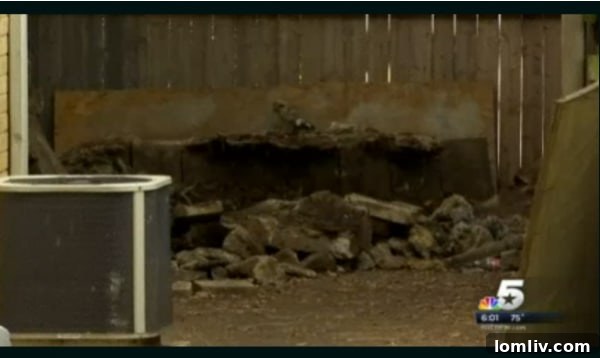
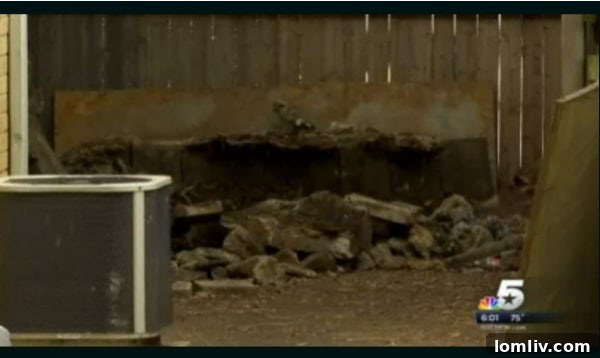
Photo: NBC 5
The discovery sent shockwaves through the Dallas community. A body, tragically encased in concrete, unearthed from the backyard of a home at 725 N. Winnetka in Oak Cliff. This gruesome revelation came to light following the sale of the property, sparking immediate suspicions and intense speculation. For months, residents and authorities alike had wondered about the whereabouts of the home’s original owner, Ron Shumway, a former DART bus driver who had mysteriously vanished. His prolonged absence had cast a shadow over the neighborhood, making the subsequent findings even more chilling.
As the investigation deepened, details began to emerge that painted a picture of a sinister plot. Initially, many had harbored uneasy feelings about Shumway’s disappearance, especially when news broke about the body. It wasn’t until diligent reporting by Rachel Stone at theOak Cliff Advocate revealed a critical timeline: Shumway had not been seen for six months prior to the home’s sale. This crucial piece of information underscored the suspicious nature of the transaction and pointed towards a deliberate act of deception.
Confirmation and the Hunt for a Suspect
The Dallas Police Department ultimately confirmed what many had feared: the remains found in the backyard were indeed those of Ron Shumway. With this confirmation, the missing person case officially transformed into a murder investigation. The focus quickly shifted to identifying and apprehending those responsible, not just for Shumway’s death, but also for the audacious fraud surrounding his property.
Authorities subsequently issued an arrest warrant for Christopher Brian Colbert, a 43-year-old individual identified as the primary suspect. Colbert is accused of a multi-layered crime that involves not only the likely murder of Ron Shumway but also an elaborate scheme of identity theft and real estate fraud. Police believe Colbert brazenly posed as Shumway to real estate agents and the Chicago Title Company, orchestrating the fraudulent sale of Shumway’s home in Oak Cliff. This act of impersonation allowed him to profit from a property that was not his to sell, all while its rightful owner lay hidden in a shallow, concrete grave.
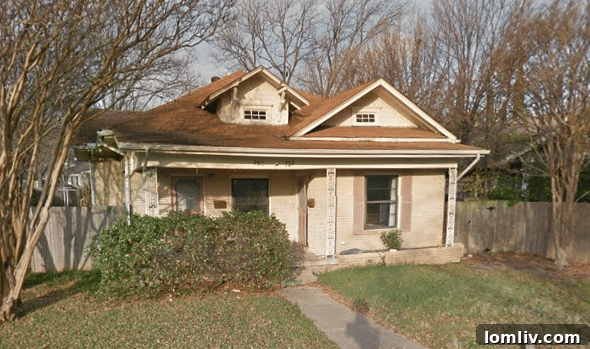
The house, a modest property in North Oak Cliff, was sold by Colbert for $130,000. Following this initial illicit transaction, the property changed hands several times in quick succession, undergoing a series of “flips.” This rapid succession of sales likely served to obscure the fraudulent nature of the original transaction, making it more difficult to trace back to Colbert. It was only when the most recent investor began renovations on the property that the shocking discovery of Shumway’s body was made, bringing the entire web of deceit crashing down.
Photo: Google Maps
The Elaborate Scheme: How Christopher Brian Colbert Impersonated Ron Shumway
The details of Christopher Brian Colbert’s fraudulent scheme are as meticulous as they are audacious. According to reports from theDallas Morning News, the elaborate deception began in May, roughly a month after Ron Shumway was last seen alive.
Colbert initiated contact with a real estate broker, seeking an evaluation of Shumway’s house. During their interaction, he presented himself as Ron Shumway and proceeded to sign a contract with the broker, agreeing to list the property for $145,000. This initial step set the stage for the fraudulent sale, establishing his false identity within the real estate transaction process.
Just three days after this initial meeting, Colbert, still posing as Shumway, contacted the broker again, this time utilizing Shumway’s authentic email account. His new demand was to sell the house with extreme urgency. To facilitate a quicker sale, the asking price was swiftly dropped from $145,000 to $130,000. This sudden urgency, combined with a price reduction, is often a red flag in real estate transactions, yet it appears to have gone unnoticed or uninvestigated at the time.
Christopher Brian Colbert
The culmination of the fraud occurred on June 22, during the closing of the sale. When the escrow officer at the title company requested proper identification from Colbert, he reportedly claimed he did not have his driver’s license with him, promising to fax it over later. Despite this critical omission, investigators state that he proceeded to sign the closing documents with the forged signature, “Ronald D. Shumway.” This moment of oversight by the title company would later become a focal point of the investigation, raising serious questions about standard closing procedures.
The following day, police reports indicate that Colbert did indeed fax a copy of Shumway’s driver’s license. However, this was no ordinary document; it was a doctored version, meticulously altered to feature Colbert’s own photograph in place of Shumway’s. The accompanying message, “Thanks! Nice to meet you,” according to police, added a chilling layer of casual deception to the entire transaction.
With the closing documents apparently in order and the “identification” seemingly provided, the title company proceeded to wire the proceeds of the home sale, approximately $110,000, to a bank account jointly held by Shumway and his late mother. Police now believe that Christopher Brian Colbert subsequently used Shumway’s debit card to make numerous withdrawals from this account, effectively absconding with the illicitly gained funds.
Grave Questions: Systemic Failures and Lingering Liabilities in Real Estate Fraud
The details of this case expose not just a shocking murder and elaborate fraud, but also a series of critical failures within the very systems designed to protect property owners and buyers. The Ron Shumway case highlights several glaring problems that demand urgent attention and systemic review:
1. Title Company Due Diligence and Identification Protocols
A central question revolves around the Chicago Title Company’s role in the transaction. Why was the sale allowed to proceed without proper, in-person identification from the seller? Industry standards typically require robust identity verification to prevent fraud. Is it ever acceptable for a homeowner to simply fax a copy of their ID, especially when claiming to have forgotten the original? The reliance on a faxed, and ultimately doctored, document raises serious concerns about the laxity of the verification process in this instance. The title company’s primary function is to ensure a clear title and a legitimate transfer of ownership; its failure to adequately verify the seller’s identity facilitated the entire fraudulent scheme.
2. Notary Public Responsibility and Verification
Another disturbing element is the notarization of Shumway’s signature on the deed dated June 22. This occurred almost two months after he was last seen alive. A licensed notary public is legally obligated to verify the identity of the signatory. The notary involved in this case, who initially told NBC5 she didn’t recall meeting Shumway and later declined to comment, faces serious questions about her due diligence. Did she properly identify the person signing as Ron Shumway? If not, this constitutes a significant breach of her professional responsibilities and potentially implicates her in the facilitation of the fraud, even if unknowingly.
3. Liability and Current Home Ownership
Given that the original sale was entirely fraudulent, the question of who is liable and, more importantly, who truly owns the home, becomes incredibly complex. According to police sources cited by NBC5, Shumway’s signature was forged on the legal document authorizing the sale of his home. Tax records show the property was purchased by an investment company in June, then quickly sold to another real estate investment company in August, before ultimately reaching the investor who discovered the body. This chain of transactions complicates matters, as each subsequent buyer acted in good faith, unaware of the underlying fraud. The current owner now faces an unenviable legal battle, potentially having purchased a property with a void title. The fraudulent nature of the initial sale means the entire chain of ownership could be challenged, leaving current and previous “owners” in legal limbo and facing substantial financial losses.
Broader Implications and Lessons for Real Estate Security
The Ron Shumway case is a stark reminder of the vulnerabilities within the real estate market that can be exploited by sophisticated criminals. It underscores the critical need for heightened vigilance and more stringent verification protocols at every stage of a property transaction:
For Title Companies: The need for mandatory in-person identity verification using multiple forms of government-issued ID, rather than relying on faxed or electronic copies, is paramount. Training staff to recognize red flags, such as unusual urgency in selling or reluctance to provide physical identification, is also crucial.
For Notary Publics: Reaffirmation of their legal and ethical obligation to correctly identify signatories is vital. Failure to do so can have devastating consequences, as evidenced here.
For Real Estate Agents and Brokers: While their primary role is facilitation, a deeper sense of responsibility in verifying the legitimacy of sellers, especially in cases of absent owners, can help prevent such frauds.
For Homeowners: Understanding how easily identity theft can lead to property theft is a wake-up call. Regularly checking property records, monitoring credit reports, and being cautious about sharing personal information can offer some protection.
This horrific incident in Oak Cliff serves as a chilling example of how a missing person’s case can tragically intertwine with audacious financial crime. The murder of Ron Shumway, coupled with the fraudulent sale of his home by Christopher Brian Colbert, has not only rocked a community but also exposed critical weaknesses in the systems designed to protect property and people. As the legal proceedings against Colbert unfold, and authorities continue to piece together every aspect of this complex case, the hope remains that justice will be served for Ron Shumway, and lessons will be learned to prevent similar tragedies in the future.
We have reached out to several title experts and legal professionals to gather more insights into the intricate legal ramifications and industry best practices. Stay tuned for further updates as this complex and evolving story continues to unfold.