

DFW International Airport Forges Stronger European Ties: A Gateway to Global Economic Growth
In a strategic move to significantly enhance global connectivity and economic prosperity for North Texas, a high-profile delegation led by the mayors of Dallas and Fort Worth embarked on a crucial mission to Europe. Their primary objective: to cultivate robust business relationships and expand vital travel connections, with a particular emphasis on establishing new nonstop cargo and passenger flights between DFW International Airport and key European hubs.
The delegation, which arrived in Berlin, Germany, on a recent Sunday, underscored the Dallas/Fort Worth region’s unwavering commitment to international commerce and tourism. This proactive engagement is designed to not only facilitate easier travel for residents and visitors but also to unlock substantial economic opportunities through increased trade, investment, and cultural exchange.
A Landmark Mission to Deepen Transatlantic Connections
The influential group spearheading this European outreach comprised a powerful combination of civic and business leaders. Alongside Dallas Mayor Mike Rawlings and Fort Worth Mayor Betsy Price, the delegation featured instrumental figures from DFW Airport, including Board of Directors Chair Lillie Biggins, Board Member Bernice J. Washington, and CEO Sean Donohue. Further bolstering the mission’s scope were prominent business leaders from the Dallas-Fort Worth region, notably Robbie Briggs, President and CEO of Briggs Freeman Sotheby’s International Realty. Their collective presence signaled a unified regional effort to present North Texas as a premier global partner.
Mayor Price articulated the deep-seated historical and industrial ties that bind the Dallas-Fort Worth region with European nations. “The relationships we have with Germany and the U.K. go back a long time,” Price stated, emphasizing the enduring nature of these partnerships. She highlighted the strong industry connections spanning diverse and critical business sectors, including aerospace and defense, cutting-edge technology, construction, energy, manufacturing, sophisticated transportation and logistics, and of course, the vibrant travel and tourism industries. Mayor Price further elaborated, “Business ties further reinforce our connections, and this mission gives us an opportunity to share and build on these relationships,” underscoring the delegation’s proactive approach to nurturing these vital alliances.
The itinerary for this impactful mission included a series of high-level meetings across both the United Kingdom and Germany. These discussions aimed to identify new avenues for collaboration, investment, and direct air service development. A compelling indicator of the existing strength of these relationships is Germany’s position as the second-largest foreign investor in the robust Texas market. This significant economic footprint is a testament to the long-standing and mutually beneficial partnerships between the two regions. It’s a fact that wouldn’t surprise figures like Bernadette Schaeffler, a distinguished personality who was recently honored as a “Pillar of the Community” by the Texas German Day Council, recognizing her instrumental role in fostering German-Texan relations.

DFW: A Premier Global Gateway and Economic Powerhouse
Robbie Briggs, a key business leader in the delegation, spoke passionately about the astounding growth witnessed in the Dallas-Fort Worth region, both domestically and internationally. “The growth in our region is staggering – from both the international and domestic standpoint,” Briggs affirmed. He emphasized the critical responsibility of business leadership to actively engage and establish clear lines of communication, effectively articulating the myriad opportunities and competitive advantages the DFW market offers to potential investors, international visitors, and new residents seeking relocation. This mission served as a direct embodiment of that principle.
DFW International Airport, already a formidable global hub, currently boasts an impressive network of five nonstop destinations across Europe: Frankfurt, Amsterdam, Paris, Heathrow/London, and Madrid. These direct connections are vital arteries for both business and leisure travel, streamlining access between North Texas and the European continent. To further enhance the arrival experience for international travelers, DFW Airport employs a unique and highly valued program: 700 dedicated “ambassador” volunteers. These ambassadors provide personalized, face-to-face assistance, guiding visitors through the vast airport complex. This human touch offers a significantly warmer and more reassuring welcome than impersonal touch-screen kiosks, especially for those arriving from distant lands or smaller communities. These volunteers play a crucial role in directing travelers to onward transportation, including the light rail service into downtown Dallas, with plans for its expansion to downtown Fort Worth within two years, according to airport officials.
The delegation commenced its intensive European visit with a comprehensive debriefing session led by Moritz Holtz of the U.S. Commercial Service at the American Embassy in Berlin. This critical briefing provided an essential economic update on Germany and the broader European landscape, equipping the delegation with the latest insights to inform their subsequent meetings. The delegation’s packed schedule of meetings with European officials continued through June 13, illustrating the sustained effort to foster these international relationships.
This pivotal trip also served a broader strategic purpose: to lay foundational groundwork for the highly anticipated World Travel & Tourism Council’s (WTTC) meeting, which Dallas was slated to host in April 2016. The decision by such a prestigious global organization to convene in Dallas was a profound affirmation of the city’s burgeoning status as a significant international destination. Mayor Rawlings highlighted this recognition, stating, “The decision to bring this important gathering to Dallas confirms that our city is growing as an international destination with an increasing number of direct flights out of DFW International Airport.” He further added, “Dallas has hosted the New Cities Summit, the U.S. Conference of Mayors, and now this prestigious global organization has recognized Dallas as a key city and region within the United States,” underscoring the city’s increasing prominence on the world stage.
Key Takeaways and DFW’s Unparalleled Impact
Reflecting on the mission, Robbie Briggs shared profound insights gained from the experience. “From the moment we hit the ground in Berlin on Sunday, we’ve been learning a lot about how a busy international airport can make all the difference in whether a region’s economy grows,” he observed. Briggs emphasized the invaluable opportunity to collaborate with regional leaders in promoting the immense potential of North Texas on an international platform.
Robbie Briggs’ observations brought to light several fascinating facts that underscore DFW International Airport’s colossal scale and significance:
- Unmatched Scale: DFW International Airport spans an area larger than the entire island of Manhattan. This astounding size reflects its capacity for immense growth and operational efficiency, accommodating a vast number of flights, terminals, and support services.
- Promoting Tourism: The delegation actively promoted the Dallas City Pass across Europe. This discount ticket booklet offers visitors unparalleled access to the region’s premier attractions, including the Reunion Tower Geo-Deck, the Dallas Zoo, and the Perot Museum of Nature & Science, encouraging international tourism and bolstering the local hospitality sector.
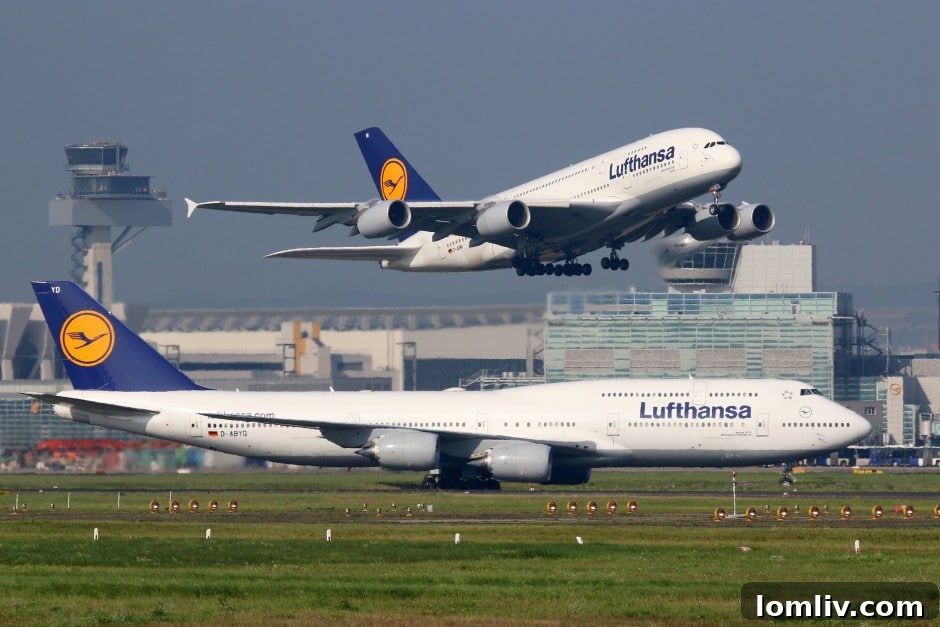
- Expanding Air Travel Options: Critical discussions were held to expand air travel opportunities with major carriers like Lufthansa and Air Berlin, aiming to increase the frequency and reach of direct flights, thereby enhancing connectivity and convenience for travelers and businesses alike.
Even with ongoing construction at some terminals – a necessary investment for future growth and modernization – DFW International Airport remains an indispensable asset to the North Texas region. Its strategic importance extends far beyond just facilitating travel; it acts as a magnetic draw for global business, commerce, and tourism. The airport’s influence is so profound that real estate professionals report buyers actively measuring proximity to DFW when considering property purchases, highlighting its direct impact on property values and business location decisions. DFW’s contributions to the region are multifaceted and enormous:
- Massive Economic Engine: It generates an staggering $32 billion economic impact on the region annually.
- Significant GDP Contribution: The airport accounts for a substantial 10 percent of the region’s Gross Domestic Product (GDP), cementing its role as a primary economic driver.
- Vast Employment Opportunities: Approximately 150,000 North Texans are employed at the airport in various capacities, making it a colossal job creator.
- Impressive Annual Payroll: The airport boasts an annual payroll of $10 billion – a testament to the high-quality jobs and economic activity it supports.
- Global Reach: Travelers can connect to 55 international destinations directly from DFW, offering unparalleled access to markets and cultures worldwide.
- Expansive Footprint: Sprawling across 17,000 acres, its sheer size is comparable to a large ranch, providing ample space for its extensive operations and future expansion.
- Exceptional Customer Service: A dedicated force of 700 ambassadors volunteers their time, ensuring every customer receives personalized guidance and support throughout the facility.
- Efficient International Arrivals: The presence of 70 passport scanners significantly expedites the processing of international arrivals, enhancing efficiency and passenger experience.
The proactive engagement by the Dallas-Fort Worth delegation in Europe, coupled with the immense operational capacity and economic contributions of DFW International Airport, reinforces North Texas’s position as a dynamic, globally connected region. These strategic efforts ensure continued growth, prosperity, and international recognition for one of the United States’ most vibrant metropolitan areas.