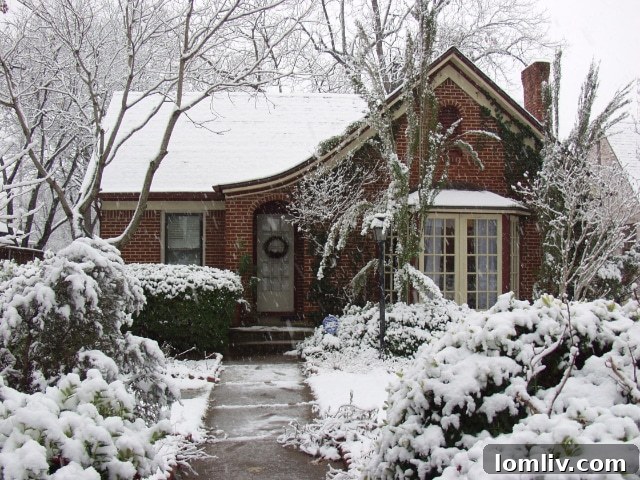
For decades, my heart has been captivated by the unique allure of historic neighborhoods. In 2019, I penned an article celebrating the very essence of what makes living in such a community so special – the architectural beauty, the vibrant sense of belonging, and the stories etched into every brick and beam. Yet, recent unforgiving weather events have cast a stark light on the less romantic aspects of these beloved abodes, prompting a reevaluation of what it truly means to call a historic house “home” in an era of unpredictable climate challenges.
My journey in Hollywood Heights began in 1990, a pivotal year when this cherished area officially became a conservation district. At the time, the full implications of this designation were largely unknown to me and even my real estate agent. My primary desire was a neighborhood where I could walk to local shops, where every home exuded a distinct personality, and where neighbors genuinely connected. Hollywood Heights delivered on all fronts, offering a vibrant community spirit and a rich tapestry of homes overflowing with character. Little did I know, this very charm would later intertwine with unexpected vulnerabilities.
The Price of Preservation: Lessons from the 2011 Ice Storm
It wasn’t until the harrowing winter of 2011, when a severe ice storm plunged our community into a prolonged power outage, that the charming facade of my historic neighborhood began to reveal its underlying challenges. The enchantment of living in a meticulously preserved district gave way to the harsh realities of modern utility infrastructure and the inherent limitations of older construction during extreme weather.
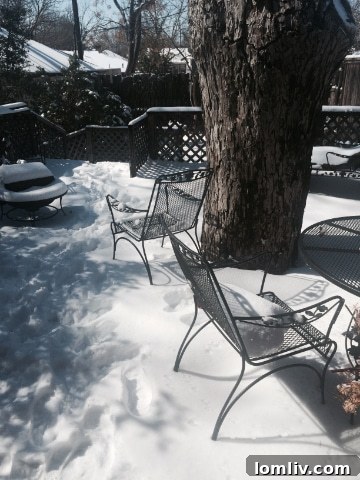
That winter, my quaint 1927 cottage, usually a sanctuary of comfort, quickly became an uninhabitable icebox. As the power lines went dark, the indoor temperature plummeted to a frigid 40 degrees Fahrenheit within hours, rendering it impossible for my son, our dogs, and me to remain. We were forced to evacuate, first to a hotel for several days, and then to the generosity of friends in Lakewood whose power had been miraculously restored. If memory serves, Hollywood Heights was among the first areas to lose power and the last to have it reinstated that year, a grim distinction that underscored our neighborhood’s vulnerability.
This experience served as a powerful, albeit uncomfortable, wake-up call. I realized immediate action was needed to fortify my home against future such events. However, life’s financial demands often dictate priorities. The subsequent decade brought other pressing concerns to the forefront, such as funding my child’s college education and diligently paying off my mortgage. Critical home improvement projects, particularly those related to weatherization and energy resilience, regrettably took a backseat to these more immediate fiscal responsibilities.
Navigating Conservation Districts: Roadblocks to Modern Weatherization
My resolve to address these vulnerabilities resurfaced with renewed vigor just last year. Having already endured a summer power outage – which, while inconvenient, was at least tolerable in the warmer months – I decided it was time to seriously investigate upgrading my home’s windows. This was a logical first step towards enhancing its overall weatherization and energy efficiency, crucial for both comfort and utility savings.
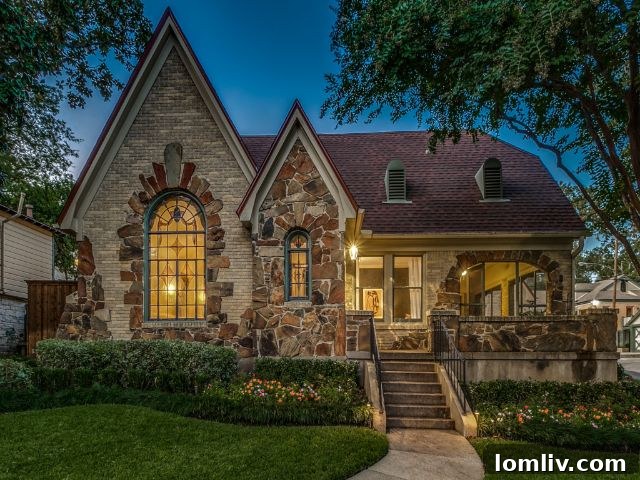
However, the journey of modernizing a historic home within a conservation district is rarely straightforward. Living in such an area means adhering to stringent regulations designed to preserve the architectural integrity and historic aesthetic of the neighborhood. This isn’t just about personal preference; it’s about maintaining a collective heritage. Consequently, a homeowner cannot simply install any window that catches their eye or fits their budget. There’s a significantly high bar for approval regarding materials, styles, and installation methods, often requiring specific certifications or custom designs that match the original character of the property.
The initial estimates for these approved, historically accurate windows were staggering. Coupled with the extensive paperwork, architectural reviews, and bureaucratic hurdles required to gain permission for the project, the entire endeavor quickly exceeded both my financial budget and, frankly, my mental fortitude. The frustration of navigating these complexities became overwhelming, leading to the unfortunate postponement of my crucial window replacement project. It felt like an insurmountable obstacle, a testament to the intricate balance between preservation and practicality.
A ray of hope appeared this past year when, out of sheer desperation, I posted a plea for advice on our Neighborhood Nextdoor forum. To my delight, a kind neighbor extended an invitation to inspect his own conservation district-approved windows. His solution proved to be significantly more affordable than anything I had previously uncovered, instantly propelling the window project back to the top of my home improvement list. This unexpected discovery highlighted the invaluable resource that a close-knit community can be when facing unique challenges inherent to historic homeownership.
Yet, even with a viable window solution in sight, the path to home resilience remained fraught with delays. The global pandemic introduced an entirely new layer of complexity, making it exceedingly difficult to secure a contractor and schedule work. As I wrestled with these scheduling nightmares, I shifted to Plan B: investigating the installation of a whole-house generator from Generac just two months ago. No sooner had I begun to solidify this alternative power solution than Atmos Energy announced plans to install new gas lines throughout our neighborhood, demanding another holding pattern. It seemed fate was conspiring to keep my home in a perpetual state of “almost ready” for the next inevitable weather event.
Winter Storm Uri: Stalled Starts and Becoming Weather Refugees Again
It’s almost as if I had a premonition, a sixth sense that a major weather disaster was looming on the horizon, driving my fervent attempts to fortify my home. Despite my efforts, I simply wasn’t “locked and loaded” quickly enough to fully prepare for Winter Storm Uri. This unprecedented event unleashed a torrent of snow and ice, wreaking catastrophic havoc on the Texas power grid and leaving millions without essential utilities. My proactive planning, though well-intentioned, couldn’t outpace the swift and brutal onslaught of the storm.
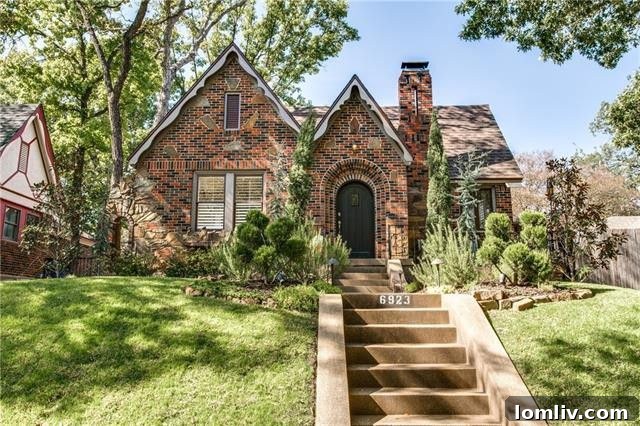
And so, for the second time in a decade, my family and I found ourselves becoming “weather refugees.” On a frigid Monday morning, we packed up our dogs once more and decamped to Richardson, where the kindness of our dear friends provided a warm, fully heated sanctuary near Medical City. Their home became our haven, offering not just shelter but also comfort, sustenance, and genuine care during a period of widespread distress.
This recurrent experience, though unwelcome, imparted a crucial piece of advice for anyone contemplating a home purchase, especially in areas prone to natural disasters or utility outages: consider buying near a major medical center. These facilities often benefit from more robust and prioritized power grids, designed to maintain continuous operation for critical healthcare services. Living in close proximity can significantly increase the chances of your home retaining power or being among the first to have it restored, a practical consideration that moves far beyond mere convenience during a crisis.
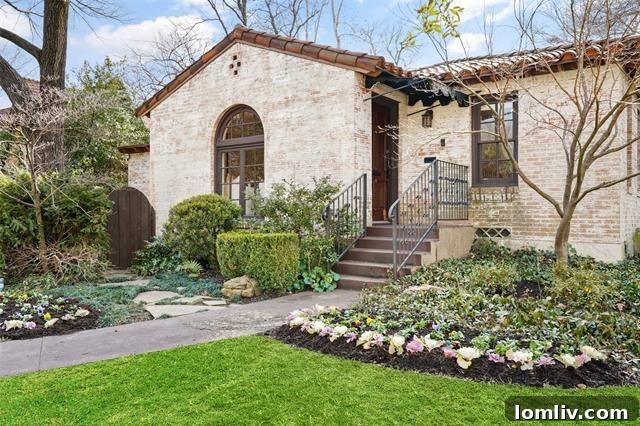
If you’re contemplating purchasing a home in a conservation or historic district, understanding how to prepare for power outages is not just prudent—it’s essential. My two experiences as a weather refugee have been harsh teachers, offering invaluable insights into building resilience. Beyond my own lessons, I reached out to neighbors who bravely weathered the storm in their own historic homes, gleaning further wisdom and practical advice that I’m eager to share.
Expert Advice from Resilient Neighbors: Strategies for Surviving Power Outages in Historic Homes
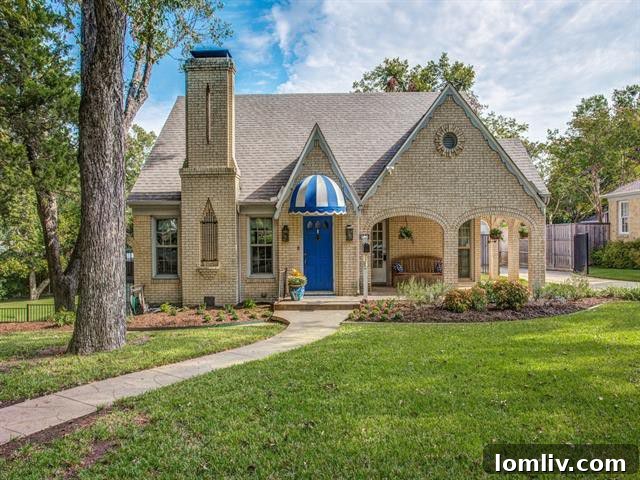
The collective wisdom of our Hollywood Heights community proved to be an indispensable resource during these challenging times. My neighbor, Michael Cheever, residing in an adorable 1200-square-foot 1926 Tudor directly across the street, managed to remain comfortably in place throughout this most recent, heinous weather event. Comparing thermostat readings when power briefly flickered on, his home consistently maintained an internal temperature a good 10 degrees warmer than my own. His proactive measures and insights offer a compelling blueprint for historic home resilience. Here are his invaluable words of wisdom:
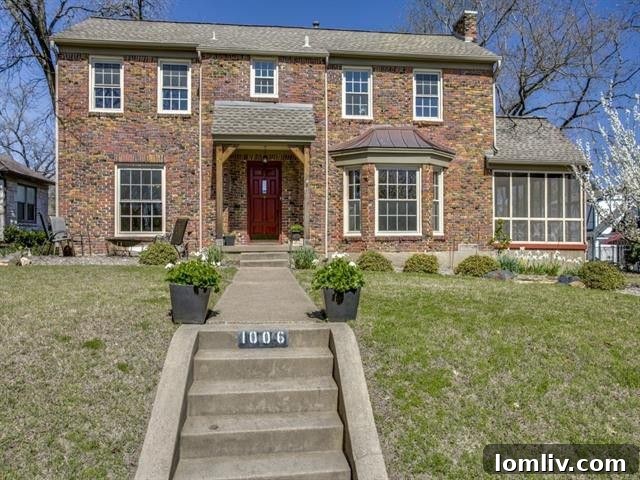
“These older houses are inherently not insulated to the standards of new construction, a fundamental difference that homeowners must address. That’s precisely why I prioritized installing attic insulation as soon as I moved in, and then added another substantial layer approximately 19 years ago. The difference it made, particularly during extreme temperatures, has been enormous. It’s an investment that truly pays off in comfort and energy efficiency, and it’s often the most impactful upgrade for an older home.
My biggest fear during these outages isn’t just the cold, but the threat of bursting water pipes, especially since many older homes, like mine, have water heaters located in the attic. To mitigate this risk, I ensured my new water heater was not only installed in the attic but also thoroughly wrapped in an insulation blanket. Crucially, I also have a large drip pan underneath and an easily accessible emergency shutoff valve. These simple precautions can prevent catastrophic damage from frozen pipes.
Furthermore, I rely heavily on a gas space heater as a primary heat source when the power goes out. Without it, I honestly would have had to abandon the house. However, safety is paramount: if you use any combustion-based heater indoors, you absolutely must have a reliable carbon monoxide detector with a working alarm. This is non-negotiable for the safety of your family and pets.
An essential consideration for prospective homebuyers looking at these charming, older neighborhoods is the nature of their fireplaces. Many of them were originally designed not for burning wood, but to house gas space heaters. They often feature only a single layer of brick, which is insufficient and unsafe for wood burning. A safe wood-burning fireplace requires two layers of brick. Remember, these original gas space heaters are often far more efficient at producing heat than modern decorative gas logs, which primarily offer ambiance rather than substantial warmth.
Finally, for anyone purchasing an older home, one of the most cost-effective and impactful actions you can take immediately after moving in is to thoroughly inspect your home for drafts. Get down on your hands and knees and crawl around your floors, especially near baseboards, windows, and doors, with a caulk gun in hand. Sealing those seemingly small leaks and gaps can make an immense difference in your home’s ability to retain heat in winter and coolness in summer, dramatically improving overall energy efficiency and comfort.”
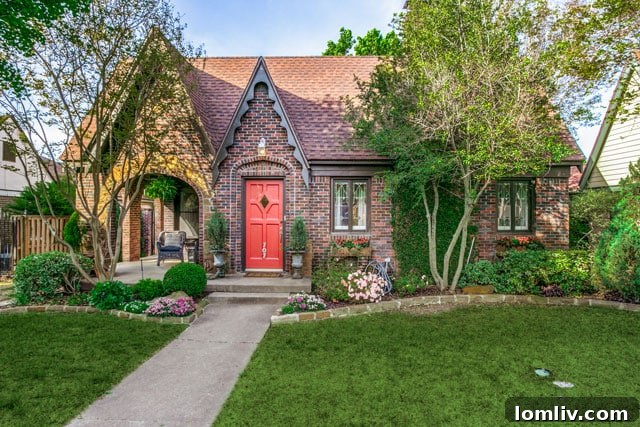
My next-door neighbor, Patricia Yakesch, also showcased remarkable preparedness, successfully navigating the power outage from her 1935 Tudor. Having experienced previous outages, she had the foresight to invest in a portable generator, a decision that proved invaluable.
“My portable generator provides just enough power to sustain a couple of electric heaters, a lamp, my computer, and a phone. It’s about bare-bones survival, but it’s enough to keep us functional and warm enough. To maximize the heat retention, we strategically moved into the guest room, which has only two windows, minimizing heat loss. We are definitely in survival mode, prioritizing warmth over spaciousness. I believe the original windows are probably the biggest energy efficiency problem now because mine are still original. Replacing those is definitively next on my list of essential home improvements.”
Patricia, like Michael, was also an early adopter of advanced insulation. She had blown-in insulation installed, a significant upgrade for her historic home. However, even with her portable generator and enhanced insulation, she noted that her indoor house temperature still fluctuated considerably, ranging from a chilly 42 to a more tolerable 62 degrees Fahrenheit. This highlights that while crucial, individual measures may not entirely eliminate the challenges posed by extreme weather in older homes, underscoring the need for a comprehensive, multi-faceted approach.
Embracing the Future While Preserving the Past: Long-Term Solutions for Historic Homeowners
Has this third significant round of power outages, each more disruptive than the last, diminished our affection for Hollywood Heights? Has it made any of us want to abandon our beloved historic homes for the promise of modern, fully insulated, cookie-cutter constructions? The resounding answer from residents like myself, Michael, and Patricia is an unequivocal “No.” Our commitment to this neighborhood runs deep. We chose to live here precisely because of its undeniable charm, its rich history, and the profound sense of community it fosters. A few days – or, as we’ve learned, potentially even weeks – spent as temporary weather refugees is not enough to compel us to pull up stakes. Instead, it strengthens our resolve to be better prepared for whatever future challenges climate change and an evolving infrastructure may bring.
“I love my home,” Patricia reiterated, a sentiment echoed by many in our community. “I believe you truly have to appreciate and cherish the unique charm of a historic home. Yes, it might not be as inherently energy-efficient as new construction, but its beauty, its character, and its history are unparalleled. The entire house is a living antique, a piece of art.” This perspective is central to understanding why homeowners in conservation districts remain so dedicated despite the hurdles. It’s a lifestyle choice, a commitment to preserving something truly special.
I completely concur with Patricia’s sentiment. The challenges are real, but so is the desire to overcome them while preserving the integrity of our homes. My immediate response to this latest outage was to make two crucial calls. First, I contacted a trusted contractor to get on their list for attic insulation, recognizing its profound impact on temperature regulation and energy efficiency, as highlighted by Michael. Second, I reached out to a Generac dealer, now that new gas lines have been reliably laid in our area, making a whole-house generator a more viable and appealing option. I am now utterly convinced that this is the smartest long-term move for comprehensive home resilience. David Racin at Generac provided invaluable insight, solidifying my decision.
“As many homeowners are acutely aware, in the tumultuous wake of severe storms and widespread rolling blackouts, home standby generators have emerged as the definitive solution for maintaining uninterrupted power to an entire residence. These robust systems activate automatically the moment utility power is lost, ensuring seamless continuity for essential appliances, HVAC systems, and lighting.
With an escalating demand for power security, safeguarding one’s home against outages is rapidly evolving from a reactive necessity into a proactive planning event. An increasing number of discerning homeowners are making the strategic decision to emergency-proof their properties with an automatic home standby generator. Recent extreme weather events, which have caused extensive and prolonged power outages across vast regions, have only intensified this trend, leading to significantly longer wait times for both equipment and installation services.
At the forefront of essential considerations for any home standby generator installation is determining the appropriate capacity. The optimal size of the generator will depend primarily on the square footage of the house and, more importantly, the specific number of devices and appliances the homeowner wishes to back up. A thorough assessment of your household’s critical power needs is paramount to ensure adequate coverage.
For many larger homes, a 22kW rated generator is quite common and is typically sufficient to power an entire house, including major appliances like air conditioning units, refrigerators, and heating systems, without compromise. This provides a robust solution for true whole-home power security.
For older homes, an additional consideration may be the need to upgrade the existing electrical panel to safely accommodate the increased load and integration with a modern standby generator. Furthermore, careful thought must be given to the generator’s placement. Local building codes and HOA regulations will provide essential guidance on safe installation distances from structures and property lines. Homeowners should also be aware of the generator’s operational noise level, which typically ranges between 66 to 70 dB during active use – a sound profile generally comparable to that of a conventional HVAC system running at full capacity.”

So, armed with this deeper understanding of the unique challenges older homes present during power outages, and more importantly, the proven solutions available, please do not be deterred from the incredible experience of buying in a conservation or historic district. These neighborhoods offer an unparalleled quality of life, a profound sense of history, and a vibrant community spirit that truly makes them worthwhile.
I am now equipped with concrete solutions, inspired by my neighbors, and fortified by expert advice. My determination is stronger than ever: the next significant weather event will not force me into the status of a weather refugee again. With strategic investments in insulation, energy-efficient windows, and the ultimate peace of mind provided by a whole-house generator, I am confident that my historic home will stand resilient, blending its timeless charm with modern self-sufficiency. The beauty of the past, fully prepared for the future.