In the intricate world of real estate and homeownership, the phrase “that’s not how this works” echoes frequently through the halls of residential properties. Whether stemming from genuine lack of knowledge, sheer oversight, hurried craftsmanship, or sometimes, a baffling display of ingenuity gone awry, home inspectors routinely uncover installations and fixes that defy logic and established building practices. These discoveries range from minor annoyances to significant safety hazards, highlighting the critical importance of professional scrutiny in ensuring a home’s integrity and safety. Let’s delve into some of the most peculiar, yet alarmingly common, findings that leave even seasoned home inspectors shaking their heads.
Dryer Vent Disasters: A Hidden Hazard
@greenscenehome Dryer vent fail. #homeinspectionfinds #realestatehumor #askahomeinspector #dallashomeinspector
The image of an OxiClean box serving as a makeshift dryer vent termination is not just visually amusing; it’s a stark illustration of a significant safety hazard. While it’s remarkable that the box fits so snugly, its presence is a clear violation of basic home safety and ventilation standards. A dryer vent’s primary purpose is to safely expel hot, moist air and lint from the dryer to the outdoors. When this critical system is compromised, a cascade of problems can arise, posing severe risks to the home and its occupants.
Firstly, improper dryer venting is a leading cause of residential fires. Lint, being highly flammable, accumulates within the vent hose. If not properly exhausted, this buildup combined with the dryer’s heat can easily ignite. Beyond the immediate fire risk, a blocked or improperly terminated vent can lead to excessive moisture accumulation within the home. This damp environment is an ideal breeding ground for mold and mildew, which can cause structural damage, unpleasant odors, and serious health issues, particularly for individuals with respiratory conditions.
Furthermore, without a proper vent cover and damper on the exterior, the vent opening becomes an open invitation for pests, rodents, and insects to enter the home. It also allows cold or hot air to infiltrate, reducing energy efficiency and increasing utility bills. The correct installation requires rigid metal ductwork, minimizing bends and kinks, and terminating outdoors with a proper vent cap that includes a damper to prevent backdrafts and pest entry. This simple yet crucial component ensures safe operation, protects the home from moisture, and maintains indoor air quality. Discovering a laundry detergent box in its place is a glaring signal that the home’s essential safety features have been dangerously overlooked, demanding immediate attention from a qualified professional.
The Baking Pan Blunder: HVAC Condensate Catastrophe
When it comes to essential home systems, the Heating, Ventilation, and Air Conditioning (HVAC) unit plays a pivotal role in maintaining comfortable indoor temperatures and air quality. A critical, yet often overlooked, component of an AC system is the condensate drain pan. This pan is specifically designed to collect the humidity and excess water that is removed from the air during the cooling process. This collected water is then safely routed out of the home through a dedicated drain line, preventing moisture buildup indoors.
The discovery of a stained baking pan attempting to fulfill this vital role is not only a testament to misguided resourcefulness but also a ticking time bomb for potential water damage. A standard baking pan, while indeed a “pan,” is fundamentally unsuitable for this application. It lacks the necessary capacity to handle the volume of condensate produced, especially during humid conditions. Moreover, it’s not designed to connect to a drain line, meaning it relies on manual emptying or, more likely, simply overflowing. The visible stains on the pan in the photograph are a clear indication that overflow has already occurred, likely multiple times.
The consequences of such an inadequate setup are severe. When the baking pan inevitably overflows, it can lead to extensive water damage to ceilings, walls, insulation, and flooring. This moisture infiltration creates ideal conditions for mold and mildew growth, which can compromise indoor air quality and pose significant health risks. Prolonged exposure to moisture can also weaken structural components, leading to costly and complex repairs. Proper HVAC maintenance demands a purpose-built condensate pan, equipped with an operational drain line and often a safety switch that shuts off the AC unit if the pan begins to fill excessively. This prevents catastrophic water damage and ensures the long-term health and structural integrity of the home. A baking pan, no matter how perfectly it seems to fit, is a dangerous and temporary “solution” that homeowners should never encounter.
The “Flipper Fix”: Garage Door Sensor Compromises
@greenscenehome Karate Chop Garage Sensor Mod – #homeinspectionfinds #garagesensorchallenge #garagedoorsensor #askahomeinspector #karatechop #dallasrealestate
♬ original sound – Green Scene Home Inspections – Green Scene Home Inspections
The phenomenon of improperly positioned garage door sensors is a common sight in “flipped” houses, newly renovated properties, and even some new constructions. The underlying reason is often practical from a construction crew’s perspective: when moving materials and equipment in and out of the garage, the sensors can be easily damaged or triggered, causing the door to reverse. To avoid this inconvenience, workers often temporarily move the sensors out of their standard position, sometimes even propping them up in a way that allows for easy manual triggering, such as the “karate chop” method described by inspectors.
While this might seem like a harmless temporary measure for efficiency during construction, the problem arises when these “temporary” fixes become permanent. Garage door safety sensors are a critical safety feature mandated by building codes since the early 1990s. Their purpose is to detect obstructions in the door’s path, preventing it from closing on people, pets, or objects. When these sensors are improperly installed or left out of position, they render the entire safety system ineffective. This creates a severe risk of injury, particularly to small children who might not be aware of the danger, or to pets that might wander into the door’s path.
A home inspector finding sensors in this state signifies a lapse in the final stages of construction or renovation. It indicates that the property was left without this essential safety feature properly reinstated. Beyond the immediate safety concerns, a non-functional or incorrectly positioned garage door sensor can lead to increased liability for homeowners. Ensuring these sensors are correctly installed, at the proper height (typically 4-6 inches above the floor), and fully functional is not merely a matter of convenience; it is a fundamental aspect of home safety and compliance, crucial for protecting everyone who uses the garage.
The Wrong Way Window: A Flashing Failure
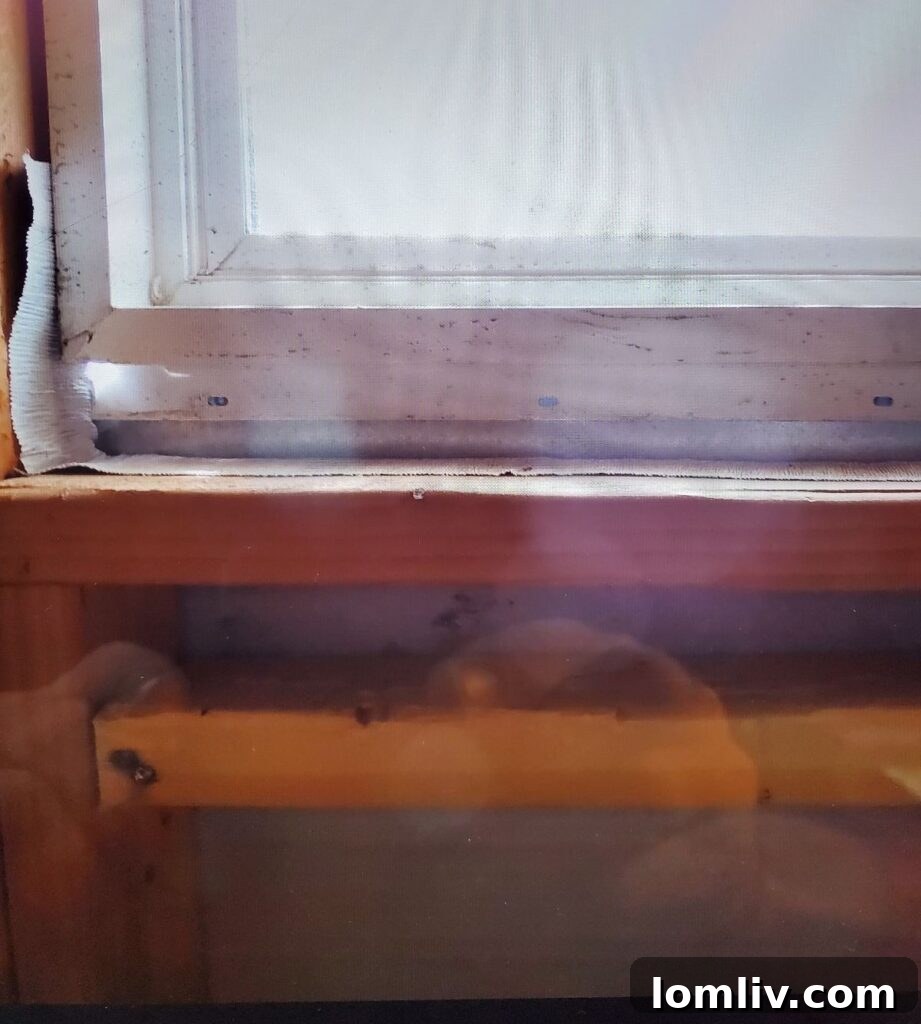
Even seasoned professionals can make mistakes, and sometimes these errors are glaring. The case of a window installed backward in a new construction home is a prime example of how fundamental missteps can lead to significant and costly issues. The photograph clearly illustrates the problem, with flashing tape around the sill already showing signs of water intrusion. This single image encapsulates a myriad of potential problems that can plague a home from its very beginning.
Windows are complex assemblies designed to provide light, ventilation, and insulation while critically keeping the elements out. Proper installation involves precise measurements, correct orientation, and meticulous weatherproofing, particularly around the sill and jambs. When a window is installed backward, its design intended to shed water outward is reversed, effectively inviting water directly into the wall cavity. The flashing tape, meant to provide a secondary barrier against moisture, becomes ineffective or even counterproductive when installed on a reversed surface.
The immediate consequence is water infiltration, as seen with the wet flashing. However, the long-term ramifications are far more severe. Persistent moisture inside wall cavities can lead to extensive wood rot, compromising the structural integrity of the wall framing. It creates an ideal environment for mold and mildew growth, which can spread silently behind finished surfaces, leading to air quality issues and health concerns for occupants. Additionally, improper window installation often results in diminished energy efficiency, as air and thermal bridging can occur, leading to higher heating and cooling costs.
The quip from one inspector, “That’s because windows come with instructions: 1. Do what you want,” humorously highlights a serious underlying issue in the construction industry: a lack of consistent training, inadequate supervision, or simply rushing through critical steps. Such errors are not merely cosmetic; they are foundational defects that can undermine the entire building envelope. Identifying and rectifying a backward window requires removing and re-installing the unit correctly, often involving repairs to the surrounding wall structure, which adds significant cost and delay to a new build. This incident underscores why meticulous inspection of even brand-new construction is absolutely essential to catch such fundamental flaws before they become homeowner nightmares.
Beyond the Obvious: The Indispensable Role of Home Inspectors
The anecdotes of dryer vent fails, baking pan condensate collectors, garage door sensor shenanigans, and backward windows are more than just amusing stories; they are crucial lessons in the importance of diligent oversight in home construction, renovation, and maintenance. Every home, whether a venerable old dwelling or a gleaming new build, is susceptible to oversights, shortcuts, or outright errors born from human fallibility. From the DIY enthusiast attempting a complex repair to the professional builder racing against a deadline, mistakes are an inevitable part of the process.
This is precisely where the role of a professional home inspector becomes not just valuable, but indispensable. An inspector serves as a third-party, unbiased expert whose sole purpose is to meticulously examine a property for defects, safety hazards, and areas that do not meet established building standards. They possess the knowledge, experience, and keen eye to spot issues that might be invisible to the untrained eye or intentionally concealed. By identifying problems like fire risks from improper venting, potential water damage from inadequate HVAC systems, critical safety failures with garage doors, or structural vulnerabilities from faulty window installations, inspectors empower buyers and homeowners with vital information.
Their findings protect significant financial investments, prevent costly future repairs, and most importantly, safeguard the health and safety of the occupants. A comprehensive home inspection provides peace of mind, transforming potential pitfalls into actionable insights. In a world where “that’s not how this works” is a daily refrain, the home inspector stands as a vigilant guardian, ensuring that a house truly functions as a safe, sound, and durable home.