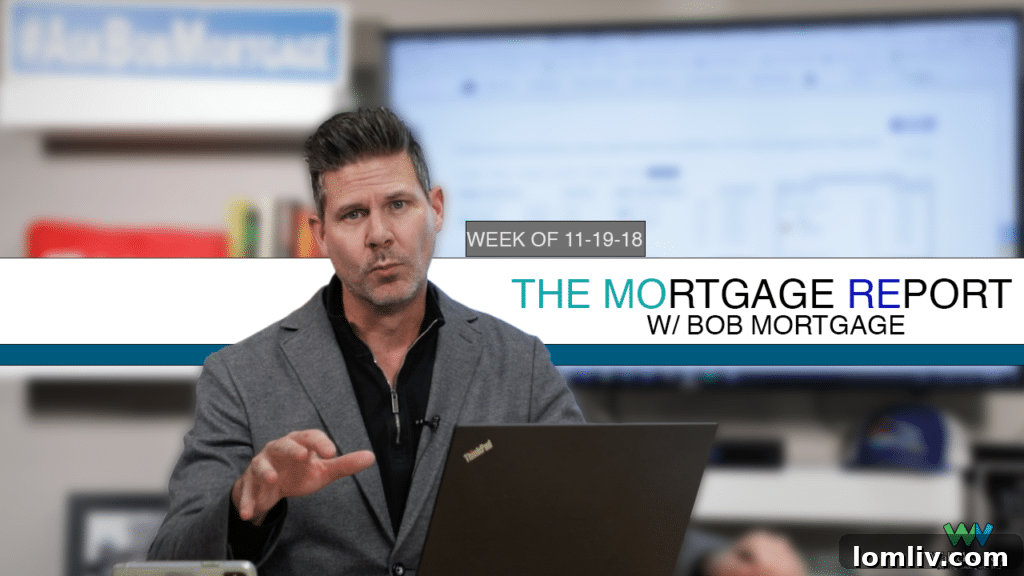
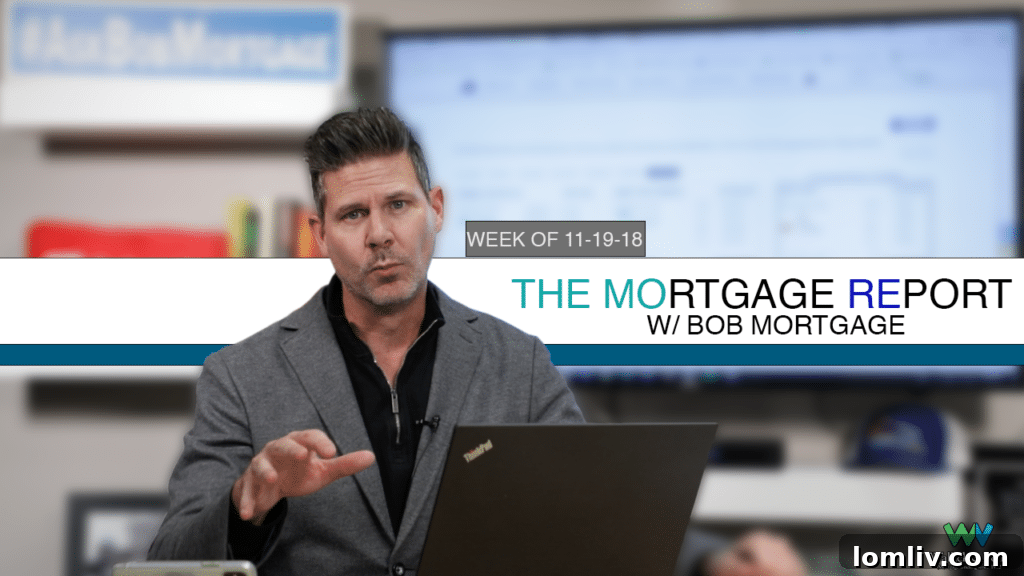
In today’s interconnected world, the dream of homeownership often feels intimately tied to local market conditions. However, a deeper look reveals that global economic shifts can significantly influence your homebuying journey, from interest rates to the final closing. Understanding these broader dynamics is crucial for anyone looking to enter the real estate market or secure a mortgage. For expert insights into this complex interplay, look no further than Bob Johnson, widely known as BobMortgage. As the senior vice president of Wallick & Volk, one of the nation’s oldest private lenders, Bob Johnson offers unparalleled wisdom in the realm of mortgage finance. His expertise is regularly featured on the Mortgage Report, a trusted resource for navigating the intricacies of real estate financing. In this illuminating discussion, we delve into how international events, such as the implications of Brexit in the UK and a general slowdown in global economic activity, can prompt central banks like the Federal Reserve to reconsider their monetary policies, including potential interest rate hikes. While the intricacies of global finance might seem daunting, breaking down these concepts can empower you to make more informed decisions about your future home.
The global economy is a vast and dynamic system, and its ripple effects can touch even the most local real estate markets. From the bustling financial hubs of London and New York to the quiet neighborhoods of North Texas, economic shifts abroad can create palpable changes in lending environments, consumer confidence, and ultimately, home affordability. Consider the impact of major geopolitical events like Brexit. The United Kingdom’s decision to leave the European Union introduced significant uncertainty into global financial markets. This uncertainty can lead to investors seeking safer havens for their capital, potentially impacting bond markets, which in turn influence mortgage rates in countries like the United States. A slowdown in major economies across the globe can also dampen overall demand, reduce international trade, and exert pressure on commodity prices. These factors can collectively signal a need for central banks to stimulate economic growth, often through adjustments to interest rates.
How Global Dynamics Influence Your Mortgage and Homebuying Experience
The connection between global economic trends and your personal homebuying experience is more direct than you might imagine. Central banks, like the U.S. Federal Reserve, are tasked with maintaining economic stability, managing inflation, and fostering sustainable growth. Their decisions on interest rates are not made in a vacuum; they are heavily influenced by a wide array of domestic and international indicators. When the global economy shows signs of slowing, or when geopolitical events create instability, central banks often adopt a more cautious stance, potentially delaying or even reversing plans for rate hikes. This proactive approach aims to prevent an economic downturn from deepening, and its consequences are felt directly by prospective homebuyers.
Interest Rates: The Heartbeat of Home Affordability
The most immediate and tangible impact of global economic dynamics on homebuyers comes through mortgage interest rates. When the Federal Reserve, influenced by global signals, decides to hold off on raising rates, or even contemplates a rate cut, it typically leads to lower borrowing costs for consumers. Lower interest rates mean that the monthly payments on a mortgage become more affordable, increasing purchasing power for many families. This can stimulate demand in the housing market, making it more accessible for a broader range of buyers. Conversely, if the global economy were to heat up rapidly, leading to inflationary pressures, central banks might raise rates to cool things down. Such a move would translate to higher mortgage costs, potentially pricing some buyers out of the market or forcing them to reconsider their budgets.
For example, concerns over a slowing global economy in 2018, combined with the uncertainties surrounding Brexit, indeed prompted the Federal Reserve to adjust its outlook on future interest rate hikes. Such a shift from a hawkish (rate-hiking) stance to a more dovish (rate-holding or cutting) one can provide a significant boost to the housing market. It means that the cost of financing a home loan remains stable or even decreases, directly benefiting individuals looking to secure a mortgage. This dynamic underscores why monitoring global financial news, even if it seems remote, is an essential part of effective homebuying strategy.
Beyond Rates: Housing Demand and Market Stability
Beyond the direct impact on interest rates, global economic health also affects broader housing market trends. A robust global economy generally fosters stronger domestic employment, higher wages, and greater consumer confidence. When people feel secure in their jobs and optimistic about the future, they are more likely to invest in significant assets like a home. This increased confidence translates into higher demand, which can lead to appreciation in home values. Conversely, a global economic slowdown can lead to job insecurity, reduced consumer spending, and a more hesitant approach to large investments, potentially softening housing demand and price growth. Geopolitical stability, or the lack thereof, also plays a critical role. Periods of global uncertainty can cause investors to pull back, affecting capital flows into real estate development and potentially tightening credit markets, making it harder for both builders and buyers to access financing.
Navigating the Closing Process Amidst Global Currents
Even the closing process, the final step in your homebuying journey, can be subtly influenced by global dynamics. Lenders, like any other financial institution, operate within a broader economic framework. Their willingness to lend, the terms they offer, and the speed of their approval processes can be influenced by their overall risk assessment of the economic environment. In times of global economic stability and growth, lenders may be more inclined to offer competitive rates and streamline processes. During periods of heightened global uncertainty, however, they might adopt a more conservative approach, leading to stricter lending criteria or longer processing times. This emphasizes the importance of working with a reputable and experienced mortgage expert, such as BobMortgage, who can help you navigate these potential shifts and ensure a smooth closing, regardless of the global winds.
Your Trusted Guide: BobMortgage and the Mortgage Report
Understanding these complex relationships requires not just awareness, but also expert guidance. That’s where professionals like Bob Johnson, also known as BobMortgage, become invaluable. With his extensive experience at Wallick & Volk, he possesses a deep understanding of how macroeconomic factors translate into real-world implications for homebuyers. The Mortgage Report serves as a vital platform where such insights are shared, offering clear, actionable advice to help you make informed decisions. BobMortgage’s ability to simplify complex financial concepts and provide timely advice makes him the most-trusted mortgage expert in North Texas and beyond. Whether you’re a first-time homebuyer or looking to refinance, staying abreast of these global and local influences, with the help of a seasoned professional, is paramount.
To truly learn how changing global dynamics can affect your closing now, and to gain insights directly from the most-trusted mortgage expert in North Texas, tune into the Mortgage Report. BobMortgage consistently delivers clear, concise, and incredibly helpful information designed to empower you throughout your entire homebuying process. Don’t let the complexities of the global economy deter you; instead, arm yourself with knowledge and expert support.