

Buying or selling a home is one of life’s most significant milestones. It’s a journey filled with excitement, anticipation, and often, a fair share of stress. Amidst the flurry of packing, moving, and paperwork, one common area of confusion frequently arises: determining what items stay with the property and what the seller is entitled to take. This often overlooked detail can lead to heated disputes and an unpleasant closing experience if not addressed with clarity and precision from the outset.
In the bustling Texas real estate market, understanding the nuances of what “conveys” with a property is crucial for both buyers and sellers. An unexpected discovery during a final walkthrough – a cherished item gone or an unwanted one left behind – can quickly sour the deal. This comprehensive guide aims to illuminate the standard practices and contractual obligations in Texas real estate, helping you navigate the complexities of fixtures versus personal property, and ensuring a smoother transaction for everyone involved. By shedding light on Paragraph 2 of the Texas real estate contract, we’ll equip you with the knowledge to avoid misunderstandings and make your home buying or selling process as seamless as possible.
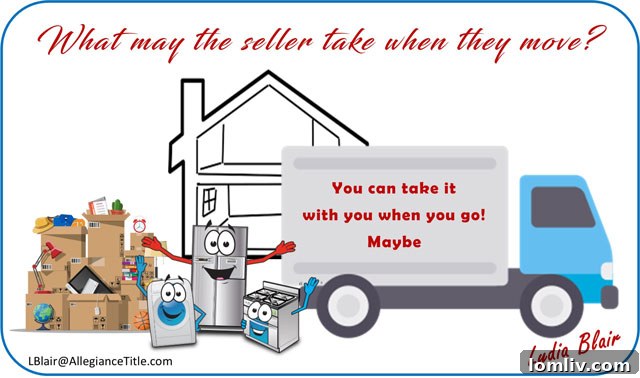
The core of this common dilemma lies in distinguishing between a “fixture” and “personal property.” In Texas real estate, a fixture is generally defined as an item that was once personal property but has become permanently attached to the real estate, thereby becoming part of the property itself. Once an item is considered a fixture, it automatically conveys with the sale of the home unless explicitly excluded in the contract. Personal property, on the other hand, consists of items that are not permanently attached and can be moved without causing damage to the property. These items typically belong to the seller and do not convey with the home unless explicitly included.
The determination of whether an item is a fixture often depends on several factors, including the method of attachment (is it bolted, glued, or built-in?), its adaptability to the real estate (is it custom-made for the space?), the intention of the party who attached it (was it meant to be permanent?), and the agreement between the parties (what does the contract say?). Understanding this distinction is paramount, as it forms the bedrock of what Texas buyers can expect to receive and what Texas sellers are obligated to leave behind.
What Conveys: The Texas Standard in Real Estate Contracts
In Texas, the standard One to Four Family Residential Contract (Resale) provided by the Texas Real Estate Commission (TREC) offers clear guidelines on what conveys with a property. Specifically, Paragraph 2 of this contract outlines the “Property” being conveyed, dividing items into “Improvements” and “Accessories.”
Paragraph 2B: Improvements – The Permanently Installed Items
This section of the contract lists specific items considered “Improvements” that must convey with the property unless otherwise stipulated. These are items that are permanently installed and built-in, designed to be an integral part of the home. Examples commonly found in Paragraph 2B include:
- Appliances: Built-in range, oven, dishwasher, disposal, trash compactor, and microwave ovens. If a refrigerator is custom-built into cabinetry or requires specialized plumbing, it typically falls under this category.
- Light Fixtures and Ceiling Fans: All permanently installed light fixtures, chandeliers, and ceiling fans, regardless of their decorative value or cost.
- Window Treatments: Window screens, storm windows, shades, blinds, and curtain rods. While curtains themselves are often considered accessories, the rods they hang from are typically seen as part of the window structure.
- Mirrors: Mirrors that are permanently affixed to walls, such as those glued or screwed into place, are considered improvements. A mirror simply hanging on a nail, however, would usually be considered personal property.
- Security Systems: All components of a permanently installed security system, including sensors, cameras, and control panels.
- Garage Door Openers: The motorized unit itself and all associated controls (remotes).
- Outdoor Features: Built-in outdoor cooking equipment (like a permanent grill or smoker structure), landscaping, shrubbery, and fences.
- Miscellaneous: Mailboxes, water heaters, and other essential systems.
The key here is “permanently installed.” If an item is affixed to the home in a way that its removal would cause damage or leave a void, it is generally considered an improvement and must remain with the house. For instance, a television bracket bolted into the wall conveys, but the television itself, being easily removable, does not.
Paragraph 2C: Accessories – The Functional Enhancements
Paragraph 2C addresses “Accessories,” which are additional items that enhance the functionality or aesthetic of the home and are expected to remain with the property. While some might seem less “permanent” than improvements, they are explicitly listed in the contract to ensure clarity. Common accessories include:
- Fireplace Accessories: Fireplace screens, gas logs, and any permanently installed fireplace equipment.
- Draperies and Valances: While the rods are in 2B, the actual draperies, curtains, and valances are listed here, signifying their expectation to convey.
- Keys and Controls: All keys to the property, gate controls, and additional garage door opener remotes. These are vital for the buyer’s immediate use and access to the home.
- Water Softeners and Filters: If installed, these typically convey as accessories.
The underlying principle for both improvements and accessories is to minimize ambiguity. By explicitly listing these items, the TREC contract aims to establish a clear baseline for what a buyer can expect to receive when purchasing a home in Texas. Any deviation from these contractual norms must be clearly outlined in writing.
What to Exclude: Seller’s Personal Property and Specific Exclusions
While the contract specifies what *should* convey, sellers often have personal items they wish to take with them, even if those items would typically be considered fixtures or accessories. This is where explicit exclusions become critical.
Listing Specific Exclusions:
Any item that the seller wants to take with them, but which would otherwise convey according to Paragraph 2B or 2C, *must be clearly listed as an exclusion on the first page of the contract*. Failing to do so means the item legally conveys with the property, and the seller would be in breach of contract if they removed it. Common examples of items sellers might want to exclude include:
- A cherished antique chandelier that has sentimental value.
- Specific designer curtains or custom window treatments.
- A unique built-in mirror that is a family heirloom.
- Specialized garden sculptures that are affixed but not part of the standard landscaping.
It’s vital for sellers to identify these items *before* listing their home and communicate them clearly to their real estate agent. This ensures they are properly documented in the initial offer, preventing future misunderstandings and disputes. For buyers, carefully reviewing the exclusion list is just as important as reviewing what conveys.
Personal Property:
Aside from specific exclusions, personal property items belong to the seller and are expected to be removed before closing. These are items that are not permanently attached and are easily movable, such as:
- Freestanding refrigerators, washers, and dryers (unless built-in).
- Furniture, artwork, and decorative items.
- Freestanding outdoor grills or patio furniture.
- Tools and personal belongings stored in the garage or sheds.
Sometimes, a seller might wish to leave certain personal property items (like a washer and dryer or a freestanding refrigerator) as a gift or convenience for the buyer. In such cases, these items should be handled through a specific document: the **Non-Realty Items Addendum**. This addendum specifies which personal property items are transferring from seller to buyer and prevents any confusion regarding their ownership and condition. It’s crucial for both parties to complete this addendum if personal items are to convey, and for the buyer to agree to accept these items. If the buyer does not wish to accept them, the seller remains responsible for removing all personal property before possession is transferred.
Avoiding Disputes: Best Practices for a Smooth Transaction
The potential for disputes over what stays and what goes is high, especially during the emotional process of moving. Clear communication, attention to detail, and a thorough understanding of the contract are your best defense.
For Sellers:
- Inventory Early: Before listing your home, walk through each room and identify any items you consider personal property that you wish to take, especially those that might be ambiguously attached (e.g., custom shelves, certain mirrors).
- Be Explicit with Exclusions: If an item falls under Paragraph 2B or 2C but you intend to take it, ensure it is clearly listed as an exclusion in the contract. Do not assume the buyer will understand your intention.
- Communicate with Your Agent: Keep your real estate agent fully informed of your intentions regarding specific items. They can help draft the contract accurately and advise on common practices.
- Prepare for Showings: Consider removing highly personal or sentimental items before showings to avoid buyers forming attachments to things that won’t convey. If you’re removing an item that typically conveys (e.g., a specific light fixture), replace it with a suitable alternative before showings.
- Final Walkthrough Readiness: Ensure all personal property is removed, and all items stipulated to convey are present and in working order before the buyer’s final walkthrough.
For Buyers:
- Review the Contract Diligently: Pay close attention to Paragraph 2B and 2C, as well as any listed exclusions. If something is important to you, make sure it’s explicitly included or not explicitly excluded.
- Ask Questions: If you are unsure about whether a particular item conveys, ask your agent to seek clarification from the seller, and get it in writing.
- Document During Showings: If there’s a specific fixture or accessory that strongly influences your decision to buy, take a photo during the showing and reference it when drafting your offer to ensure it’s addressed.
- The Final Walkthrough is Crucial: This is your last opportunity to verify that the property is in the agreed-upon condition and that all items that should convey are present. If you find something missing or damaged, inform your agent immediately so they can address it before closing.
The Role of Your Real Estate Agent:
Your real estate agent plays a vital role in navigating these complexities. They act as facilitators of communication, help interpret the contract language, and can advise on common practices in the local market. They can assist both buyers and sellers in clearly documenting their intentions, ensuring that the contractual agreement accurately reflects the understanding of all parties, thereby minimizing the chances of post-closing disputes.
Global Perspectives on Property Conveyance
While this guide focuses on Texas real estate, it’s interesting to note that conveyance norms vary significantly across the globe. In some European countries, for example, it’s not uncommon for sellers to take almost everything, including light fixtures, appliances, and even door handles – quite literally leaving behind only the “kitchen sink” structure. Buyers in these regions often anticipate needing to install all their own fixtures and appliances.
Conversely, in many resort areas worldwide, it’s common practice for homes to be sold fully furnished, including linens, dishes, and decorative items. These differences highlight the importance of understanding the local laws, standard contracts, and cultural expectations of the market in which you are buying or selling. The Texas contract, with its explicit listings in Paragraph 2, offers a relatively clear framework compared to some other regions, providing a valuable safeguard against ambiguity.
Clarity is Key for a Seamless Transaction
The process of buying or selling a home doesn’t have to be marred by disputes over fixtures and personal property. By taking the time to understand the provisions of the Texas real estate contract, clearly communicating intentions, and documenting everything in writing, both buyers and sellers can navigate this aspect of the transaction with confidence. Remember, the contract is a legally binding document designed to protect all parties. A thorough review of Paragraph 2, along with any addendums or specific exclusions, is not just a recommendation—it’s an essential step toward a smooth, stress-free, and successful closing.
When in doubt, always lean on the expertise of your real estate agent and consult with legal or financial professionals to ensure your interests are fully protected. Proactive communication and meticulous attention to detail are the cornerstones of preventing conflicts and ensuring that both parties walk away satisfied from the closing table.
Opinions expressed are of the individual author for informational purposes only and not legal or tax advice. Contact an attorney or accountant to obtain advice for any issue or problem.