

Texas continues to be a vibrant hub of economic activity and population growth, constantly redefining its landscape. This week, we delve into three significant facets of this dynamic growth: Dallas-Fort Worth’s ascendance as a premier destination for tech talent, a pivotal shift in new home sales leadership between Houston and DFW, and an intriguing look at the youngest county in the Lone Star State. These narratives collectively paint a picture of a state flourishing across various sectors, attracting businesses, families, and a youthful demographic eager for opportunities.
Dallas-Fort Worth: A Burgeoning Hub for Tech Talent and Innovation

The Dallas-Fort Worth (DFW) metroplex has cemented its position as a formidable force in the North American technology landscape, securing a coveted spot in the top 15 on CBRE’s influential Tech Talent Scorecard. This annual report, part of its seventh-annual Scoring Tech Talent Report, meticulously evaluates 50 U.S. and Canadian markets based on their capacity to attract, foster, and retain a skilled tech workforce. DFW’s impressive ranking underscores its growing appeal for tech professionals and companies alike.
DFW’s Competitive Edge in the Tech Sector
DFW’s rise as a tech powerhouse is no accident. The region boasts an expansive tech talent market, ranking as the fifth-largest in North America with nearly 170,000 tech workers. This substantial workforce is supported by a robust educational pipeline, with DFW producing the eighth-most tech graduates across the continent. In 2017 alone, the area added an impressive 6,500 new tech graduates, continually replenishing and expanding its talent pool. Local universities and colleges play a critical role in this, churning out graduates equipped with the latest skills demanded by the fast-evolving tech industry, from software development and data analytics to cybersecurity and artificial intelligence.
One of DFW’s most compelling advantages lies in its affordability. The region exhibits a highly attractive rent-to-tech wage ratio of just under 14 percent. This figure is significantly lower than that of established, high-cost tech hubs like San Francisco or Seattle, offering tech professionals a much higher quality of life and greater disposable income. This economic incentive, combined with a diverse job market and a business-friendly environment, makes DFW an exceptionally appealing destination for both established tech companies looking to expand and startups seeking fertile ground for growth. The lower operational costs and access to a large, skilled, and affordable workforce are key drivers attracting significant corporate relocations and expansions to the metroplex.
Texas and North American Tech Talent Landscape
Beyond DFW, Texas itself is a hotbed for tech growth. Austin, the state capital, continued its strong performance, ranking an impressive sixth overall on the CBRE scorecard, solidifying its reputation as a vibrant tech ecosystem. Houston, while perhaps not as centrally focused on tech as DFW or Austin, still holds a respectable position at 34th, showcasing the state’s broad economic diversity. Across North America, the top five metros for tech talent remain the traditional heavyweights: San Francisco, Seattle, Toronto, Washington D.C., and New York. However, DFW’s consistent climb signals a shift in the landscape, indicating that Texas metros are increasingly competing with and drawing talent from these historically dominant regions, driven by a combination of opportunity, innovation, and affordability.
Source: CBRE
Houston Overtakes Dallas-Fort Worth in New Home Sales
The highly competitive Texas housing market witnessed a significant shift in June, as Houston surged ahead of Dallas-Fort Worth to claim the top spot for new home sales. This pivotal change marks a notable turn in a rivalry that has seen both metros vying for real estate dominance, reflecting broader trends and localized market dynamics across the state.
A Shifting Landscape in Texas Housing
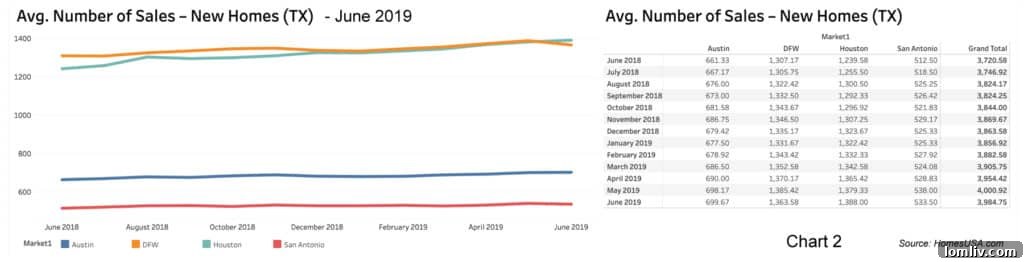
According to a detailed report by HomesUSA.com, Houston achieved a remarkable milestone in June, reaching a record 12-month rolling average of 1,388 new home sales. This figure edged out DFW’s 1,364, marking the first time Houston has surpassed its long-standing rival in this metric since December 2017. The 12-month rolling average is a crucial indicator, smoothing out monthly fluctuations to provide a clearer trend of market performance, and Houston’s ascent suggests a robust and sustained demand within its housing market.
While Houston celebrated its new leadership position, the overall picture for new home sales across Texas’s four major markets, as tracked by the HomesUSA index, showed a slight moderation. The collective 12-month rolling average for new home sales in these markets fell slightly from 4,001 in May to 3,985 in June. This minor dip suggests a general cooling across the board, possibly influenced by factors such as rising interest rates, increasing home prices, or tightening inventory, indicating a more balanced market emerging after periods of intense growth. Specifically, DFW’s total new home sales in June were 1,364, a decrease from 1,385 in May, mirroring the broader slowdown.
Pricing Trends and Future Outlook
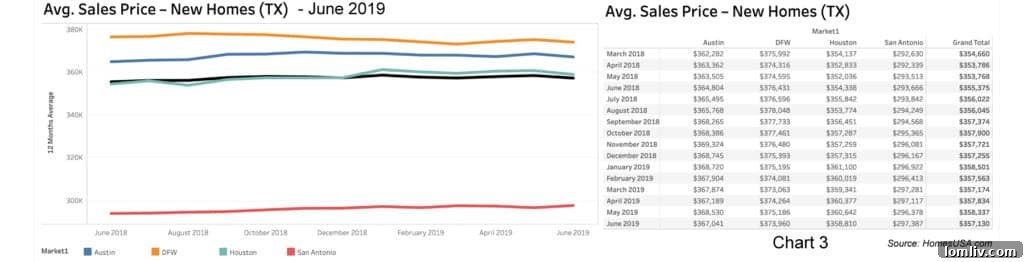
The average new home price in Texas also experienced a slight decline in June, settling at $357,130 compared to $358,337 in May. This statewide trend of decreasing prices was observed in key metropolitan areas including Houston, DFW, and Austin. In Dallas-Fort Worth, the average new home price in June was $373,960, a modest reduction from $375,186 recorded in May. These price adjustments, though small, could signal a market that is becoming more accessible for buyers, or it could reflect builders adjusting to inventory levels and buyer demand.
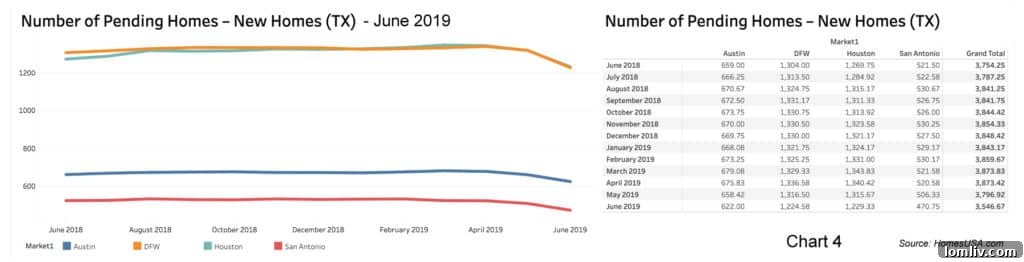
Looking ahead, pending new home sales, which often serve as a bellwether for future closed transactions, were also lower across all four major metros. Dallas-Fort Worth, for instance, saw its 12-month rolling average for pending sales drop to 1,225 in June, a decrease from 1,317 pending sales in May. This widespread decline in pending sales suggests that the coming months might see continued moderation in the rate of new home sales across Texas. Real estate analysts will be closely monitoring these trends to determine if these are temporary adjustments in a healthy market or indicators of a more significant shift in buyer behavior and market conditions.
Source: HomesUSA.com
Brazos County: Unveiling the Youngest County in Texas
 Demographic shifts are constantly reshaping the fabric of nations, and the United States is no exception. Recent Census figures highlight an interesting trend: more than half of all Americans are currently aged 38 or younger. However, projections indicate a future where the median age will rise, with the majority expected to be at least 43 years old by 2060. Understanding these age dynamics is crucial for economic planning, resource allocation, and comprehending the future demands on housing, labor markets, and social services. In light of these national trends, a fascinating article in USA Today, compiled by 24/7 Tempo, utilized comprehensive Census Bureau data to pinpoint the counties with the youngest median age in each U.S. state, offering a localized perspective on youth demographics.
Characteristics of Youthful Counties
The analysis revealed that counties with significantly lower median ages often share common characteristics. As the article elaborated, “These counties are often urban and include independent cities in Maryland and Virginia that effectively function as counties.” Furthermore, the presence of a growing number of new families can significantly skew a county’s median age downwards. In some particularly youthful counties, such as those found in Alaska, Idaho, North Dakota, South Dakota, and Utah, the demographic influence of young families is so pronounced that more than one in every 10 residents is under the age of 5. These regions represent pockets of robust birth rates and family formation, indicating strong potential for future population and economic growth.
Brazos County: Texas’s Youngest Heartbeat
For Texas, the spotlight shone brightly on Brazos County, identified as the youngest county in the state with a strikingly low median age of 25.8 years. This stands in stark contrast to the statewide median age of 34.3 years, underscoring Brazos County’s unique demographic profile. While the state average sees 26.3 percent of its population under 18, Brazos County’s youthfulness is primarily driven by its significant young adult population, with over 20 percent of its 214,231 residents being younger than 18. This particular demographic distribution hints at a strong presence of college-aged individuals, who, while not under 18, contribute significantly to the overall youthful median.
The Impact of Higher Education on Demographics
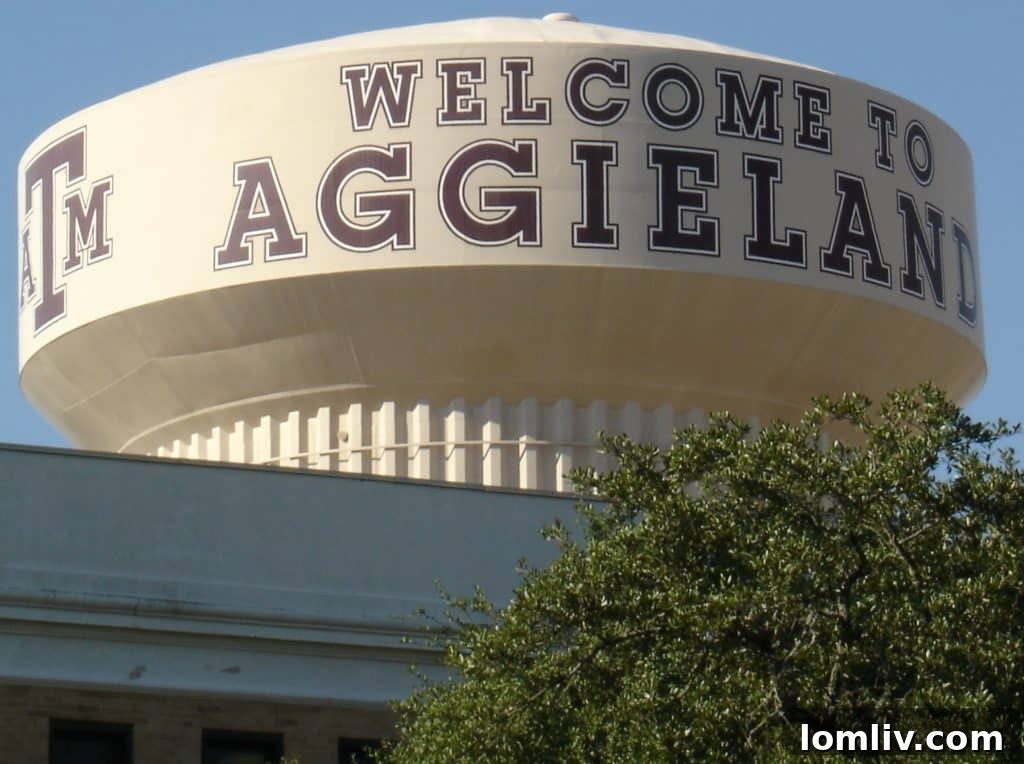
The explanation for Brazos County’s youthful median age is readily apparent when considering its geographical makeup. With Bryan serving as its county seat and being home to the vibrant city of College Station, Brazos County is famously the proud location of Texas A&M University. This venerable institution, one of the largest public universities in the nation, serves as a powerful magnet for young people, drawing tens of thousands of students from across Texas, the nation, and the world. As the USA Today article aptly observed, “Many of the counties on this list are home to large colleges and universities.” The profound impact of higher education institutions on local demographics cannot be overstated. Given that the vast majority of the approximately 19.9 million college and university students in the United States are under 25 years old, the sheer presence of such a large post-secondary institution naturally reduces the median age of any county it inhabits. This influx of young talent not only lowers the median age but also injects vitality into the local economy, fueling demand for housing, services, and entertainment tailored to a youthful population, making Brazos County a dynamic and forward-looking community within Texas.
Source: USA Today
Conclusion: A Dynamic Texas Landscape
From the booming tech corridors of Dallas-Fort Worth to the shifting housing markets of Houston and the youthful energy of Brazos County, Texas remains a compelling testament to growth, opportunity, and constant evolution. The state’s ability to attract diverse talent, adapt to changing economic landscapes, and foster vibrant communities underscores its enduring appeal. As these trends continue to unfold, Texas reinforces its reputation as a leading economic engine in the nation, offering a wealth of prospects for businesses, families, and individuals seeking to thrive in a dynamic environment.