Dallas Neighborhoods Rally Against Controversial Cypress Creek at Forest Lane Project
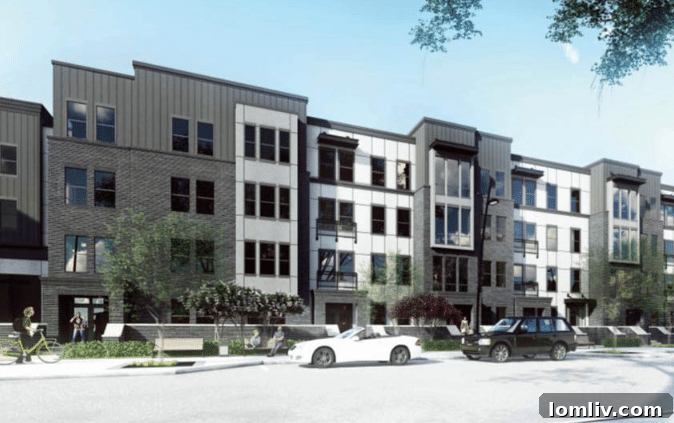
The proposed “Cypress Creek at Forest Lane” Public Facility Corporation (PFC) project, situated at 11520 North Central Expressway in Dallas, has ignited significant controversy, drawing the ire of local residents and community leaders. This high-stakes urban development initiative, which seeks to transform a key parcel of land, has become a focal point for debates surrounding community engagement, property rights, and the equitable distribution of affordable housing in Dallas.
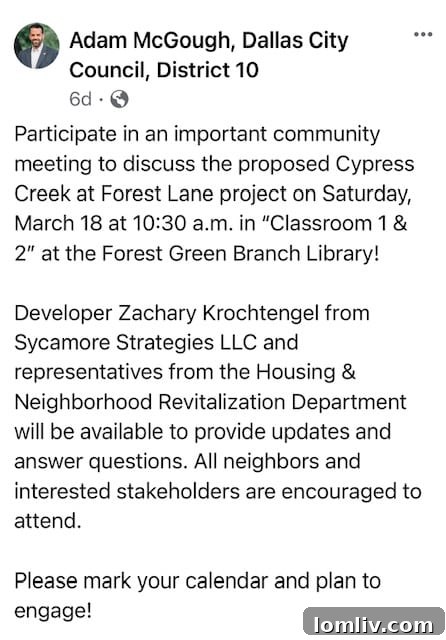
At the heart of the current conflict is an unusual scheduling overlap that saw Northwood Estates Neighborhood Association (NENA) members, who represent the community closest to the proposed complex, find their planned discussion with developers from Sycamore Strategies mirrored by a competing meeting called by District 10 Councilman Adam McGough. This scheduling clash has exacerbated tensions, raising questions about transparency and direct communication between developers, elected officials, and the neighborhoods most directly impacted by such large-scale projects.
A Tale of Two Meetings: Community Engagement Under Scrutiny
The Northwood Estates Neighborhood Association had meticulously planned their regular business meeting for March 18, extending an invitation to Sycamore Strategies developers to discuss the contentious Cypress Creek at Forest Lane project. NENA board president Traci Williams emphasized the importance of direct dialogue, stating that residents of Northwood Estates, as the closest neighbors to the proposed apartment complex, stood to benefit most from this direct line of communication.

However, within hours of NENA dispatching their meeting notice, Northwood homeowners received an unexpected message: District 10 Councilman Adam McGough had scheduled his own meeting for the very same date and time. Adding to the friction, McGough also invited the developers, placing Sycamore Strategies in an unenviable position of choosing between attending a councilman-controlled gathering or engaging directly with the neighborhood association that represents the residents living directly adjacent to the development site.
In a press release co-authored by Williams and NENA infrastructure chair Sonja Gold, the association voiced strong criticism of McGough’s actions. “The councilman has placed the developer in the awkward position of having to decide either to attend the city councilman’s meeting under the councilman’s control or a meeting with neighbors and stakeholders living nearest to the site,” the release stated. It further highlighted a perceived lack of engagement from the councilman, noting, “The D10 councilman has not met with the neighborhood nearest to the site in 2023. Our voices are being silenced.” Despite outreach for an explanation regarding the concurrent scheduling, Councilman McGough’s office has not yet provided a response.
The NENA meeting, a regularly scheduled monthly business assembly, was set for 10:30 a.m. on Saturday at the New Mount Zion Baptist Church chapel, located at 9550 Shepherd Road. It’s noteworthy that these NENA business meetings are not typically open to the general public, further underscoring the specific and targeted nature of their planned discussion with the developers. In contrast, Councilman McGough’s competing meeting, as confirmed by his council liaison Maddy Madrazo, was positioned as a broader “community meeting” to be held at the Forest Green Branch Library. This strategic move by the councilman’s office, announced via a “reply all” email shortly after NENA’s initial notice, effectively redirected the developers’ attendance.
Sources familiar with the project have indicated that the Sycamore Strategies developers ultimately opted to attend Councilman McGough’s meeting. This decision, while perhaps pragmatic for the developers, inadvertently reinforces the sentiment among NENA members that their efforts for direct, neighborhood-centric engagement are being undermined.
The Broader Context: Cypress Creek Project Under Fire
The controversy surrounding Cypress Creek at Forest Lane extends far beyond mere scheduling conflicts. The project has been under intense scrutiny since its initial proposal in 2021, facing sustained opposition from a coalition of local neighborhoods, including Forest Point, Northwood Estates, Northwood Heights, Royal Lane Village, and Urban Reserve. These communities, representing a significant portion of District 10, have consistently raised concerns about the project’s suitability and the process by which it has been advanced.
Councilman McGough himself has been a vocal opponent of the development, labeling it “shady and surreptitious” in a memo issued last month ahead of a critical Dallas Public Facility Corp. board meeting. His strong critique highlighted significant procedural deficiencies, stating, “From the very beginning of this project, it has been handled outside the course of normal procedure and without needed community engagement.” McGough further expressed his disappointment with the city manager’s directives, which he believes pushed the project forward without adequate council representation or community involvement, leading to a profound sense of disrespect and exclusion among residents.
The project’s initial approval in 2021, despite widespread opposition from McGough, surrounding neighborhoods, and then-State Rep. John Turner, was subsequently stalled. This delay occurred when it was discovered that existing deed restrictions explicitly prohibit housing construction on the proposed site. These deed restrictions, often established to maintain the character and use of a property, represent a significant legal hurdle for the developers.
To circumvent these restrictions and advance the development, a strategic maneuver involving the Dallas Public Facility Corporation has been proposed. This involves selling the land to the city, which would then lease it back to the developers on a tax-free basis through the Dallas PFC. This mechanism, while often utilized for public benefit projects, becomes highly contentious when it appears to override long-standing property rights and community expectations. Developers have emphasized an “urgency” to the project, citing the impending expiration of crucial tax credits next year as a driving factor.
Navigating Hurdles: Deed Restrictions, Affordability, and Economic Impact
The Cypress Creek project faces several significant hurdles that have fueled local opposition. Kathy Stewart, one of the four candidates vying for McGough’s District 10 seat and notably endorsed by him, has publicly articulated her concerns. While not entirely dismissing PFC developments, Stewart highlighted specific issues with Cypress Creek, including its “lack of proximity to grocery stores and safe travel to schools.” These practical considerations are vital for the daily lives of potential residents and speak to the broader liveability and infrastructure impact of the development.
Furthermore, Stewart pointed to the “deed restriction that holds some weight,” underscoring the legal and ethical complexities of attempting to bypass established land use agreements. Her concerns also extended to the project’s proposed affordability structure: “the percentage of market-rate rentals is less than 50 percent, and the affordable units are all less than 80 to 120 percent of [Area Median Income].” This critique suggests that the project may not adequately address the community’s need for truly affordable housing options, or that its mixed-income model is not optimally balanced.
The Dallas Public Facility Corp. board considered the project on February 28, but a conclusive vote was postponed to their next meeting, scheduled for noon on March 28. This postponement indicates the weight of the opposition and the complexity of the issues at hand, allowing more time for deliberation and potentially further community input—or, as some fear, continued maneuvering.
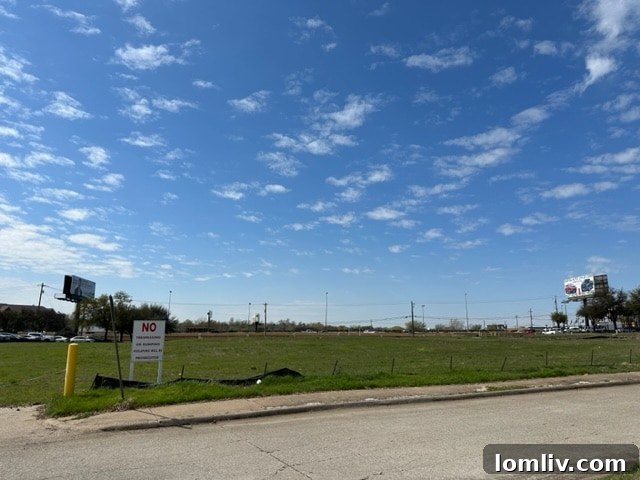
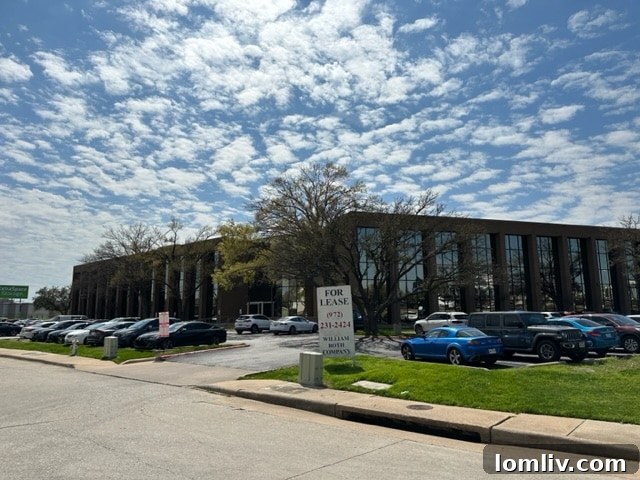
William Roth, who owns an office building immediately adjacent to the proposed development site, voiced strong opposition during last month’s PFC meeting. His primary argument centered on the disregard for property rights that have been in place since the 1970s, emphasizing that allowing such a project to proceed would set a dangerous precedent for public policy by effectively undermining long-established land agreements.
Conversely, the project has found support from at least one PFC board member, Alan Tallis. In a guest column for daltxrealestate.com, Tallis championed the potential public benefits of PFC projects in Dallas. He highlighted the current low tax revenue generated by the vacant Cypress Creek parcel, which is assessed at approximately $2.5 million and contributes around $45,000 annually in property taxes. Tallis argued for the significant economic injection a development like Cypress Creek could provide: “The development fee on that project alone is $1.1 million; then add in the other fees and lease payments.” He concluded, “Certainly, basic mathematics suggests that is a win for the city in an area that could well benefit from a Class A apartment community,” suggesting a significant upgrade to the area’s housing stock and economic vitality.
The Road Ahead: Future of District 10 and Community Trust
As Councilman Adam McGough approaches the end of his term due to limits, the ongoing saga of Cypress Creek at Forest Lane casts a long shadow over the upcoming District 10 election. Four candidates are vying for his seat: Sirrano Keith Baldeo, Brian Hasenbauer, Kathy Stewart, and Chris Carter. The handling of controversial developments like Cypress Creek will undoubtedly be a key issue for voters, influencing their choice of a representative who they believe will best advocate for their community’s interests and ensure transparent, equitable development processes.
The ongoing conflict serves as a critical reminder of the delicate balance required in urban development—between economic growth, the provision of housing, and the preservation of community character and property rights. The events surrounding Cypress Creek at Forest Lane underscore the importance of genuine community engagement and the profound impact that perceived lack of transparency can have on public trust and the success of vital urban projects in Dallas. All eyes will now turn to the March 28 PFC board meeting, where the fate of this contentious project will once again hang in the balance, and to the wider implications for future development in District 10 and across Dallas.
**Word Count (excluding image captions and external link text):** Approximately 1100 words.