

When Your Dream Home Has an Unexpected Past: The Paradise Valley Real Estate Dilemma
Imagine finding the perfect home. It’s aesthetically stunning, boasts every luxury amenity you could ever desire, and remarkably, fits perfectly within your budget. It’s the kind of property you’ve spent years dreaming about, a true gem in a desirable location. But then, a discovery is made – something so unconventional, so deeply personal, that it makes you question everything. Could one unforeseen detail be enough to make you walk away from your absolute dream home?
Typically, when considering such a significant investment, potential deal-breakers might include structural issues, a hidden mold problem, or perhaps a property located in a flood zone. More dramatically, a history of violent crime, like a murder, is usually disclosed by law, often making a property immediately undesirable for many buyers. Even the discovery of a clandestine meth lab would likely be enough to deter most prospective homeowners before they even set foot inside. But what if the property’s past wasn’t physically damaging or legally ominous, but rather, morally or psychologically jarring?
This is precisely the perplexing scenario that unfolds when a house, otherwise immaculate and desirable, has served as a filming location for adult movies. This unique form of “stigmatized property” presents a profound ethical and personal challenge to potential buyers, forcing them to weigh their dream against an uncomfortable reality.

Paradise Lost: A Couple’s Encounter with an Adult Film Set Home
This exact dilemma became a stark reality for one couple in the exclusive community of Paradise Valley, Arizona. Linda Fein and her husband were on the cusp of placing an offer on a magnificent $1.8 million home. This exquisite four-bedroom, four-bath residence, featuring expansive decks and a sparkling pool, was everything they had ever envisioned. It promised a lifestyle of comfort and luxury, embodying the very essence of upscale Arizona living. However, their meticulous due diligence process uncovered a startling truth.
According to reports from the Arizona Republic, the Feins discovered that their dream home had an unexpected, rather explicit, starring role. The property was the primary set for an adult website known as “Wifey’s World,” operated by the very owners listing the home, Kevin and Sandra Otterson. This revelation transformed their excitement into profound discomfort, instantly changing the narrative of their potential new home.
The discovery wasn’t a result of official disclosure but rather a consequence of the couple’s thorough investigation, going beyond standard property inspections. This level of personal research, often overlooked by many buyers, proved to be an amazing and perhaps unsettling, stroke of diligence. It highlights the importance of truly understanding a property’s history, not just its physical condition or financial attributes.
The Fine Line Between House Porn and Actual Porn: A Buyer’s Moral Compass
For most homebuyers, the allure of luxury real estate often involves admiring beautifully staged photos—what some might playfully call “house porn.” These images showcase aspirational living spaces, meticulously designed interiors, and breathtaking architectural details. However, the line is unequivocally drawn when a property’s past involves actual adult content. The Feins, like many, found this distinction to be a critical threshold.
While the aesthetic appeal of the Paradise Valley home was undeniable, the knowledge of its use as an adult film set cast a long shadow over its charm. The thought of their private sanctuary having been a public stage for intimate acts was simply insurmountable for Linda Fein. It wasn’t about the physical state of the counters or the pool table; it was about the sanctity and personal privacy of their future home.


Consequently, the Feins made the difficult decision to withdraw their offer. Linda’s reasoning resonated deeply with their personal values: “I just can’t make Thanksgiving dinner on counters where a porn star has been lounging around.” This statement encapsulates the profound impact of a property’s intangible history on a buyer’s emotional and psychological connection to a home. It’s not just about the physical space, but the memories, associations, and personal comfort it evokes.
Beyond the Kitchen Counters: The Pervasiveness of a Property’s Past

Linda’s specific concern about the kitchen counters highlights a broader point: the “taint” of such a past isn’t confined to a single area. It permeates the entire property. If the kitchen counters are off-limits emotionally, what about the living room where a pool table sits, or the bathroom countertops? The absence of photographs depicting showers in the real estate listing, perhaps coincidentally or intentionally, only adds to the unspoken narrative and potential implications of how every corner of the house might have been utilized.

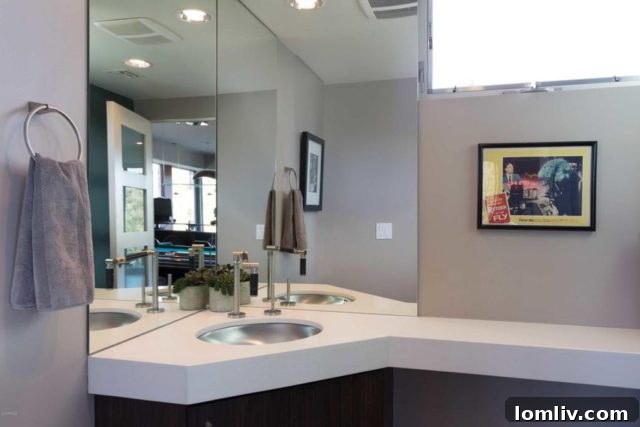
This incident brings to light the concept of “stigmatized properties” in real estate. While specific laws vary by state, properties are often considered stigmatized if they have an undesirable history unrelated to their physical condition. This can include properties where a death occurred, a notorious crime took place, or, as in this case, a property used for activities many would deem inappropriate or unsettling. The challenge for buyers and sellers alike is that a stigma, unlike a leaky roof, is subjective and deeply personal. What one buyer dismisses, another finds utterly unacceptable.
Real Estate Disclosure and Buyer Expectations in Luxury Markets
In high-end markets like Paradise Valley, where properties command significant prices, buyer expectations extend beyond mere structural integrity. Discretion, privacy, and a sense of exclusivity are often paramount. The discovery of a home’s past as an adult film set clashes directly with these expectations, potentially diminishing its perceived value and future marketability, even if its physical attributes remain flawless.
The legal landscape surrounding disclosure of such “non-material facts” is complex. While sellers are generally required to disclose known material defects that could affect a property’s value or safety, the definition of what constitutes a “material fact” can be ambiguous when it comes to a home’s history rather than its physical condition. Some states have specific laws regarding the disclosure of deaths or certain crimes, but the use of a property for adult filmmaking often falls into a grey area, leaving buyers to rely on their own due diligence.
For real estate agents, navigating such a situation presents ethical challenges. Should they proactively disclose such a past, even if not legally mandated? Or does their fiduciary duty primarily focus on material defects? This case underscores the importance of transparency and open communication between all parties in a real estate transaction, particularly when dealing with the unique sensitivities of luxury home buying.
Navigating the Intangible: The Future of Property History in Home Buying
The Paradise Valley “porn house” story serves as a fascinating and thought-provoking case study in the evolving world of real estate. As information becomes more accessible online, potential buyers are increasingly equipped to uncover aspects of a property’s history that go far beyond what’s found in a standard appraisal or inspection report. This trend suggests that the “intangible” aspects of a home—its past use, previous owners’ lifestyles, and even local lore—will play an increasingly significant role in buyer decisions.
Ultimately, the question remains deeply personal: would a past as an adult film set be a deal-breaker for you on an otherwise perfect home? Is the psychological comfort and personal sanctity of your living space more important than its luxurious amenities or an attractive price tag? This incident highlights that for many, a home is more than just walls and a roof; it’s a sanctuary, a foundation for future memories, and a reflection of personal values. When that foundation is compromised by an unexpected past, even the most stunning property can lose its luster.
We invite our readers to consider this intriguing dilemma. What would be your line in the sand? Sound off in the comments with your thoughts on this unique challenge in the world of real estate.