Every week, the detail-oriented folks at Green Scene Home Inspections will give Daltxrealestate.com readers an education in inspection. Want to see what they see? Tune in for “Upon Closer Inspection.”
Purchasing a home is one of the most significant investments a person will ever make, and with such a monumental decision comes the responsibility of ensuring its safety and structural integrity. While many prospective homeowners focus on aesthetics, location, and amenities, a professional home inspection delves deep beneath the surface, uncovering issues that could range from minor maintenance needs to genuinely life-threatening hazards. At Green Scene Home Inspections, our commitment is to provide Daltxrealestate.com readers with an unparalleled understanding of what truly lies within a property.
During a typical home inspection, our seasoned experts frequently encounter a variety of ordinary wear and tear, alongside common maintenance oversights. These might include leaky faucets, worn-out caulk, or aging appliances. We also regularly identify more significant repair requirements or malfunctioning equipment that, while important to address, don’t pose immediate danger. However, on occasion, our meticulous inspection process reveals truly dangerous situations that demand urgent attention, sometimes even before a property transaction can proceed safely. Ignoring these critical issues can have severe consequences, impacting not just the financial well-being of the homeowner but also the health and safety of its occupants. This week, we highlight a few examples of such perilous problems that our inspectors are trained to spot and that necessitate immediate action.
Unseen Killer: Carbon Monoxide Leaks
One of the most insidious dangers a home can harbor is a carbon monoxide (CO) leak. Carbon monoxide is a colorless, odorless, and tasteless gas, making it virtually undetectable by human senses alone. It’s often referred to as “the silent killer” because its presence can go unnoticed until it’s too late. When gas-powered appliances such as furnaces, water heaters, stoves, or dryers operate, they naturally produce carbon monoxide as a byproduct of combustion. The flue pipe is designed to safely vent this dangerous gas out of the house. However, when there’s a disconnect, a blockage, or a crack in the flue or heat exchanger, the toxic gas can accumulate inside the living spaces, creating not only a significant fire hazard but also an extremely unsafe environment for breathing.
The health risks associated with carbon monoxide exposure are severe, ranging from headaches, dizziness, and nausea in mild cases to unconsciousness, brain damage, and even death with prolonged or high-level exposure. Even low levels of CO over time can lead to chronic health issues. While a reading of 30 parts per million (ppm) is generally considered the threshold for unsafe conditions by many standards, our inspectors frequently find levels that measure significantly higher—sometimes “off the charts.” Detecting such a leak requires specialized equipment, which is a standard tool for professional home inspectors. They can pinpoint the source of the leak, whether it’s a faulty appliance, a compromised ventilation system, or an improperly installed exhaust. Ensuring that all combustion appliances are properly installed, maintained, and vented is paramount to safeguarding a home against this invisible threat. Furthermore, the installation of UL-listed carbon monoxide detectors on every level of the home, especially near sleeping areas, is a non-negotiable safety measure that every homeowner should implement.
Lingering Scars: Undisclosed Previous Fire Damage
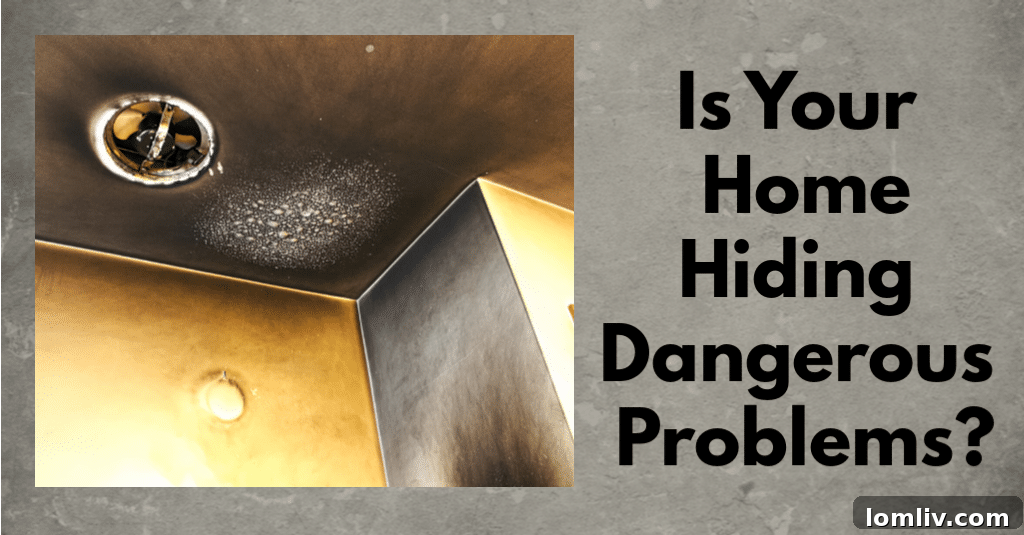
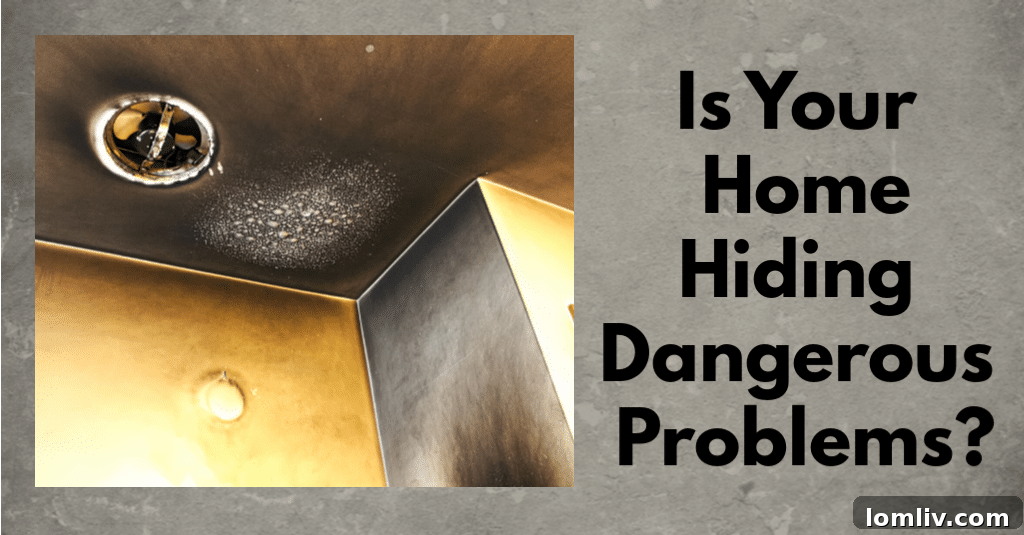
Discovering evidence of previous fire damage, especially when it has been superficially covered up, is a serious red flag during a home inspection. In one such instance, our inspector uncovered white paint in the attic, clearly intended to conceal burn marks and smoke residue. This practice, while unfortunately common in attempts to quickly “flip” or sell a damaged property, is incredibly deceptive and dangerous. A fire, regardless of its size, can compromise the structural integrity of a home in ways that are not immediately apparent to the untrained eye. Painting over soot doesn’t remove the damage; it merely hides it, leaving critical underlying problems unaddressed.
If you’re considering purchasing a home with a history of fire, it is absolutely essential to conduct thorough due diligence. The primary concern revolves around the structural integrity of key components such as the roof, rafters, trusses, and decking in the attic. Heat can weaken wood, distort metal, and compromise load-bearing elements, potentially leading to future collapse or significant repair costs. Beyond structural issues, fire and the water used to extinguish it can lead to long-term air quality problems due to lingering soot, toxic residues, and the potential for mold growth within walls and ductwork. It’s crucial to consult with the homeowner to obtain a comprehensive understanding of the circumstances surrounding the fire, including when it occurred, what caused it, and the extent of the damage. Most importantly, request any and all documentation, such as contractor receipts, permits for repairs, and insurance claim files, to verify that all necessary restoration work was completed by qualified professionals and met current building codes. Without verifiable evidence of proper remediation, a buyer should consider bringing in their own independent experts—a structural engineer to assess the framework and an air quality specialist to test for contaminants. This proactive approach ensures that the “fixed” property doesn’t become a long-term hazard or financial burden.
Electrifying Dangers: Hazardous Wiring
Electrical systems are the lifeblood of any modern home, powering everything from lights to essential appliances. However, when wiring is improperly installed, damaged, or outdated, it quickly transforms into one of the most dangerous hazards a property can present. The image of exposed, haphazard wiring dangerously close to a metal fence should send shivers down any homeowner’s spine. It doesn’t take a licensed electrician to recognize that this setup is not merely incorrect but represents an immediate and severe risk of electrocution. Such wiring could easily make contact with the metal structure, electrifying it and turning an innocent touch into a fatal shock for anyone nearby.
Dangerous wiring encompasses a broad range of issues that professional inspectors frequently uncover. These include exposed wires, incorrect gauge wiring for the load, inadequate grounding, overloaded circuits, faulty circuit breakers, and antiquated systems like knob-and-tube or aluminum wiring, which may not meet modern safety standards. DIY electrical work, while seemingly cost-effective in the short term, is a major contributor to these hazards. Electricity is not a hobby; it requires specialized knowledge, adherence to strict codes, and proper tools to ensure safety. Improperly installed wiring can cause electrical fires, leading to extensive property damage and loss of life, or create shock hazards that are invisible until contact is made. If an inspector identifies any electrical deficiencies, particularly those as egregious as the example shown, the immediate recommendation is to call a qualified, licensed electrician. Attempting to fix electrical problems without professional expertise is an invitation to disaster. Investing in a thorough electrical inspection and necessary upgrades not only ensures the safety of the home’s occupants but also protects the property value and provides peace of mind.
In conclusion, a home inspection is far more than a mere formality in the real estate transaction; it is a critical safeguard against unforeseen dangers and costly repairs. While common issues are part of nearly every home’s narrative, it’s the truly dangerous, hidden problems—like insidious carbon monoxide leaks, concealed fire damage, or perilous electrical wiring—that underscore the indispensable value of a meticulous professional inspection. These aren’t just minor inconveniences; they are threats to health, safety, and financial stability. Our Green Scene Home Inspections team is dedicated to providing thorough, expert assessments, ensuring that potential homeowners are fully informed and protected from these serious hazards. Don’t leave your biggest investment to chance; trust the experts to look closer and ensure your future home is truly safe and sound.