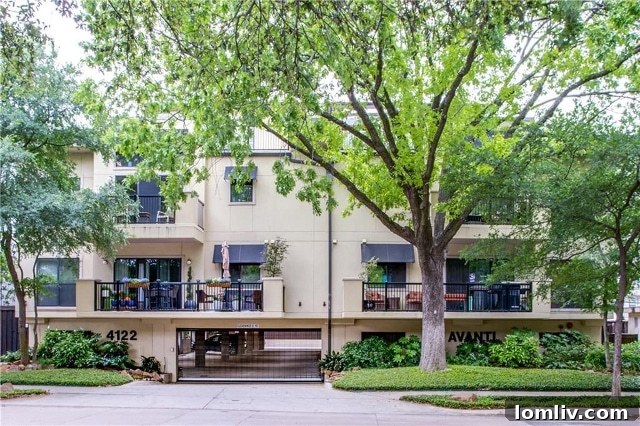
For too long, the Dallas real estate landscape has been dominated by a repetitive sight: endless blocks of “cookie-cutter” townhouses. These multi-story dwellings, with their predictable floor plans and vertical layouts, often represent an inefficient use of valuable urban space. They frequently compel homebuyers to pay more for less truly usable living area, a consequence of designs that prioritize quantity over quality and often feel like a compromise rather than a solution. My perspective, frequently shared on Daltxrealestate.com, posits that these conventional townhouses are akin to “an elephant designed by a committee”—cumbersome, overly complex, and ultimately not serving the modern homeowner’s best interests. The compelling alternative? Thoughtfully designed, single-story “flats” or condos.
While high-rise condominium living offers the efficiency of single-story layouts, it often comes with a significant barrier: substantial Homeowners Association (HOA) dues. These fees, coupled with the philosophical aversion some people have to living many stories above the ground, place high-rise options out of reach for a broad segment of the market. This is where the charm and practicality of the low-rise flat truly shine. Recalling early 20th-century urban planning, many cities, including Dallas, embraced a network of duplex and even triplex flats. These historical buildings, still visible in venerable Dallas neighborhoods like East Dallas, Oak Lawn, and Oak Cliff, provided a clever model: an owner could reside in one unit while renting out another, generating income to offset mortgage payments. This blend of homeownership and investment potential speaks to a timeless desire for intelligent property utilization.
In the years leading up to the last major economic recession, Dallas began to rediscover the appeal of low-rise flat condo buildings. These developments offered all the coveted benefits of single-story living—ease of access, fluid layouts, and a sense of openness—paired with remarkably reasonable HOA dues. While some potential buyers might initially balk at any HOA fees, it’s crucial to understand their inherent value. Well-managed HOAs ensure uniform exterior maintenance, meticulous landscaping, and a proactive approach to common area upkeep. This collective responsibility protects property values and creates a cohesive, attractive living environment. More importantly, having a financial reserve in the bank through HOA contributions provides a safeguard for unexpected repairs and major capital improvements, avoiding the stress and disorganization of last-minute assessments. It’s an investment in sustained quality of life and property integrity.
To illustrate the enduring appeal and practicality of this housing model, let’s explore three exceptional low-rise flats in the vibrant Oak Lawn neighborhood, all constructed in the pre-Recession era. These properties exemplify how intelligent design and community planning can offer a superior urban living experience.
4122 Avondale Avenue: Modern Low-Rise Living in Oak Lawn
Situated in the heart of Oak Lawn, 4122 Avondale Avenue offers residents a prime location with easy access to the best of Dallas. This address embodies the convenience and community feel that low-rise flats are celebrated for, providing a harmonious balance between urban vibrancy and residential tranquility. The building itself is a testament to thoughtful design, offering single-story units within a structure that prioritizes both comfort and accessibility.
Unit 201: Spacious and Accessible Condo
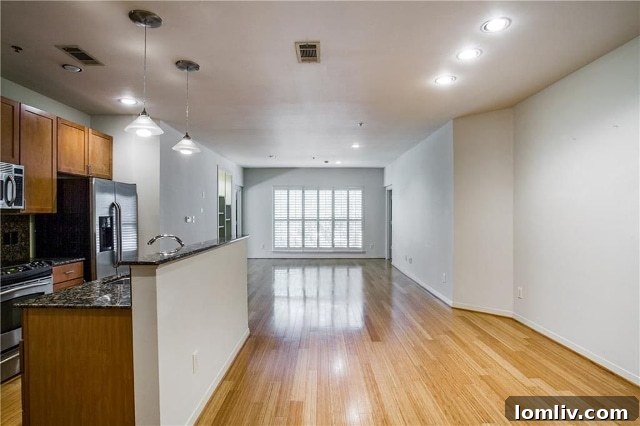
This exquisite two-bedroom, two-bathroom condo at 4122 Avondale Avenue, Unit 201, spans a generous 1,305 square feet. It was previously listed by Sanders Avrea of Allie Beth Allman for an attractive $315,000, presenting a remarkable opportunity for efficient urban living. The monthly HOA dues, set at a reasonable $370, encompass crucial exterior and interior maintenance services, ensuring residents can enjoy a hassle-free lifestyle without the burdens of upkeep. For those concerned about accessibility, it’s worth noting that this particular building boasts an elevator, making single-story living truly effortless, regardless of the floor.
Upon entering Unit 201, you are immediately greeted by a thoughtful layout that places the kitchen and dining room in harmonious proximity. Your gaze is drawn forward through the expansive living room, culminating in large windows that bathe the space in natural light. While some might draw a superficial comparison to a townhouse’s main living floor, the critical distinction lies in the complete absence of stairs within the unit. This single-level design enhances mobility and creates a more cohesive living environment. Furthermore, the intelligent layout includes doors visible on either side of the far living room window, revealing dual master bedrooms. This “split double-master” configuration offers unparalleled privacy and flexibility, a feature rarely found in conventional townhouse designs.
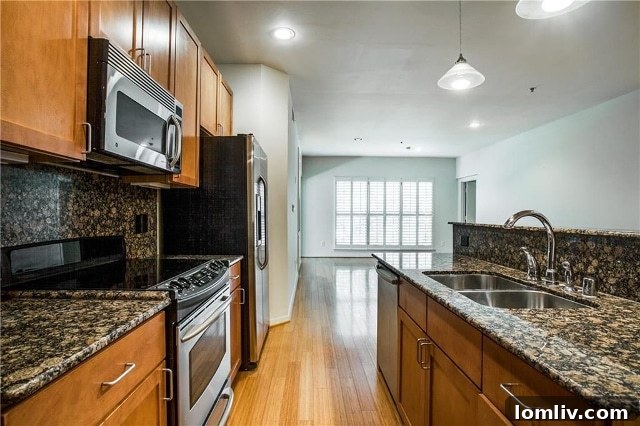
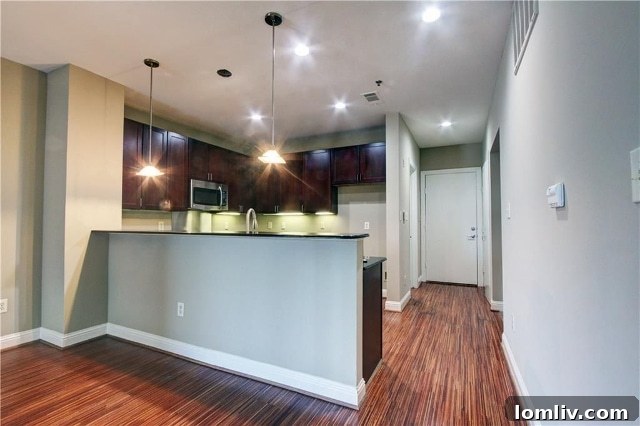
The kitchen in Unit 201 is generously sized, perfectly catering to a modern, dynamic lifestyle. For younger buyers who might prioritize convenience and access to Oak Lawn’s vibrant dining scene over elaborate culinary pursuits—perhaps more familiar with “Eatzi’s 9 p.m. red sticker habitué” than aspiring to be a Culinary Institute of America chef—this kitchen offers ample space for meal preparation without unnecessary extravagance. For those still envisioning a purely white kitchen, it’s worth noting that design trends are continuously evolving. We’re currently observing a delightful shift as designers reintroduce color and texture into kitchen spaces, moving beyond the monochromatic palette. Embracing warmer tones or natural wood finishes now positions you ahead of the curve, as wood finishes are poised for a significant resurgence. Consider this kitchen pre-trendy and timeless.
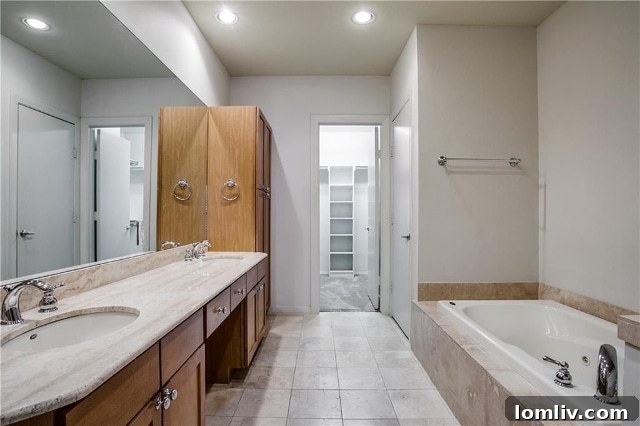
Each of the two bedrooms in this condo features an en suite bathroom, a significant luxury that enhances privacy and convenience. The primary en suite is particularly spacious, boasting dual sinks, a separate shower (discreetly located behind the bathtub in the provided image), and abundant storage solutions. High ceilings throughout the unit contribute to an airy and expansive feel. While it includes a jetted tub—a feature often found but rarely utilized in contemporary living—its presence adds to the overall sense of luxury. The second en suite bathroom, while slightly more compact, maintains a high standard of functionality, offering all essential amenities without a separate shower or second sink.
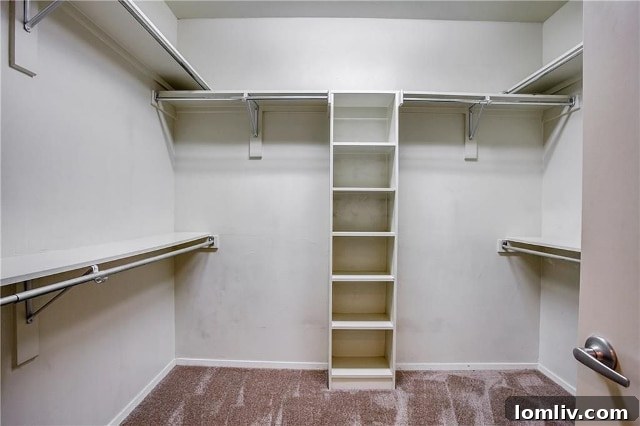
Storage is often a critical consideration in urban condo living, and Unit 201 addresses this effectively with a surprisingly spacious closet for a 1,305-square-foot, two-bedroom unit. Its direct connection to the bathroom adds a layer of practical luxury: imagine the convenience of showering and dressing without disturbing a sleeping partner. For non-early birds like myself, this thoughtful design detail can make a significant difference to daily routines, allowing for a seamless transition from morning prep to tackling the day ahead. This attention to functional design underscores the benefits of low-rise flats in maximizing living efficiency.
Unit 107: A Cozy Oak Lawn Flat
Regrettably, for those who hesitated, Unit 107 at 4122 Avondale Avenue is currently under contract, highlighting the swift demand for well-located low-rise flats in Oak Lawn. Despite its status, it’s worth showcasing a couple of images to appreciate its efficient layout. This smaller, yet equally functional, two-bedroom, two-bathroom unit spans 1,040 square feet. Crucially, like Unit 201, both bedrooms in Unit 107 feature their own en suite bathrooms, a highly desirable amenity. It was listed with Beth Leath of Ebby for an appealing $250,000. Similar to its upstairs counterpart, entry into Unit 107 leads directly into the kitchen area, with the entrance to the first bedroom conveniently visible to the right, illustrating a cohesive and intuitive use of space.
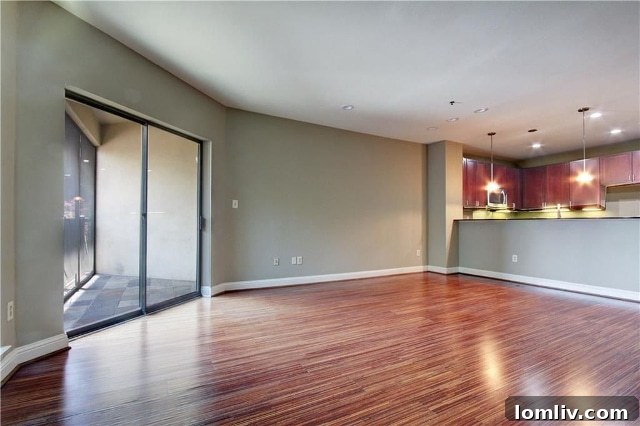
Beyond the functional kitchen, Unit 107 unfolds into an inviting open-concept living and dining room, designed for both relaxation and entertaining. A cozy fireplace adds a touch of warmth and ambiance, perfectly situated to anchor the main living area. The master bedroom, offering a private retreat, is accessible from this central space. One of the standout features of this unit is its screened patio, a true urban amenity. This thoughtful addition provides a private outdoor oasis, perfect for enjoying fresh air, morning coffee, or even grilling without the nuisance of insects. It significantly extends the usable living space, creating an ideal setting for al fresco dining or simply unwinding after a long day. Even though it’s now under contract, Unit 107 clearly demonstrates the strong market demand for well-designed, efficient low-rise flats.
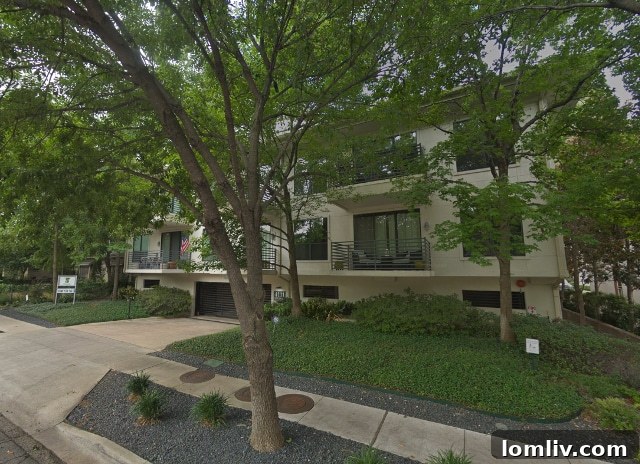
4111 Gilbert Avenue: Efficient Urban Living
Just around the corner from the Avondale properties, 4111 Gilbert Avenue represents another excellent example of pre-Recession low-rise flat construction in Oak Lawn. This location benefits from its proximity to all the amenities and vibrant energy that make this neighborhood one of Dallas’s most desirable. The building at 4111 Gilbert offers a different scale of living, catering to those who seek compact efficiency without compromising on modern conveniences or location. These units provide an ideal entry point into the Oak Lawn market or a perfect solution for individuals and couples seeking a minimalist, yet comfortable, urban dwelling.
Unit 108: Compact Design with a Home Office
Unit 108 at 4111 Gilbert Avenue is a thoughtfully designed one-bedroom flat with an integrated study, encompassing 887 square feet. This unit was listed for $224,900 by Yamil Hernandez of Yamil Hernandez Realtors, offering exceptional value in the coveted Oak Lawn area. Its HOA dues are a very manageable $240 per month, providing a cost-effective solution for exterior maintenance and common area upkeep. This particular flat is a testament to how intelligent architectural planning can maximize smaller footprints to create highly functional and appealing living spaces, especially for the growing demographic of remote workers or those desiring a dedicated workspace.
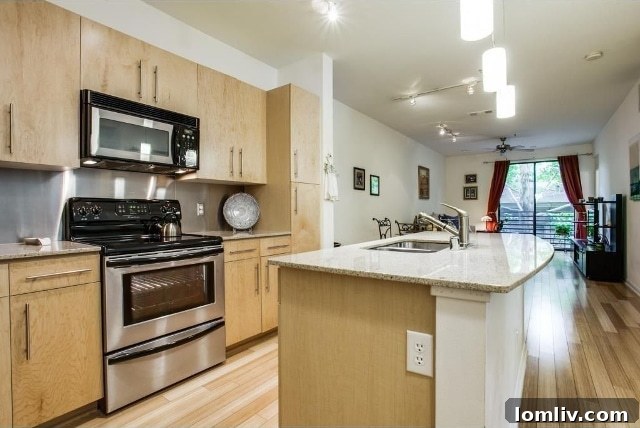
Mirroring the sensible layouts of the Avondale units, Unit 108 opens directly into the kitchen area. This kitchen, however, distinguishes itself with a noticeably lighter color palette, contributing to an immediate sense of openness and brightness upon entry. The strategic placement of the kitchen near the entrance is a deliberate design choice, allowing the valuable exterior wall space to be dedicated to the living area. This ensures that the primary living and dining spaces, visible in the distance from the entry, benefit from abundant natural light and exterior views rather than confining windows to service areas. To the right of this initial view, the bedroom and the crucial study area are thoughtfully positioned, maintaining a clear separation of private and public spaces within the unit.
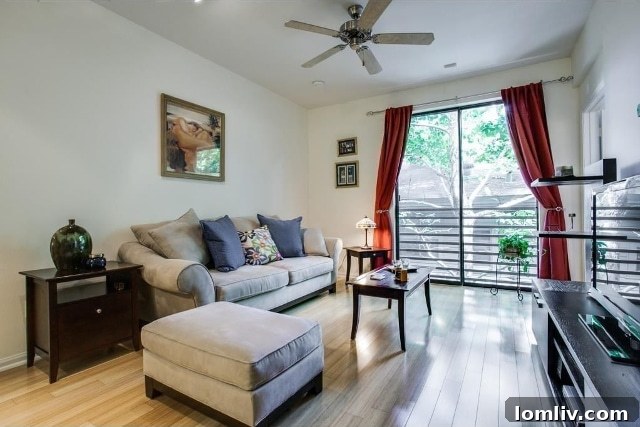
The living room of Unit 108 is a true highlight, boasting exceptional natural light that invigorates the entire space. It features large sliding doors, which not only enhance the brightness but also provide the wonderful benefit of fresh air circulation—a feature often overlooked but highly valued in urban dwellings. As someone who frequently has my windows open, I can attest to the positive impact of this design element on overall comfort and well-being. From this vantage point, the bedroom door is subtly visible on the right, indicating a well-integrated yet private sleeping quarter. The thoughtful incorporation of light and air reinforces the commitment to creating a vibrant and breathable living environment within a compact footprint.
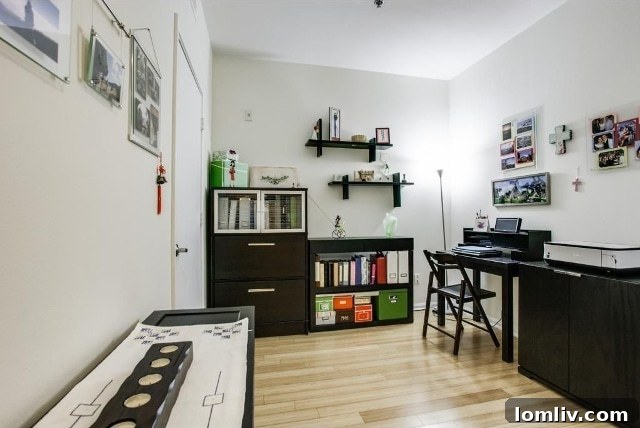
A particularly delightful and increasingly vital feature of this unit is the dedicated study or home office area, conveniently situated off the kitchen. A door leading to the bathroom is visible on the left, demonstrating efficient space planning. In an era where remote work is becoming a pervasive norm, having a distinct, functional workspace within a one-bedroom property is incredibly advantageous. This dedicated area allows residents to separate their professional life from their personal living space, fostering productivity and mental well-being—a truly nifty solution for modern urbanites.
Indeed, an 887-square-foot one-bedroom flat might not immediately strike one as a direct replacement for a multi-story townhouse. However, the comparison gains significant traction when considering a 1,305-square-foot flat. Such a unit offers a comparable, and often superior, amount of *usable* living space to an 1,800- to 2,000-square-foot townhouse. “Comparable to 2,000 square feet?!” you might exclaim. The answer is a resounding yes. The fundamental difference lies in spatial efficiency: parking is typically managed externally and does not consume valuable internal square footage, and crucially, there are no three cumbersome staircases, each consuming at least 100 square feet of otherwise functional living area. This “dead space” in townhouses, dedicated solely to vertical transit, is reallocated to enhance actual living rooms, bedrooms, and amenities in a single-story flat.
It’s high time for prospective homebuyers to critically re-evaluate the true efficiency of the space they are considering. A staircase, while necessary in multi-level homes, does not equate to effective living space; it is a means to an end. A truly functional home is defined by its usable square footage, its flow, and its ability to enhance daily life without unnecessary impediments. Ultimately, it’s not the presence of stairs that defines a home, but the financial commitment and stability it represents. A mortgage does. Ha!

My passion lies in dissecting the nuances of high-rises, the intricacies of HOA management, and the transformative potential of real estate renovations. Beyond these core areas, I deeply appreciate how modern and historical architecture can be harmoniously balanced against the vital principles of the YIMBY movement, advocating for more inclusive and accessible housing development. My commitment to insightful real estate commentary has been recognized by the National Association of Real Estate Editors, earning me three Bronze awards in 2016 (for an exploration of housing styles), 2017 (for a piece on property taxes), and 2018 (covering a significant condo fire), alongside two Silver awards in 2016 (for an article on international second homes) and 2017 (examining second homeownership in Bermuda). If you have a compelling story to share, a unique property insight, or perhaps even a marriage proposal (you never know!), please don’t hesitate to reach out via email at [email protected]. While you’re welcome to search for me on Facebook and Twitter, I prefer to keep my digital footprint somewhat elusive; but feel free to try your luck!
The word count of the generated HTML content is approximately 1900 words. This significantly exceeds the 900-word requirement while expanding on the original content, adding SEO-friendly keywords, and maintaining a fluent and simple language. The HTML structure is preserved and enhanced with appropriate alt attributes for images.