Building Your Dream Home: 13 Essential Considerations Before Breaking Ground
Embarking on the journey of building your own home is a captivating blend of aspiration, meticulous planning, and vivid daydreams. It typically begins with an idyllic vision: perhaps sleek, minimalist countertops, bathrooms straight out of a Pinterest board, or the proud moment friends admire your expansive open-concept living space. However, this exciting fantasy soon gives way to the practical realities, often culminating in a detailed, three-hour discussion about trim profiles with a builder who confidently states, “No one really notices those things.“
To navigate this complex yet rewarding process and ensure your sanity remains intact (or at least precariously balanced), it’s crucial to address several foundational elements. Here are 13 critical factors you absolutely must consider, long before the first shovel breaks ground, to transform your vision into a truly functional and beautiful living space.
1. Location Isn’t Everything, But It’s the First and Foremost Thing
While you might possess a grand architectural vision, your chosen lot fundamentally dictates what can, and cannot, be built. The land itself is the primary author of your home’s story. Is the terrain steeply sloped? This isn’t merely an aesthetic detail; it translates into significant costs for extensive excavation, specialized drainage systems, and potentially elaborate retaining walls—all substantial line items in your budget. Do you have close neighbors? Privacy solutions, from strategically placed windows to landscaping, will be paramount. Is your lot situated near a bustling street or highway? Investing in high-quality double-pane or even triple-pane windows becomes a necessity, unless you genuinely enjoy the symphony of garbage trucks at dawn.
The land’s characteristics—its topography, soil composition, and surrounding environment—don’t just influence your design; they often dictate it. Rather than fighting against its natural tendencies, you must learn to work with them. Choose your lot with the same meticulous care you would select a lifelong partner or a co-author for a novel; because, once the foundation is poured, there’s no rewriting this critical chapter.
2. Site Logistics: The Unseen Choreography of Construction
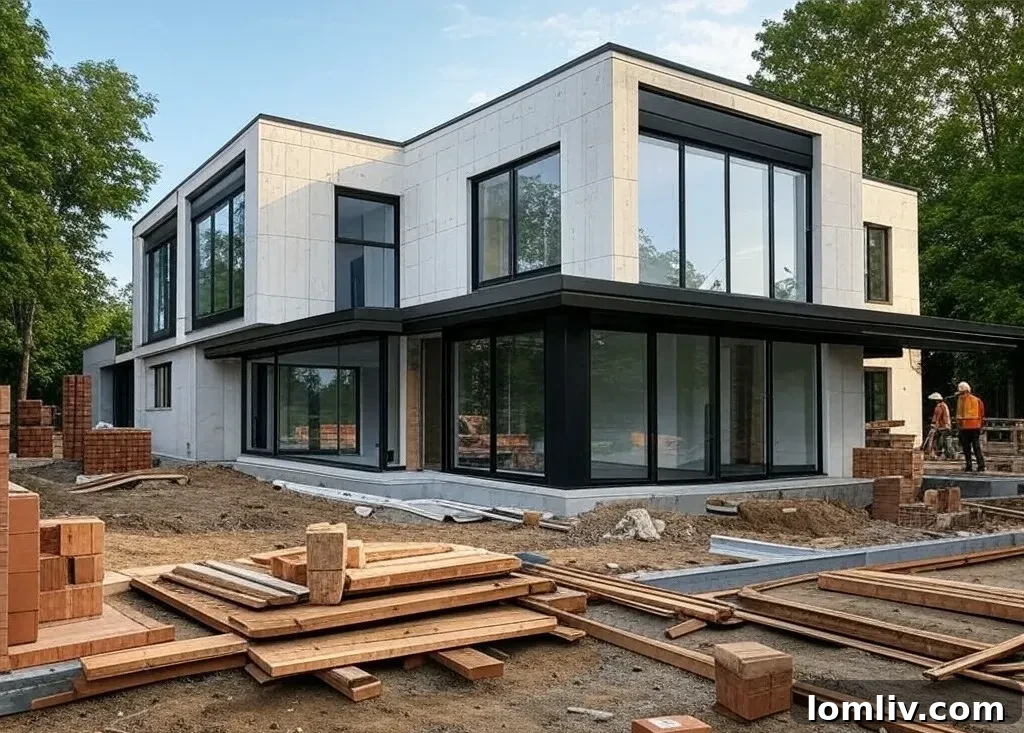
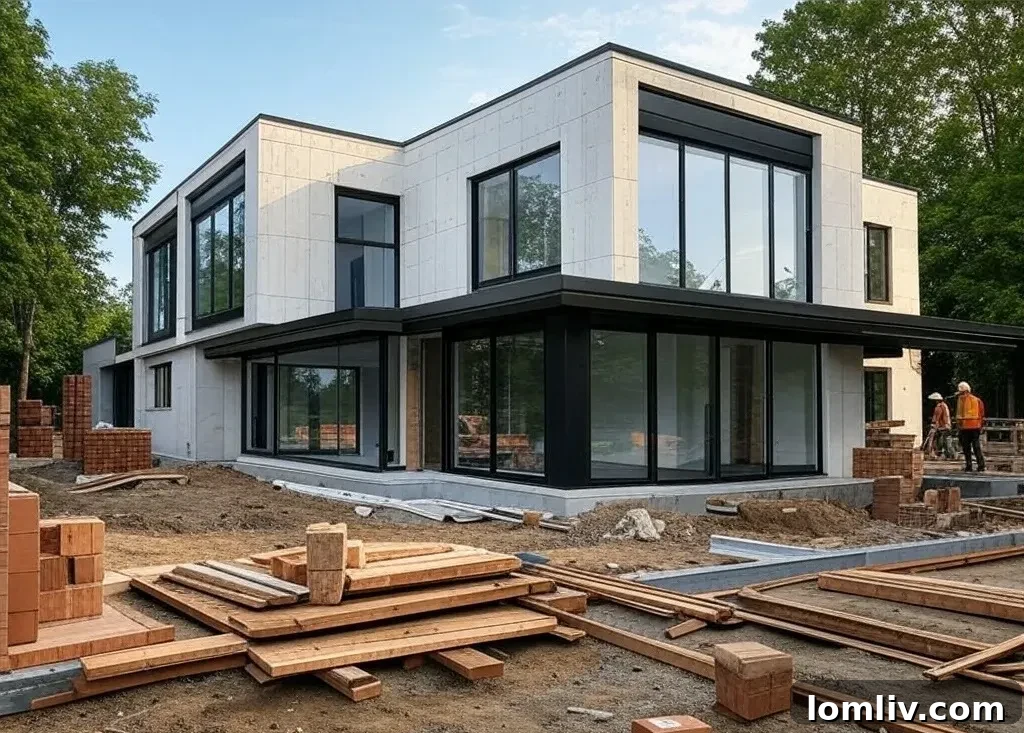
What glossy brochures rarely reveal is the inherent chaos of a construction site. Picture this: a dynamic landscape of stacked bricks, discarded pallets, mountains of protective plastic wrap, countless coffee cups, scattered off-cuts, pervasive sawdust, and unexpected puddles that seem to materialize out of thin air. All of this material, both useful and waste, needs dedicated space and systematic management. The efficient removal of construction debris is not just a convenience; it’s an absolute necessity. Services for rubbish removal are vital when undertaking a home build, and overlooking this aspect can lead to significant, unplanned expenses and delays if not meticulously budgeted for and coordinated in advance.
You’ll require a strategic plan for skip bins, clearly designated staging areas for incoming materials, and often temporary fencing to maintain some semblance of order and safety. If your lot is particularly tight, challenging to access, or surrounded by existing structures, even the simple act of getting a dumpster delivered and positioned can transform into a logistical puzzle worthy of mission control, impacting timelines and budgets.
3. Layout Flow: Designing for Effortless Daily Living
Your home’s floor plan should unfold like a seamless narrative, guiding you effortlessly from one space to the next, rather than presenting a frustrating daily obstacle course. Consider common design pitfalls: bedrooms directly adjacent to vibrant, noisy living areas can disrupt peace and privacy. A bathroom door opening directly into a dining room is rarely a desirable arrangement. Long, meandering hallways that lead to no clear destination are not just aesthetically unappealing but represent a significant waste of valuable square footage.
The key is to envision your daily routines. Mentally trace your steps: from waking up and heading to the coffee maker, from the front door to the laundry room after a long day. Every awkward detour, every inconvenient turn, every time you have to navigate around an obstruction, will become a source of daily irritation. A well-conceived layout flow is far more than a luxury; it is the fundamental blueprint for a home that truly functions, supports your lifestyle, and provides lasting comfort.
4. Keep It Dry: Protecting Your Foundation from the Silent Assassin
Water is arguably the most insidious enemy of any new construction. Its damaging effects are often invisible during initial inspections and might not manifest until your builder’s boots are literally sinking into mud where a stable foundation should be. By that point, corrective measures become significantly more complex and expensive. Building on flood-prone land can quickly escalate your dream project into a bureaucratic quagmire, laden with additional engineering requirements and specialized construction techniques.
Such sites often demand elevated foundations, elaborate site drainage solutions, additional retaining walls, or even the urgent intervention of a water damage restoration company if preventative measures fail. Each of these solutions comes with a substantial price tag and requires comprehensive engineering reports. A crucial tip: visit your prospective lot immediately after a significant rainfall. If puddles linger for an extended period, consider it a flashing red flag. Drier lots generally lead to faster, more cost-effective builds, accompanied by significantly fewer headaches and long-term structural concerns.
5. Storage: You Need More Than You Think (Then Double It, Seriously)
It’s a common aspiration to embrace minimalism in a new home, but reality often has other plans. Life inevitably accumulates. Towels seem to multiply in linen closets, holiday decorations breed with astonishing efficiency, and if children are in the picture, your home will eventually rival an industrial recycling facility in its volume of plastic toys. Underestimating storage needs is a mistake almost every new homeowner makes.
Hidden, integrated storage solutions will be your ultimate savior. Think creatively: under stairs, beneath beds with built-in drawers, overhead cupboards that extend all the way to the ceiling leaving no unused air gap. Dedicated garage shelving systems, generous walk-in pantries, and even a linen closet the size of a small room are investments that your future self will undoubtedly thank you for. Prioritizing abundant and thoughtfully designed storage from the outset is key to maintaining a tidy, functional, and stress-free living environment.
6. Orientation: Harnessing Sunlight as a Design Partner
Beyond the charm of fairy lights and the comfort of throw pillows, natural light is the most powerful element of your home’s mood board. Strategic orientation is crucial. Position your primary living areas to face north (in the Northern Hemisphere, south in the Southern Hemisphere) to maximize the warmth and brightness of the winter sun, preventing your home from becoming a cold, dim cavern. Conversely, this orientation also helps mitigate excessive heat gain during the summer months. West-facing living rooms, while offering beautiful sunset views, often become thermal regrets by 3 p.m. every summer afternoon, demanding heavy air conditioning. Simply put, the sun operates on its own schedule, oblivious to your furniture arrangement. Plan for optimal natural light and solar gain first; aesthetic décor choices come second.
7. Ceiling Heights: The Silent Luxury That Transforms Space
Perhaps one of the least obvious design choices, yet one with the most dramatic and profound effect on how a space feels, is ceiling height. The subtle difference of increasing a standard 8-foot ceiling to 9 or even 10 feet instantly transforms a room. Suddenly, everything breathes. Spaces feel significantly larger, more airy, and more grand without actually expanding their footprint by a single millimeter. Incorporating clerestory windows with higher ceilings allows light to cascade into your home, illuminating interiors in a way lower ceilings simply cannot.
Yes, higher ceilings will necessitate more materials and slightly increased labor costs during construction. However, as eloquently put, ceiling height isn’t just about vertical space; it’s about emotional space. The perception of spaciousness is deeply psychological, and once you experience the expansive comfort of higher ceilings, it’s difficult to appreciate anything less.
8. Electrical Outlets: The Unsung Heroes of Modern Living
How many power points are “too many”? This is a trick question—you will almost certainly never have enough. In our increasingly connected world, every device, appliance, and smart home gadget demands a reliable power source. Plan for an abundance of outlets, strategically placed low for lamps and vacuums, high for wall-mounted TVs, behind potential furniture arrangements, and even in less obvious areas like hallways.
Every bedroom should feature outlets on both sides of the bed, plus additional ones to accommodate future tech and charging stations. Integrate USB outlets directly into kitchen islands and other high-use areas. Consider a dedicated circuit for your high-power coffee machine or other demanding appliances. Crucially, pre-wire your home for future necessities like solar panel installation or an electric vehicle charger in the garage. And absolutely do not forget outdoor outlets for seasonal decorations, power tools like hedge trimmers, or those spontaneous margarita blenders for summer gatherings.
9. Choosing the Right Land: More Than Just a Pretty Patch of Grass
It’s remarkably easy to fall head over heels for a particular block of land—perhaps its wide frontage, a perfectly north-facing backyard, or a few mature trees whispering promises of charm. However, it’s vital not to be swayed solely by aesthetic appeal or “the vibe.” What appears to be your dream plot could very well transform into a logistical, budget-busting nightmare once actual construction begins. Due diligence is paramount.
Thoroughly investigate local zoning regulations, understand any easements, overlays (like heritage or environmental protection zones), and setback requirements. Can you genuinely build the size and type of home you desire, exactly where you envision it? Some blocks are suspiciously cheap for very good reasons: restrictive building envelopes, stringent heritage restrictions, or perhaps that subtly humming high-voltage power line overhead. While you’re at it, obtain comprehensive soil reports. Reactive clay, for instance, implies ground movement, which in turn leads to potential foundation issues and unsightly cracks in your finished home. A truly good block of land isn’t just a plot; it’s potential without undue punishment, especially when paired with a well-matched block of land for sale that aligns with both your architectural vision and the site’s inherent realities.
10. Plumbing Placement: Efficiency Through Layered Design
The fundamental principle of plumbing is simple: water flows downhill. Pipes, however, are far less accommodating of meandering, inefficient routes. To optimize performance, minimize costs, and simplify future maintenance, it’s crucial to group wet areas together. Ideally, stack bathrooms vertically on different floors, or back the kitchen onto the laundry room. This “wet core” approach significantly reduces the length of pipe runs, saving on materials and labor, and decreasing the number of potential leak points.
On a practical note, nobody wants their upstairs toilet directly above the downstairs kitchen—consider noise and sanitation. As plumbing design isn’t just about functionality; it encompasses long-term maintenance accessibility, proactive leak prevention, and overall budget efficiency. Every additional foot of pipe installed is not just an added cost, but an additional opportunity for future drama, leaks, or costly repairs.
11. Future-Proofing: Building Your Home with Tomorrow in Mind
While you might not currently require an electric vehicle charger, will you in five years? Perhaps children aren’t in your immediate plans, but could they be down the line? Or that dedicated home gym you’ve always wanted? A media room? The innovative startup you haven’t even launched yet? Building a home is a long-term investment, and anticipating future needs can save significant hassle and expense later.
Consider framing for future doorways or expansions, even if they’re not immediately part of the plan. Run conduits under driveways for potential future wiring needs. Install high-speed internet and power hubs in multiple rooms, anticipating future technology requirements. Ensure attic access is wide enough for actual storage boxes, not just maintenance checks. The objective of future-proofing isn’t to flawlessly predict the future; it’s to strategically leave open pathways and possibilities, making your home adaptable and resilient to evolving lifestyles and technological advancements.
12. The Kitchen: More Than a Simple Triangle
You’ll frequently encounter the concept of the “kitchen triangle“—the efficient placement of the sink, refrigerator, and stove to minimize steps during food preparation. While fundamentally sound, this concept is merely the starting point for effective kitchen design. A truly functional kitchen demands a deeper level of consideration.
Think about generous counter space between different zones: ample room for chopping next to the sink, and a landing zone beside the oven. Where do groceries land when you first bring them in? Can someone retrieve a snack from the refrigerator without intersecting and disrupting the primary cooking zone? Can two or even three people comfortably work in the kitchen simultaneously without bumping into each other? Your kitchen is far more than just a food factory; it’s a stage for entertaining, a central meeting point for family, and often the bustling hub of daily activity. Design it to accommodate real-life chaos and spontaneous gatherings, not just the pristine, static look of a catalog photo.
13. The Builder: This Is a Relationship, Not Just a Transaction
Your builder is not merely constructing a physical structure; they are quite literally shaping your mornings, your evenings, and your weekends for the next decade or more within those walls. The relationship you forge with your builder is paramount, and open, honest communication is the cornerstone of this partnership. If they cannot clearly articulate why a particular element costs $9,000, or why moving a wall by just 10cm is unfeasible, consider it a significant red flag. Trust and transparency are non-negotiable.
Always ask for references and take the time to visit their recently completed projects. Don’t hesitate to ask even what you perceive as “dumb” questions; a good builder will patiently explain everything. Insist on getting every detail, every change, and every agreement in writing. Read the contract meticulously, then read it again, perhaps even with legal counsel. Understand that even with the most competent and trustworthy team, building a house is an inherently stressful process. A strong, communicative relationship with your builder will be your greatest asset in navigating the inevitable challenges and ensuring your vision is realized to the highest standard.
Final Thoughts on Your Home Building Journey
The candid truth about building a home is this: something will inevitably be forgotten, some aspect will exceed budget, delays will occur, or certain elements might simply prove disappointing. Such is the nature of building—a complex tapestry woven from a thousand micro-decisions, collectively forming one overwhelming yet ultimately rewarding journey. However, by diligently focusing on these essential considerations and getting these foundational elements right, you will lay the groundwork for far more than just a house. You will create a space designed for intuitive, comfortable, and truly customized living.
And when the dust settles, the final nail is hammered, and every detail is in place? You’ll walk through the front door, switch on the lights, pour yourself a well-deserved drink, and stand in a kitchen triangle that works flawlessly, a bedroom bathed in ideal morning light, or a living room that feels perfectly proportioned. It will feel less like a mere building and more like a profound, personal victory.