Just like individuals, homes possess an enduring essence, absorbing the triumphs, tragedies, and everyday moments that unfold within their walls. A century-old residence may serve as the vibrant backdrop for a joyous bridal shower or a somber funeral reception, witnessing the first cries of new life or the final whispers of departure, the gleeful return from war or the dreaded knock at the door that changes everything. Yet, these structures can also bear silent witness to the most harrowing events, becoming indelible markers in the landscape of human experience. This profound connection between place and memory forms the core of our enduring fascination with homes that carry a dark past.
While the subject might strike some as unsettling or even morbid, there’s an undeniable, almost primal curiosity surrounding what are often pejoratively labeled “murder homes” or “stigmatized properties.” These dwellings, etched with the darkest chapters of history, often stand as silent monuments to notorious crime scenes. From nationally recognized sites, like the Boulder home linked to the JonBenét Ramsey case, to unassuming residences where owners might remain blissfully unaware of a past atrocity, the spectrum is vast. Our interest isnudes not from a desire to glorify violence, but rather from a deep-seated human impulse to understand the complexities of behavior, explore the mysteries of the past, and confront the chilling reality of events that defy easy explanation. These sites become powerful conduits, allowing us to reflect on the nature of good and evil, the fragility of life, and the enduring impact of trauma on both people and places.
In a metropolitan mosaic as rich and diverse as Dallas, where every neighborhood holds its own unique narrative, these homes offer vivid snapshots of bygone eras. They invite us to delve into history, peeling back layers of time to imagine the secrets that might still echo through their silent halls. These aren’t merely buildings; they are historical artifacts, each telling a compelling, often unsettling, story that contributes to the unique tapestry of Dallas’s past. From the quiet suburbs to the bustling city center, these locations transcend their physical structures to become integral parts of the local folklore, drawing in those intrigued by true crime and the paranormal alike.
daltxrealestate.com invites you on a captivating journey into the heart of Dallas’s true crime history. We’ve compiled a definitive list of the most popular and historically significant “murder homes,” sites of profound historical hauntings, and all-around eerie locations that continue to stir the imagination across the Dallas-Fort Worth metroplex. Prepare to delve into a rabbit hole of chilling narratives, each shedding light on a darker facet of North Texas history and the intriguing intersection of tragedy and real estate. Strap in, history buffs and true crime aficionados alike – this exploration promises to be both enlightening and profoundly unsettling.
1. McKinney Model Home: Where Realtor Sarah Walker Was Murdered, Sparking Industry-Wide Safety Reforms
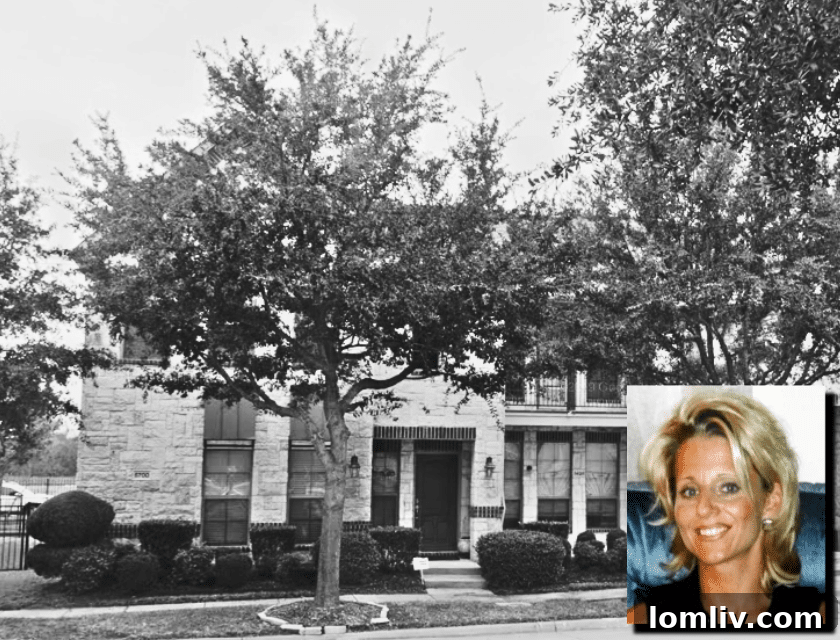
While the details of this violent crime might not immediately resonate with the general public, it remains a stark and unforgettable tragedy within the real estate community. On July 8, 2006, a brand new model home in McKinney’s burgeoning Hemmingway at Craig Ranch development became the grim setting for a front-page news story. “There was a pretty brutal crime scene in the bottom part of the model home,” McKinney Police Captain Randy Roland reported to a shocked public, underscoring the severity of the incident that day.
Tragically, this senseless act of violence led to the murder of Realtor Sarah Ann Walker. Her death, however, became a pivotal moment, ultimately spurring significant and positive changes in safety protocols for real estate professionals nationwide. The incident cast a harsh spotlight on the inherent vulnerabilities faced by individual real estate agents, particularly when working alone in model homes or at open houses in new, often remote, residential developments that are easily accessible to the public. The perceived safety of these new, welcoming spaces was shattered, forcing an industry-wide reevaluation.
Kosoul Chanthakoummane, the perpetrator, entered the Craig Ranch model home, brutally attacked Sarah Ann Walker, robbed her, and ultimately took her life. This horrific event was one of four real estate agent fatalities in 2006 that collectively catalyzed a concentrated awareness campaign by the National Association of Realtors (NAR). In response, organizations like the non-profit Collin County Area Realtors (CCAR) began offering weekly safety presentations and training sessions, particularly during September’s Realtor Safety Month, often featuring Plano Police crime prevention officers. Joanna Fernandez, CCAR’s Chief Operating Officer, recounted to the National Association of Realtors Magazine how Walker’s devastating story is frequently cited during new member orientations to powerfully emphasize the critical importance of safety precautions for Realtors during open houses and showings, thereby mitigating their exposure to such grave risks. The memory of Sarah Ann Walker continues to serve as a poignant reminder and a catalyst for ongoing vigilance within the real estate profession, ensuring that her legacy includes a lasting commitment to agent safety.
2. 410 Dogwood Drive in Wylie: The Infamous Scene of the Candy Montgomery-Betty Gore Murder
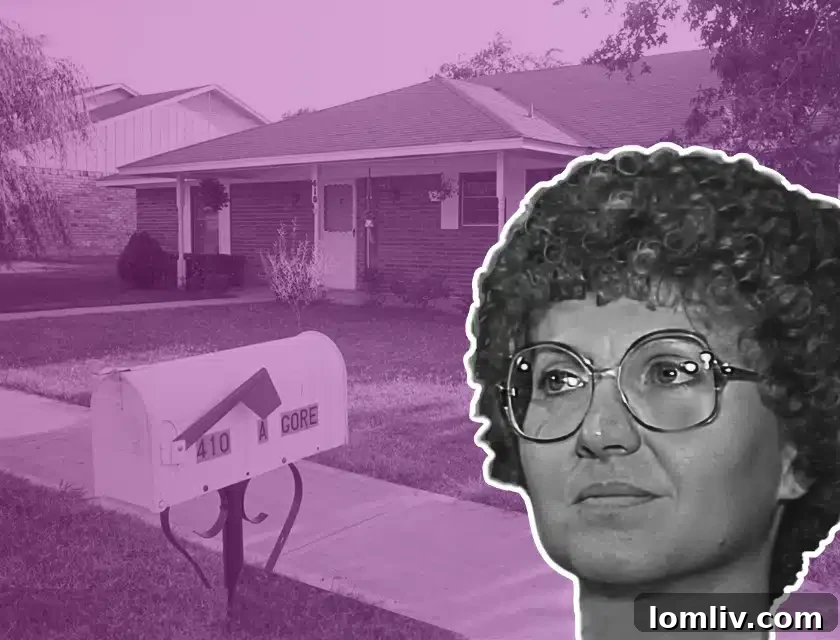
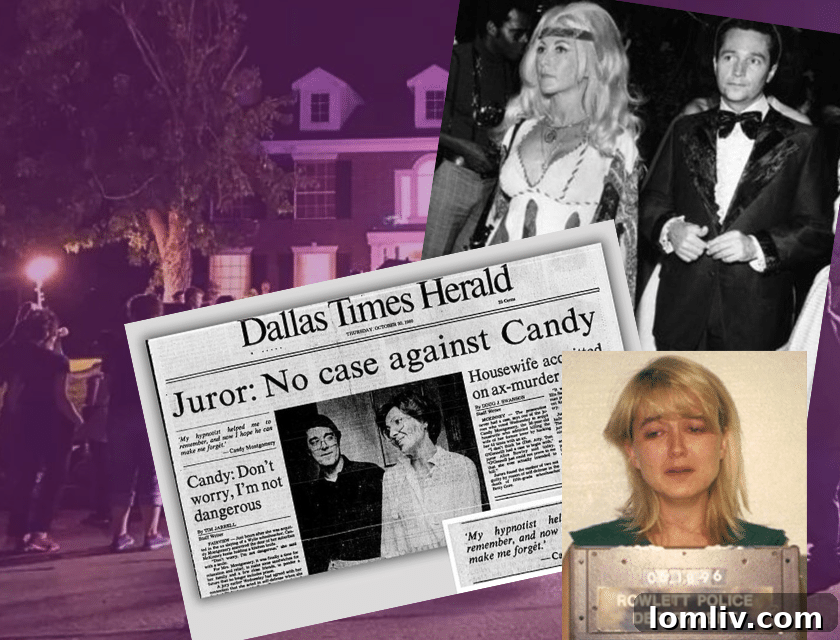
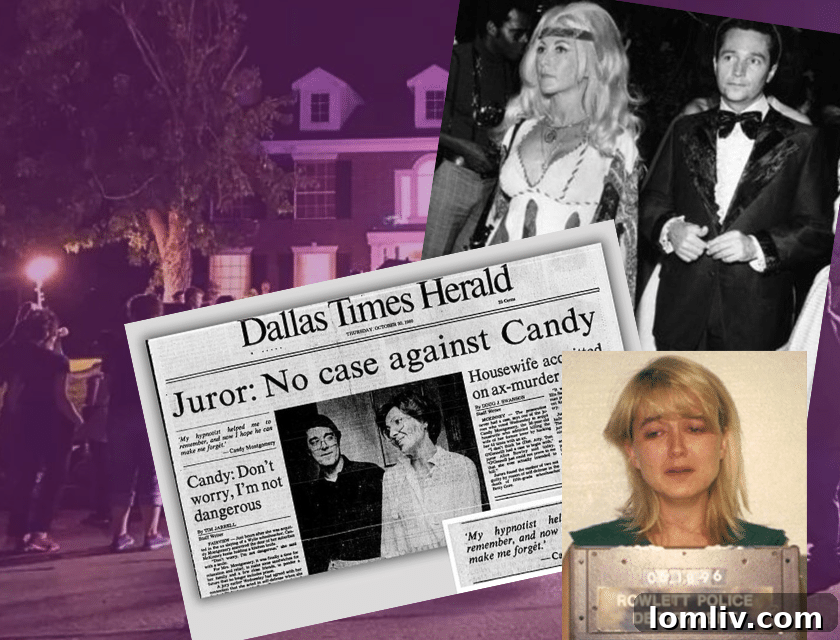
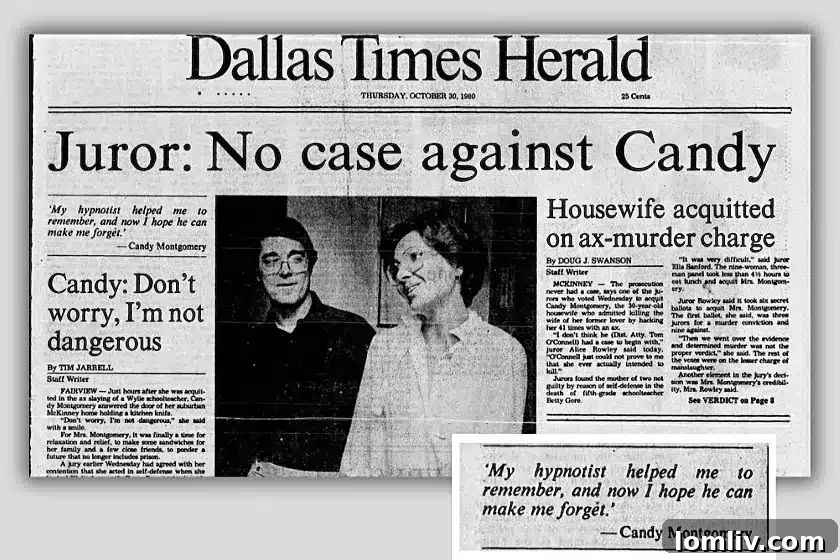
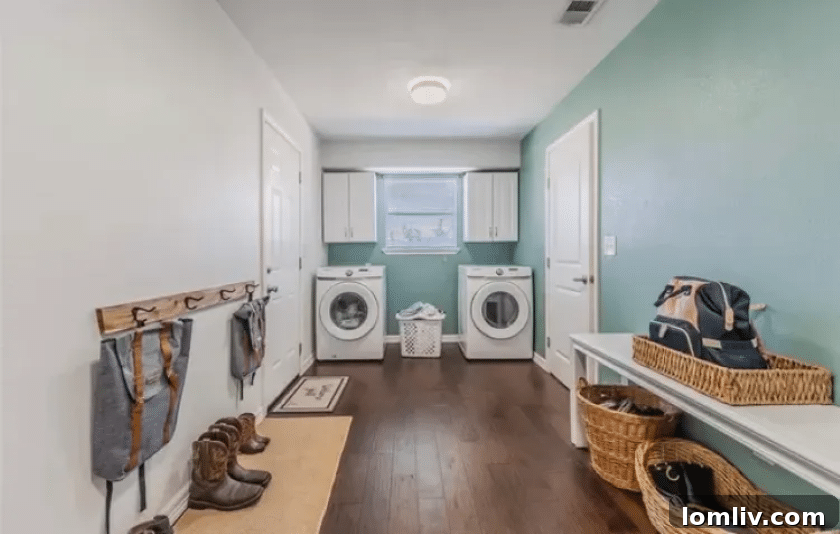
Nestled amidst the outwardly serene streets of Wylie, a dark and indelible secret lies behind the unassuming brick walls of 410 Dogwood Drive. It was here, on the fateful day of June 13, 1980, that the otherwise quiet suburban calm was shattered by an act of horrific violence. Candy Montgomery brutally killed her friend Betty Gore with an axe in the utility room of Gore’s own home, an event that would forever brand this address into the annals of American true crime. This gruesome incident sent immediate shockwaves throughout the close-knit Wylwood Estates community, transforming a peaceful neighborhood into the epicenter of a chilling mystery and leaving a lasting, somber mark on its history.
For a tense period, residents lived in fear, believing a dangerous axe murderer was loose in their small town—a place where unlocked doors were once the norm, symbolizing a sense of security now violently shattered. Soon, however, North Texans learned the shocking truth: Montgomery herself was the confessed killer. What followed was a sensational trial that captivated the nation, culminating in a verdict that stunned many: Candy Montgomery was famously found not guilty, claiming self-defense. This outcome fueled widespread debate and continued to haunt the collective memory of the community.
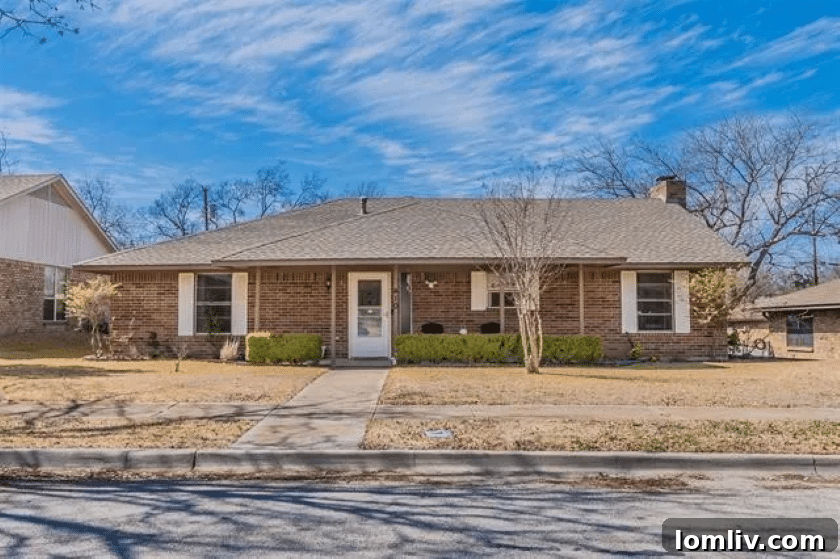
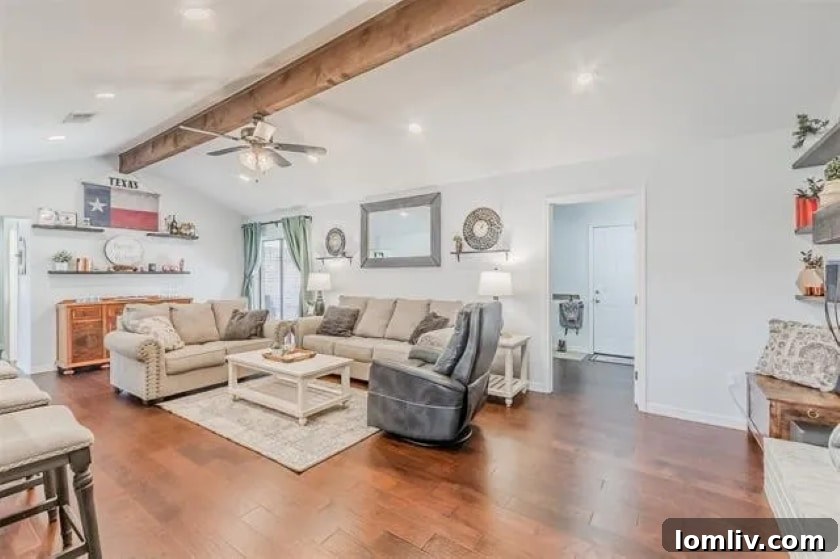
Remarkably, four decades later, this stigmatized property has demonstrated surprising resilience in the real estate market. When the home was discreetly placed on the market in August 2020, the local housing market was ravenous for move-in ready residences, a description that perfectly fit 410 Dogwood. The 1974-built home sold with astonishing speed—in just two days—commanding its full $260,000 asking price. Importantly, unlike some other properties with dark pasts, the death was explicitly reported in the listing’s private remarks for Realtors, ensuring full disclosure and ethical practice. Yet, the home’s brush with notoriety was far from over. In an unexpected turn, the property would soon be famously portrayed in Hulu’s critically acclaimed Candy series just a few months later, reigniting public interest.
The home’s journey continued in March 2022 when, following extensive and thoughtful renovations, it reappeared on the market for $344,900. The once-somber dwelling had been transformed, becoming nearly unrecognizable with bright, contemporary updates and a modern, transitional decor. These efforts paid off handsomely; the house sold within a mere four days, closing at $5,000 above its asking price. This remarkable turnaround underscores the power of strategic renovations and a robust market to overcome the stigma of a property’s dark history, allowing it to find new life and value.

3. 721 S. Central Expressway: The Como Motel and Candy Montgomery’s Infamous Affair
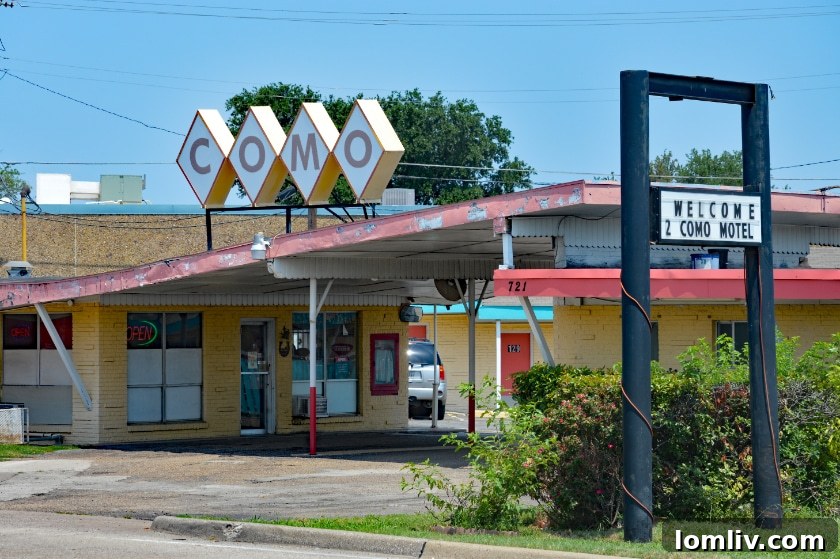
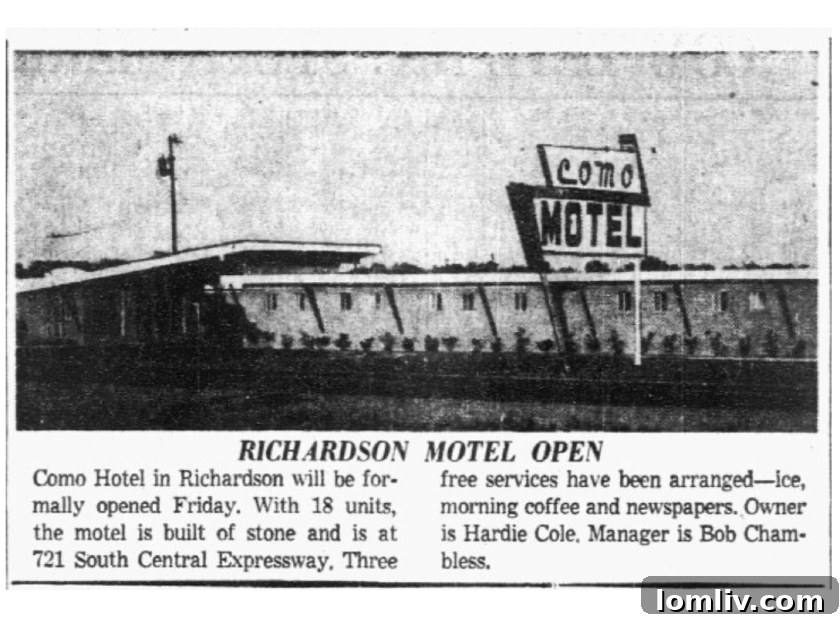
The unassuming Como Motel in Richardson, Texas, built in 1956, has unexpectedly transformed into a destination for a different kind of traveler: devout followers of the Candy Montgomery true crime saga. This humble “no-tell motel” earned its place in infamy as the clandestine site where Candy Montgomery and Allan Gore conducted their extramarital affair, a relationship that ultimately led to the tragic death of Betty Gore. The captivating and complex narrative of their affair and its shocking aftermath has been vividly retold in two major television series: HBO Max’s Love & Death and Hulu’s Candy, cementing the Como Motel’s symbolic significance in pop culture true crime lore.
The inclusion of the Como Motel in this roundup of “murder homes” is almost entirely symbolic, representing a different kind of transgression. While a murder may not have occurred within its specific rooms (at least none that have been widely reported in Dallas Morning News archives), the question remains: did a “crime” truly take place here? Certainly, countless illicit rendezvous unfolded within its walls. But with regard to Montgomery’s notorious affair, those afternoons when she furtively slid money through the check-in window for a room to meet another woman’s husband raise interesting legal and moral questions. Individual states hold the jurisdiction to enact and enforce adultery laws, potentially criminalizing extramarital affairs. Interestingly, in Texas, adultery has never been criminalized, making such acts a moral, rather than legal, transgression. This contrasts sharply with states like Oklahoma, where adultery remains a felony offense to this day. Thus, the Como Motel stands not as a monument to a violent crime, but as a silent witness to a moral drama that irrevocably altered lives and continues to fascinate audiences, highlighting the nuanced distinctions between ethical boundaries and legal statutes within the context of true crime narratives.
4. 5801 Eagle Dr. in Rowlett: The Darlie Routier Case and a Home’s Haunting Legacy
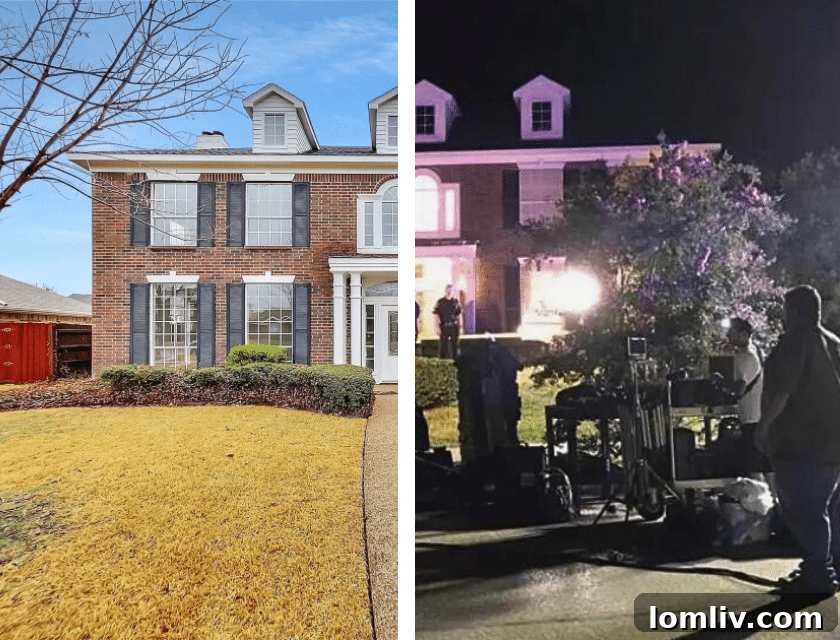
Tucked away in the quiet suburban landscape of Rowlett, 5801 Eagle Drive gained notoriety as the infamous location of a chilling and profoundly tragic crime against children. In the late hours of June 6, 1996, the stillness was broken by a frantic 911 call from Darlie Routier, a mother of three. She reported a terrifying home invasion and the brutal stabbing of her two young sons, Devon and Damon. Routier herself also sustained stab wounds from a knife that originated from her own kitchen, adding another layer of complexity to an already horrifying scene.
The subsequent investigation was meticulous and intense, ultimately leading to Darlie Routier’s arrest and highly publicized conviction for the murder of Damon. She was sentenced to death by lethal injection and remains one of the few women on death row in Texas, maintaining her claims of innocence to this day. Her case has captivated true crime enthusiasts and legal scholars for decades, sparking ongoing debates about forensic evidence, witness testimony, and the justice system.
When the Rowlett home later re-entered the real estate market in December 2022, daltxrealestate.com uncovered a fascinating detail that connected the present to its haunting past: Darlie’s custom burgundy and gold draperies, a lavish $12,000 splurge from a period of newfound, albeit fleeting, wealth, were still hanging in the home. These luxurious items, along with others, were purchased during a time when Darlie and her husband, Darin, were enjoying significant financial prosperity. However, their newfound affluence quickly spiraled into overextension, culminating in substantial debt including $10,000 in back federal taxes, $12,000 in credit card debt, and payments for two mortgages on the Eagle Drive property, totaling approximately $200,000 by 2006. This financial strain often played a significant, albeit controversial, role in the narrative surrounding the crime.
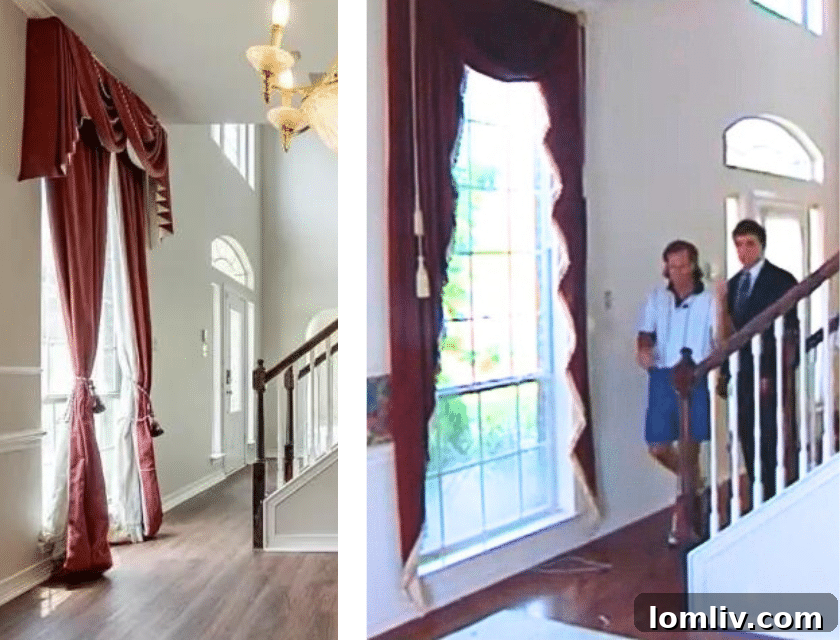
When the 2,740-square-foot residence first returned to the market in August 2022 with an asking price of $410,000, it had seen relatively few updates since the tragic murders. While the immediate crime scene areas—such as the family room carpet, kitchen sink, and portions of the kitchen floor—had been removed and replaced, several recognizable features remained. These included the distinctive green marble floors, a green marble fireplace, and the aforementioned opulent drapes, all serving as subtle, yet potent, reminders of its past. The property’s listing price experienced monthly reductions, dropping to $390,000, until it was eventually pulled off the market in December 2022 for significant updates.
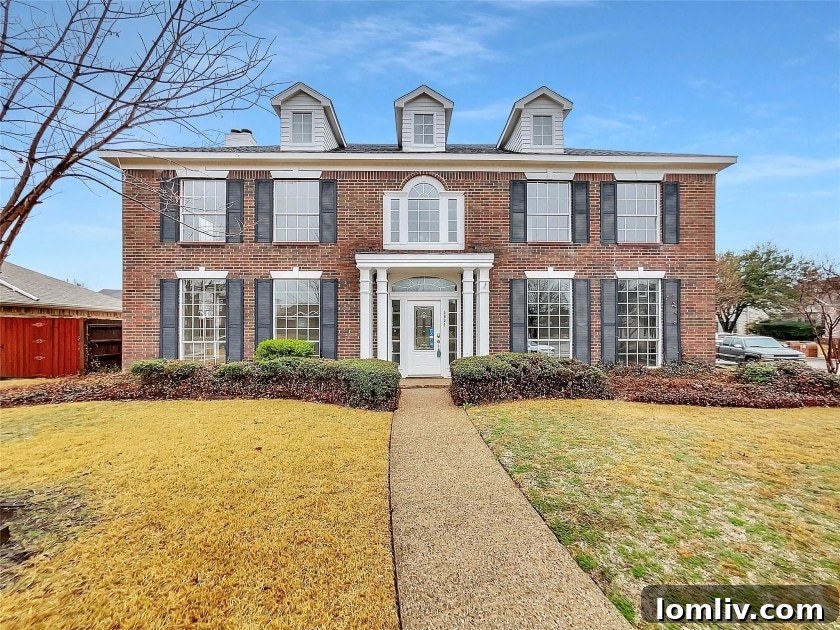
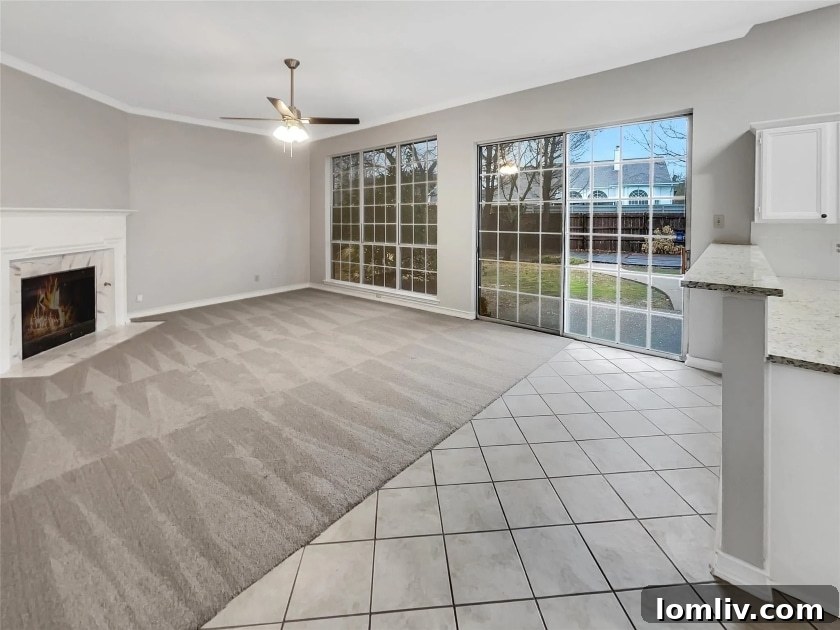
After a comprehensive renovation, the home was skillfully neutralized, with the heavy, dated curtains and prominent green marble removed in favor of more modern, neutral finishes. Rerelisted for $419,000, these strategic efforts undeniably paid off. The once-stigmatized murder home sold in less than a month, demonstrating that even properties with the darkest histories can find new life and appeal with the right approach to renovation and marketing in a resilient real estate market. The quick sale illustrates the powerful impact of modernization in overcoming historical stigma, allowing the property to shed its past and appeal to a new generation of homeowners seeking contemporary comfort.
5. 4100 Stonegate Blvd. in Fort Worth (Demolished): Site of the Unsolved Stonegate Murders and Cullen Davis Saga
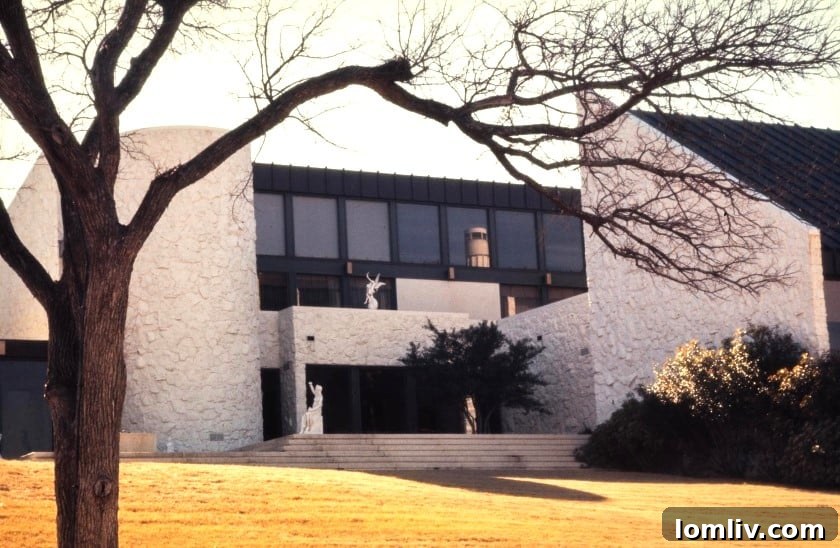
If the name Stonegate Mansion doesn’t immediately ring a bell, it’s entirely understandable; the opulent structure no longer exists, having been replaced by modern developments. However, mention the Cullen Davis Mansion, and for many, a chilling recognition clicks into place. This address was once the site of Fort Worth’s most high-profile and enduringly unsolved murder case, a scandal that rocked Texas society. The unique aspect of this crime? The only suspect charged with murder was T. Cullen Davis, a powerful Texas millionaire, who was famously found not guilty, leaving a lingering shadow of injustice and unanswered questions.
T. Cullen Davis, a dashing 38-year-old oilman from a prominent old money family, commissioned the renowned architect Albert S. Komatsu to design and build this extravagant 19,000-square-foot mansion. Completed in 1971 at a staggering cost of $6 million (a colossal sum for the era), this estate at 4100 Stonegate Blvd. quickly became the epicenter of Fort Worth’s elite social scene. Throughout the early 1970s, it hosted some of the most decadent and talked-about society parties, a symbol of extreme wealth and influence, with Davis and his glamorous wife, Priscilla, at the helm of its lavish affairs.
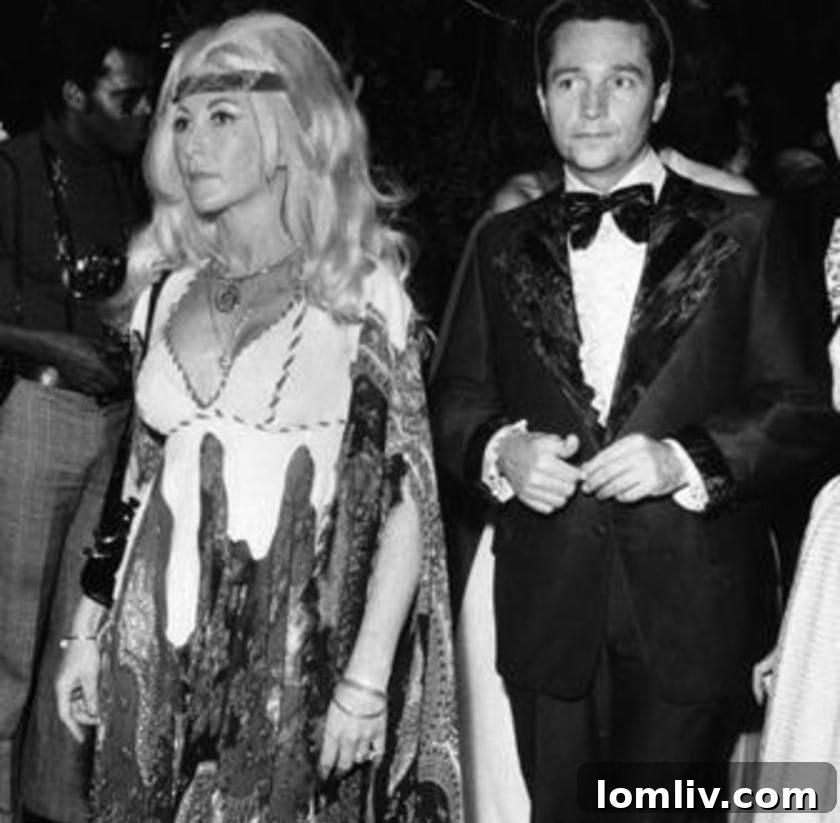
However, the “it” couple’s marriage soon unraveled, leading to tumultuous times. Amidst a pending divorce, Cullen Davis moved out, leaving Priscilla and her 12-year-old daughter, Andrea Wilborn (one of Priscilla’s three children from previous marriages), to reside in the mansion. The lavish lifestyle and societal prestige concealed a turbulent private life that would soon erupt into unimaginable tragedy. On the night of August 2, 1976, Stonegate Mansion transformed from a symbol of luxury into a brutal crime scene. Priscilla, 35, returned home with her boyfriend, Stan Farr, 30, around midnight after what one unsubstantiated source described as a “divorce celebration dinner.” Upon entering, they immediately noticed that the elaborate security system had been disarmed. Priscilla was soon confronted by a man dressed in black clothes and a black mask, wielding a gun. According to her testimony, the assailant chillingly said “Hi” before shooting her once in the chest. He then turned his weapon on Farr, an imposing 6-foot-3 man, and shot him four times, killing him. It was later discovered that the masked gunman had shot Andrea sometime earlier, while she was alone in the house, leaving a trail of devastating violence. This shocking event galvanized the community and captured national attention.
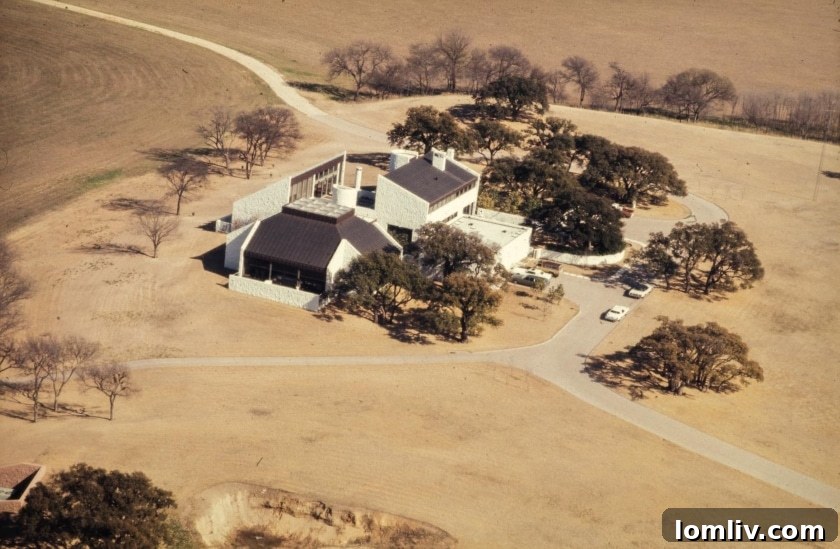
The subsequent criminal case against Cullen Davis became a national sensation, largely due to his immense wealth and influence. During the sensational trial, the jury was presented with purported audiotapes of Davis allegedly attempting to recruit a hired gunman for the shooting, adding a layer of chilling premeditation to the narrative. Despite this compelling evidence, in what many observers argued was a stark demonstration of how immense wealth can influence the scales of justice, Davis was acquitted not once, but twice. The Stonegate murders remained officially unsolved, leaving a permanent stain on Fort Worth’s history and fueling endless speculation. The mansion itself, once a beacon of luxury and status, became a haunting and ominous backdrop in the city’s true crime lore.
By the 1980s, the mansion’s grandeur had faded. Davis eventually sold the property and subsequently filed for bankruptcy, signaling the end of an era. A full four decades after the murders, the magnificent estate met its final fate: it was demolished, reduced to a pile of rubble to make way for the construction of luxury condominiums. Thus, the Stonegate Mansion, once a symbol of opulence and later a specter of Fort Worth’s most high-profile unsolved murders, vanished from the landscape, leaving behind only its indelible, tragic story. Real estate professional Heather Guild delves deeper into the captivating and unsettling Stonegate Mansion murders in Episode 9 of her podcast, Crime Estate, offering further insights into this enduring mystery.
6. Dealey Plaza: The Assassination of President John F. Kennedy – A Nation’s Grief and a City’s Stigma
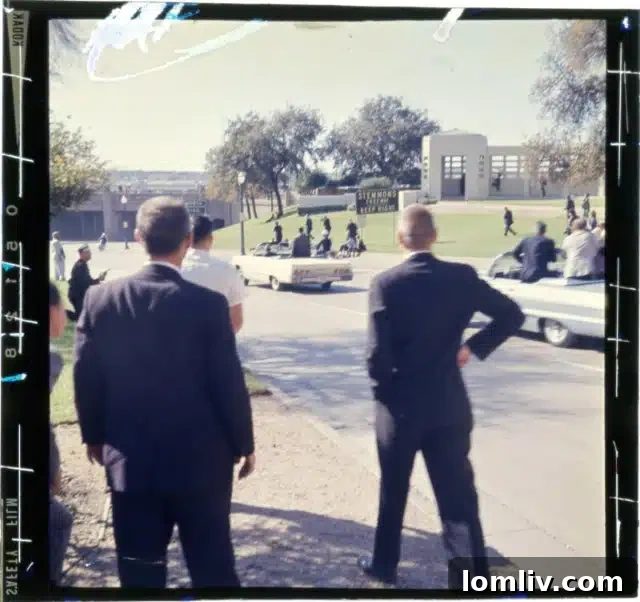
There are few events in American history that have left such an indelible scar on the collective consciousness as the assassination of President John F. Kennedy. For Dallas, November 22, 1963, became a dark date, forever etched into its identity, often summarized by the chilling accusation: “Dallas Killed Kennedy.” Dealey Plaza, a seemingly ordinary public park, transformed into the notorious scene of this crime, where the visiting President was tragically shot and killed as thousands watched in horror and disbelief. This moment instantly became a global event, captivating and traumatizing millions across the world, and profoundly altering the course of the 20th century.
Among the countless witnesses to this catastrophic event was the late Pierce Allman, a noted historian and co-founder of the prestigious Allie Beth Allman and Associates Real Estate. On that fateful day, Allman was reporting live for WFAA-TV, finding himself inadvertently caught in the unfolding tragedy. In a chilling twist of fate, the young reporter unknowingly offered a polite “Thank you” to the man who would soon be identified as the assassin of the President of the United States. Allman stood merely 10 feet away from the Presidential Motorcade as it made its fateful turn from Houston Street onto Elm Street, making him a reluctant, yet crucial, eyewitness to history.
“There were three loud reverberating explosions,” Allman recounted, describing the immediate moments after the shots rang out. He quickly realized he was no longer just a reporter covering a parade, but an active participant in an unfolding crime scene. His urgent need was to contact his television station to report the devastating news. “I went up the stairs of the depository building and there was a guy in the doorway,” Allman recalled. “I ran up to him and asked him where the phone was. He motioned, ‘In there.’” It wasn’t until Secret Service agents later visited him to corroborate Lee Harvey Oswald’s testimony about leaving the School Book Depository that Allman fully comprehended the profound significance of his brief, innocuous encounter. He had, in fact, spoken directly to the man who had just changed America forever.
Today, Dealey Plaza stands as a solemn historical landmark, a place of pilgrimage for those seeking to understand and remember the tragedy. Two distinct “X” marks painted on Elm Street denote the approximate locations where the bullets from Lee Harvey Oswald’s rifle struck, ultimately claiming the life of the 35th president. The former Texas School Book Depository building now houses the Sixth Floor Museum at Dealey Plaza, a poignant testament to President Kennedy’s life, presidency, and the enduring legacy of that dark day. This site, though not a “home” in the traditional sense, represents one of the most significant and heartbreaking crime scenes in modern history, shaping Dallas’s identity and reminding the nation of its profound impact. The assassination continues to spark debate and conspiracy theories, ensuring Dealey Plaza remains a site of perpetual historical and emotional resonance.