The journey to finding your dream home is exhilarating. You’ve likely spent countless hours browsing listings, attending open houses, and envisioning your future. When you finally discover a property that seems to tick all the boxes – from its idyllic location to its perfect layout – it’s easy to get swept away by emotion. That initial spark, often described as “love at first sight,” can make you feel as if destiny itself is guiding you to this particular abode. However, in the thrilling rush of the home-buying process, it’s crucial to temper excitement with pragmatism. Rushing into a sale without thorough due diligence can quickly transform your initial joy into profound regret once hidden problems inevitably surface.
While the emotional connection to a potential home is powerful and natural, sound logic and meticulous inspection must take precedence. This is one of the most significant financial investments you’ll ever make, and it deserves careful scrutiny. Learning how to identify potential “red flags” – those subtle or overt signs of deeper issues – before they become costly nightmares is paramount. These warning signs, often missed by eager buyers, can compromise the safety, value, and long-term enjoyment of your new home. Read on to uncover the critical signs that demand your unwavering attention during the home inspection process, empowering you to make an informed and confident decision.
1. Structural Integrity: The Foundation of Your Future Home
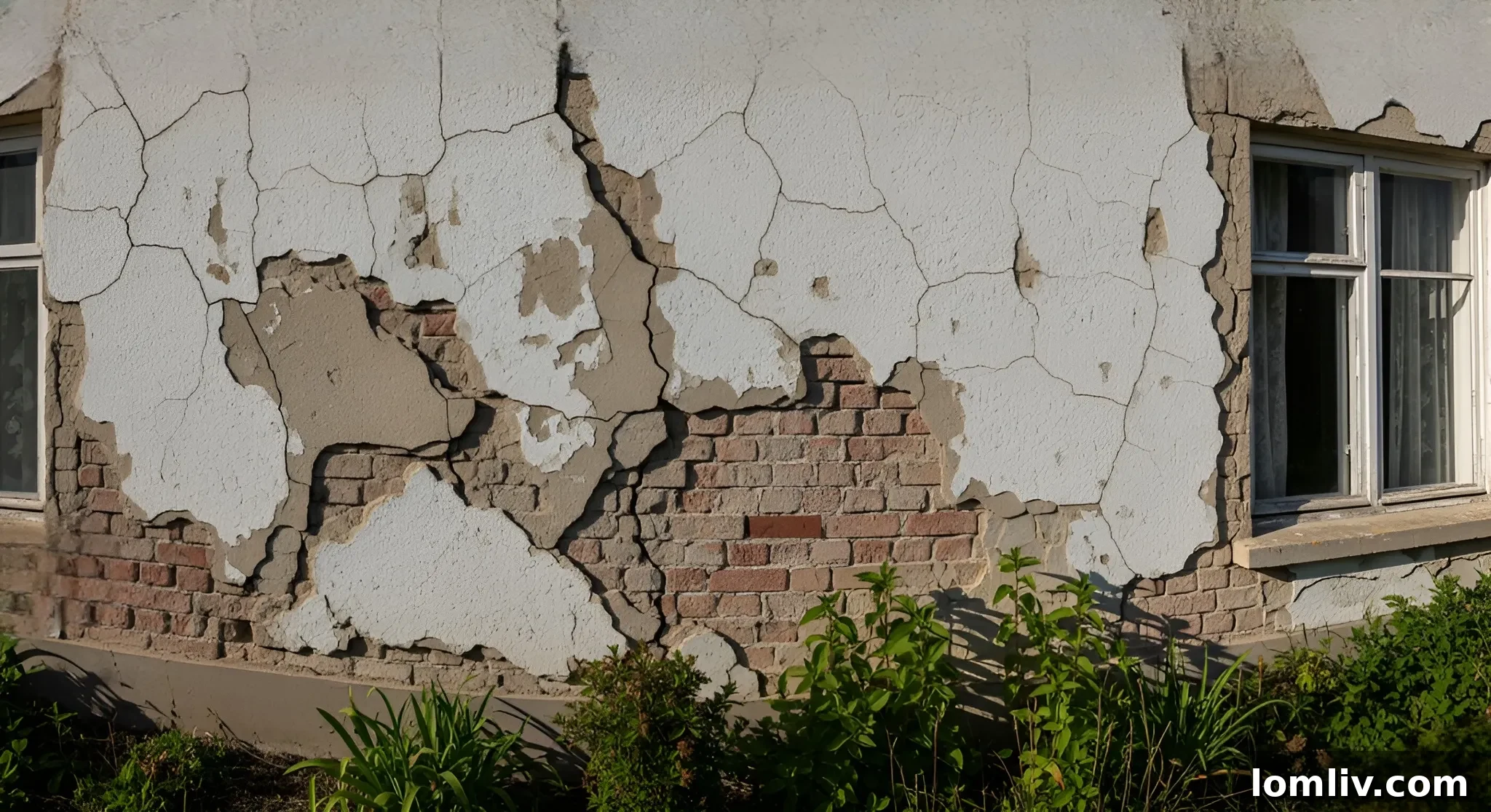
A strong foundation is more than just a part of the house; it’s the very bedrock of its stability, safety, and longevity. Ignoring signs of structural distress is akin to building a castle on sand. Among the most serious red flags are visible cracks in walls, particularly those that are horizontal, jagged, or wider than a quarter-inch. These aren’t just cosmetic blemishes; they can be critical indicators of underlying structural damage that previous homeowners may have neglected, or worse, attempted to conceal. In newly constructed homes, such cracks could point to shoddy workmanship or unstable ground, leading to premature structural deterioration even before the first resident has settled in.
Beyond wall cracks, uneven floors are another undeniable sign of potential structural issues. This can manifest as noticeable slopes, bouncy sections, or doors that don’t close properly because their frames are out of alignment. Common culprits behind uneven floors include structural settling over time, excessive moisture infiltration, shifting soil beneath the foundation, substandard construction practices, or simply significant wear and tear. It’s essential to investigate the materials used in the subfloor and joists, as these can often reveal whether substandard components or water damage are to blame for the instability.
Furthermore, the roof – often out of immediate sight and therefore out of mind – demands meticulous inspection. Many buyers, intimidated by its height or simply overlooking its importance, fail to scrutinize the roof properly. This is a critical error. A seemingly minor issue, like a few missing shingles or a small leak, can rapidly escalate into widespread damage when exposed to external factors such as severe storms, high winds, or heavy snowfall. A compromised roof can lead to water intrusion, mold growth, damaged insulation, and even structural wood rot, making it one of the most expensive repairs a homeowner might face.
What To Do:
When structural red flags emerge, the immediate and most crucial step is to hire a licensed structural engineer for a comprehensive professional assessment. These experts possess the specialized knowledge to distinguish between superficial cosmetic problems and issues that genuinely compromise the overall structural integrity of the house. Their detailed report will provide an accurate picture of the damage’s severity, its root causes, and the necessary corrective actions. If significant repairs are identified, request proof of permits for any previous foundation or structural work, ensuring it was performed to code. Crucially, demand that the seller address and properly fix all identified structural deficiencies, with verifiable professional work, before moving forward with the closing of the sale. Alternatively, negotiate a significant price reduction or a seller credit to cover the documented repair costs, allowing you to manage the fixes post-purchase with your chosen contractors.
2. Lingering Foul Odors: Uncovering Hidden Threats
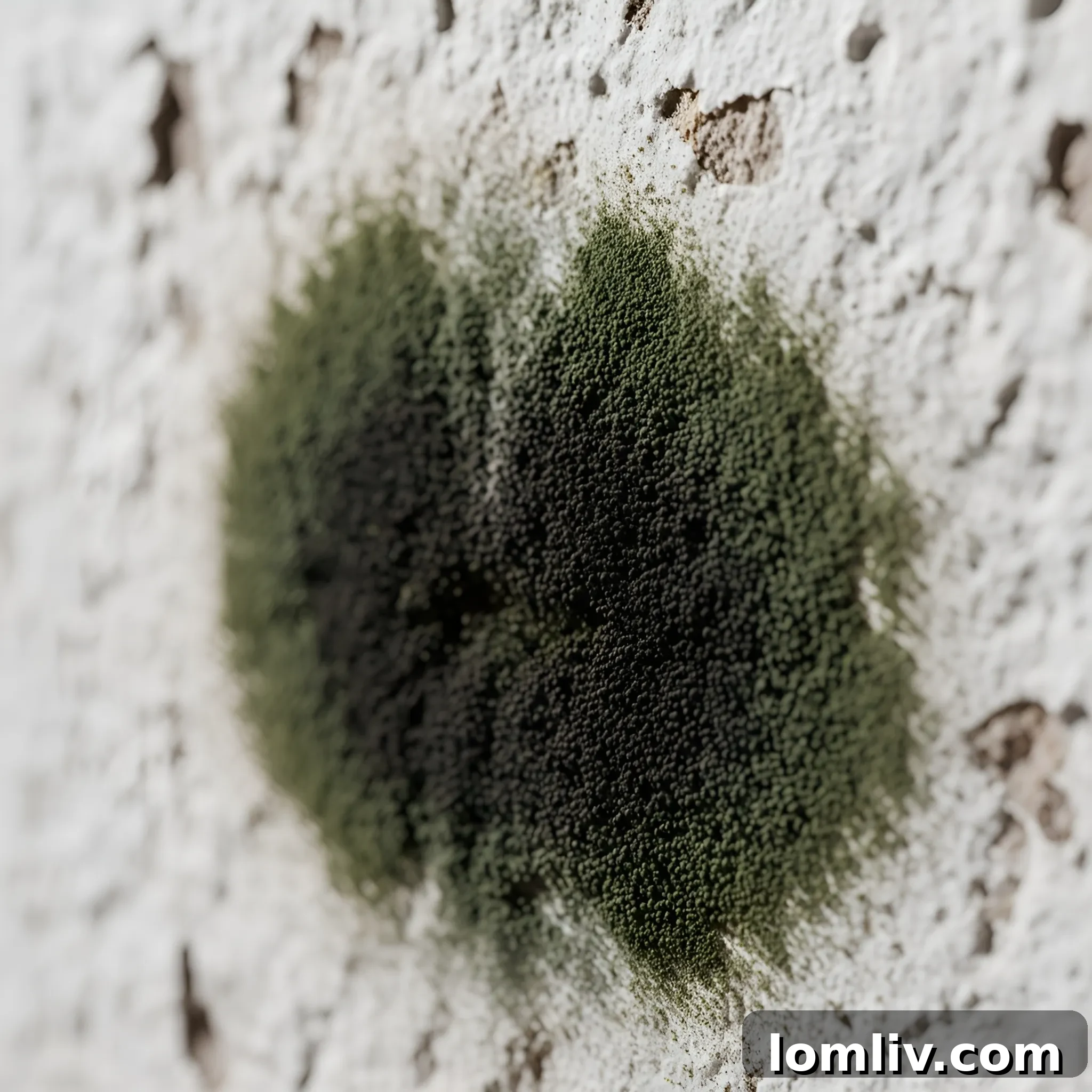
An unusual or persistent foul odor is one of the most obvious, yet often overlooked, indicators of a lurking problem within a home. Your nose can be an invaluable diagnostic tool during a showing. A distinctive musty or earthy smell is highly indicative of mold and mildew growth, which immediately signals underlying humidity control issues or water intrusion. Molds release spores that can contain potent allergens, irritants, and even toxic compounds, posing significant risks to your health. Chronic exposure can lead to respiratory problems, allergies, skin irritation, and other adverse health effects. Beyond health concerns, unaddressed mold rapidly accelerates property damage, compromising materials like drywall, wood, and insulation, and severely affecting the overall quality of life within the home.
However, mold isn’t the only source of unpleasant smells. A strange odor could also originate from areas of the house that were poorly constructed or have sustained damage. A persistent smell of sewage, for instance, is a clear and urgent sign of a plumbing problem – potentially a cracked sewer line, a dry P-trap, or an overflowing septic system. Sewage gas can contain methane, a highly flammable and potentially explosive gas, as well as hydrogen sulfide, which is toxic even at low concentrations. Similarly, the acrid smell of burning plastic or rubber components points directly to burnt electrical wiring or overloaded circuits, representing a serious and immediate fire hazard that cannot be ignored. Even a sweet, sickly smell can indicate the presence of decaying animal carcasses from a pest infestation.
What To Do:
If you detect any unusual or persistent odors, especially a musty smell, demand a professional mold inspection before proceeding with the purchase. A certified inspector can identify hidden mold, assess its extent, and determine the root cause of the moisture problem. If mold is confirmed, insist that the seller follow a certified mold remediation protocol, performed by qualified professionals, to guarantee safe and complete removal. Request post-remediation air quality tests for your peace of mind, ensuring the air is free of elevated mold spore counts. For other suspect odors, work with your home inspector to trace the root cause, whether it’s a plumbing leak, an electrical fault, or a pest issue. Be transparent with the seller about these findings and negotiate for immediate repairs or appropriate concessions, ensuring you won’t suffer the consequences of their unaddressed problems.
3. Outdated Electrical Systems: Hidden Dangers Lurking Within Walls

A thorough electrical inspection is absolutely non-negotiable before closing on any home, particularly older properties. Unlike structural issues or water stains, electrical wiring is largely hidden behind walls, making its condition almost impossible to assess with a mere glance. Furthermore, most prospective buyers lack the technical expertise to determine whether a home’s wiring complies with current safety regulations or if it poses a hazard. What might appear perfectly functional on the surface could be harboring serious fire risks and electrical dangers within its walls.
These electrical problems are significantly more prevalent in older homes. For instance, properties built before the 1950s might still utilize knob-and-tube wiring, an antiquated system that lacks a crucial grounding wire, making it highly susceptible to degradation, fire, and shock hazards. Homes from the 1960s and 70s might feature aluminum wiring, which is known for oxidizing at connection points, leading to loose connections, overheating, and a heightened risk of fire. These older wiring methods are simply not designed to handle the electrical demands of modern appliances and electronics, leading to potential overloads.
Be vigilant for common red flags indicative of electrical issues: lights that frequently flicker or dim, outlets or switch plates that feel warm to the touch, circuit breakers that trip often, buzzing sounds from outlets or the electrical panel, and the aforementioned burnt odor. These symptoms often signal an electrical system struggling to handle the current load, faulty wiring, or components that are simply past their safe operational lifespan. An outdated electrical panel, such as a fuse box instead of a modern circuit breaker panel, or one with insufficient amperage (e.g., 60-amp service), is another significant warning sign that the entire system may need a costly overhaul.
What To Do:
Checking and rectifying electrical systems is a task exclusively for certified and licensed electricians. Hire an experienced professional to conduct a thorough inspection of the entire electrical infrastructure, including the main service panel, sub-panels, wiring throughout the house (where accessible), outlets, switches, and fixtures. If the electrician determines the existing system is unsafe or severely outdated – for example, if it’s knob-and-tube or aluminum wiring throughout – a full rewiring is often recommended for safety and compliance. This is a substantial expense, and if the seller is unwilling to undertake it, walking away from the deal might be your safest option. If only minor upgrades are needed, such as replacing a few ungrounded outlets, upgrading certain fixtures, or installing GFCI/AFCI breakers, you can negotiate for a seller credit to cover these costs, allowing you to manage the upgrades on your timeline.
4. Water Stains on Ceilings and Walls: A Clear Call for Concern
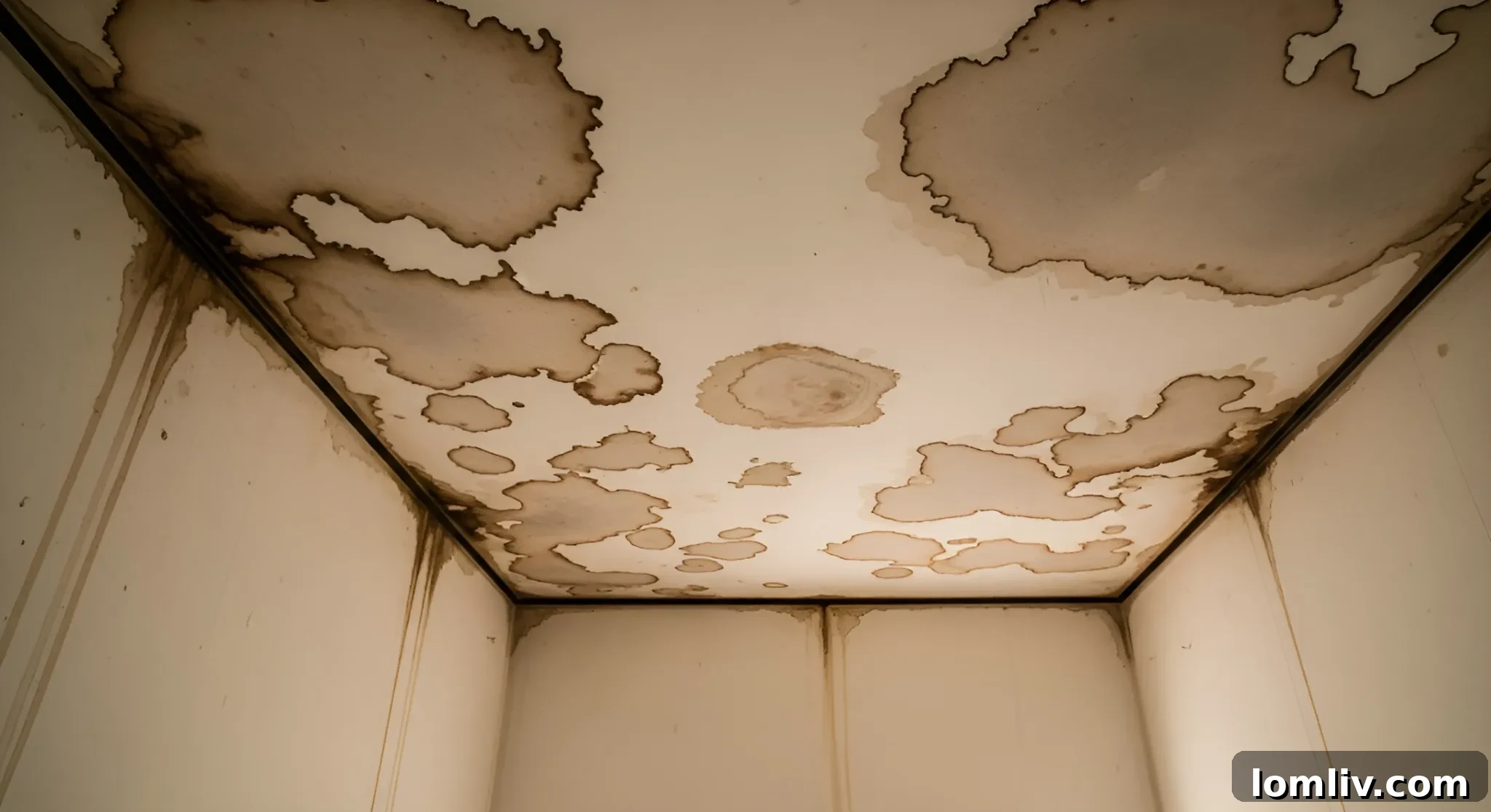
Water spots or discoloration on ceilings and walls are far more than just unsightly blemishes; they are undeniable indicators of ongoing or past water damage within the home. Even if these stains appear dry, it does not mean the underlying issue has resolved itself or can be safely ignored. These marks are symptoms of a larger problem, one that can rapidly worsen over time if left unaddressed, leading to structural damage, mold growth, and compromised indoor air quality. Understanding the potential culprits behind these stains is crucial:
- Roof Damage: A leaking roof is one of the most common sources of ceiling stains, particularly after heavy rains. Missing, cracked, or curled shingles, damaged flashing around chimneys or vents, deteriorated seals, or even clogged gutters that cause water to back up and seep under the roofline can all lead to water intrusion. Sagging sections of the roof or visible moss/algae growth can also indicate water retention and potential leaks.
- Malfunctioning HVAC Systems: Your heating, ventilation, and air conditioning system can be a surprising source of water damage. A cracked AC drip pan, clogged condensate drain lines causing overflow, or bursting air ducts (especially those running through attics) due to condensation or inadequate insulation can lead to significant water leakage into ceilings and walls. Incorrect installation or poor maintenance are often underlying issues.
- Pipe Leaks and Plumbing Issues: Leaks from hidden plumbing pipes, especially those located in walls or above ceilings, are notorious for causing discreet water damage. An upstairs bathroom with an outdated, corroded, or damaged water supply line or drain pipe can silently leak for months. Leaks can also originate from fixtures like toilets, showers, bathtubs, or even water heaters, leading to noticeable staining below.
- Humidity and Condensation: Poor ventilation, particularly in moisture-prone areas like bathrooms, kitchens, and basements, can lead to excessive humidity. When moist air comes into contact with cooler surfaces, it condenses into liquid water. This constant dampness can result in water stains, peeling paint, and the ideal environment for mold and mildew growth. Uninsulated pipes in basements or attics can also lead to condensation drips.
- Foundation and Groundwater Issues: While often affecting lower levels, severe foundation cracks or poor exterior drainage can allow groundwater to seep into basements or crawl spaces, causing dampness and stains on lower walls and floors.
What To Do:
Resist the temptation to simply paint over water stains as a quick fix. This approach only masks the problem, and the stain will almost certainly reappear once the underlying issue persists. The primary objective must be to accurately identify the main source of the leak or moisture intrusion. This often requires a professional home inspector, and sometimes even a specialized plumber or roofer, to trace the path of the water. Once the source is pinpointed, the problem must be definitively fixed. This could involve replacing broken pipes, repairing a damaged roof, sealing cracks in the foundation, improving ventilation, or clearing clogged HVAC drain lines. Addressing the root cause ensures not only the aesthetic repair of the stains but also prevents further structural degradation, mold growth, and preserves the long-term value and safety of your home.
5. A Neighborhood That’s Too Quiet: More Than Just Peace and Serenity
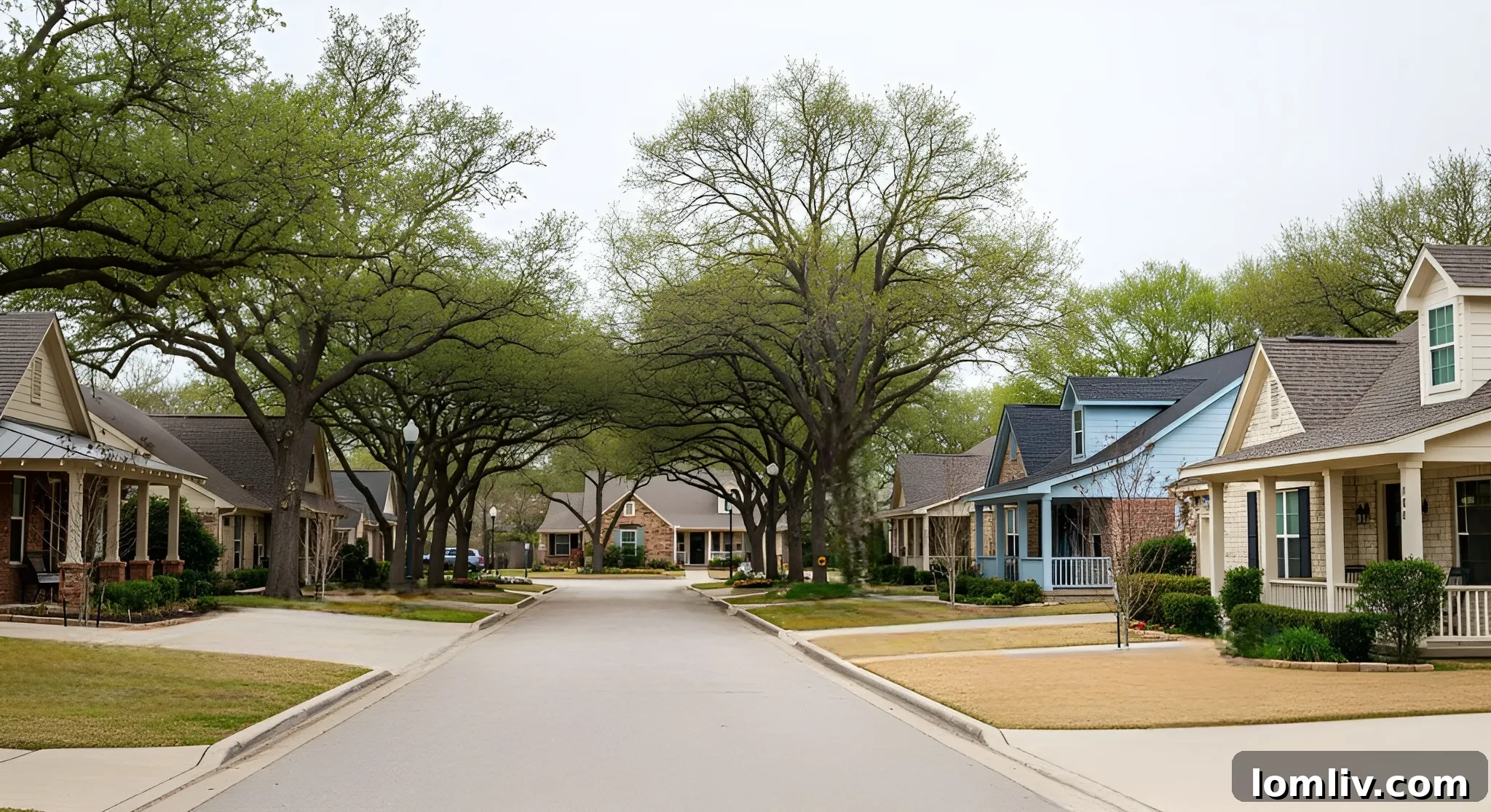
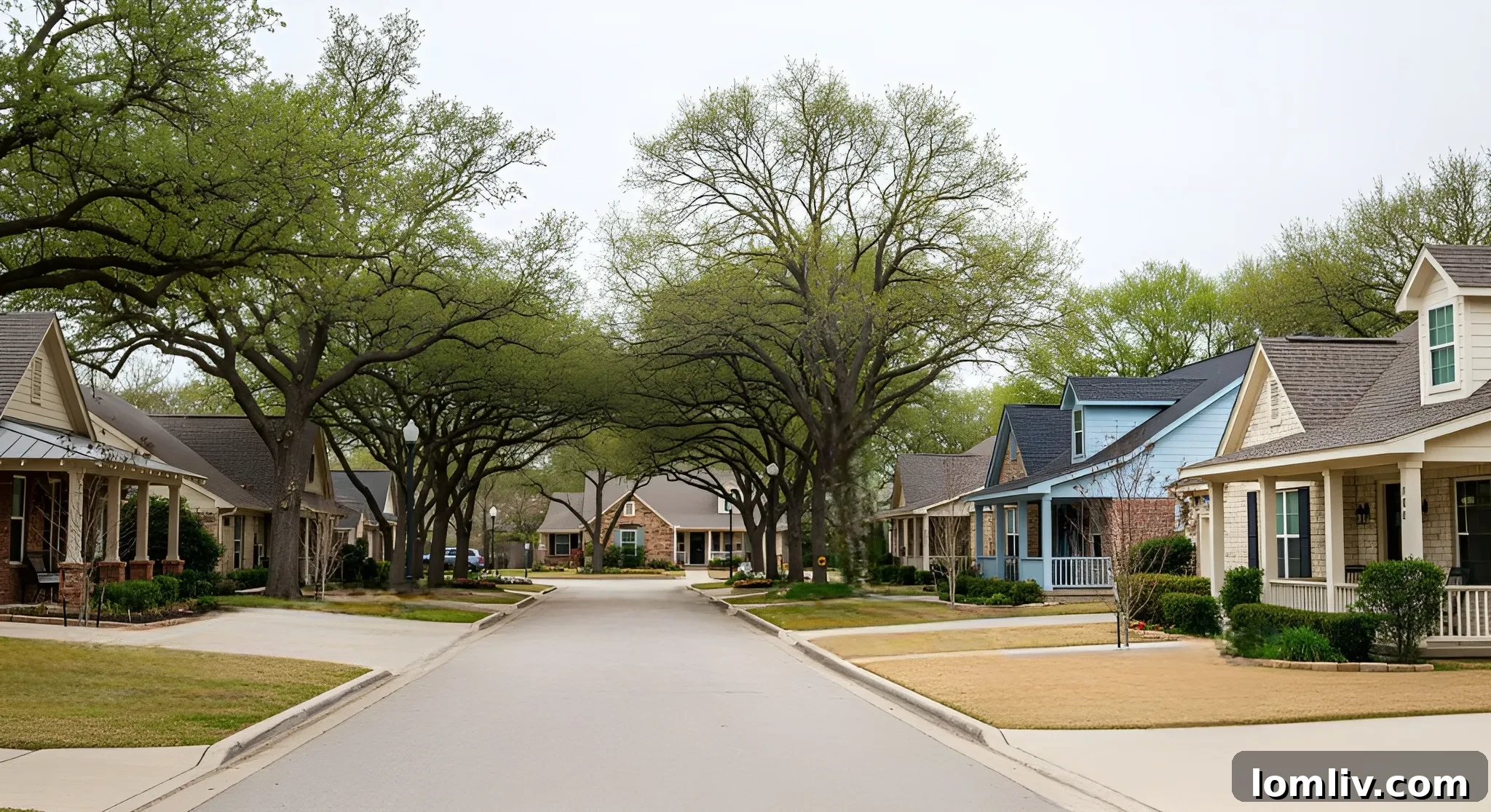
While many prospective homeowners dream of a tranquil, peaceful sanctuary away from the hustle and bustle, a neighborhood that feels “too quiet” can actually be a subtle yet significant red flag. There’s a fine line between serene quietude and an unsettling lack of activity. While a bustling, noisy community might be excessive for some, an eerily silent neighborhood could indicate deeper issues that impact not just your lifestyle but also the long-term value and safety of your investment. If an area seems unusually devoid of life and activity, consider these crucial possibilities:
- Lack of Buyer Interest and Demand: A very quiet neighborhood might reflect a general disinterest from other homebuyers in the area. This lack of demand can stem from various factors such as poor school districts, a scarcity of job opportunities, high crime rates (which can lead people to stay indoors), environmental concerns (e.g., proximity to industrial zones, flood plains), or simply a general decline in desirability. Low demand can make it difficult to sell your home in the future and can lead to stagnating or declining property values.
- Poor Business Activity and Economic Decline: Thriving communities usually have active commercial centers, local businesses, and job growth. A neighborhood with boarded-up storefronts, limited services, or a general sense of economic stagnation could indicate a struggling local economy. This decline can impact property values, limit local amenities, and reduce opportunities for residents, leading to a less vibrant and desirable place to live.
- Higher Likelihood of Crimes Due to Fewer Watchful Eyes: While counterintuitive, an overly quiet neighborhood can sometimes be more vulnerable to crime. A lack of foot traffic, children playing outside, neighbors socializing, or visible community engagement means fewer “eyes on the street.” This reduced natural surveillance can make an area more attractive to opportunistic criminals who perceive a lower risk of being caught. It can also signal a lack of community cohesion and vigilance.
- Absence of Essential Facilities and Amenities: Convenience is a significant factor in quality of life. An extremely quiet area might lack essential facilities within a reasonable distance, such as grocery stores, pharmacies, healthcare providers, schools, parks, restaurants, or public transportation. This can lead to increased commuting times, reliance on personal vehicles, and a general feeling of isolation or inconvenience, detracting from the overall living experience.
- Environmental or Nuisance Factors: Sometimes, a quiet neighborhood is quiet for a reason you haven’t yet discovered. This could include proximity to a landfill, a high-voltage power line, a less-than-desirable industrial facility, or an airport flight path that experiences noise at specific, less frequent times. It’s crucial to investigate such potential nuisances.
What To Do:
Your investment in a home extends beyond its four walls; it encompasses the entire community. Therefore, invest heavily in thorough neighborhood research. Start by actively engaging with other people living in the area; strike up conversations with residents you encounter during your visits, as their firsthand accounts can provide invaluable insights into daily life, community dynamics, and any hidden issues. Utilize a wide array of online resources to pull critical data: check local government websites for crime rates, school ratings, zoning plans, and proposed developments. Review economic development reports and demographic data to understand the area’s growth trajectory and stability. Read recent news articles and local forums to uncover community concerns or planned infrastructure changes, which could significantly impact the area’s future desirability. Crucially, visit the neighborhood at different times of day and on different days of the week – during morning rush hour, a quiet weekday afternoon, a bustling Saturday, and a calm Sunday evening – to observe activity levels, traffic patterns, and overall ambiance. Test out a typical commute during peak times. A comprehensive understanding of the neighborhood ensures your new home isn’t just a house, but a part of a thriving and suitable community.
Wrapping Up
The allure of a perfect home can be incredibly strong – a spacious bedroom, a chic bathroom, a functional living space, a lush garden, and a strategic location can instantly captivate you. On the surface, a house for sale might appear to be an absolute dream, especially if it aligns perfectly with your budget. However, beneath this appealing exterior, a house can conceal a myriad of red flags that are indicative of poor quality, deferred maintenance, or even serious hazards. From the subtle signs of visible water stains on the ceiling to the unmistakable musty odor signaling hidden mold, and from outdated electrical systems posing fire risks to a strangely quiet neighborhood hinting at deeper community issues, it is imperative to remain vigilant.
Empower yourself with knowledge and an objective perspective. While emotions are a natural part of the home-buying process, they should never overshadow the critical importance of due diligence and professional inspections. Overlooking these warning signs, no matter how minor they seem at first, can shatter the life you envisioned in your new home, leading to unexpected financial burdens, health concerns, and significant stress down the line. A thorough and informed approach is your best defense against buyer’s remorse, ensuring that your dream home truly becomes a source of joy and security for years to come.