Preserving Highland Park’s Heritage: The Ongoing Battle Against Historic Home Demolitions
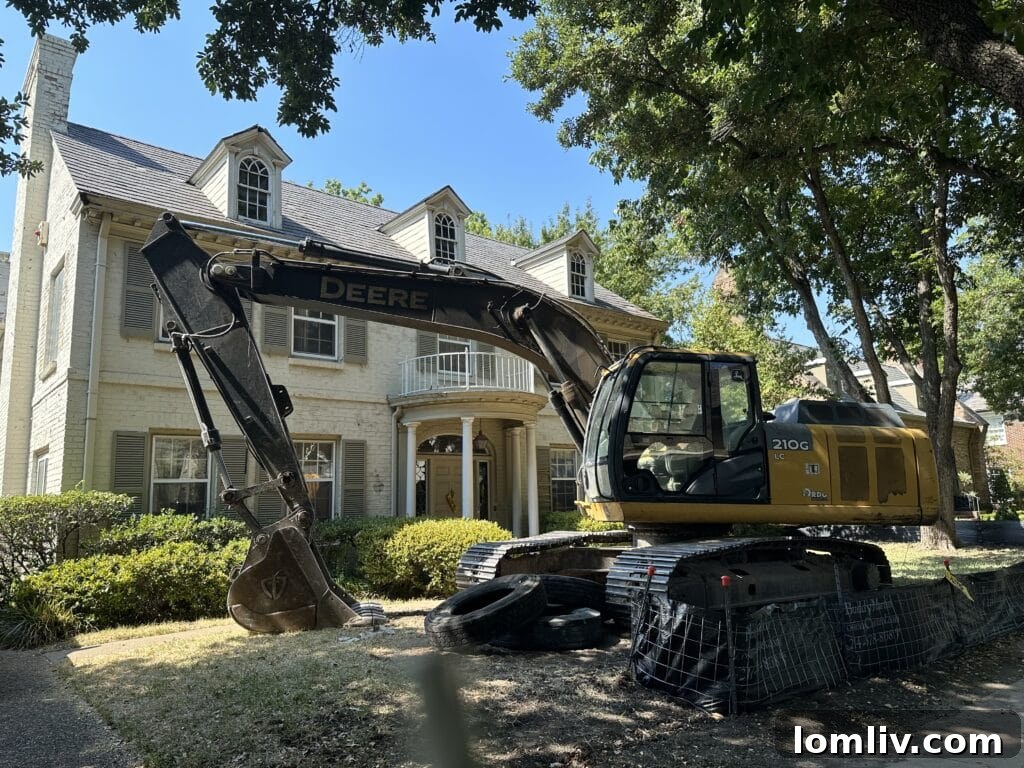
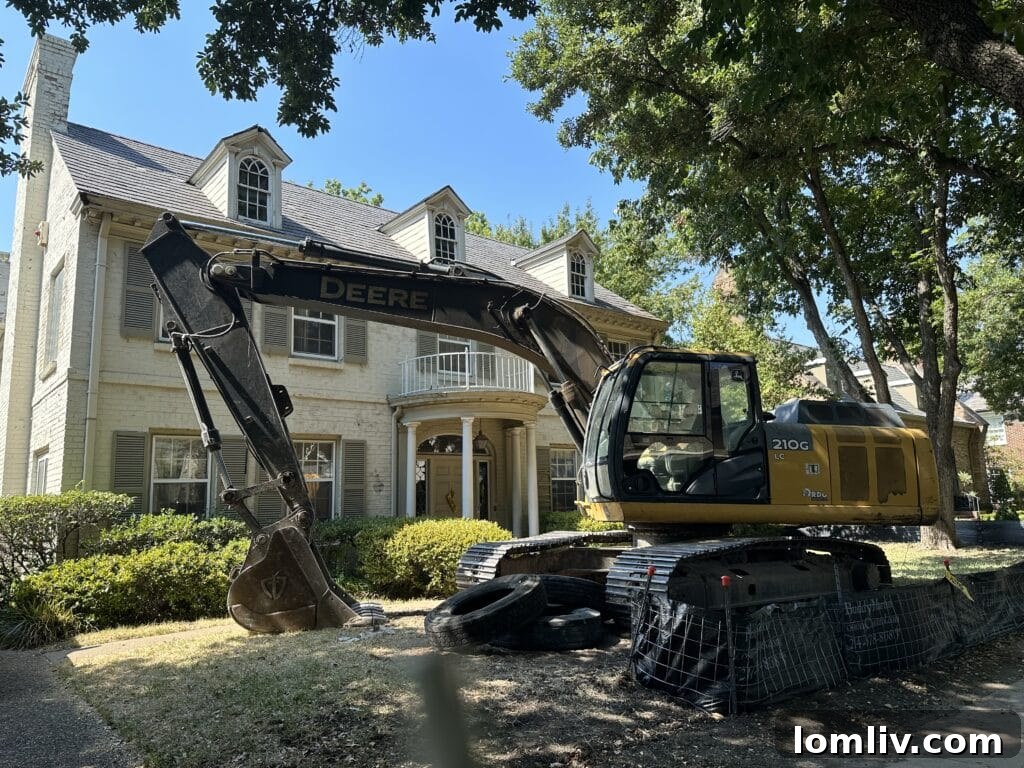
The esteemed community of Highland Park, renowned for its architectural grandeur and timeless charm, is once again grappling with a painful loss. This past weekend, a wave of distress swept through Fairfax Avenue as neighbors watched helplessly as another defining residence faced imminent demolition. The once-stately home at 4415 Fairfax, a landmark property emblematic of the Park Cities’ unique character, was slated for teardown, sparking outrage and sadness among residents committed to safeguarding their town’s architectural legacy. By the time many read this, the bulldozer may have already completed its irreversible work, erasing decades of history and beauty.
A Community Rises: The Fight for 4415 Fairfax
The Unseen Transaction: An Off-Market Sale and Failed Dialogue
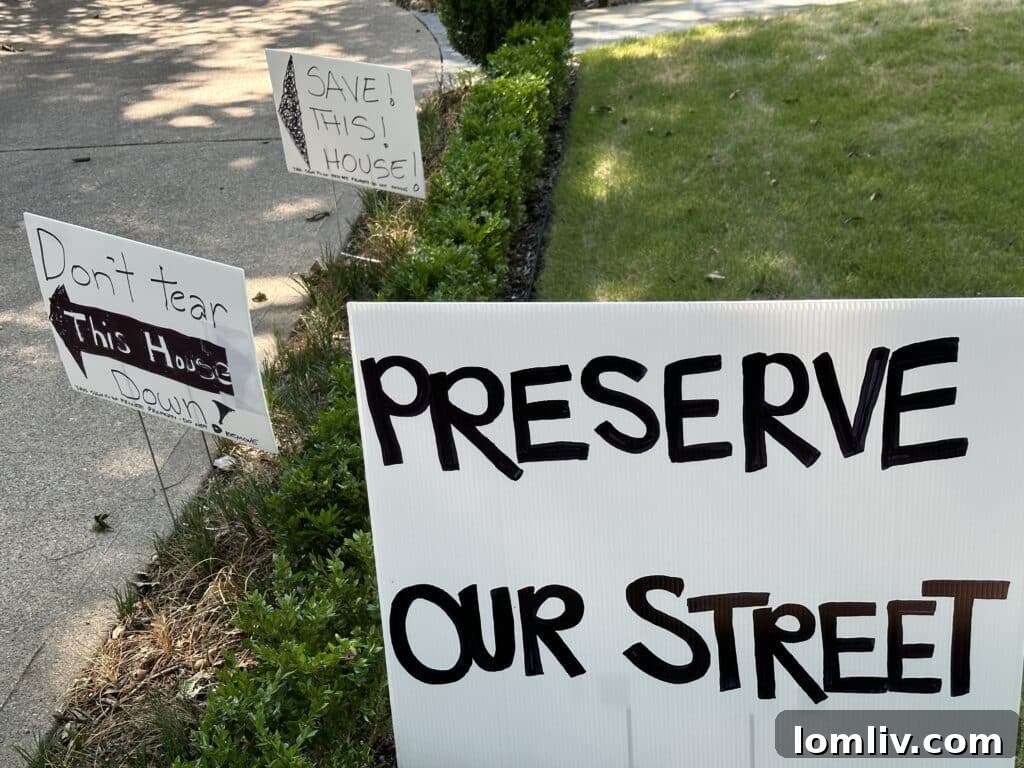
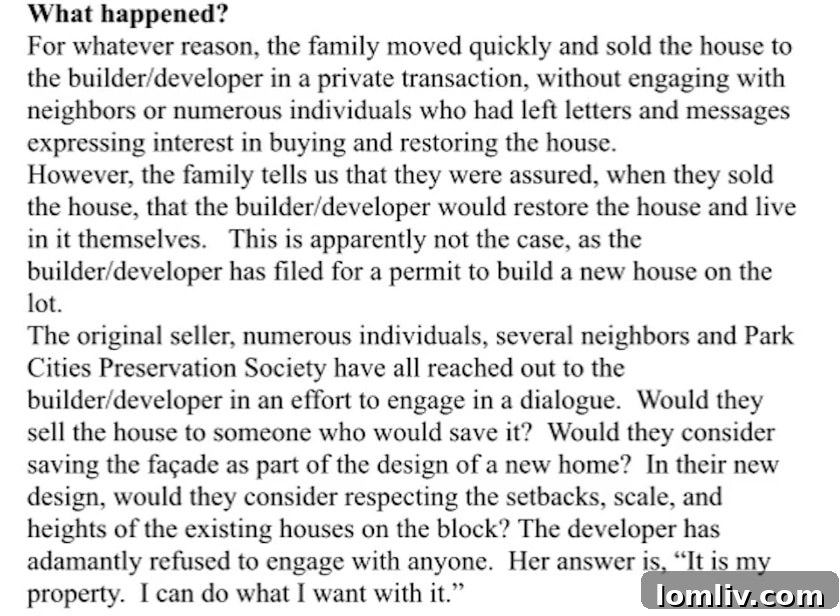
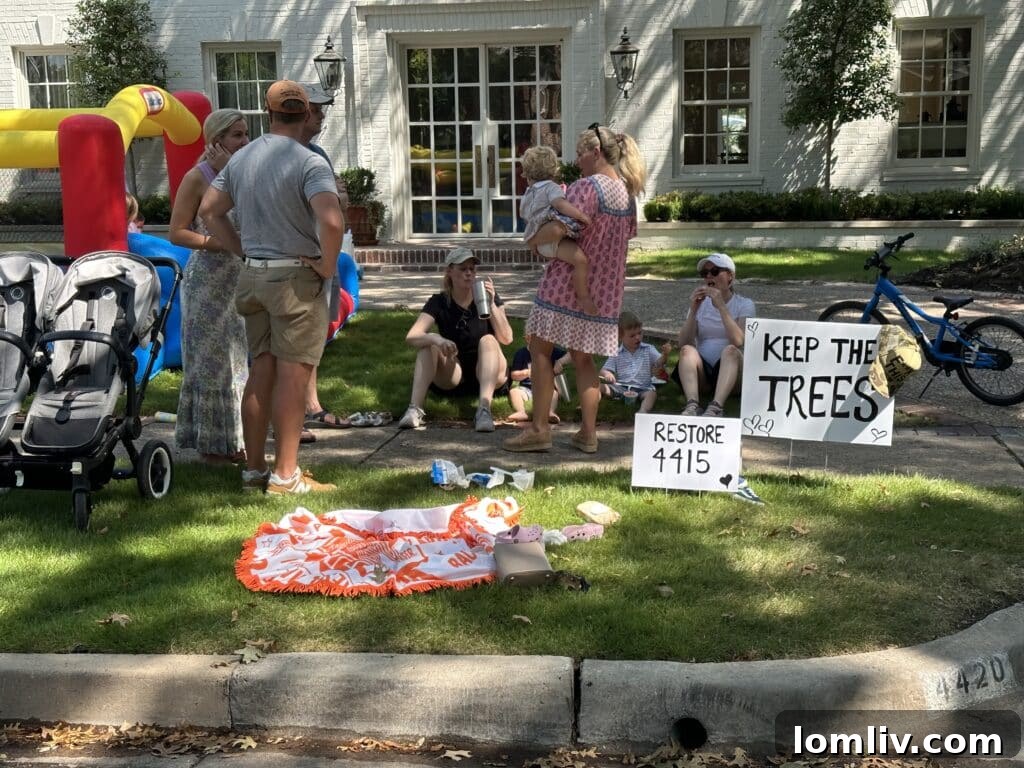
The alarm bells began to ring in early August when handmade signs mysteriously appeared on the block, and concerned neighbors took to social media, sharing their fears and suspicions. It became clear that the house at 4415 Fairfax was in jeopardy. Attempts were made by several community members to reach out to the potential buyer, hoping to initiate a dialogue about restoration or a compromise that could save the historic structure. Unfortunately, these efforts were met with silence, proving futile in preventing the impending tragedy.
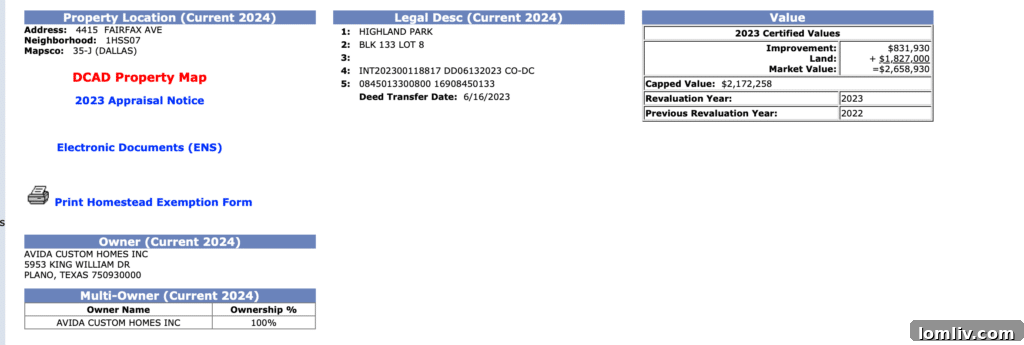
Adding to the frustration, the $2.5 million property reportedly never entered the Multiple Listing Service (MLS), effectively bypassing the traditional real estate market. The prevailing rumor among residents suggests that the family received an unsolicited, all-cash offer with no contingencies, accelerating a sale process that left no room for public awareness or intervention. This opaque transaction highlighted a critical vulnerability in Highland Park’s preservation efforts, where properties can change hands without the community having any opportunity to react or advocate for their historic value.
Permit Predicament: Transparency and Timeliness Concerns
As the prospect of demolition loomed, residents diligently monitored the permit process. A Single-Family Residence Permit application was filed at Highland Park Town Hall. However, the permit log initially showed that no permit had been officially issued for this address. A Highland Park building inspector later informed a neighbor that a demolition permit had indeed been paid for, but the crucial step of marking it as “issued” on the public record was delayed until a specific time on the following Monday morning. This significant lag time between permit payment and official issuance on the public website is a critical loophole, effectively denying anyone wanting to delay demolition the necessary window of opportunity to intervene or challenge the permit.
Further fueling community frustration was the apparent disregard for established policy. The Highland Park Construction Management Policy, which governs Single-Family Residence Permits, explicitly states in Section 2.3 Public Notification: “The contractor is required to distribute a letter of construction notice to all residents within the disturbance area no later than ten (10) days prior to construction.” Despite this clear directive, not a single resident on the block received any such notification from the contractor regarding the impending demolition. This oversight, whether intentional or accidental, further eroded trust and highlighted the urgent need for stricter enforcement and greater transparency in the town’s development processes. Without timely notification, residents are left in the dark, unable to prepare or mobilize against projects that threaten their neighborhood’s character.
More Than Just a House: The Legacy of Highland Park Homes
Architectural Gems and Community Identity
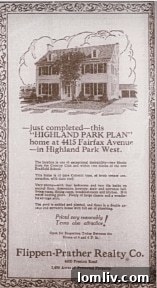
Highland Park is not merely a collection of expensive houses; it is a meticulously planned community characterized by its tree-lined streets and a breathtaking array of architectural styles. From elegant Colonial Revivals to charming Tudors and Mediterranean villas, each home contributes to a cohesive, historic streetscape that defines the town’s identity. The residence at 4415 Fairfax Avenue, once reportedly owned by the prominent C.F. Hawn family, was a testament to this rich heritage. These homes are more than just brick and mortar; they embody the craftsmanship, design principles, and social history of generations past. Their unique facades, intricate details, and mature landscapes create an irreplaceable sense of place, attracting residents who value both luxury and a profound connection to history.
The Broader Crisis: A Trend of Teardowns in Park Cities
The demolition of 4415 Fairfax is not an isolated incident but rather a stark reminder of a growing trend in the Park Cities. In an increasingly competitive real estate market, developers are often incentivized to purchase older, often historic, properties, only to tear them down and replace them with larger, more modern luxury homes. While development is a natural part of urban evolution, this particular pattern threatens to erase the very architectural character that makes Highland Park so desirable. The cumulative loss of these historic structures gradually erodes the town’s unique aesthetic, replacing distinctiveness with a more generic, contemporary style that often lacks the charm and scale of its predecessors. This ongoing “teardown crisis” presents a fundamental challenge to the community’s long-term identity and the preservation of its cultural heritage.
Rallying for Preservation: Voices from the Community
A Neighborhood Mourns: The Fairfax Avenue Vigil
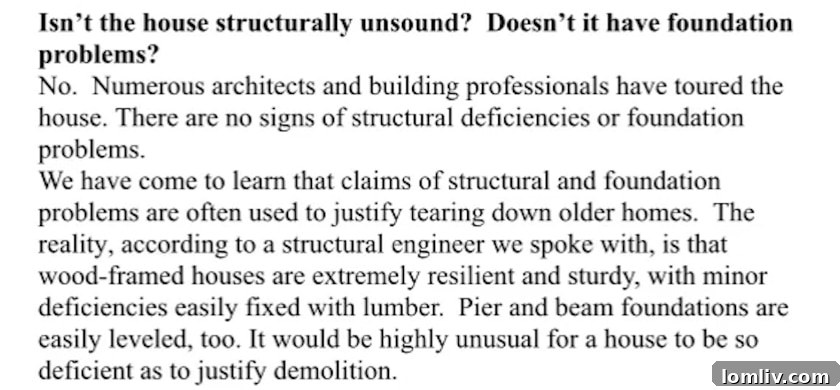
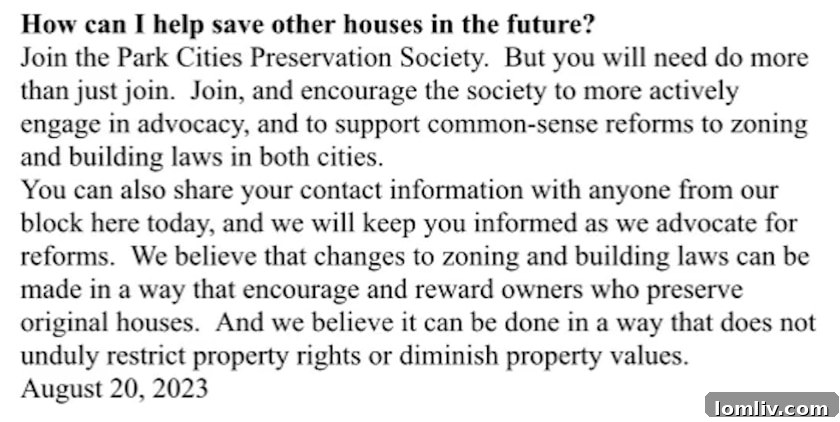
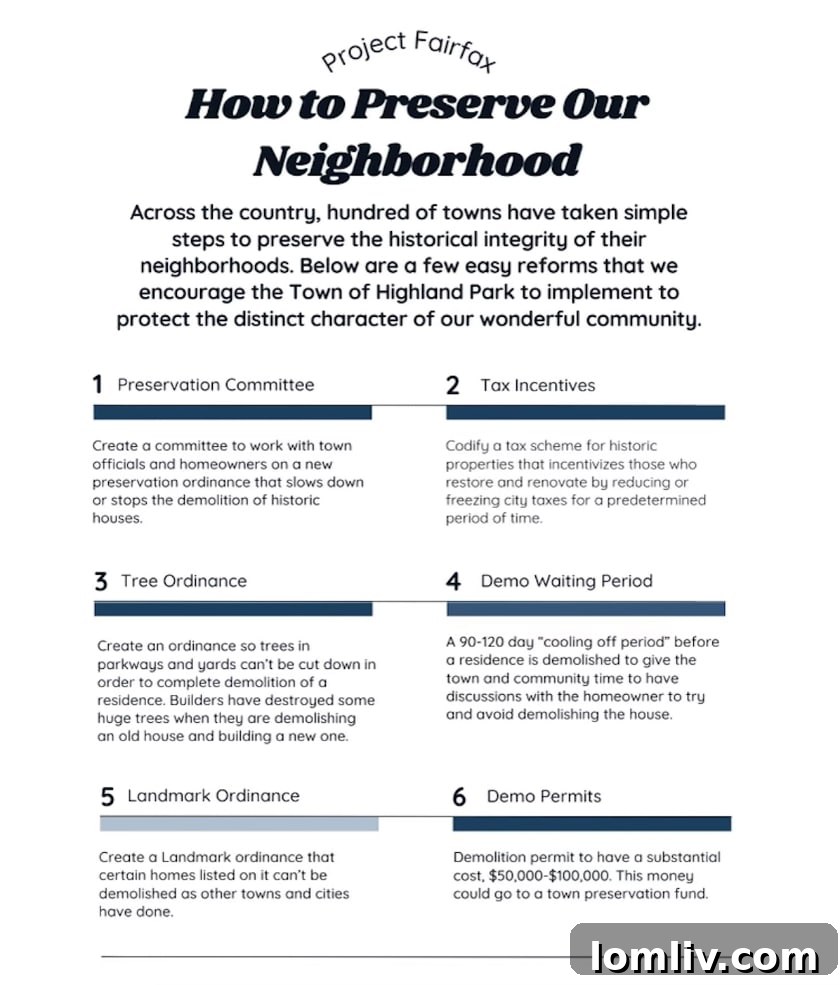
On a somber Sunday morning, the Fairfax Avenue neighborhood transformed into a gathering of collective grief and determination. What could only be described as a “wake” was held for the venerable home, a heartfelt tribute to its long life and significant contribution to the community. Locals gathered to celebrate the life of the house, sharing memories and discussing what more could be done to prevent future teardowns. Informational flyers were distributed, not only detailing the history and plight of 4415 Fairfax but also outlining actionable steps residents could take to protect other endangered properties. This grassroots effort underscored the deep emotional connection residents have to their architectural environment and their resolve to fight for its future.
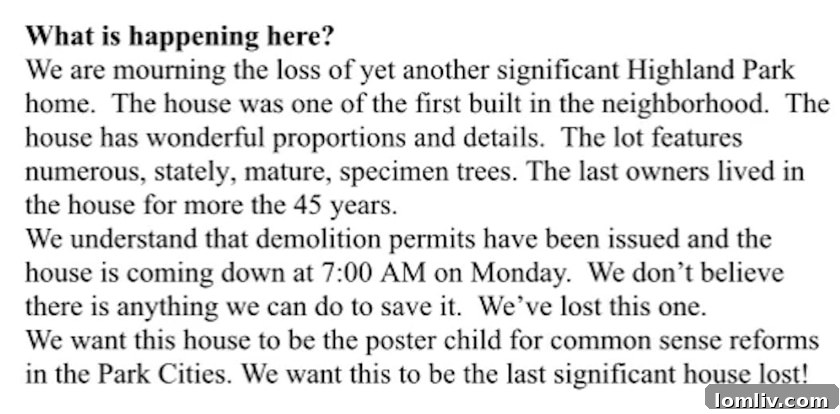
We are sorry to see this happen and wish a dialogue could have been had and a compromise reached before it reached this point, but the buyers would not engage in dialogue.
Fairfax neighbor
Preservation Park Cities: Leading the Charge for Change
Amidst these challenges, organizations like Preservation Park Cities (PPC) have been diligently working to promote awareness and advocate for the protection of historic homes. The organization has recently gained significant momentum, turning public outcry into organized action. According to incoming PPC president Amy Beale, a pivotal “wake-up call” for the community and for PPC itself came when the iconic Hal Thomson-designed home at 3800 Beverly Drive was razed. This particular demolition, involving a masterpiece by one of Dallas’s most celebrated architects, underscored the urgent need for a more robust preservation strategy.
“It was a catalyst for Preservation Park Cities to become more visible and relevant in the community,” Beale affirmed. Since then, PPC has intensified its efforts, focusing on community engagement, educational initiatives, and exploring avenues to strengthen local preservation policies. They understand that without strong local ordinances, the fate of these irreplaceable homes often rests on the goodwill of developers or the sheer determination of impassioned residents, neither of which offers guaranteed protection.
The Power of Awareness: Christina Dandar and The Potted Boxwood
The increasing public sentiment against teardowns is also evident in the digital realm. Christina Dandar, founder of The Potted Boxwood, a popular online platform focused on interiors and architecture, has keenly observed this growing momentum. Her Instagram profile, a hub for design enthusiasts, sees a significant surge in comments and engagement whenever a historic home in the Park Cities is endangered. This digital advocacy plays a crucial role in raising public awareness beyond local neighborhoods.
“The momentum is there,” Dandar emphasized. “It’s now about education.” This shift towards education highlights the understanding that while emotional appeals are powerful, sustained change requires informed citizens who grasp the full implications of preservation—from economic benefits to environmental responsibility and legal strategies.
Education and Action: Pathways to Protecting Highland Park’s Future
The path forward for Highland Park’s architectural heritage lies in comprehensive education and proactive action, focusing on several key areas:
Economic Sense: The Value of Restoration Over Demolition
One critical aspect of this education involves understanding the true costs and benefits of preservation. Contrary to popular belief, preserving an existing structure is often more economical and financially responsible than demolishing it and building anew. Restoration minimizes waste disposal fees, reduces the need for costly new construction materials, and often leverages existing infrastructure. Furthermore, historically preserved homes often command higher property values due to their unique character, craftsmanship, and desirability, contributing positively to the overall economic health of the community. They offer a charm and authenticity that new builds simply cannot replicate, making them a wise investment for both homeowners and the town.
Environmental Imperative: Sustainable Choices for Development
In an era of increasing environmental consciousness, the decision to demolish a perfectly sound structure is also deeply irresponsible. Demolition generates massive amounts of construction and demolition (C&D) waste, significantly contributing to already overburdened landfills. Preservation, on the other hand, embodies sustainable practices by reusing existing materials, reducing the carbon footprint associated with new construction, and conserving valuable resources. Embracing preservation means making environmentally responsible choices that align with modern sustainability goals, ensuring that Highland Park’s growth is mindful of its ecological impact.
Legal Safeguards: Empowering Homeowners and the Community
Given the absence of strong, overarching preservation laws in the Park Cities, homeowners must be empowered with knowledge of available legal tools. Two potent instruments are architectural deed restrictions and architectural easements. These legal agreements, when included in estate plans, can place permanent limitations on future alterations or demolitions of a property, protecting its architectural integrity for generations to come. Property owners can voluntarily place these restrictions, ensuring their legacy homes are preserved. Beyond individual actions, the community can also explore advocating for town-level ordinances, incentives for preservation, or the establishment of historic overlay districts, which provide a designated layer of protection for historically significant areas.
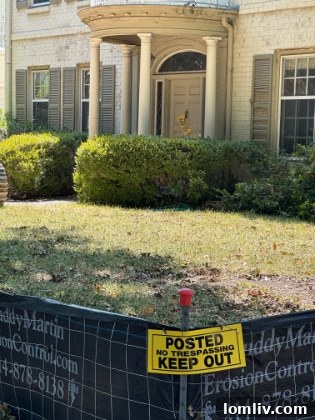
George Bernard Shaw is credited with saying ‘Never wrestle with pigs. You both get dirty and the pig likes it.’ I think the 4400 block has kept things clean on their side of the aisle and are patiently waiting for the developer to do the right thing despite opaque and disorienting actions. Good architecture is worth preserving. Good communities are worth saving. Good neighbors are worth protecting.
Mark Marynick, Highland Park resident
The Unfolding Reality: Demolition Commences
Despite the impassioned pleas, community gatherings, and advocacy efforts, the inevitable has tragically begun. The latest update confirms that demolition has commenced at 4415 Fairfax Avenue. The sight of heavy machinery tearing down what was once a vibrant home stands as a stark and painful reminder of the challenges faced by preservationists in Highland Park. This loss, however, has only intensified the resolve of residents and organizations like Preservation Park Cities to continue their fight. It serves as a powerful testament to the urgent need for systemic change, stronger protections, and a collective commitment to safeguarding the irreplaceable architectural heritage that makes Highland Park so unique and cherished.
The Road Ahead for Highland Park’s Heritage
The demolition of 4415 Fairfax Avenue is undoubtedly a sad chapter in Highland Park’s history, highlighting the fragility of its architectural legacy in the face of unchecked development. However, it has also galvanized a community, bringing residents, preservation groups, and influencers together with a renewed sense of purpose. The ongoing dialogue about transparent real estate practices, equitable permit processes, and the enforcement of construction policies is crucial. By emphasizing the economic and environmental benefits of preservation, and by actively promoting legal tools like deed restrictions, the community hopes to prevent future losses. The fight to protect Highland Park’s distinctive charm and historical integrity is far from over; it is a continuous journey that requires vigilance, education, and unwavering advocacy to ensure that the character-defining homes of today become the cherished landmarks of tomorrow.