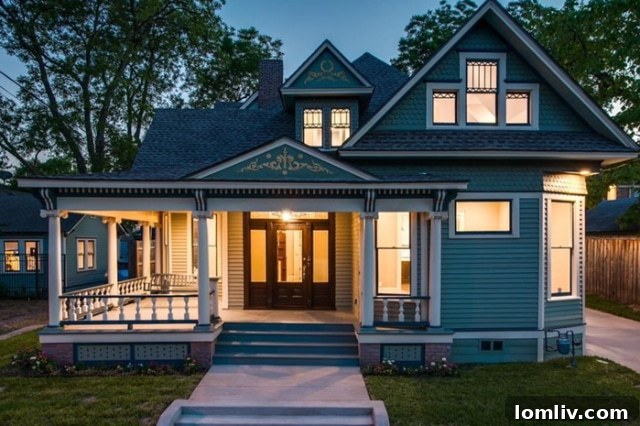
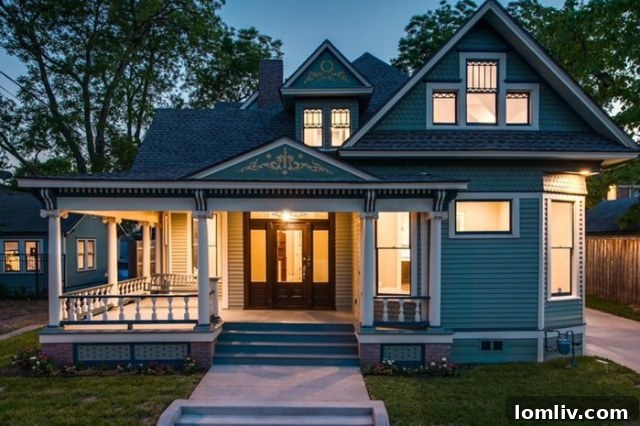
In a world increasingly focused on the future, the past often holds invaluable lessons, especially when it comes to the built environment that shapes our communities. My recent experience at the Historic House Specialist seminar, a collaboration between the MetroTex Association of Realtors and Preservation Dallas, proved this point profoundly. Within just two days, I absorbed more practical, actionable knowledge about Dallas’s rich architectural heritage and the critical field of historic preservation than I could have ever imagined acquiring in a traditional academic setting, let alone a single college semester.
While formal education in historic preservation might be rare in standard college curricula, organizations like Preservation Dallas brilliantly bridge this gap. They possess a unique talent for distilling complex information into easily digestible insights, making learning both efficient and highly engaging. This annual seminar, specifically designed to equip Realtors with a specialized certification and MCE credit, extends its immense value far beyond the real estate community. It stands as an essential learning opportunity for anyone eager to understand the historical fabric of Dallas and appreciate the ongoing efforts to protect it.
Why Specialized Knowledge in Historic Homes is Essential
As a writer deeply invested in historic preservation, you might wonder why I, too, felt compelled to enroll in this course. The answer is simple: continuous education is paramount, regardless of one’s profession. Whether you are a journalist dedicated to covering preservation or a real estate professional guiding clients through significant life investments, staying informed is not just beneficial, it’s imperative. For Realtors operating in Dallas’s vibrant historic or conservation districts, this seminar is not merely an advantage; it’s a necessity. Without the insights gained from such specialized training, you simply cannot offer the comprehensive, accurate advice your clients deserve, nor can you effectively compete with agents who have mastered this crucial niche.
Over the past few years, my access to the distinguished professionals who teach this course has been a privilege, allowing me to gain a profound understanding of Dallas’s architectural legacy. Participating in the seminar offered the unique delight of finally meeting these preservationists in person, individuals whose voices I’ve only known through phone calls for years. Their profound depth and breadth of knowledge, coupled with an unwavering devotion to preserving history, are truly unparalleled and deeply inspiring. They are the guardians of our past, ensuring that Dallas’s unique story continues to be told through its buildings and neighborhoods. This seminar brings their expertise directly to you, providing an invaluable foundation for anyone involved with historic properties.
Day One: A Deep Dive into Dallas’s Historical Foundations
The first day of the Historic House Specialist seminar commenced with an illuminating session led by preservation architect Nancy McCoy. Her engaging presentation meticulously charted the historical development patterns of Dallas, tracing its evolution from a nascent settlement of merely 500 people in 1890 to the bustling metropolis it is today. We learned about pivotal moments that reshaped the city, such as the dramatic diversion of the Trinity River. Following devastating floods, the city collaborated with visionary planner George Kessler, leading to the 1911 Dallas Plan which not only rerouted the river but also brought about significant infrastructural advancements like the Jefferson Street viaduct. This monumental engineering feat profoundly influenced the city’s growth and layout, creating new development opportunities and mitigating future flood risks.
The seminar also uncovered fascinating historical nuggets, revealing Dallas’s humble beginnings. Did you know the city’s first courthouse was a simple log cabin? Or that the historic Caruth farmhouse, still standing, once served as pioneering travelers’ quarters—an early iteration of what we might now call an Airbnb? These details paint a vivid picture of Dallas’s early character and the ingenuity of its inhabitants. We further explored how early streetcar companies played a significant role in developing new neighborhoods, influencing where residents chose to settle and shaping the city’s residential expansion. For instance, Ross Avenue quickly emerged as a desirable locale for wealthy families, reflecting the social and economic dynamics of the time. These insights, though a tiny fraction of what was covered on Day One, underscored how interconnected urban planning, transportation, and social trends were in shaping early Dallas.
The seminar meticulously unpacked the profound impacts of historical policies and societal shifts on Dallas’s urban landscape. Understanding the lasting effects of practices like redlining, how the widespread adoption of automobiles fundamentally altered house designs and urban planning, and the way the Great Depression reshaped how families utilized their homes, truly captivated the audience. These discussions provided crucial context for understanding the socio-economic and architectural evolution of the city, keeping us engrossed in every detail.
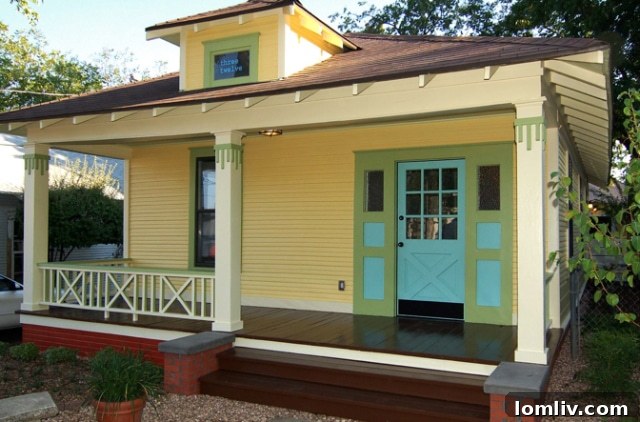
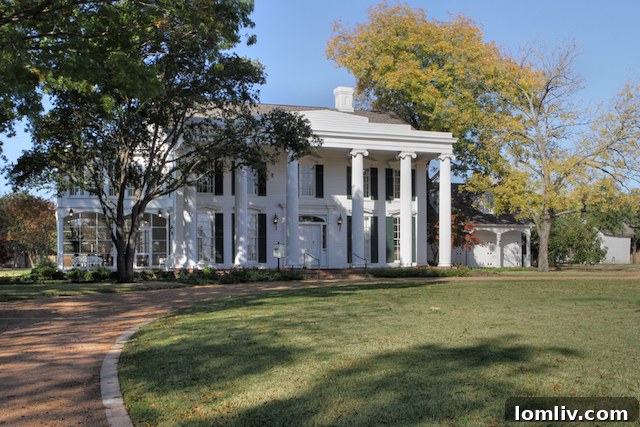
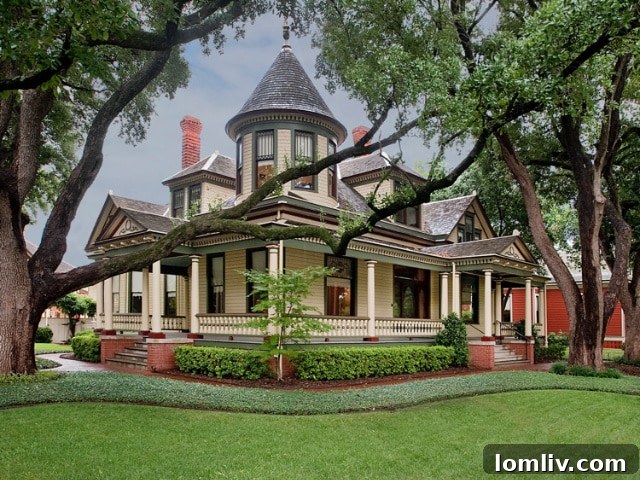
The morning concluded with enlightening presentations from two distinguished experts. Katherine Seale, Vice President of the Preservation Texas board, delivered a comprehensive overview of Dallas’s diverse architectural styles, from elegant Victorian homes to charming Craftsman bungalows and sleek Mid-Century Modern designs. Her session provided a vital framework for identifying and appreciating the unique characteristics that define historic properties across the city. Following her, preservation architect Marcel Quimby, FAIA, principal of Quimby Preservation Studio, demystified the intricate processes behind historic and conservation district designations. She elaborated on the criteria, benefits, and responsibilities associated with these designations, equipping attendees with a clearer understanding of how these protections safeguard Dallas’s architectural treasures.
After a delightful lunch break held within the beautiful Wilson House, the seminar shifted focus to the practical art of researching property history. Historian and consultant Carol Roark guided us through effective methods for digging deep into the past of homes. She shared invaluable research strategies, including a clever trick for online searches: always enclose the specific address in quotation marks. As she demonstrated, searching for “1234 Main” ensures results pertaining exclusively to that specific property, rather than yielding countless irrelevant entries containing the word “main.” This simple yet powerful tip exemplified the practical wisdom imparted throughout the day, empowering us with tools to uncover the rich narratives embedded within Dallas’s historic homes.
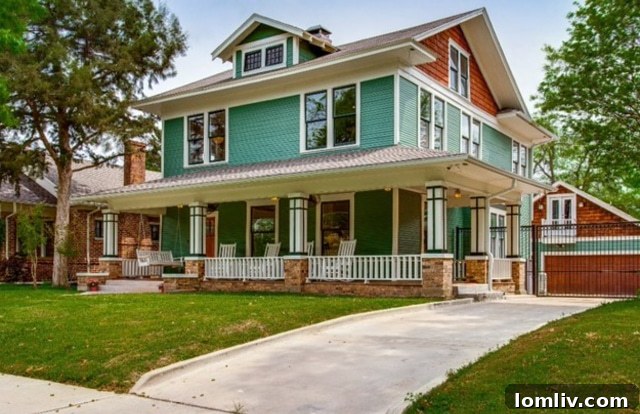
Day One culminated with a thought-provoking presentation by Norman Alston, FAIA, owner of Norman Alston Architects and President of the Preservation Dallas Board. His insightful discussion on sustainability and historic preservation deftly dispelled common misconceptions, breaking down complex ideas to their core. Alston emphasized that “authenticity is the underlying concept” in preservation. He elaborated that for a building to truly be historic, it must possess genuine authenticity, retaining its original character, materials, and design intent. He further clarified that a lack of official designation does not diminish a building’s inherent historic value. This distinction is crucial for understanding the broader scope of preservation efforts, which often extend beyond formally protected sites to include structures that contribute significantly to a neighborhood’s unique narrative and character, embodying embodied energy and sustainable practices through their very existence.
Day Two: Exploring Historic Districts and Real Estate Essentials
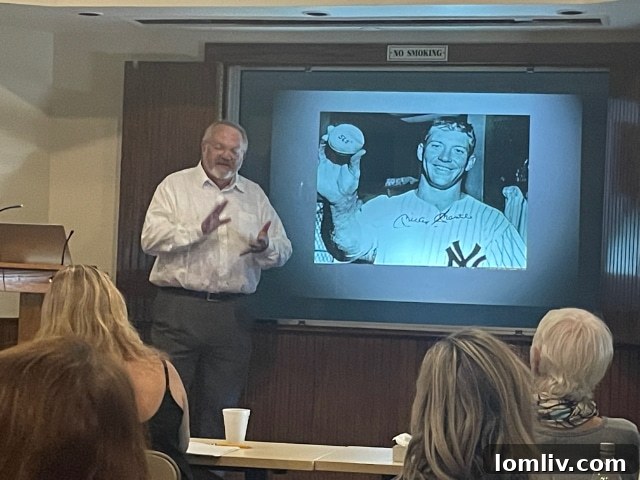
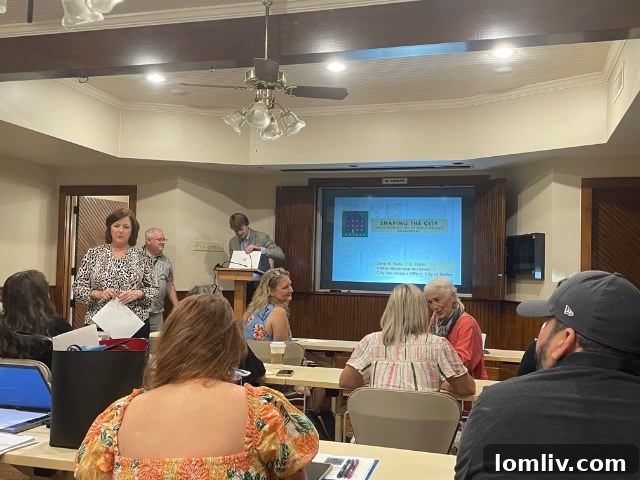
Thursday, the second day of the seminar, began with an engaging session featuring John Slate, the esteemed City of Dallas Archivist. Slate’s presentation focused on the early developers who laid the groundwork for modern Dallas, reminding us that figures like John Neely Bryan were, in essence, our city’s first developers and visionaries. He drew our attention to familiar names that punctuate Dallas’s streetscapes and landmarks—Cockerell, Stemmons, Zang, and Kessler—underscoring that these were not just names but influential developers and city planners whose decisions profoundly shaped the urban fabric we navigate daily. Slate eloquently summarized the pervasive nature of history, noting, “We are surrounded by history. We drive on it and walk on it daily.” His words resonated deeply, highlighting how every street, building, and neighborhood holds a piece of Dallas’s story, often overlooked in our daily routines. This understanding is vital for appreciating the depth of preservation efforts.
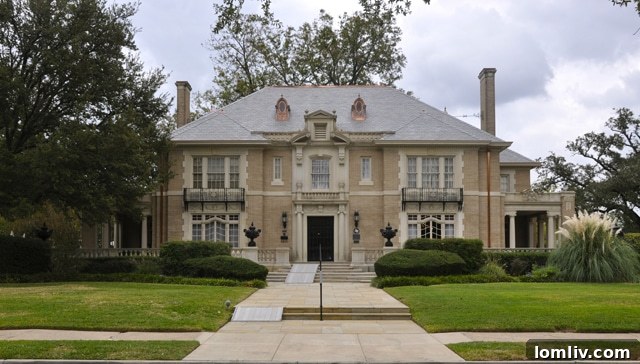
Following this insightful historical overview, we embarked on a luxurious bus tour, a highlight of the seminar, through several of Dallas’s most cherished historic and conservation districts. Our guide for this immersive journey was Landmark Commissioner and preservation consultant Jim Anderson, a walking encyclopedia of Dallas history and architecture. His ability to connect historical narratives with the physical environment brought the city’s past to life, enriching our understanding of each district’s unique character and the stories behind its buildings. The tour provided a critical visual complement to the theoretical knowledge gained in the classroom, demonstrating the tangible results of preservation efforts.
Our tour paused for a delightful lunch at the stately Aldredge House, itself a magnificent example of historic preservation nestled within one of the city’s first residential historic districts. Here, we heard from Bart Thrasher, a distinguished Realtor with David Griffin and Associates. Thrasher delivered a crucial presentation on the Historic District Addendum – a document of paramount importance for any Realtor involved in buying or selling homes within historic or conservation districts. He meticulously explained the legal ramifications, disclosure requirements, and unique considerations outlined in this addendum, emphasizing its role in protecting both buyers and sellers and ensuring transparent, ethical transactions in these specialized markets. Understanding this document is not just good practice; it is fundamental to navigating the complexities of historic real estate.
The seminar concluded with an inspiring session from the outstanding architect J. Wilson Fuqua of J. Wilson Fuqua & Associates. Fuqua’s expertise shed light on the residential architects who shaped Dallas’s distinctive architectural landscape. He traced the evolution of various architectural styles prevalent in Dallas homes, connecting historical periods with specific design trends and influential figures. His presentation masterfully wove together many of the historical threads introduced throughout the seminar, providing a coherent and comprehensive understanding of how Dallas’s residential architecture came to be. It was a fitting finale, leaving us with a deeper appreciation for the artistry and intentionality behind the homes that define our city.
Voices from the Historic House Specialist Class
As the second day drew to a close, I took the opportunity to speak with some of my fellow classmates, eager to hear their perspectives on the seminar’s impact. Their feedback consistently highlighted the seminar’s immense value and the practical knowledge it imparts.
Ben Villarreal, representing The District Realty Group at Keller Williams Urban Dallas, and a resident of the historic Junius Heights neighborhood, shared his motivation: “I work extensively in historic areas, so I saw this as an excellent opportunity to absorb as much knowledge as possible and then confidently pass that on to my prospective buyers. Learning about the various architectural styles and delving into Dallas’s rich history has been a truly special and enriching experience.”
Amanda Tower, Principal of A. Tower Public Relations, expressed her long-standing desire to attend: “I’ve always wanted to take this class. I’m utterly fascinated by history and deeply passionate about adaptive reuse and historic preservation. Discovering the unique histories of Dallas’s diverse neighborhoods was particularly enjoyable. There are so many hidden gems I wasn’t even aware existed, like the charming area of Park Row.” Her sentiment echoed a common thread among participants – a newfound appreciation for the city’s hidden historical layers.
Allan McKeever of McKeever Real Estate, who grew up in Oak Cliff but now resides in Midlothian, also found the seminar highly beneficial. “My primary expectation for this seminar was to learn the specific requirements for properly selling a historic home, and I certainly achieved that. I especially enjoyed today’s tour, as it’s been over 15 years since I’ve truly seen and appreciated Dallas in this way.” His comments highlighted the practical application of the course material and the fresh perspective it offered on the city.
The Historic House Specialist seminar was undeniably a jam-packed, highly informative two-day event, and I am immensely grateful I finally took the time to participate. Regardless of your profession or your level of involvement with real estate, this seminar offers an unparalleled opportunity. It will furnish you with a wealth of information about the city you call home, far exceeding what you might imagine, and cultivate a significantly greater appreciation for the tireless dedication of our local preservationists. These individuals work diligently to safeguard Dallas’s invaluable history and vibrant culture for generations to come. For anyone looking to deepen their understanding of Dallas’s architectural past and its enduring legacy, this seminar is an investment well worth making.