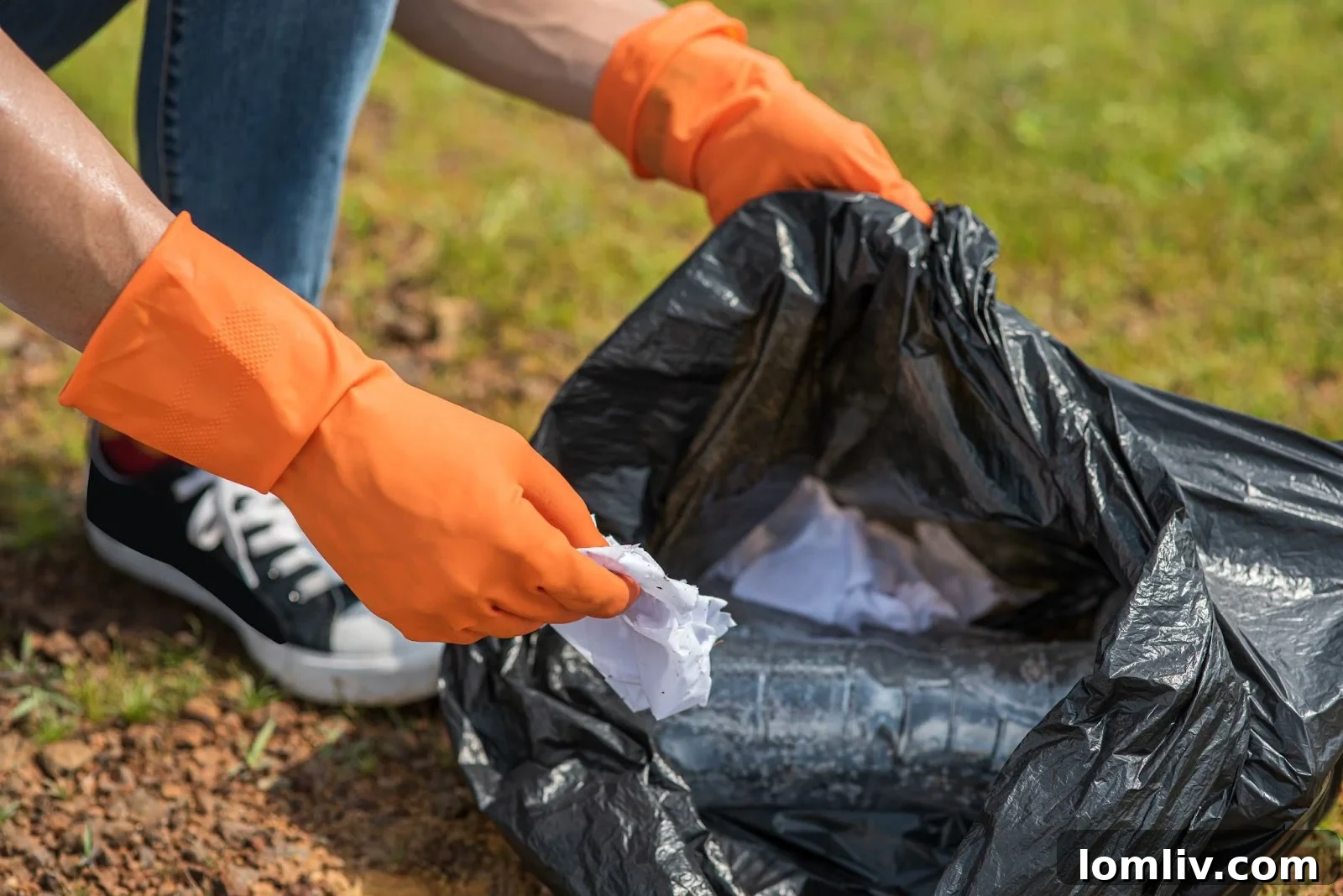
In our fast-paced modern lives, effective rubbish clearance and responsible waste management often remain an afterthought, a task frequently overlooked despite its profound implications. Yet, the systematic removal and careful processing of waste extend far beyond mere cleanliness; it forms a critical foundation for public health, environmental preservation, and community well-being. Understanding the true impact of our waste—how it’s generated, managed, and eventually disposed of—can fundamentally shift our perspectives, empowering us to make more informed choices regarding recycling, waste reduction, and sustainable living. Embracing professional assistance in this vital area is not just a convenience; it’s a strategic investment in a cleaner, healthier future, ensuring that proper waste management practices are consistently upheld. These services provide essential support in navigating the complexities of waste disposal, offering expertise that benefits both individuals and the environment.
For comprehensive insights into how you can actively contribute to eco-friendly rubbish disposal and champion sustainable practices, we encourage you to visit SameDayRubbishRemoval, a resource dedicated to effective and responsible waste solutions.
Unveiling the Real Value of Professional Rubbish Removal
The role of professional rubbish removal companies extends significantly beyond simply hauling away unwanted items. These essential service providers are at the forefront of a greener movement, integrating sustainable practices like reuse and recycling into every aspect of their operations. They meticulously handle both residential and commercial waste streams, deploying environmentally conscious methods designed to minimize landfill impact and maximize resource recovery. Unlike traditional waste services, many modern companies prioritize innovative approaches, actively seeking to divert materials from landfills through comprehensive recycling programs and thoughtful donation initiatives.
When you engage with a professional rubbish removal service, you’re not just paying for disposal; you’re investing in an efficient, ethical, and eco-friendly process. Companies typically quote their services based on the volume or space occupied by your trash, offering transparent pricing that reflects their commitment to efficient logistics and responsible handling. What’s more, many reusable items they collect are carefully sorted and donated to local charities, providing a second life for goods and supporting community initiatives. This practice not only reduces waste but also fosters a circular economy where valuable resources are repurposed rather than discarded.
Beyond their core services, these companies often provide value-added benefits that enhance convenience and security. Many offer free estimates, allowing you to understand the costs upfront without any hidden surprises. The use of lockable dumpsters is another crucial measure, effectively deterring illegal dumping and ensuring that waste is securely contained until collection. Furthermore, the increasing availability of same-day removals makes the decluttering process remarkably easy, quick, and stress-free, fitting seamlessly into busy schedules. Ultimately, the collective impact of professional rubbish removal companies is undeniable: they play a pivotal role in creating a significantly greener environment, contributing to cleaner neighborhoods, healthier ecosystems, and a more sustainable future for everyone.
Decluttering for Enhanced Well-Being and a Serene Environment
The profound connection between our physical surroundings and our mental state is often underestimated. A cluttered, disorganized space is more than just aesthetically unpleasing; it can be a significant source of chronic stress, anxiety, and even reduced productivity. Piles of unused items, overflowing storage, and general disarray create visual noise that overstimulates the mind, making it difficult to relax, focus, or feel at ease in one’s own home. Research consistently shows that environments laden with clutter can negatively impact mental health, contributing to feelings of overwhelm and a diminished sense of control.
Conversely, the act of decluttering—the intentional process of removing unnecessary items—can be incredibly therapeutic and liberating. By systematically identifying and letting go of possessions that no longer serve a purpose or bring joy, individuals can create a truly serene and functional home environment. This transformation isn’t just about tidiness; it’s about reclaiming mental space, fostering a sense of calm, and improving overall well-being. A minimalist or simply organized living area promotes clarity of thought, enhances relaxation, and can even boost creativity.
When embarking on a decluttering journey, it’s crucial to align your efforts with environmental sustainability. Choosing services that prioritize eco-friendly disposal methods ensures that your efforts to create a peaceful home don’t inadvertently contribute to environmental harm. Opt for rubbish removal companies that focus on recycling, donating, and responsible waste processing. By doing so, you not only improve your personal well-being but also contribute positively to the planet, making your decluttering efforts a truly holistic act of self-care and environmental stewardship. This mindful approach transforms a simple cleanup into a powerful step towards a more harmonious life and a healthier world.
The Indispensable Importance of Waste Reduction and Sustainable Practices
At the core of any effective waste management strategy lies the principle of waste reduction. This should unequivocally be our primary focus, serving as the foundational step in minimizing our environmental footprint. By consciously reducing the amount of waste we generate, we achieve multiple crucial benefits: we conserve finite natural resources, lessen the energy required for production and disposal, and significantly decrease the volume of trash destined for already overburdened landfills. This proactive approach involves making deliberate choices about consumption, opting for durable goods over disposable ones, repairing items instead of replacing them, and buying only what we truly need. Every item prevented from becoming waste represents a victory for sustainability.
Beyond reduction, the practices of recycling and composting emerge as critically important pillars of responsible waste management. These methods provide vital pathways for managing waste that cannot be avoided, transforming potential pollutants into valuable resources.
Recycling: Resource Conservation and Energy Savings
Recycling is a powerful tool for preserving our planet’s precious resources. When we recycle materials such as paper, plastic, glass, and metal, we save vast quantities of raw materials that would otherwise need to be extracted, processed, and manufactured from scratch. For instance, recycling aluminum cans saves 95% of the energy needed to make new ones from bauxite ore. Similarly, recycling paper reduces the demand for virgin timber, helping to protect forests which are vital for biodiversity and carbon sequestration. Plastics, though more complex, can often be remanufactured into new products, reducing the reliance on fossil fuels used in their production. By diverting these materials from landfills, recycling not only conserves resources but also drastically cuts down on the energy consumption and pollution associated with mining, logging, and manufacturing new goods.
Composting: Transforming Organic Waste into Rich Fertilizer
Composting stands as an equally vital process, particularly for organic waste. It transforms food scraps, yard waste, and other biodegradable materials into nutrient-rich soil amendment, known as compost. When organic waste decomposes in landfills, it does so anaerobically (without oxygen), producing methane – a potent greenhouse gas significantly more harmful than carbon dioxide in the short term. By composting, we divert this organic matter from landfills, thereby dramatically reducing methane emissions. The resulting compost enriches soil, improving its structure, water retention, and nutrient content, which in turn reduces the need for synthetic fertilizers. This natural cycle not only mitigates climate change but also fosters healthier soil, supporting sustainable agriculture and gardening practices. Together, reducing, reusing, recycling, and composting form a comprehensive approach to waste management, driving us towards a more circular and sustainable economy.
Innovative Solutions Driving Modern Waste Management
The landscape of waste management is continually evolving, propelled by groundbreaking technologies and forward-thinking approaches that are transforming our perception of waste from a burden into a valuable resource. These innovative solutions are not only optimizing disposal processes but also spearheading a shift towards a more sustainable, circular economy, reducing our environmental impact on an unprecedented scale.
One of the most significant advancements is the development of waste-to-energy technologies. These processes convert non-recyclable waste into usable forms of energy, such as electricity, heat, or biofuels. For example, anaerobic digestion transforms organic waste into biogas, a renewable energy source that can replace fossil fuels. Advanced thermal treatment technologies can incinerate waste at high temperatures, with the generated heat powering turbines to produce electricity. While controversial in some aspects, modern waste-to-energy plants are equipped with sophisticated emission controls, significantly reducing their environmental footprint compared to traditional landfilling. This innovative approach makes humankind less dependent on finite fossil fuels, offering a sustainable alternative for energy generation.
Beyond energy conversion, monitoring and prevention technologies are revolutionizing landfill management. Modern landfill sites are equipped with sophisticated sensor networks that continuously monitor for methane leaks and other potentially problematic emissions. These advanced systems can identify leaks well before they become significant environmental hazards, allowing for immediate intervention and mitigation. Furthermore, smart waste collection systems, leveraging IoT sensors in bins, optimize collection routes, reducing fuel consumption and operational costs while improving efficiency. Robotic sorting facilities, powered by artificial intelligence and machine learning, are also dramatically improving the accuracy and speed of separating recyclables, ensuring more materials are recovered and fewer end up in landfills.
The burgeoning field of the circular economy is also deeply intertwined with innovative waste solutions. This model emphasizes keeping resources in use for as long as possible, extracting the maximum value from them whilst in use, then recovering and regenerating products and materials at the end of each service life. Supporting eco-friendly businesses that embrace these principles—from packaging reduction to product take-back schemes and remanufacturing initiatives—is crucial. Consumer choices have immense power to drive larger shifts toward more responsible waste management practices. By actively choosing products with minimal packaging, durable designs, and repairability, and by patronizing companies committed to sustainability, we reinforce a demand for innovation.
Ultimately, true progress in waste management is a collaborative effort. Together, a community really can make that change by diligently practicing the principles of reusing, reducing, and recycling. When individuals, businesses, and governments align their efforts, the collective impact can transform waste challenges into opportunities for environmental protection and economic growth, fostering a resilient and sustainable future for all.
10 Surprising Facts About Trash That Will Change Your Perspective:
- Ancient Recycling Roots: Japan has a documented history of practicing recycling since 1031, long before it became a global environmental concern, proving that responsible waste management and resourcefulness have a remarkably long history across cultures.
- Hidden Treasures in Trash: Professional clear-out teams sometimes stumble upon incredibly valuable antiques, rare collectibles, or forgotten heirlooms during cleanups – items people might have inadvertently tossed without realizing their significance or worth.
- America’s Daily Waste Output: On average, Americans generate approximately 4.5 pounds of rubbish per person each day. This staggering figure underscores the critical importance of robust and efficient waste management systems.
- Operational Electronics Discarded: In the UK, a surprising quarter of discarded electronics are still in working order when thrown away, highlighting a significant missed opportunity for repair, reuse, or donation, and showing how much valuable material we can reclaim from trash.
- Food Waste Epidemic: Over seven million tons of edible food are wasted yearly in the UK alone. This represents not only a major economic loss but also a severe environmental issue due to the resources expended in production and the methane generated during decomposition.
- Historical Revelations: Beyond monetary value, cleaned-up junk can reveal poignant historical items like old photographs, forgotten letters, or vintage personal effects, adding an invaluable layer of historical and sentimental worth to discarded objects.
- Clutter’s Health Toll: The impact of cluttered homes extends beyond aesthetics; they can significantly affect your health by raising stress levels, diminishing cognitive function, and lowering overall productivity and well-being.
- Vast Recycling Potential: A remarkable half of what we routinely throw away as general waste has the potential to be recycled. Increasing our recycling efforts could drastically help save natural resources, reduce landfill costs, and cut down on pollution.
- Glass’s Immortality in Landfills: Some materials, such as glass bottles, are virtually indestructible and can last for millions of years in landfills without decomposing. This fact drives home the urgent need to be far more mindful of their proper disposal and recycling.
- Microplastic Menace from Small Items: Even seemingly insignificant items, like contact lenses, contribute to the pervasive problem of microplastic pollution if not disposed of properly. These tiny plastics fragment further, infiltrating ecosystems and the food chain.
Plastic: A Global Environmental and Health Crisis
Plastic waste has undeniably escalated into one of the most pressing and pervasive environmental issues facing our planet today. Its sheer volume, durability, and ubiquitous presence across all ecosystems demand urgent and comprehensive global attention. Billions of tons of plastic are produced annually, and a significant portion of this waste finds its way into our oceans, rivers, and natural landscapes, initiating a cascade of devastating environmental consequences. Once in the environment, plastic breaks down into smaller fragments known as microplastics and nanoplastics, which are virtually impossible to remove and persist for centuries.
The impact on wildlife is particularly harrowing. Marine animals, birds, and land creatures frequently mistake plastic debris for food, ingesting it with fatal consequences. Sharp plastic fragments can cause internal injuries, while larger pieces can lead to choking or block digestive tracts, often resulting in agonizing mass die-offs. Beyond ingestion, animals can become entangled in plastic bags, fishing nets, and other debris, leading to severe injuries, starvation, and suffocation. The insidious release of toxins from degrading plastics further pollutes the environment, leaching harmful chemicals into soil and water, disrupting delicate ecosystems, and compromising biodiversity.
Furthermore, the variety of health hazards plastic poses to humans is becoming increasingly apparent and concerning. The widespread contamination of our oceans means that microplastics are now prevalent in seafood, which then enters the human food chain. Studies are beginning to reveal the potential long-term effects of microplastic consumption on human health, with concerns ranging from hormonal disruption due to plasticizers like phthalates and BPA, to inflammatory responses and even potential links to various diseases. These microscopic particles have been found in human organs, bloodstreams, and even placentas, highlighting the systemic nature of this pervasive pollutant. Addressing the plastic crisis requires a multi-faceted approach, encompassing reduction in single-use plastics, improved recycling infrastructure, innovative biodegradable alternatives, and a fundamental shift in consumer behavior towards sustainable choices.
Litter: An Insidious and Widespread Threat to Environment and Community
Litter, often dismissed as a minor nuisance, represents an insidious and pervasive threat to both the environment and public health. Beyond its unsightly appearance, discarded waste in public spaces, parks, streets, and particularly waterways, exacts a heavy toll. Astonishingly, as high as 60% of all pollution in our water bodies is directly attributable to litter. This deluge of discarded items—ranging from plastic bottles and food wrappers to cigarette butts and hazardous materials—directly contaminates aquatic ecosystems, harming marine life and disrupting delicate natural balances. The consequences extend beyond visual pollution; litter can become a breeding ground for pests and bacteria, promoting outbreaks of diseases that pose significant risks to human populations and local wildlife.
The environmental damage wrought by litter is extensive. Plastics and other non-biodegradable materials persist for centuries, breaking down into microplastics that infiltrate soil and water, affecting plant growth and animal health. Chemicals from discarded batteries or electronic waste can leach into the ground, contaminating water sources and soil, making areas unsuitable for recreation or agriculture. Wildlife often ingests litter or becomes entangled in it, leading to injury, starvation, or death. The cumulative effect of widespread litter reduces the overall health and resilience of our natural habitats, impacting biodiversity and ecosystem services.
The presence of unsightly trash also carries significant socioeconomic repercussions. It dramatically reduces property values in affected areas, making neighborhoods less desirable for residents and businesses alike. Tourism suffers in regions perceived as dirty or uncared for, impacting local economies. Perhaps more subtly, pervasive litter damages community morale, fostering a sense of neglect and disengagement. It signals a lack of civic pride and can contribute to a downward spiral where further littering becomes more common, creating a vicious cycle of environmental degradation and social decay. Addressing this problem requires a concerted effort from all sectors of society.
We can all make a significant difference by actively spreading awareness about the detrimental effects of litter and educating people on proper waste disposal techniques. Implementing robust public awareness campaigns, accessible waste bins, and effective enforcement of anti-littering laws are crucial steps. Furthermore, active participation in local clean-up initiatives and simply being mindful of where we throw things away are fundamental actions that collectively contribute to reducing these pervasive problems. By fostering a culture of responsibility and respect for our shared spaces, we can work towards cleaner communities, healthier environments, and a more sustainable future for everyone.