Winter storms are more than just a seasonal inconvenience; they bring with them a unique set of severe weather conditions that can pose significant risks to your home and family. From the bone-chilling embrace of freezing temperatures to the daunting weight of heavy snowfall and treacherous ice, understanding how to safeguard your property is paramount. Proactive preparation is not merely a recommendation but a necessity to mitigate potential damage during these harsh winter months. This comprehensive guide will equip you with essential tips and actionable strategies to keep your home safe, secure, and resilient against the formidable challenges a winter storm presents, ensuring peace of mind for you and your loved ones.
1. Bolster Your Home’s Insulation for Winter Resilience
Effective insulation is the cornerstone of a warm, energy-efficient home, playing a critical role in warding off the damage caused by extreme cold. Beyond merely retaining heat, superior insulation prevents cold air infiltration, significantly reducing your heating costs and enhancing indoor comfort. Begin by thoroughly assessing the insulation in your attic, walls, and basement. These are the primary thermal envelopes of your home and often the first points of heat loss. Upgrading or adding insulation in these areas can dramatically improve your home’s ability to withstand freezing temperatures, keeping the precious warm air inside where it belongs. Furthermore, insulating your pipes is an absolute must. Exposed pipes, especially those in unheated basements, crawl spaces, or exterior walls, are highly susceptible to freezing and bursting, leading to costly water damage and extensive repairs. Utilize foam pipe sleeves, heat tape, or even old towels and blankets as temporary measures to protect vulnerable plumbing. Proper insulation is an investment that pays dividends in both comfort and protection against winter’s bite.
2. Maintain Clear Gutters for Optimal Drainage
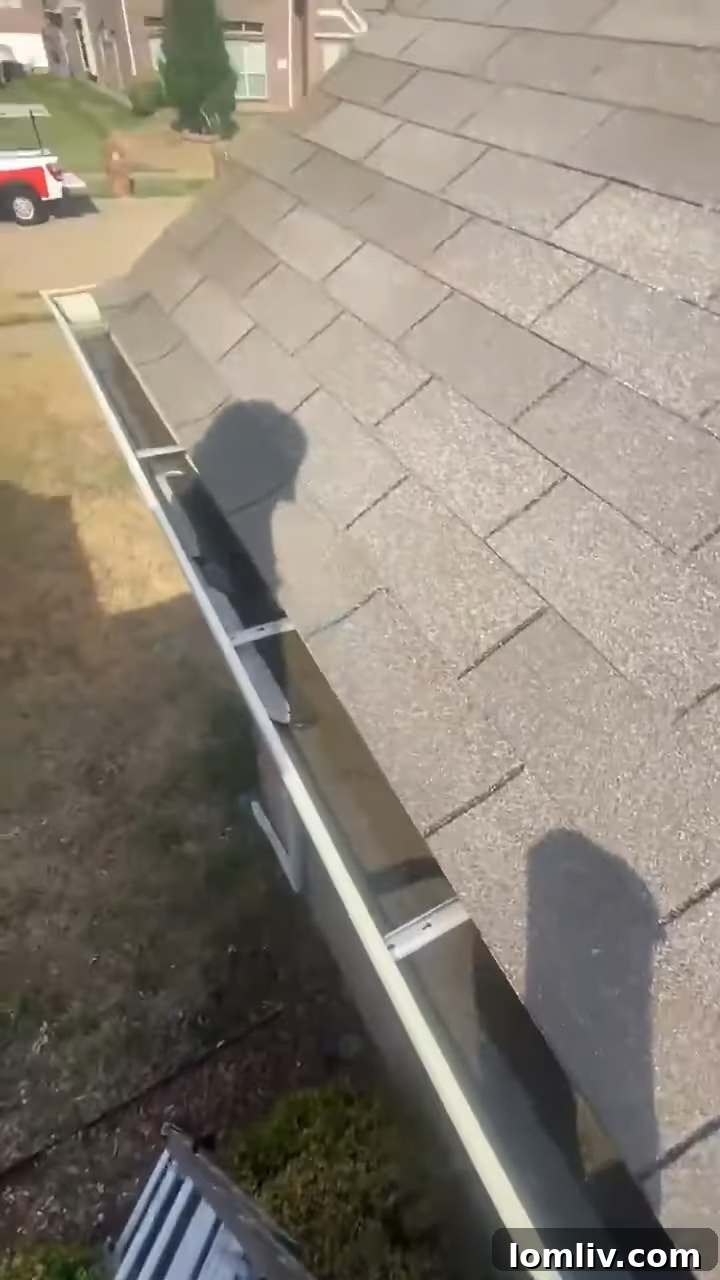
Before winter storms loom on the horizon, a crucial preparatory step is to meticulously clear your gutters and downspouts of all debris. Autumn leaves, twigs, pine needles, and other detritus can quickly accumulate, forming stubborn clogs. These blockages can lead to disastrous consequences when snow and ice begin to melt. Clogged gutters prevent proper water runoff, causing water to back up and potentially freeze within the gutter system itself. This can lead to the formation of ice dams along your roofline, which trap melting snow and force water under shingles, resulting in severe roof damage, attic leaks, and even water infiltration into your home’s walls. Moreover, overflowing gutters can direct water towards your home’s foundation, potentially causing basement flooding or structural damage. Ensure that your gutters are free-flowing and that downspouts direct water away from your foundation to allow melting snow and ice to drain properly and safely, protecting your roof, walls, and foundation from unnecessary strain and damage.
3. Proactive Tree Branch Trimming for Property Safety
A thorough inspection of the trees surrounding your property is a vital preventative measure as winter approaches. Identify and trim any overhanging or dead branches that pose a potential threat to your home, garage, or power lines during a winter storm. The cumulative weight of heavy snow and ice can place immense stress on tree branches, making them brittle and significantly more prone to breaking. A falling branch, especially a large one, can inflict substantial damage to your roof, windows, and even the structural integrity of your house, not to mention the risk it poses to power lines and personal safety. While smaller branches can often be managed with DIY pruning tools, it’s highly recommended to consult with a certified arborist for larger, higher, or complex trimming jobs. Professionals have the expertise and equipment to safely remove hazardous branches without causing further damage to the tree or your property. By proactively addressing these arboreal risks, you can significantly reduce the likelihood of costly property damage and ensure a safer environment around your home during harsh winter weather.
4. Comprehensive Strategies for Pipe Protection
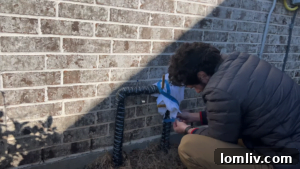
The threat of freezing and bursting pipes during sub-zero temperatures is one of the most common and destructive winter hazards for homeowners. When water freezes, it expands with immense force, easily rupturing pipes made of copper, PVC, or PEX. To prevent this, implement a multi-faceted approach to pipe protection. Start by insulating all exposed pipes, particularly those in unheated areas like basements, crawl spaces, garages, or exterior walls, using readily available foam sleeves or specialized heat tape. For pipes located within cabinets, especially those under sinks against exterior walls, keep cabinet doors open during cold snaps. This allows the warmer indoor air to circulate around the pipes, providing a crucial buffer against freezing. Additionally, consider allowing faucets to drip slowly during extreme cold. A continuous, albeit slight, flow of water helps to relieve pressure within the pipes and makes it more difficult for water to completely freeze solid. For prolonged absences, consider completely draining your plumbing system or maintaining a minimum heat setting in your home. These preventative steps are far less costly and disruptive than dealing with a burst pipe and the subsequent water damage.
5. Seal Windows and Doors for Enhanced Energy Efficiency
Drafty windows and doors are notorious culprits for energy loss and discomfort during winter. They act as unwelcome gateways for frigid outdoor air to seep into your home while allowing costly indoor heat to escape, forcing your heating system to work harder and driving up your utility bills. Before the harshest winter weather sets in, take the time to inspect all your windows and exterior doors for any visible gaps, cracks, or worn seals. Simple yet effective solutions include applying weatherstripping around door and window frames to create a tighter seal. For minor cracks in window panes or around frames, caulk can provide a durable and effective barrier against air leaks. Additionally, consider using temporary window insulation film kits, which create an insulating air pocket and are easily removable in spring. Heavy, insulated curtains or thermal drapes can also add an extra layer of protection against drafts and heat loss. For older, inefficient windows and doors, consider long-term upgrades as an investment in your home’s energy efficiency and comfort. By meticulously sealing these common entry points for cold air, you can significantly improve your home’s warmth, reduce your heating costs, and create a more comfortable living environment throughout the winter.
6. Secure a Reliable Backup Power Source
Winter storms often bring the unwelcome consequence of power outages, which can leave your home without heat, light, and essential appliances for extended periods. Investing in a reliable backup power source is a prudent decision for any homeowner in a storm-prone region. Portable generators are a popular choice, capable of powering critical items such as refrigerators, a few lights, and perhaps a space heater or well pump. For more comprehensive power needs, a standby generator automatically kicks on when power is lost, capable of powering your entire home seamlessly. When using any generator, safety must be your absolute top priority. Generators produce carbon monoxide, a colorless, odorless, and deadly gas. Always operate generators outdoors, far away from windows, doors, and vents to prevent carbon monoxide from entering your home. Ensure proper ventilation, never refuel a hot generator, and keep a sufficient supply of fuel (gasoline, propane, or natural gas) safely stored. Additionally, consider alternative solutions like uninterruptible power supplies (UPS) for critical electronics, or even solar power systems with battery storage for a more sustainable and robust backup solution. Having a backup power plan ensures that essential services remain operational, keeping your family safe and comfortable during unforeseen outages.
7. Assemble a Comprehensive Emergency Kit
Preparation is key, and having a well-stocked emergency kit is non-negotiable for facing the unpredictable nature of winter storms. This kit should be a readily accessible lifeline for your household, providing essential supplies to sustain you through power outages, blocked roads, or even temporary isolation. Your kit should include flashlights and an ample supply of fresh batteries, non-perishable food items that require no cooking, and at least one gallon of water per person per day for several days. Warm blankets, sleeping bags, and extra layers of clothing are vital for staying warm if the heat goes out. A comprehensive first-aid kit is essential for addressing minor injuries or illnesses. Don’t forget a battery-powered or hand-crank radio to receive emergency broadcasts, a fully charged power bank for mobile phones, and any necessary prescription medications. If you have infants, elderly family members, or pets, remember to include their specific needs, such as formula, diapers, specialized foods, or medical supplies. Keep important documents in a waterproof container. Store your emergency kit in an easily accessible location known to all family members, ensuring you’re ready to respond quickly and effectively when a winter storm strikes.
8. Stay Continuously Informed and Connected
In the face of an approaching winter storm, knowledge is power. Staying continuously updated with the latest weather forecasts, advisories, and warnings from reliable sources is paramount for making informed decisions and ensuring your family’s safety. Monitor national weather services like NOAA, local news channels, and reputable weather websites. Pay close attention to any watches (conditions are favorable for a storm), warnings (a storm is imminent or occurring), or evacuation notices issued by local authorities. Understanding the storm’s projected path, intensity, and expected impacts—such as heavy snow, ice, or extreme wind chills—will enable you to take timely and appropriate precautions. Establish a family communication plan, designating an out-of-state contact in case local lines are down, and ensure everyone knows where to meet if separated. Check on elderly neighbors or those who may need assistance, as community solidarity is vital during emergencies. By staying informed, you not only protect your own household but also contribute to the collective safety and resilience of your community during challenging winter weather events like Winter Storm Gerri. Proactive communication and awareness are your best allies.
Protecting your home from the formidable challenges of severe winter weather is an ongoing commitment, not a one-time task. By diligently implementing these comprehensive tips, you are not merely taking preventive measures; you are fortifying your sanctuary against potential damage, costly repairs, and significant disruptions. Remember, being prepared is always preferable to reacting to the aftermath of a winter storm. A proactive approach safeguards your property, ensures the comfort and well-being of your family, and instills a sense of security during the harshest months of the year. Prioritize these preparations, stay vigilant, and ensure your home remains a safe and warm haven throughout the winter season.