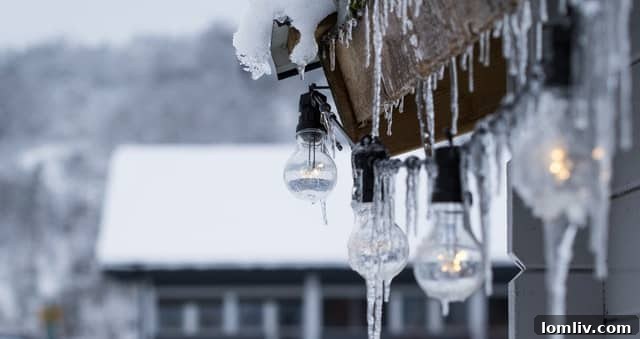
As cooler temperatures begin to settle in, the thought of preparing our homes for winter naturally comes to mind. While the crisp air of autumn is delightful, it also serves as a timely reminder to get our living spaces ready for the colder months ahead. Proactive home winterization isn’t just about comfort; it’s a strategic move to protect your most significant investment, your home, from potential damage, enhance its energy efficiency, and significantly reduce your utility bills.
Many homeowners believe that winterizing their home is a complex and expensive endeavor, often involving professional services or significant renovations. However, this couldn’t be further from the truth. In fact, some of the most impactful winterization steps are surprisingly simple, free, or incredibly low-cost. These actions yield substantial returns, saving you a considerable amount on your home heating bill and preventing potentially thousands of dollars in repairs from winter-related issues like burst pipes or ice dams.
This comprehensive guide will walk you through seven essential, budget-friendly tips designed to fortify your home against the cold. By investing a little time and effort now, you can enjoy a warmer, more comfortable, and significantly more energy-efficient home throughout the winter season. Let’s delve into these actionable strategies that will prepare your house for the coming months and safeguard your wallet.
1. Optimize Your Water Heater for Peak Winter Performance
Your water heater works overtime during winter, so ensuring it operates at maximum efficiency is crucial for both comfort and cost savings. This two-part approach involves crucial maintenance and a simple adjustment.
Flush Out Sediment for Enhanced Efficiency
Over time, mineral deposits and sediment can accumulate at the bottom of your water heater tank. This buildup acts as an insulating layer between the burner and the water, forcing your unit to work harder and longer to heat water to the desired temperature. The result? Decreased efficiency, increased energy consumption, and a higher winter heating bill. Flushing your water heater is a straightforward maintenance task that can dramatically improve its performance and extend its lifespan. Always refer to your water heater’s manual for specific instructions, but generally, the process involves turning off the cold water supply, connecting a hose to the drain valve, and allowing the water to flush out until it runs clear. This simple ritual, ideally performed annually, ensures your heater is ready to tackle the increased demand of winter.
For a visual guide, the video above provides excellent step-by-step instructions on how to properly clean, flush, and drain sediment from a water heater. For additional resources, you might also find this video from This Old House helpful.
Insulate Your Water Heater and Adjust Temperature Settings
Once flushed, consider insulating your water heater. An insulation blanket, readily available at hardware stores or online for around $20-$50, acts as a thermal barrier, preventing heat from escaping the tank into the colder surrounding air. This means your water heater won’t have to cycle as frequently to maintain the water temperature, leading to significant energy savings. When purchasing, always ensure the blanket is flame retardant for safety. Installation is typically easy, often involving simply wrapping it around the tank and securing it.
Finally, a quick and free adjustment: lower your water heater’s thermostat setting. Most manufacturers set the default temperature to 140°F, but for most households, 120°F (often labeled as “warm” or “hot”) is perfectly adequate. Not only does this reduce the risk of scalding, especially for children and the elderly, but it also translates into noticeable daily savings on your energy bill. Every degree you lower the temperature contributes to a more efficient and economical operation.
2. Protect Your Pipes: Averting Catastrophic Water Damage
Few home emergencies are as disruptive and costly as burst pipes. When water freezes, it expands with immense force, and if contained within your home’s plumbing, it can easily rupture pipes. This leads to immediate flooding, severe water damage to floors, walls, and furnishings, and potentially thousands of dollars in cleanup and restoration costs. Preventing this disaster is a paramount winterization task.
Affordable Pipe Insulation is Your Best Defense
The good news is that preventing frozen pipes can be incredibly inexpensive. Pipe insulation, typically in the form of pre-slit foam sleeves, is widely available at hardware stores for just a few dollars. Dedicate a couple of hours to conducting a thorough inspection of your home, focusing on areas where pipes are most vulnerable to cold. This includes unheated spaces like crawlspaces, attics, garages, utility rooms, and basements, particularly those pipes running along exterior walls. Using a pair of scissors, simply cut the insulation to size and wrap it securely around exposed pipes. This insulation acts as a buffer, slowing down the rate at which water inside the pipes loses heat, thereby significantly reducing the risk of freezing.
While insulating cold water lines is important, don’t overlook the hot water lines either, especially those in close proximity to the water heater or running through unheated areas. Insulating these lines will not only prevent freezing but also help maintain water temperature as it travels to your faucets, reducing waiting time for hot water and saving energy.
Additional Prevention Strategies for Extreme Cold
In addition to insulation, consider these extra precautions during periods of extreme cold:
- Drip Faucets: Allowing a slow drip from faucets, particularly those on exterior walls, can relieve pressure in the pipes and help prevent freezing. The moving water is less likely to freeze solid.
- Open Cabinet Doors: For pipes located in cabinets along exterior walls (e.g., under kitchen or bathroom sinks), open the cabinet doors to allow warmer indoor air to circulate around the pipes.
- Disconnect Outdoor Hoses: Before the first deep freeze, disconnect all garden hoses from outdoor spigots. Drain any remaining water from the hoses and spigots. If your spigots aren’t “frost-free” types, consider turning off the water supply to them from inside your home and draining the line.
The embedded video offers more practical advice and visual demonstrations on how to effectively prevent pipes from freezing, further safeguarding your home.
3. Clean Your Gutters: Essential for Roof and Foundation Protection
While often overlooked until a problem arises, clean gutters are fundamental to effective winter home maintenance. A crisp autumn afternoon, perhaps with a touch of warmth still in the air, presents the perfect opportunity to tackle this crucial chore. Clogged gutters and downspouts prevent rainwater and melting snow from draining away from your house properly.
The primary hazard of clogged gutters in winter is the formation of ice dams. When snow on your roof melts due to heat loss from the attic, it trickles down to the colder eaves and gutters. If these are blocked, the water refreezes, creating a ridge of ice—an “ice dam.” This dam traps more melting water behind it, which can then back up under your roof shingles, soak into the roof decking, and eventually leak into your attic, ceilings, and walls. The resulting water damage can be extensive, leading to ruined insulation, stained drywall, mold growth, and compromised structural integrity. Furthermore, overflowing gutters can saturate the ground around your foundation, potentially leading to basement leaks or foundation damage.
To clean your gutters safely, use a sturdy ladder and wear gloves. Remove all leaves, twigs, and debris. Once the bulk of the debris is gone, flush the gutters with a garden hose to ensure water flows freely through the downspouts. Check that downspouts are also clear and directing water at least several feet away from your home’s foundation. This simple, free task goes a long way in preventing thousands of dollars in potential roof, ceiling, and foundation repairs.
4. Reverse Your Ceiling Fan’s Direction: Redistribute Warmth
Here’s a remarkably simple, free, and often overlooked trick to enhance your home’s warmth and reduce heating demand: reverse the direction of your ceiling fans. Most ceiling fans come equipped with a small switch on the motor housing that allows you to change the blade rotation. In summer, fans typically spin counterclockwise, creating a downdraft that generates a cooling breeze. For winter, you want the opposite effect.
By switching the fan to a clockwise rotation, the blades create an updraft, gently pulling cooler air from below and pushing warm air that has risen to the ceiling back down into the living space. This process, known as destratification, helps to evenly distribute heat throughout the room. Since heat naturally rises, the warmest air in a room tends to collect near the ceiling. By circulating this warm air back down, your heating system won’t have to work as hard to maintain the desired temperature, making your home feel warmer and more comfortable without turning up the thermostat. Use your ceiling fans on a low speed during winter to avoid creating a draft, allowing the warm air to circulate subtly and effectively. This small adjustment can contribute to noticeable energy savings and a cozier ambiance.
5. Seal Air Leaks: The Silent Saboteurs of Home Efficiency
One of the most significant yet often invisible culprits behind high heating bills is air leakage. The U.S. Department of Energy estimates that simple air leaks can decrease a home’s energy efficiency by a staggering 5 to 30 percent annually. Think of your home as a giant envelope; for optimal warmth and lowest heating costs, that envelope needs to be sealed tight. Cold drafts not only make your home uncomfortable but also force your furnace to run longer and harder, wasting valuable energy.
Targeting Gaps Around Doors and Windows
Begin your air sealing quest by examining every exterior door. Worn-out weatherstripping is a common culprit. Fortunately, replacing it is an easy and inexpensive DIY project, typically costing just a few dollars at any hardware store. Pay special attention to sliding glass doors, ensuring the seals at the bottom and sides are intact and not allowing cold air infiltration. Similarly, inspect your windows. Cracks or gaps around window frames are prime entry points for drafts. A caulk gun is your best friend here. Apply fresh caulk along both sides of the trim around your windows, sealing any visible cracks or gaps.
Beyond Doors and Windows: A Comprehensive Seal
The hunt for air leaks shouldn’t stop at doors and windows. Other common culprits include:
- Fireplace Dampers: If you have a fireplace, ensure the damper is securely closed when not in use. An open damper is essentially a wide-open chimney to the outdoors, allowing a tremendous amount of warm air to escape.
- Utility Penetrations: Inspect areas where electrical wiring, dryer vents, water pipes, and cable lines penetrate exterior walls. Small gaps around these penetrations can be significant sources of air leakage. Use caulk to seal these openings effectively.
- Attic Hatches: Ensure your attic hatch is properly weatherstripped and insulated. Heat rises, and an unsealed attic hatch can be a major source of heat loss.
- Electrical Outlets and Light Switches: In older homes, outlets and switches on exterior walls can be drafty. Foam gaskets, available cheaply, can be installed behind the cover plates to seal these small but numerous leaks.
- Bathtub and Shower Seals: Finally, don’t forget to re-caulk around your bathtub and shower surrounds. There’s nothing worse than feeling a cold draft when you’re trying to enjoy a warm shower on a chilly morning!
By systematically identifying and sealing these air leaks, you’ll create a noticeably warmer and more energy-efficient home, translating directly into lower heating bills and enhanced comfort.
6. Regular Furnace Filter Changes: The Heart of Your HVAC System
Your furnace’s air filter is its first line of defense, trapping dust, pollen, pet dander, and other airborne particles before they can enter your home’s ductwork and HVAC system. However, a dirty filter becomes a clogged filter, and a clogged filter is detrimental to both your indoor air quality and your furnace’s efficiency. During the colder months when your furnace is running frequently, it’s highly recommended to mark your calendars to change your air filters once per month.
The “why” is simple: a dirty filter restricts airflow. When airflow is reduced, your furnace has to work much harder to push heated air through your home. This increased effort strains the system’s motor, leads to higher energy consumption (and thus higher heating bills), and can even shorten the lifespan of your furnace. A new, clean filter, typically costing around ten dollars, ensures unrestricted airflow, allowing your furnace to operate at peak efficiency, deliver warmer air more effectively, and maintain better indoor air quality.
Choosing the Right Filter and Optimizing Airflow
While disposable fiberglass filters are common, they only trap about 10-40 percent of dust and debris. For long-term savings and significantly cleaner air, consider investing in an electrostatic, washable, permanent filter. These start at around $40 but are reusable for years, trapping a much higher percentage of mold spores, fine dust, pet dander, bacteria, and even viruses. HEPA filters offer the highest level of filtration, capturing an even greater range of microscopic particles, though they may require a stronger HVAC system to maintain proper airflow.
Beyond the filter, ensure your cold air returns and supply vents are unobstructed. Furniture, rugs, or boxes placed over these vents can severely impede airflow, forcing your furnace to work harder and reducing the effectiveness of your heating system. Take a moment to walk through your home and ensure all vents are clear, allowing for optimal air circulation. This simple check, combined with regular filter changes, is fundamental to maintaining a healthy, efficient HVAC system throughout the winter.
7. Invest in a Programmable or Smart Thermostat: Intelligent Heating
After implementing all the physical sealing and maintenance tips, the final layer of optimization comes from how you control your home’s heating. A programmable thermostat is one of the most effective tools for managing energy consumption, offering significant savings with minimal effort. The general rule of thumb is that for every degree you lower your thermostat during winter months, you can save 1-3 percent on your heating bill.
Automated Savings with Programmable Thermostats
A programmable thermostat allows you to set specific temperature schedules for different times of the day and week. For instance, you can program it to automatically lower the temperature while you’re away at work or school, and then raise it back to a comfortable level just before you return. Similarly, you can set a lower temperature for sleeping hours and have it warm up again by morning. This eliminates the need for manual adjustments and ensures you’re not unnecessarily heating an empty house or overheating while you sleep. Basic programmable thermostats start around $20-$30, while slightly higher quality models with more features might range from $50-$100. The good news is that with consistent use, a programmable thermostat can save the average family upwards of $180 per year, making it an investment with a rapid return.
Embrace the Future with Smart Thermostats
Taking it a step further, smart thermostats offer even greater convenience and savings. These Wi-Fi enabled devices can be controlled remotely via your smartphone, allowing you to adjust temperatures from anywhere. Many smart thermostats also boast “learning” capabilities, where they observe your habits and preferences over time and automatically create an optimized heating schedule for you. Some even integrate with home automation systems, offer geofencing (adjusting temperature based on your proximity to home), and provide detailed energy usage reports. While smart thermostats represent a slightly larger initial investment (typically $100-$250), their advanced features and enhanced energy-saving potential often justify the cost, delivering even greater long-term savings and unparalleled control over your home’s climate.
By combining these intelligent heating strategies with a well-sealed and maintained home, you’ll not only enjoy a consistently comfortable environment but also significantly slash your energy consumption and heating expenses throughout the entire winter season.
Preparing your home for winter doesn’t have to be a daunting task or a major financial burden. By focusing on these seven low-cost, high-impact strategies, you can significantly improve your home’s energy efficiency, enhance your family’s comfort, and protect your property from the harsh realities of the colder months. From ensuring your water heater is performing optimally to sealing out sneaky drafts and intelligently managing your thermostat, each step contributes to a warmer, safer, and more economical home. Don’t wait until the first deep freeze hits; take action now to enjoy a cozy, worry-free winter season!