

As the vibrant hues of spring begin to paint our landscapes, bringing with them the promise of warmer weather and lush greenery, homeowners across North Texas prepare for a season of renewed outdoor activity. However, alongside the blossoming flowers and chirping birds, spring also ushers in a unique set of challenges for property maintenance. From rapidly growing vegetation to a surge in pest activity, this season demands a proactive approach to safeguard your home.
At Green Scene Home Inspections, we understand the intricacies of home preservation, and we’re dedicated to empowering Daltxrealestate.com readers with expert insights. Our weekly series, “Upon Closer Inspection,” dives deep into the subtle signs and significant issues that can impact your property. This week, we focus on navigating the seasonal changes of spring, offering essential tips to protect your most valuable asset from common springtime threats.
The beauty of spring often masks potential problems. While we welcome the fresh air and blooming life, it’s crucial to acknowledge the less desirable aspects, such as pollen allergies, increased insect populations, and vigorous plant growth that can quickly become detrimental to your home’s structure and integrity. Our goal is to help you identify these risks early and implement effective preventative measures, ensuring your home remains a safe, sound, and serene haven throughout the spring and beyond.
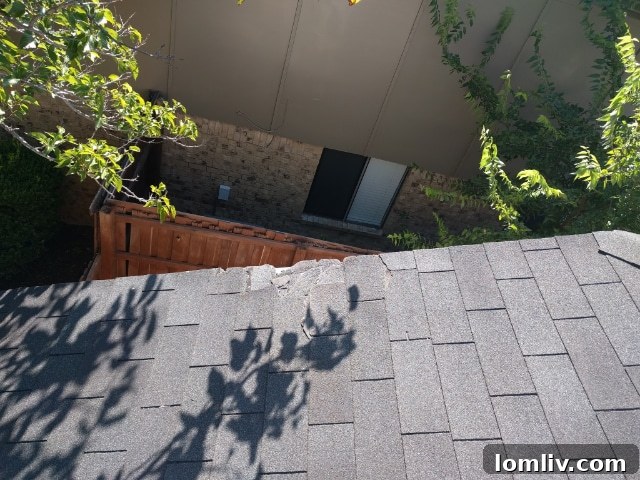
Protecting Your Property: The Critical Role of Vegetation Management
One of the most visually apparent changes in spring is the rapid growth of trees, shrubs, and other foliage. While these additions enhance curb appeal, unchecked vegetation can pose serious threats to your home’s exterior, foundation, and even safety. Proactive trimming and careful landscaping are cornerstones of effective spring home maintenance.
Strategic Tree Trimming: A Shield Against Damage
As your trees fill out with lush green leaves, their branches extend, sometimes encroaching too close to your home. It is absolutely essential to ensure that all tree branches are trimmed back sufficiently from your roof, windows, exterior walls, and especially any overhead power lines. This isn’t just about aesthetics; it’s a critical preventative measure against a multitude of potential damages.
Falling tree branches are notorious culprits in storm damage, capable of puncturing roofs, breaking windows, damaging siding, and clogging or tearing off gutters. Keeping branches a safe distance (ideally 10-15 feet from the roof and at least 3-5 feet from the house structure) minimizes these risks significantly. Furthermore, branches that touch your roof can scrape away protective granules, accelerate shingle deterioration, and create damp spots that encourage mold, mildew, and moss growth. They also provide convenient bridges for pests like squirrels, raccoons, and even wood-destroying insects to gain access to your attic or other vulnerable entry points.
Beyond structural integrity, untrimmed branches near power lines are a severe fire hazard. Contact with electrical lines can cause power outages and, more dangerously, spark fires. For these reasons, it is highly recommended to engage a professional arborist to assess and trim your trees. Arborists possess the expertise, equipment, and safety knowledge to properly prune trees, promoting their health while safeguarding your property and ensuring compliance with local utility regulations. Regular, professional trimming not only protects your home but also enhances the health and longevity of your trees, making them more resilient to severe weather.
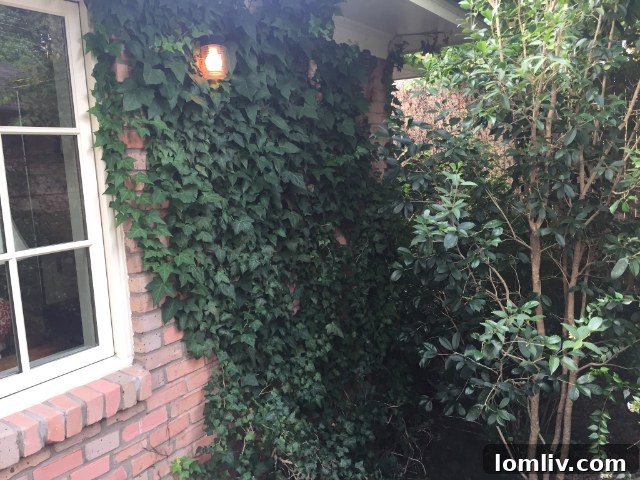
Managing Ground Cover and Climbing Foliage for Foundation Health
Just as overhead branches demand attention, so too does vegetation at ground level. That beautiful climbing ivy adorning your walls might seem picturesque, but it’s often a ticking time bomb for your home. Climbing plants, such as ivy or wisteria, can cause significant damage by rooting into mortar joints, siding, and even foundation cracks, leading to moisture retention, material degradation, and providing ideal hiding spots and access routes for various pests, especially wood-destroying insects.
Such dense foliage creates a direct “path” from the ground into your home’s structure, making it incredibly easy for pests to explore and exploit vulnerabilities. It also traps moisture against your home’s exterior, which can lead to rot in wood siding, peeling paint, and the deterioration of masonry. Additionally, the constant dampness provides an inviting environment for termites and carpenter ants, which thrive in moist conditions.
Similarly, overgrown shrubs and bushes pressed against your home’s foundation can create similar problems. They impede proper ventilation, trap humidity, and obscure any signs of foundational issues or pest activity. A crucial spring maintenance task is to cut back all foliage from your house’s foundation, creating a clear perimeter of at least 6 to 12 inches. This separation allows for proper air circulation, helps the foundation dry out after rain, and makes it much easier to inspect for cracks, water intrusion, or signs of pest infestations.
Regular pruning of shrubs and removal of climbing vines are simple yet highly effective strategies. This not only discourages pest entry but also promotes the overall health of your home’s exterior, ensuring better air circulation and reducing the likelihood of moisture-related damage.
Spring’s Unwanted Guests: Battling Pests and Rodents
With the warming temperatures and increased outdoor activity, spring marks a prime season for various pests to become more active. Homeowners must be vigilant in identifying and addressing potential infestations, especially from wood-destroying insects and rodents, which can cause significant damage and pose health risks.
Swarming Carpenter Ants: A Threat to Wooden Structures
While termites often grab the headlines when discussing wood-destroying insects, carpenter ants are a very common and equally concerning issue, particularly in regions like North Texas. Unlike termites, which consume wood, carpenter ants excavate tunnels and galleries within wooden structures to create nests. They typically target damp or decaying wood, making areas prone to moisture – such as leaky roofs, plumbing leaks, or wood in contact with soil – particularly vulnerable.
Identifying a carpenter ant infestation early is key. One of the most common signs, especially in spring, is the presence of winged swarmers. These are reproductive ants that emerge from mature colonies to establish new ones. While they may resemble winged termites, carpenter ants have distinct differences: a constricted waist, bent antennae, and hind wings shorter than their front wings. Other signs include small piles of sawdust-like material (frass) which is wood shavings and insect parts, faint rustling sounds within walls, or the sighting of large, black ants (worker ants) foraging around your home.
Though not as rapidly destructive as termites, carpenter ants can cause significant structural damage over time as they tunnel through beams, joists, and other wooden components. Beyond property damage, these insects can be a persistent nuisance, and their bites, while not venomous, can be painful. Prevention involves eliminating moisture sources, repairing leaky pipes, ensuring proper drainage, and sealing cracks and openings in your home’s foundation and exterior. If an infestation is suspected, professional pest control is crucial to locate and eradicate the colony, which can often be hidden deep within walls or insulation.
Beyond Ants: The Persistent Threat of Termites
While carpenter ants are a major concern, it’s also vital to briefly acknowledge their more destructive counterparts: termites. In North Texas, subterranean termites are particularly prevalent, and they can cause extensive damage without immediate visible signs. Unlike carpenter ants that tunnel through wood, termites actually consume cellulose, hollowing out wood from the inside. Key indicators of termite activity include mud tubes on foundations or walls, discarded wings near windows or doors, and damaged wood that sounds hollow when tapped. Any suspicion of termite activity warrants immediate professional inspection and treatment, as their silent destruction can quickly compromise a home’s structural integrity.
Look For Signs of Rodents: Mice and Rats Don’t Disappear with Winter
While the cold months typically drive rodents indoors in search of warmth and food, spring doesn’t necessarily signal the end of your battle against them. Many homeowners experience mice and rats year-round, and spring can sometimes lead to an increase in activity as young rodents disperse from existing nests, seeking out new shelter and food sources. These unwelcome guests are not merely an annoyance; they pose significant health risks and can cause considerable property damage.
Rodents gnaw on almost anything, including electrical wires, which can create serious fire hazards. They also contaminate food and surfaces with their droppings and urine, spreading diseases such as Hantavirus, Salmonella, and Leptospirosis. In your home, they can chew through insulation, create nests in wall voids, attics, and basements, and compromise the structural integrity of various components.
A typical example of neglect is seen in the video below, illustrating a garage that hasn’t been well-maintained, potentially leading to a major rodent infestation. This scenario highlights the importance of regular inspections.
As a crucial part of your spring home maintenance routine, thoroughly inspect your attic, garage, crawl spaces, and any storage areas for evidence of rodent infestation. Look for tell-tale signs such as droppings (small, dark pellets), gnaw marks on wood, wires, or food packaging, scratching or scurrying noises in walls or ceilings (especially at night), greasy rub marks along baseboards, and actual sightings of rodents. Nests, often made of shredded paper, fabric, or insulation, are another clear indicator.
If you discover any signs of rodent activity, immediate action is paramount. Contact professional pest control services. Experts can accurately identify the type of rodent, locate all entry points into your home (which can be as small as a quarter-inch for mice), and implement effective eradication strategies. Following treatment, it’s vital to seal all identified entry points using durable materials like steel wool, caulk, and metal mesh to prevent future invasions. Additionally, ensure proper food storage in sealed containers, maintain cleanliness, and manage outdoor trash effectively to eliminate attractants. Prompt action and ongoing vigilance are key to keeping your home rodent-free.
Beyond Pests: Your Essential Spring Home Inspection Checklist
While pest and vegetation management are critical, spring is an opportune time to conduct a comprehensive home inspection to address other potential issues that may have arisen over winter or require seasonal attention. A thorough checklist ensures every aspect of your home’s health is considered:
- Roof and Gutters: Clean out gutters and downspouts of any accumulated debris from fall and winter. Inspect your roof for missing, cracked, or damaged shingles. Check flashing around chimneys and vents. Ensure downspouts direct water away from the foundation.
- Foundation and Drainage: Walk around your home’s foundation, looking for cracks, signs of water pooling, or erosion. Verify that the ground slopes away from your house to promote proper drainage and prevent water intrusion.
- Exterior Walls and Siding: Inspect all exterior walls for cracks, peeling paint, or damaged siding. Check caulking around windows and doors, repairing any gaps to prevent moisture intrusion and air leaks.
- Windows and Doors: Test all windows and doors for proper sealing and operation. Repair or replace torn window screens and ensure weatherstripping is intact to maintain energy efficiency.
- HVAC System: Replace your HVAC air filters. Consider scheduling a professional tune-up for your air conditioning unit before the summer heat arrives, ensuring it operates efficiently.
- Decks, Patios, and Driveways: Inspect outdoor living spaces for loose boards, structural integrity issues, or cracks. Clean and reseal wood decks as needed to protect against moisture and UV damage. Look for cracks or potholes in driveways and walkways.
- Plumbing and Irrigation: Turn on exterior water faucets and inspect for leaks. Prepare your irrigation system for summer, checking for broken sprinkler heads or leaks.
Embrace Spring with Confidence: Your Home, Protected
Spring is a season of renewal, and it’s the perfect time to renew your commitment to your home’s health and longevity. By taking a proactive approach to tree and foliage management, diligently checking for signs of pest and rodent infestations, and conducting a thorough overall inspection, you can prevent minor issues from escalating into costly problems.
Remember, a well-maintained home is not just about aesthetics; it’s about protecting your investment, ensuring the safety of your loved ones, and creating a comfortable living environment. The insights provided by Green Scene Home Inspections are designed to equip you with the knowledge needed to tackle these seasonal challenges head-on.
Don’t let the beauty of spring distract you from its potential pitfalls. Embrace the season with confidence, knowing you’ve taken the necessary steps to safeguard your property. If you ever have doubts or need a deeper understanding of your home’s condition, our experts at Green Scene Home Inspections are always ready to provide the thorough, detailed analysis you need to make informed decisions. Stay vigilant, stay proactive, and enjoy a worry-free spring in your protected home.