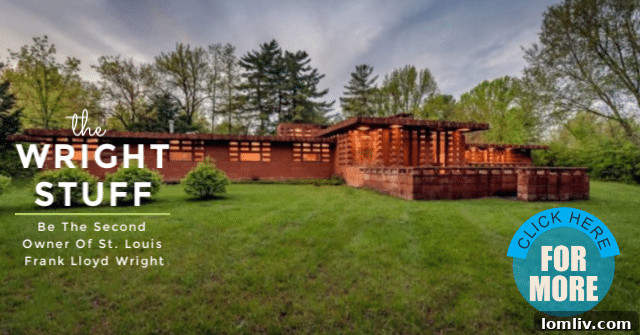
Frank Lloyd Wright’s Pappas House: A Usonian Masterpiece Awaits Its Next Steward in St. Louis
A Rare Opportunity: Owning a Piece of Architectural History
In the annals of American architecture, few names resonate with as much reverence and innovation as Frank Lloyd Wright. His groundbreaking vision reshaped the landscape of modern design, advocating for an organic architecture that harmonized with its natural surroundings and served the practical needs of its inhabitants. Among his prolific body of work, a unique category stands out: the Usonian homes. These were Wright’s answer to affordable, high-quality housing for the average American family, characterized by open layouts, natural materials, and an intimate connection to the outdoors. It is with great excitement that one of these rare gems, the Pappas House in St. Louis, Missouri, now finds itself on the market for the first time in its history, awaiting its second owner. This presents an unparalleled opportunity for a discerning buyer to become the custodian of a true American architectural icon.
Frank Lloyd Wright’s Vision: The Usonian Ideal
To truly appreciate the significance of the Pappas House, one must first understand the revolutionary concept behind Wright’s Usonian architecture. Coined from “U.S.A.,” Usonian homes were a synthesis of Wright’s principles of organic architecture adapted for middle-income families during the mid-20th century. Departing from the grand Prairie Style homes of his earlier career, Wright envisioned Usonian homes as simple, elegant, and functional dwellings that democratized good design.
Key characteristics of Usonian homes include:
- Open Floor Plans: Eliminating formal dining rooms and integrating living spaces to foster family interaction.
- Natural Materials: Extensive use of wood, brick, and local stone, often left in their natural state.
- Integration with Nature: Large windows, cantilevered eaves, and strategically placed patios blurring the lines between indoor and outdoor environments.
- Flat Roofs and Overhangs: Providing shade and defining spatial elements.
- Radiant Floor Heating: A pioneering innovation for comfort and efficiency.
- Carports: A more practical and less formal alternative to traditional garages.
- Built-in Furniture: Maximizing space and creating a cohesive aesthetic.
Wright believed that a home should be a sanctuary, a work of art that enhanced the lives of its inhabitants, rather than merely a shelter. The Usonian homes, with their modest yet profound elegance, encapsulate this philosophy, making them some of the most sought-after and influential designs in modern architectural history.
The Pappas House: An Embodiment of Usonian Principles
A Home Built for Life: The Original Commission
Theodoros and Bette Pappas commissioned Frank Lloyd Wright to design their St. Louis home in 1955. Wright, ever meticulous and deeply involved in his projects, worked closely with the couple to ensure the house perfectly suited their needs and the unique characteristics of their wooded lot. Completed in 1964, just five years after Wright’s passing, the Pappas House stands as one of his later masterpieces, a testament to his enduring genius and commitment to his Usonian vision. The Pappases remained the sole occupants, meticulously preserving the home and its original features for nearly six decades, a rarity for any architectural work of this caliber.
Architectural Marvels and Distinctive Features
The Pappas House is a prime example of Wright’s Usonian principles brought to life. Spanning approximately 2,300 square feet, the home features a striking composition of red tidewater cypress, brick, and textured concrete blocks. These materials, chosen for their organic qualities and durability, contribute to the home’s warm and inviting atmosphere. The iconic rhombus and diamond motifs, a recurring geometric theme in many of Wright’s later works, are subtly integrated throughout the design, from the window patterns to the built-in cabinetry, creating a cohesive and visually rich experience.
Upon entering, one is immediately struck by the expansive, open-plan living and dining areas, characteristic of Usonian design. Floor-to-ceiling windows and glass doors frame breathtaking views of the surrounding natural landscape, inviting the outdoors in and fostering a sense of tranquility. The home’s low-slung profile and broad cantilevered eaves extend into the environment, offering both shade and an architectural embrace of the mature trees and verdant foliage.
The interior boasts Wright’s signature built-in furniture, from seating arrangements to shelving units, all designed to seamlessly integrate with the structure and maximize functionality. A central fireplace, often the heart of a Wright home, anchors the living space, providing warmth and a focal point for gatherings. The kitchen, while compact, is thoughtfully designed for efficiency, maintaining the simplicity and elegance that defines the Usonian ideal. The private quarters, including three bedrooms and two bathrooms, continue the theme of thoughtful design and natural light, providing comfortable and serene retreats. Every detail, from the carefully chosen hardware to the strategic placement of lighting, reflects Wright’s holistic approach to design.
A Legacy of Stewardship: The Pappas Family’s Dedication
What makes the sale of the Pappas House particularly extraordinary is its history of single ownership. Theodoros and Bette Pappas not only commissioned this architectural marvel but also devoted their lives to its preservation. For nearly 60 years, they maintained the home with an unwavering commitment to Wright’s original vision, ensuring that every detail remained true to its inception. This level of dedication is exceedingly rare for private residences of such historical importance. The house has served not just as a dwelling but as a living museum, a testament to the family’s profound respect for Wright’s legacy. Their meticulous care has ensured that the next owner will inherit a home in remarkably original condition, offering an authentic experience of Wright’s genius.
St. Louis: A Fitting Backdrop
St. Louis, a city rich in history and architectural diversity, provides an ideal setting for the Pappas House. Known for its iconic Gateway Arch and a blend of historic and modern structures, St. Louis offers a vibrant cultural scene and a community that appreciates art and design. The home’s secluded, wooded lot offers a private oasis within reach of the city’s amenities, allowing its residents to enjoy both the tranquility of nature and the conveniences of urban living. The presence of such a significant Frank Lloyd Wright property further enhances St. Louis’s architectural heritage, drawing admirers and scholars from around the globe.
The Opportunity of a Lifetime: A New Chapter Begins
The emergence of the Pappas House onto the market is more than just a real estate transaction; it’s a pivotal moment for architectural preservation and a truly once-in-a-generation opportunity. Owning a Frank Lloyd Wright home comes with a unique set of responsibilities and rewards. It demands a commitment to understanding and preserving the architect’s intent, often requiring specific maintenance and care to uphold its historical integrity. However, the rewards are immeasurable: the daily experience of living within a work of art, the connection to a significant piece of American history, and the pride of being a steward of an architectural masterpiece.
The ideal buyer for the Pappas House is not merely seeking a residence; they are seeking a legacy. They are likely an architecture connoisseur, a history enthusiast, or someone deeply passionate about design and preservation. This is an individual who understands the intrinsic value of living in a home where every line, every material, and every space was meticulously conceived by one of the greatest architects of all time. It is an opportunity to immerse oneself in organic architecture, to experience firsthand the harmonious relationship between structure and nature that Wright so passionately advocated.
Preserving Architectural Heritage for Future Generations
The sale of homes like the Pappas House underscores the critical importance of preserving significant modern architecture. Unlike older historical structures, mid-century modern homes sometimes face demolition or insensitive renovations due to a lack of understanding of their architectural value. Organizations like the Frank Lloyd Wright Conservancy tirelessly work to protect these irreplaceable structures, ensuring they endure for future generations to study and appreciate. The next owner of the Pappas House will play a vital role in this ongoing narrative, continuing the legacy of thoughtful stewardship that the Pappas family so admirably began. By embracing this responsibility, they will not only safeguard a personal residence but also contribute to the broader cultural and architectural heritage of the United States. Wright’s enduring influence on design continues to inspire, and homes like the Pappas House serve as tangible lessons in innovation, beauty, and sustainable living.
An Invitation to History
The Frank Lloyd Wright Pappas House is more than just a home; it is a profound statement, a living sculpture, and a testament to one man’s revolutionary vision. For those who understand and cherish the profound impact of architecture, this offering represents an extraordinary invitation to step into history and become part of a lineage of custodians dedicated to preserving an American treasure. As it awaits its second owner, the Pappas House stands ready to offer a unique and inspiring living experience, promising a future as rich and celebrated as its past.