Unveiling Your Home’s Hidden Past: The Truth About Deaths on Your Property
The dream of homeownership often comes with extensive research, inspections, and financial planning. Yet, for many prospective buyers, a crucial piece of information remains stubbornly elusive: has anyone died in this house? The very thought can send shivers down one’s spine, but the legal landscape surrounding such disclosures is surprisingly varied and often leaves buyers in the dark.
The Problem with Property Disclosure Laws: A Buyer’s Quandary
Imagine purchasing your dream home, only to discover weeks or months later that a tragic event unfolded within its walls – a natural death, a suicide, or even a murder. This unsettling reality is far more common than many realize, and the laws governing such disclosures vary dramatically from state to state, leaving a patchwork of protection for homebuyers across the United States. For instance, if you’re selling a home in California, you’re legally required to disclose whether anyone died on the property within the last three years. This offers a degree of transparency that provides peace of mind or, at the very least, informed consent. In contrast, states like Texas have much more lenient regulations, often leaving it up to the buyer to uncover such sensitive details.
A Tale of Discovery: Ron Condrey’s Personal Journey
This exact scenario played out for Ron Condrey, a South Carolina resident and software engineer. After he purchased a property, he later discovered that someone had died within its confines prior to his ownership. This personal revelation sparked a profound curiosity and concern within him. He began to wonder just how many homes harbored such hidden histories and why this information wasn’t readily available.
“I assumed it was part of the disclosure process,” Condrey said in a poignant story. “But unfortunately, I found out that it was not. I discovered that most states do not have any laws to disclose a death occurrence in a property, no matter how it occurred – be it murder, suicide, accident, illness, or natural causes.”
Condrey’s investigation further revealed another significant hurdle for anyone seeking this information: “What I also discovered is that there is not a single place to go, and the research is very time-consuming.” This lack of a centralized, accessible database meant that buyers were left with the onerous task of digging through various public records, news archives, and local lore, often with limited success.
The Vexing Landscape of Property Disclosure Laws
The discrepancy in disclosure laws highlights a fundamental tension between a seller’s desire for a smooth transaction and a buyer’s right to know. Many states operate under the principle of “caveat emptor,” or “buyer beware,” placing the onus on the purchaser to perform their due diligence. While real estate agents are typically required to disclose material facts that could affect the value or desirability of a property, the definition of “material fact” often excludes deaths or other non-physical stigmas, depending on local statutes.
State-by-State Discrepancies: Why Transparency Varies
The reasons behind these varying laws are complex. Some argue for seller privacy and the potential emotional distress for families involved, especially in cases of natural death. Others contend that any event that could psychologically impact a property’s perceived value should be disclosed. The legal frameworks are further complicated by the passage of time; a death that occurred decades ago may not carry the same legal disclosure requirements as a recent one. This ambiguity leaves many buyers feeling vulnerable and uninformed, particularly when considering the emotional and psychological impact that living in a “stigmatized” property can have.
The Ethical Dilemma and Property Stigma
Beyond the legal mandates, an ethical debate persists. Should sellers be morally obligated to disclose such sensitive information, even if not legally required? The psychological impact of a property can significantly influence its desirability and market value. A house known for a violent crime, for example, might be perceived as unsettling or even haunted by some, potentially leading to a decrease in its market value or difficulty in resale. These properties are often termed “stigmatized properties” or “psychologically impacted properties,” and their market performance can be unpredictable.
The lack of a unified national standard means that a buyer moving from California to New York, or vice versa, might encounter vastly different disclosure expectations, creating confusion and potential disappointment.
DiedinHouse.com: A Beacon of Transparency for Homebuyers
Inspired by his frustrating personal experience and the glaring information gap, Ron Condrey was spurred to create a solution. He founded DiedinHouse.com, a pioneering website designed to empower homebuyers and curious homeowners alike. This innovative platform promises to instantly search millions of public records to determine if a death has occurred at a provided address. Condrey’s extensive research indicates that at least 4.5 million homes across the United States have documented deaths on their premises. DiedinHouse.com brings this previously inaccessible information directly to your fingertips, transforming a laborious research process into a simple online query.
How DiedinHouse.com Unearths Hidden Histories
DiedinHouse.com leverages a vast network of public records to compile its reports. While the exact methodology is proprietary, it likely involves cross-referencing death certificates, obituaries, news archives, and other publicly available data tied to specific addresses. This sophisticated approach allows the service to provide comprehensive historical data that would be incredibly challenging, if not impossible, for an individual to gather on their own.
For a modest fee of $12, a DiedinHouse.com report provides a wealth of critical information, offering unparalleled transparency:
- Has a death occurred? The fundamental question answered definitively.
- Who died at that house? Providing names helps in further verification or understanding.
- When did the person die? Establishing a timeline of events.
- What was the cause of death? From natural causes to more traumatic events, this detail offers crucial context.
- List of Names Associated to the Address: Beyond just the deceased, knowing previous occupants can be insightful.
- Vitality Status of Previous Residents: Helps confirm if individuals listed as previous residents are still living or deceased.
- Additional information about the death: Any supplementary details uncovered during the research.
- Reported Meth activity, including labs, “dumpsites” or “chemical and glassware” seizures: A critical safety and health disclosure often overlooked.
- Reported Fire Incidents Related to the Address: Providing insight into property stability and potential damage history.
More Than Just Deaths: Comprehensive Property Insights
What sets DiedinHouse.com apart is its commitment to providing a holistic view of a property’s history, extending beyond just fatalities. The inclusion of information on reported meth activity and fire incidents adds significant value for any prospective buyer. Meth labs, even after being dismantled, can leave behind dangerous chemical residues that pose serious health risks. Similarly, a history of fire incidents, even minor ones, could indicate underlying structural or electrical issues that a standard home inspection might miss. By integrating these crucial data points, DiedinHouse.com offers a more comprehensive “due diligence” tool, addressing both the psychological and physical safety concerns associated with a property.
The Value of Due Diligence in Real Estate
In the highly competitive real estate market, knowledge is power. While many might view checking for deaths as morbid curiosity, it is, in fact, an essential component of comprehensive due diligence. A Forbes report found that DiedinHouse.com reports are quite accurate, lending significant credibility to the service. This accuracy underscores the platform’s reliability as a resource for informed decision-making.
While many in my personal circle might hesitate to spend money to uncover such potentially unsettling information about their homes, the widespread adoption of the service speaks volumes about its utility and necessity. Condrey proudly notes that DiedinHouse.com has sold more than 40,000 reports to date, and with an upcoming site redesign, he anticipates a significant boost in sales. This growing demand indicates a fundamental shift in how buyers approach property acquisition, favoring transparency and comprehensive information over blind trust.
Ensuring Peace of Mind: What a DiedinHouse Report Offers
For those skeptical about the legitimacy of such a service, Condrey offers a clear and reassuring explanation: “It’s a legitimate site. A DiedinHouse report is not a one-stop shop. It’s due diligence. You should still ask your agent and talk to neighbors.” This perspective is crucial. The report serves as a foundational tool, providing verified data that can then inform further conversations with real estate professionals and local community members. It equips buyers with specific questions to ask, transforming vague anxieties into targeted inquiries. This proactive approach not only provides peace of mind but also protects against unforeseen emotional and financial complications down the line.
The Evolving Demand for Property Transparency
The rise of services like DiedinHouse.com reflects a broader trend towards greater transparency in consumer transactions, particularly in high-value purchases like real estate. As information becomes more accessible, consumers expect to have all relevant data at their disposal before making significant commitments. The days of solely relying on limited disclosures and word-of-mouth are slowly fading, replaced by a demand for verifiable, data-driven insights.
Beyond the Sale: Impact on Homeowners and Future Trends
The implications of this transparency extend beyond just the point of sale. Current homeowners, too, might find value in understanding their property’s history, whether for personal curiosity, to prepare for a future sale, or to address any lingering concerns. The ongoing debate surrounding property stigmatization and disclosure laws will likely continue to evolve. It’s conceivable that, in the future, more states may adopt stricter disclosure requirements, pushed by consumer demand and a growing recognition of the psychological and financial impacts of undisclosed property histories. Services like DiedinHouse.com are not just filling a void; they are actively shaping expectations for what constitutes thorough due diligence in the modern real estate market.
Conclusion: Empowering Buyers with Essential Information
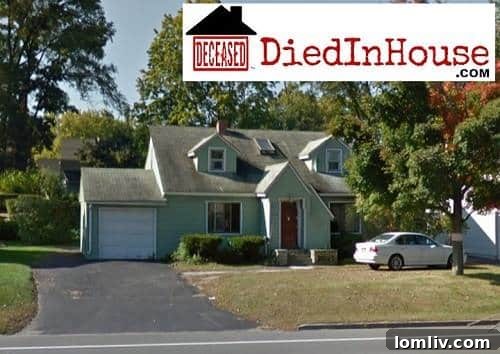
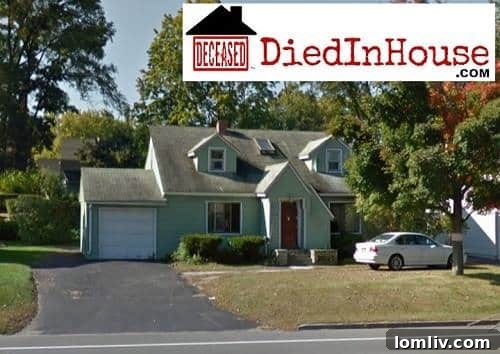
From the tragic, unsolved murders in that Albany, NY home, which sellers are not legally obligated to disclose, to the myriad of other homes across the country with hidden pasts, the need for property transparency is undeniable. Ron Condrey’s journey from a frustrated homebuyer to the founder of DiedinHouse.com exemplifies the power of innovation in addressing critical consumer needs. By providing an accessible, accurate, and comprehensive way to uncover a property’s hidden history, DiedinHouse.com empowers buyers to make truly informed decisions, ensuring not just a sound financial investment, but also a home that offers peace of mind.