Celebrating Architectural Innovation: The Aga Khan Award for Architecture Comes to Dallas
The Dallas Architecture Forum is set to inaugurate its landmark twentieth-anniversary season with an event of unparalleled global significance. Next week, the city of Dallas will play host to an insightful lecture delving into the prestigious Aga Khan Award for Architecture (AKAA), offering a unique opportunity for enthusiasts and professionals alike to explore the cutting edge of culturally sensitive and impactful architectural design.
Understanding the Aga Khan Award for Architecture: A Beacon of Global Design Excellence

Established in 1977 by His Highness the Aga Khan IV, the Aga Khan Award for Architecture stands distinct among international architectural prizes. Awarded every three years, it recognizes exemplary architectural projects that not only demonstrate design excellence but also profoundly address the needs and aspirations of societies where Muslims have a significant presence. This unique focus extends beyond aesthetics, encompassing comprehensive criteria such as environmental considerations, local resource utilization, community impact, and the potential for inspiration and replication.
The award’s mission is deeply rooted in fostering a deeper understanding and appreciation of Islamic culture’s rich architectural heritage while encouraging innovative contemporary design solutions. It seeks to identify and promote building concepts that successfully navigate the complex challenges of modern development, urbanization, and cultural identity. The categories for recognition are broad, ranging from contemporary design and social housing to community development, historic preservation, and landscape architecture. This holistic approach ensures that the AKAA celebrates projects that truly enhance the overall quality of life and contribute positively to their environments.
Unlike many awards that primarily honor individual architects, the Aga Khan Award for Architecture takes a broader view. It celebrates the entire ecosystem of contributors vital to a project’s success, including clients, builders, master craftsmen, engineers, and even municipalities. This inclusive recognition underscores the collaborative nature of monumental architectural achievements and highlights the collective effort required to bring transformative visions to fruition. With a substantial grand prize of $1 million, the award not only provides significant financial support but also bestows immense prestige, elevating the profiles of both established firms and emerging talents on the global stage.
Global Recognition: The 2016 Cycle Winners
The winners of the most recent triennial competition have been announced, showcasing a diverse range of projects from around the globe. These laureates represent the pinnacle of architectural innovation and social responsibility, featuring contributions from world-renowned firms like Zaha Hadid Architects and BIG Architects, alongside projects by visionary rising talents from various countries. The winning sites span continents, located in culturally rich and diverse locales such as China, Bangladesh, Iran, Lebanon, and Denmark, each telling a unique story of architectural ingenuity and societal impact.
To illuminate the profound significance of these projects and the philosophy behind the award, Shiraz Allibhai, the esteemed International Deputy Director of the Aga Khan Trust for Culture, will journey from Geneva, Switzerland, to deliver this highly anticipated presentation in Dallas. Allibhai’s deep expertise and intimate knowledge of the award’s intricate selection process and its global impact promise to make for an exceptionally enlightening evening.
The Dallas Event: A Gateway to Global Insights
This remarkable lecture is scheduled for Monday, October 24, commencing at 7 p.m. It will take place in the elegant Horchow Auditorium, situated within the iconic Dallas Museum of Art, located at 1717 N. Harwood St. Attendees are invited to arrive early for a pre-lecture reception, which begins at 6:15 p.m. in the museum’s spacious atrium. This reception offers a wonderful opportunity for networking and an initial immersion into the world of the AKAA.
In a testament to the Dallas Architecture Forum’s commitment to community engagement and cultural outreach, this event will be entirely free and open to the public. No prior reservations are needed, making it accessible to anyone with an interest in architecture, urban planning, and global cultural development. During the pre-lecture reception and immediately following the main presentation, oversized panels showcasing the six winning projects, along with 13 additional shortlisted projects, will be on display. This exhibition will provide a visual feast, offering detailed insights into the innovative designs and the stories behind them, allowing attendees to explore the projects up close and grasp their profound implications.
A Spotlight on the 2016 Laureates
The 2016 cycle of the Aga Khan Award for Architecture recognized six projects that truly embody its spirit of excellence and social responsibility. Each project stands as a testament to how thoughtful design can transform communities and enhance lives:
-
Bait Ur Rouf Mosque, Dhaka, Bangladesh
Architect: Marina Tabassum. This exquisite mosque in urban Dhaka was chosen for its masterful use of natural light, which filters through the building to create a serene and spiritual atmosphere. Beyond its aesthetic beauty, the mosque serves as a vital refuge for spirituality, offering a tranquil space for reflection amidst the bustling city. Its innovative design reinterprets traditional mosque architecture while remaining deeply rooted in its cultural context.
-
Friendship Centre, Gaibandha, Bangladesh
Architect: Kashef Chowdhury / URBANA. Located in a rural area prone to devastating floods, this community center brilliantly turns a challenging environmental context into a design virtue. Constructed with local materials and techniques, the Friendship Centre provides essential facilities, including training rooms and a library, within a series of earth mounds that protect it from rising waters. It’s a powerful example of resilient architecture serving community needs.
-
Hutong Children’s Library and Art Centre, Beijing, China
Architect: ZAO / standard architecture / Zhang Ke. Nestled within Beijing’s historic hutongs (traditional courtyard residences), this children’s library is celebrated for its sensitive integration into the existing urban fabric. It revitalizes a traditional typology, offering a vibrant, contemporary space for children’s education and artistic expression. The project demonstrates how modern architectural interventions can respect and enhance historical contexts, fostering a sense of continuity and renewal.
-
Superkilen, Copenhagen, Denmark
Architects: BIG – Bjarke Ingels Group, Topotek 1 and Superflex. More than just a public park, Superkilen is a groundbreaking urban space designed to foster integration across diverse ethnic, religious, and cultural lines within a vibrant neighborhood. This ambitious project gathers objects and elements from over 50 different countries, creating a truly global public realm that encourages interaction, play, and understanding among its varied users. It is a powerful statement on urban multiculturalism.
-
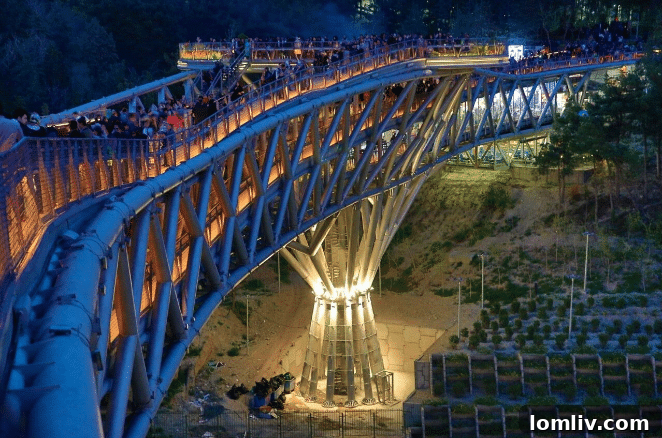
Tabiat Pedestrian Bridge, Tehran, Iran
Architect: Diba Tensile Architecture / Leila Araghian, Alireza Behzadi. This multi-level pedestrian bridge gracefully spans a busy motorway, connecting two public parks that were previously separated. Far more than a mere crossing, the Tabiat Bridge has transformed into a dynamic new urban space – a place for strolling, gathering, and enjoying panoramic views of Tehran and the Alborz Mountains. Its sculptural form and intricate design have made it an iconic landmark and a beloved public amenity.
-
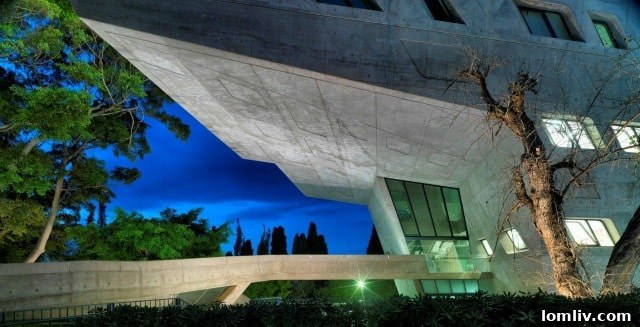
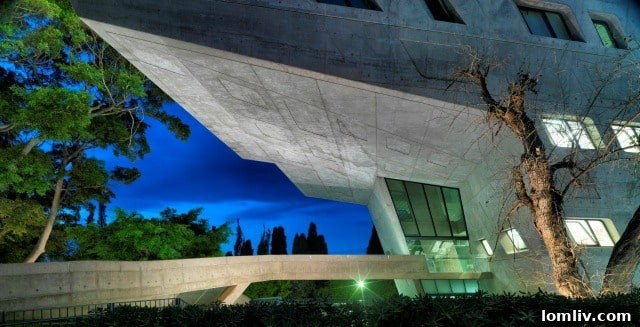
Issam Fares Institute for Public Policy and International Affairs, Beirut, Lebanon
Architect: Zaha Hadid Architects. Situated on the historic campus of the American University of Beirut, this building for the Issam Fares Institute showcases Zaha Hadid’s distinctive architectural language while respecting its traditional context. The institute’s radical composition, with its cantilevered forms and innovative use of concrete, creates striking new public spaces and pathways, seamlessly integrating into the sloping terrain. It exemplifies how contemporary design can complement and enrich a historic academic setting.
Engage with Global Architectural Dialogue
The Dallas Architecture Forum’s twentieth-anniversary season promises to be a celebratory and intellectually stimulating year, and this inaugural lecture on the Aga Khan Award for Architecture sets an exceptionally high bar. It provides an invaluable opportunity for the Dallas community to engage with critical global architectural trends and philosophies, fostering a deeper appreciation for design that transcends boundaries and uplifts humanity.
For additional details regarding the Dallas Architecture Forum and its upcoming programs, please visit their official website at dallasarchitectureforum.org or contact them directly at 214-764-2406. Don’t miss this chance to be inspired by architecture that truly makes a difference.