
Managing an industrial facility, whether it’s a bustling factory, a sprawling warehouse, or a specialized manufacturing plant, is a complex undertaking that extends far beyond daily production targets. It involves a delicate balance of maintaining critical equipment, adhering to stringent safety and environmental regulations, optimizing operational costs, managing tenant relationships, and safeguarding the long-term value of a significant asset. For many owners, navigating these multifaceted responsibilities can be overwhelming, diverting focus from core business objectives. This is precisely why a seasoned industrial property management team becomes an indispensable partner. They bring specialized expertise, strategic oversight, and proactive solutions that contribute significantly to a facility’s efficiency, compliance, and profitability. Here’s an in-depth look at the invaluable contributions of professional industrial property managers and why their role is more crucial than ever in today’s competitive landscape.
1. Preventive Maintenance Reduces Costly Downtime and Extends Asset Life

In an industrial environment, the smooth, uninterrupted operation of machinery and infrastructure is paramount. Any unplanned downtime can result in significant financial losses, missed production quotas, and damaged client relationships. Professional property managers are experts in implementing robust preventive and predictive maintenance strategies that drastically reduce these risks. They oversee the scheduled upkeep of all critical industrial systems, including HVAC, electrical grids, plumbing, roofing, specialized manufacturing equipment, and loading dock apparatus.
This proactive approach involves more than just routine checks. Many managers leverage advanced computerized maintenance management systems (CMMS) to meticulously track service intervals, monitor equipment performance metrics, and anticipate potential failures before they occur. For example, a CMMS might flag a conveyer motor showing early signs of wear, prompting a scheduled replacement of a $300 bearing. Ignoring this could lead to catastrophic motor failure, resulting in thousands of dollars in emergency repairs, lost production time, and potentially delayed shipments. By identifying and addressing minor issues early, industrial property managers not only prevent expensive breakdowns but also extend the operational lifespan of high-value assets, ensuring greater reliability and efficiency for the factory owner. Their deep understanding of industrial infrastructure and vendor relationships allows for optimized maintenance schedules, cost-effective repairs, and the strategic planning of upgrades that enhance overall facility resilience.
2. Safety and Compliance Are Proactively Managed for Risk Mitigation

Industrial facilities are subject to a complex web of stringent regulations, ranging from occupational health and safety standards set by OSHA (or local equivalents) to environmental protection laws. Navigating these requirements demands constant vigilance and specialized knowledge. A qualified industrial property manager takes on this critical responsibility, ensuring that the facility consistently meets and often exceeds all mandatory standards. This proactive management significantly reduces an owner’s exposure to legal liabilities, costly fines, and operational shutdowns.
Their role includes scheduling regular safety inspections, overseeing the implementation of necessary remediation efforts, and meticulously maintaining comprehensive documentation for audits. This might involve ensuring proper machine guarding, managing hazardous waste disposal according to EPA guidelines, implementing lockout/tagout procedures, and verifying that all emergency exits are clear and properly marked. In highly regulated sectors like food manufacturing, pharmaceuticals, or electronics, strict adherence to industry-specific certifications (e.g., HACCP, FDA, ISO) is non-negotiable and crucial for maintaining operating licenses. Catching a blocked fire exit or ensuring all safety signage is up-to-date and visible, for instance, can prevent not only severe penalties but also potential injuries or fatalities. Industrial property managers also often facilitate safety training for on-site personnel and develop robust emergency response plans, providing peace of mind that all aspects of compliance and risk management are handled professionally and thoroughly.
3. Operating Costs Are Controlled Through Expert Vendor Oversight and Efficiency Initiatives

Optimizing operational costs is a continuous challenge for any factory owner. Industrial property managers possess specialized expertise in vendor negotiations, utility management, and process streamlining that directly impacts the bottom line. They are skilled at soliciting competitive bids, negotiating favorable service contracts, and rigorously monitoring the performance of all third-party vendors, from landscaping and janitorial services to security and waste removal. By consolidating services across properties or leveraging their network, managers can often secure volume discounts and achieve lower per-unit pricing, leading to substantial savings.
Beyond vendor management, they play a crucial role in identifying and implementing capital improvements that offer a strong return on investment (ROI). For example, transitioning an entire warehouse to energy-efficient LED lighting, installing smart thermostats, or upgrading to more efficient HVAC systems can lead to annual energy cost reductions of 15% to 25% or even more. Property managers are also adept at researching and securing available government rebates, tax incentives, or utility company programs that can significantly offset the upfront costs of these energy-saving projects. Furthermore, they oversee waste management programs, exploring recycling initiatives and optimizing hauling schedules to reduce disposal fees. Their strategic approach to budgeting and expense management ensures that operational spending is always scrutinized, controlled, and aligned with the owner’s financial objectives, contributing directly to improved profitability and cash flow for the industrial asset.
4. Lease and Tenant Issues Are Handled Professionally, Ensuring Stable Income
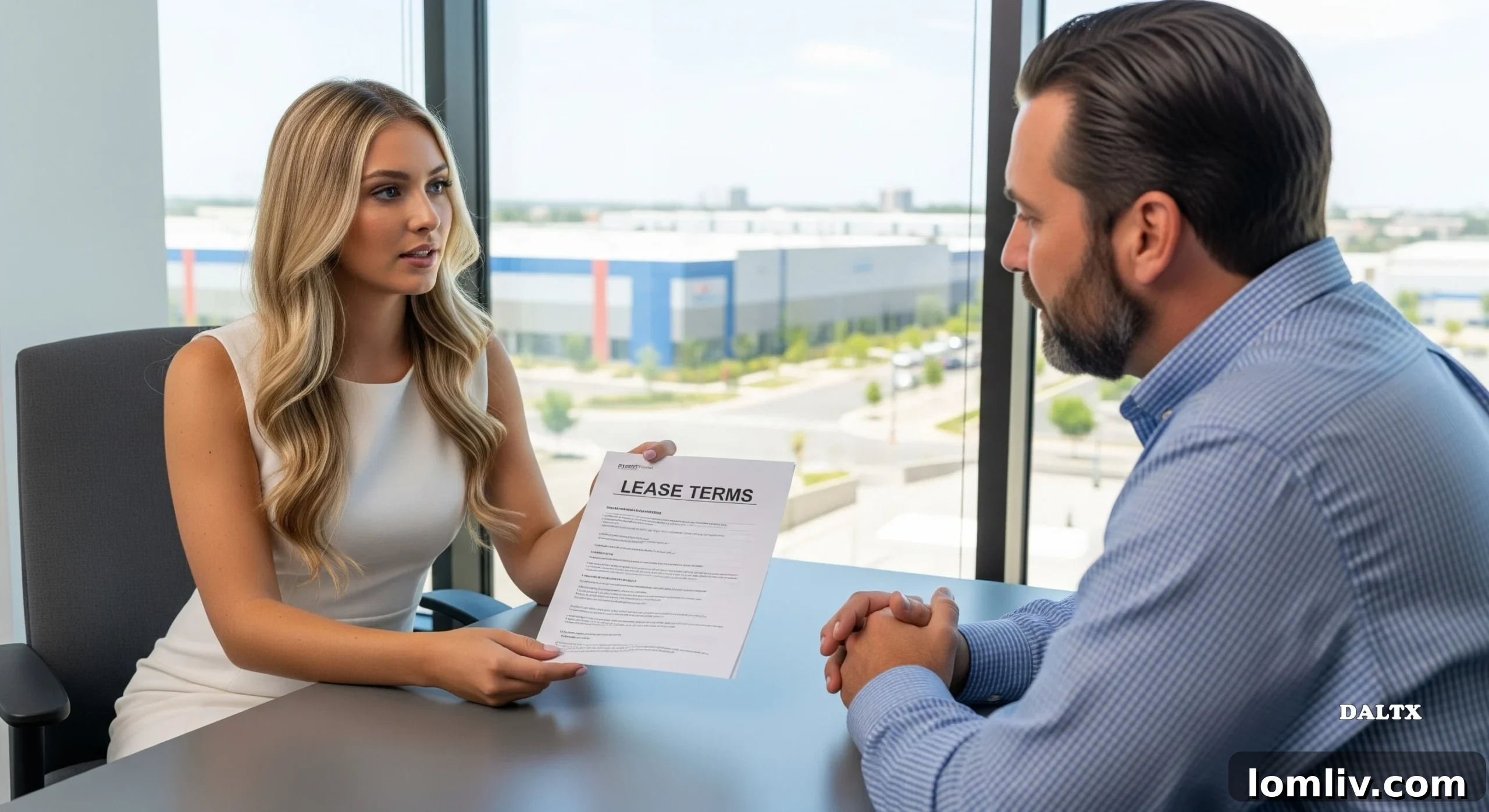
For industrial facilities that include leased spaces, effective tenant management is critical for maintaining stable income and positive relationships. Industrial property managers are adept at handling the full spectrum of lease and tenant-related responsibilities. This includes timely rent collection, meticulous management of common area maintenance (CAM) charges, and seamless execution of lease renewals. Their proactive approach ensures consistent income streams, fosters positive tenant relationships that lead to higher retention rates, and significantly reduces the administrative burden on the property owner.
Managers are also experts in lease administration, carefully abstracting lease agreements to highlight crucial terms such as early termination rights, expense caps, renewal options, and tenant improvement allowances. This vigilance ensures owners are never caught off guard by contractual obligations or potential disputes. They possess a deep understanding of various lease structures prevalent in the industrial sector, including triple net (NNN) leases, gross leases, and modified gross leases, managing the intricate details of each to protect the owner’s cash flow. Furthermore, industrial property managers act as the primary point of contact for tenants, addressing inquiries, resolving maintenance requests, and mediating any disputes professionally and efficiently. They ensure compliance with all relevant regulations and laws governing landlord-tenant relationships in commercial real estate, safeguarding the owner from potential legal challenges and contributing to a well-managed, profitable leased industrial space.
5. Long-Term Property Value Is Protected and Enhanced Through Strategic Asset Management
Beyond the day-to-day operations, a truly effective industrial property management team adopts a strategic, long-term perspective, focusing on protecting and enhancing the inherent value of the industrial asset. They function as strategic advisors, helping owners evaluate future capital improvement needs, monitoring market demand, and timing upgrades to maximize return on investment. This proactive asset management ensures the property remains competitive, attractive to high-quality tenants, and positioned for optimal appreciation.
For instance, they might identify opportunities to convert an outdated single-tenant manufacturing facility into a more versatile multi-tenant logistics space, or recommend upgrading to modern features such as higher clear heights (e.g., 28-foot minimum), energy-efficient building envelopes, advanced security systems, or state-of-the-art fire suppression technologies. Such strategic enhancements can significantly boost property value by 20% or more, depending on market conditions and the scope of the improvements. Property managers meticulously coordinate these complex projects, from planning and budgeting to contractor oversight, all while minimizing disruption to existing operations. They also conduct ongoing market analyses to understand prevailing trends, rental rates, and tenant requirements, advising owners on strategic positioning. By integrating Environmental, Social, and Governance (ESG) considerations into property management practices, such as implementing sustainable features or waste reduction programs, they further enhance the property’s appeal to increasingly conscientious tenants and investors, solidifying its value and ensuring its relevance in a constantly evolving industrial real estate market. This comprehensive approach safeguards the owner’s investment for years to come.
Takeaway: The Strategic Imperative of Industrial Property Management
Engaging a professional industrial property management team is far more than a matter of convenience; it is a strategic investment in the longevity, profitability, and security of a significant asset. In the dynamic and demanding world of industrial operations, these experts provide a comprehensive suite of services that directly address the core challenges faced by factory owners. From implementing rigorous preventive maintenance programs that prevent costly downtime, to ensuring proactive compliance with complex safety and environmental regulations, and meticulously controlling operating costs through astute vendor management, their impact is profound.
Furthermore, their ability to professionally handle all aspects of lease and tenant relations ensures stable income streams and harmonious occupancy, while their strategic asset management insights are critical for protecting and significantly enhancing long-term property value. For factory owners, the right industrial property management team is not just a service provider but a vital partner who ensures the facility remains compliant, operates with peak efficiency, reduces inherent risks, and stays competitive in today’s fast-paced market. Their expertise allows owners to focus on their core business, secure in the knowledge that their industrial asset is being managed with unparalleled professionalism, foresight, and dedication to maximizing its value and securing its future.