

In a significant leadership transition for the City of Dallas, Tammy Palomino, a distinguished senior assistant city attorney and chief of general counsel, has been officially appointed as the interim City Attorney. This crucial decision, made on Wednesday, comes as the incumbent City Attorney, Chris Caso, prepares for his retirement on February 28th. Palomino steps into this vital role at a pivotal moment, tasked with steering the city’s legal department through complex issues, including a contentious debate surrounding the regulation of poker rooms within city limits. Her appointment ensures continuity in legal counsel while the search for a permanent successor is underway, underscoring the city’s commitment to maintaining robust legal oversight.
Palomino’s interim tenure will see her earning an annual salary of $264,215, supplemented by an additional interim assignment stipend amounting to 15 percent of her base pay. This compensation reflects the gravity and demanding nature of the City Attorney position, a role that encompasses providing comprehensive legal advice to the Dallas City Council, the city manager, and various departments. Her responsibilities will extend to managing litigation, drafting ordinances, and interpreting state and local laws, all while navigating the current legal challenges facing Dallas. The city’s decision to appoint an experienced internal candidate like Palomino highlights confidence in her ability to competently manage the department during this transitional period, ensuring stability and expert guidance.
The transition in the City Attorney’s office follows Chris Caso’s submission of a retirement letter last week. This announcement arrived amidst considerable speculation and public discussion regarding his prior legal advice to the Dallas City Council concerning the legality and operational status of poker rooms. Caso’s guidance on this issue has been a focal point of controversy, leading to a complex legal and political quagmire for the city. His departure leaves a significant void, particularly as the city grapples with the unresolved status of these establishments, further elevating the importance of Palomino’s interim leadership in providing clear, consistent, and legally sound direction.
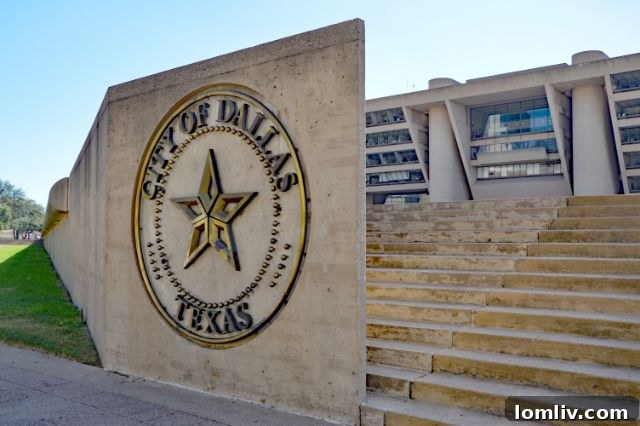
Dallas Takes a Gamble: Navigating the Complexities of Poker Rooms and Urban Development
The divisive issue of poker rooms once again dominated the Dallas City Council agenda this Wednesday, as city officials moved to authorize substantial legal fees to address several pending lawsuits. This ongoing debate has exposed deep rifts within the city’s governance, pitting economic development aspirations against concerns for public safety and neighborhood integrity. At the heart of the controversy lies the interpretation of state gambling laws and the city’s role in regulating or prohibiting establishments that operate on the fringes of legality. The council’s decision to allocate more funds for external legal counsel underscores the intricate and costly nature of this battle, highlighting the significant resources being expended to resolve the status of these card houses.

The genesis of this controversy dates back to 2019 when former City Attorney Chris Caso initially advised the council to issue certificates of occupancy (COs) for certain gambling facilities. However, in a stark reversal, Caso later retracted this guidance, suggesting that state law had been misinterpreted and, consequently, these COs were issued illegally. This shift in legal opinion sent ripples through the city, creating an environment of uncertainty for existing poker room operators and sparking a legal challenge that continues to this day. The implications of such a change in legal interpretation are profound, not only for the businesses directly affected but also for the integrity of the city’s legal advisories and its regulatory framework.
In response to this protracted legal entanglement, District 1 Councilman Chad West, a vocal proponent of pragmatic solutions, requested city staff on Wednesday to explore a legal land use framework for private game rooms. His proposal emphasizes implementing robust “neighborhood protections,” meaning these businesses could operate under specific zoning regulations that mandate their distance from single-family residential areas. This innovative approach also contemplates allowing these establishments to offer other social activities, such as arcade games or darts, thereby diversifying their entertainment offerings and potentially broadening their appeal. West’s vision aims to find a clean, regulated pathway for these businesses, acknowledging their existence while mitigating potential negative impacts on communities.
“I don’t know if the card rooms will like that, but it’s the cleanest way forward for them,” West conveyed to daltxrealestate.com, highlighting the delicate balance required to satisfy both business interests and community concerns. His statement reflects a pragmatic acknowledgment that while operators might prefer fewer restrictions, a structured and legally sound framework is ultimately in their best interest for long-term sustainability. This approach seeks to provide a definitive legal status, moving beyond the current ambiguous and litigious environment. By establishing clear guidelines, the city can potentially transform a contentious issue into a regulated industry, fostering stability and predictable operations.

Councilman West further underscored the significant economic repercussions of a potential ban, citing that the city stands to lose approximately $1.1 million in annual property and sales tax revenue by prohibiting just one such facility, the Texas Card House, based on its 2022 contributions. This substantial financial impact serves as a powerful argument for finding a regulatory solution rather than resorting to an outright prohibition. “Because of the decision and this complicated zoning issue, we’ve generated $550,000 in attorneys’ fees,” West stated during Wednesday’s meeting, lamenting the considerable expenses incurred due to the protracted legal battle. He further warned, “We could kill an industry that provides jobs and revenue to the city,” emphasizing the potential loss of employment opportunities and economic vibrancy if these businesses are forced to close their doors.
The Texas Card House, located on Harry Hines Boulevard, operates on a membership model where members pay dues and are permitted to bring their own food and drinks, as detailed on the club’s website. This unique operational structure distinguishes it from traditional casinos, which typically offer house-banked games. A crucial development in December saw a judge issue an order allowing poker rooms to remain open while they appeal the city’s revocation of their certificates of occupancy. This judicial intervention has provided a temporary reprieve for these establishments, highlighting the ongoing legal uncertainties and the complex interplay between city ordinances, state law, and judicial review. The ability of these card houses to continue operating, even under appeal, underscores the intricate legal landscape surrounding them.
Legal Fees, Land Use, and the Battle for Dallas Neighborhoods
In a continued effort to navigate the legal quagmire surrounding poker rooms, the City Council approved an allocation of approximately $300,000 in legal fees this Wednesday. These funds are designated to engage outside counsel, tasked with reviewing appeals from card houses contesting the city’s decisions, as well as appeals filed by the city’s chief building official against a Board of Adjustments decision. This substantial expenditure reflects the multi-faceted nature of the legal challenges, involving multiple parties and appeals processes, all contributing to the escalating costs for Dallas taxpayers. The necessity for external legal expertise underscores the specialized and intricate legal arguments at play, demanding resources beyond the scope of the internal legal department.
During the council meeting, Thomas DuPree, representing the Bent Tree North neighborhood, delivered a passionate address in strong opposition to the proliferation of card rooms. His testimony articulated the profound concerns of residents, emphasizing that the negative impacts of a nearby poker club extend far beyond mere issues of safety. “The damages to a neighborhood that has a nearby poker club go well beyond the values of safety and neighborhoods,” DuPree asserted, painting a stark picture of potential community degradation. He elaborated on the economic hardship, stating, “The economic hardship that would be placed on a neighborhood like the one I represent would be significant. Just a 10 percent reduction in home value would result in a real loss of over $50 million.” This figure starkly contrasts the cost of litigation, which DuPree argued, “pales to this number.” He concluded his impassioned plea by reiterating, “These establishments are illegal and cannot be regulated,” reflecting a belief among some residents that no regulatory framework can legitimize what they perceive as inherently unlawful operations.
Countering these neighborhood concerns, Councilman Chad West argued that banning card houses could inadvertently exacerbate the problem by forcing them underground, where they would operate without any oversight or “neighborhood protections.” He championed Dallas’s identity as a business-friendly city, stating, “This is Dallas. We’re supposed to be a city that is pro-business.” West believes that a motion to regulate, rather than prohibit, would be a more constructive approach. “This motion, if it’s adopted by council, flips the script here,” he explained, indicating a shift from a reactive, prohibitory stance to a proactive, regulatory one. He articulated the intent of his proposal: “The intent is to direct staff to spend its time and energy in a positive way to generate revenue for public safety, parks, and all the things we love, and provide a safe, regulated place for this industry to survive away from neighborhoods.” This argument posits that regulation offers a pragmatic path to both economic benefits and community safeguards, rather than pushing the problem into unregulated, shadow operations.
Dallas Council Members Weigh In: The Future of Poker Rooms

Despite the heated debate, the Dallas City Council reached a unanimous decision to pursue a legal land use option for card rooms, specifically requiring them to operate outside of residential neighborhoods. This consensus signals a collective acknowledgment that a complete ban is neither practical nor desirable, and a regulated approach, with community safeguards, is the preferred path. However, the path forward remains fraught with legal complexities, as highlighted by District 12 Councilwoman Cara Mendelsohn. She pointed out a critical legal precedent: Civil District Judge Eric Moye had previously ruled that poker rooms are, in fact, illegal under current law. Furthermore, Mendelsohn confirmed with an assistant city attorney that the city has a clear legal obligation, under its own municipal code, to revoke a certificate of occupancy from any operation deemed illegal. This presents a significant challenge: how can the city legally regulate an industry that has been judicially declared unlawful? This tension between legal precedent and the council’s desire for a land-use solution will be a key aspect of future discussions and legal strategizing.
District 7 Councilman Adam Bazaldua offered a compelling argument against prohibition, stating that the previous attempts to shut down poker houses “in the way that we did” ultimately failed to yield a positive outcome. He advocated for a more nuanced and strategic approach, emphasizing the drawbacks of a blanket ban. “We need to find a better avenue,” Bazaldua asserted, underscoring the necessity of innovative solutions. He continued, “It’s never a good strategy in government to go the route of prohibition. I think it’s never a good strategy for our body to play morality police.” This statement reflects a common sentiment that government should focus on effective governance and regulation rather than moral enforcement, especially when a regulated industry could benefit the city.
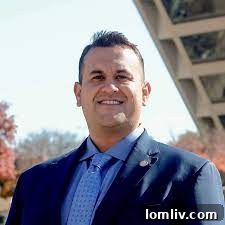
Bazaldua further articulated the economic disadvantages of a prohibitive stance: “If we have our city attorneys telling us that establishments legally exist across our state, we are just once again allowing other municipalities in our region to take industry, job opportunities, and what could be a very well-regulated industry that generates tax revenue, away from us.” He highlighted the competitive landscape among Texas cities, where Dallas’s restrictive policies could lead to a loss of economic vitality to neighboring areas that embrace a more permissive or regulatory framework for similar businesses. “By doing that, it’s a result of lazy governing. We’re here to do the hard work. We should be doing that hard work with a scalpel and not a hammer,” Bazaldua concluded, metaphorically advocating for precise, thoughtful policy-making over blunt, broad prohibitions. His remarks underscore the importance of pragmatic leadership and the need for the City of Dallas to adapt its regulatory strategies to foster economic growth while addressing community concerns with surgical precision, rather than sweeping, potentially damaging bans. The challenge for Tammy Palomino and the Dallas City Council will be to reconcile these diverse viewpoints and craft a long-term solution that serves the best interests of all Dallas stakeholders.