Plano’s Remarkable Transformation: A Deep Dive into Its Growth and Visionary Leadership Under Mayor Harry LaRosiliere
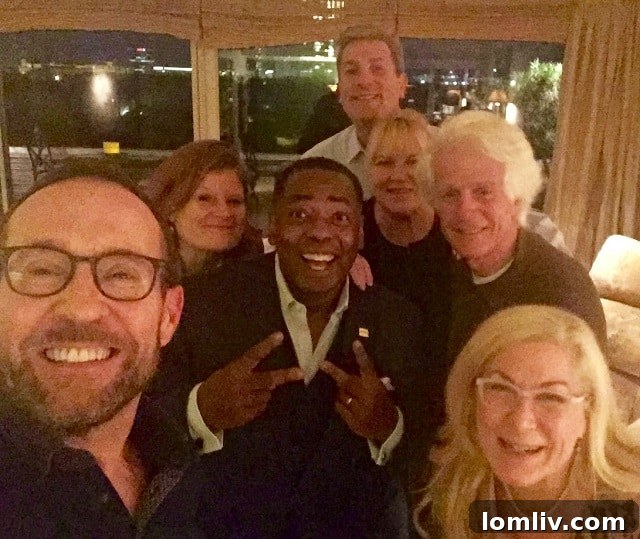
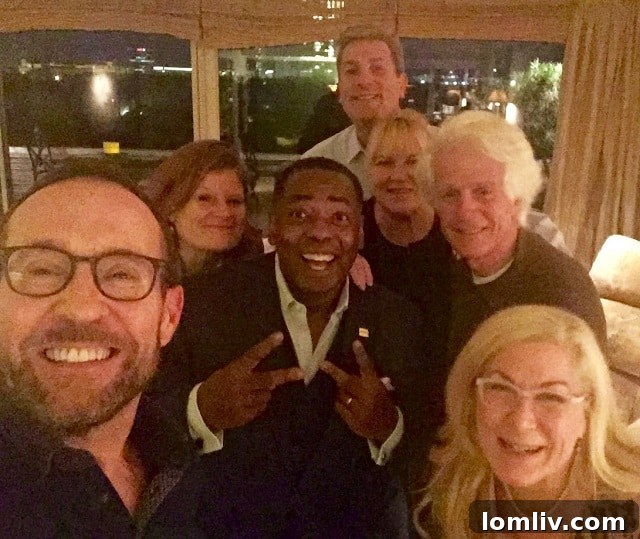
Plano, Texas – once dismissed as a mere bedroom community, now stands as a beacon of growth and urban transformation, a near world-class city attracting top-tier businesses and diverse talent. At the helm of this incredible evolution is Mayor Harry LaRosiliere, a leader whose dedication and vision are as compelling as Plano’s own dramatic story. Having recently had the privilege of meeting Mayor LaRosiliere at an engaging dinner party, his journey and commitment left a profound impression, echoing the very spirit of the city he guides.
My own path to Dallas, much like Mayor LaRosiliere’s, traces back through the vibrant streets of New York City, forging an immediate connection. Yet, it is his profound commitment to public service and his strategic leadership of Plano during its explosive growth phase that truly captivates. Who is this intriguing figure, steering a city that, just a few decades ago, was the subject of derision by some of Dallas’s elite? To fully appreciate Plano’s current standing, it’s essential to look back at its challenging past. Consider this revealing excerpt from a 1998 D Magazine article concerning Plano housing:
Jeff Witt, the long-range planner for the city of Frisco who held the same job in Plano for 2½ years, fears a manufactured slum. “I was always concerned with the housing stock in Plano,” he says. “You have people who don’t want to invest in their houses. Ultimately, you have a very expensive deteriorating structure.” Witt says that the irony of the looming problem of shoddy Plano housing is that it is a direct result of the city’s incredible growth and success. Perhaps the biggest reason the city has been able to attract some of the best companies in America is the affordable housing. Developers who erected hundreds of homes a year and kept unit costs down could sell for cheap and still maintain a solid profit margin, and employees transferred from Los Angeles or Phoenix or Boston were amazed to find 3,000 square feet for $250,000. The waves of migratory rich moved to North Texas, and, in a state where unions have always been weak, the work of laying bricks or installing carpentry—jobs traditionally performed by trained, unionized craftsmen—was done by workers with no specialized training. Although cheap labor almost always equals cheap workmanship, all the elements necessary for an unparalleled building boom were there: an abundance of low-wage immigrant workers, low interest rates, and great schools. The race was on.
From Skepticism to Success: Plano’s Unstoppable Rise
The D Magazine article from 1998 paints a stark picture of a city grappling with the growing pains of rapid expansion, where the very affordability that attracted residents and businesses also raised concerns about long-term sustainability and housing quality. Jeff Witt’s apprehension about a “manufactured slum” highlighted a common skepticism surrounding rapidly developing suburbs that prioritized cost-efficiency. His critique suggested a potential future where the sheer volume of quickly built, inexpensive homes could lead to a decline in property values and structural integrity, with homeowners less inclined to invest in maintenance. This perspective underscored a significant challenge: how to manage explosive growth without compromising the quality and future resilience of the urban fabric. The paradox, as Witt noted, was that this perceived vulnerability was a direct consequence of Plano’s initial success in attracting businesses through affordable housing – a powerful magnet for companies and relocating employees seeking value for their money in North Texas.
The context of weak unions and the reliance on less specialized labor for critical construction jobs, such as bricklaying and carpentry, further fueled these concerns about workmanship. While this approach enabled developers to keep costs down and maintain healthy profit margins, making Plano an attractive proposition for those moving from more expensive coastal cities, it simultaneously sowed seeds of doubt regarding the enduring quality of its infrastructure. The perfect storm of low wages, low interest rates, and excellent schools created an unstoppable building boom, but with it came the implicit question of whether quantity would ultimately trump quality.
Despite these past reservations about “cheap houses and all,” the narrative of Plano has dramatically shifted. The article concluded with a warning about a “precarious future,” quoting Witt again:
But the halcyon present is every day inching its way toward a precarious future. Jeff Witt, for one, is worried about that. “Plano is perceived as a very affluent town,” he says. “It’s a nice ZIP code to have. But that perception can change very quickly.”
Today, this perceived precariousness seems like a distant memory. Plano has not only defied these pessimistic predictions but has blossomed into a formidable economic powerhouse. It’s now a vibrant, near world-class city that aggressively competes for, and successfully secures, some of the most prestigious businesses in the U.S.A. The question now isn’t about its fragility, but its undeniable strength and continued ascent. One might indeed wonder, “Where the hell is Jeff Witt?” as Plano celebrates its resounding triumph over past criticisms.
Mayor Harry LaRosiliere: A Leader Forged by Experience and Vision
At the heart of Plano’s modern success story stands Mayor Harry LaRosiliere, a leader whose personal journey is as compelling as the city’s transformation. Born in Haiti, Harry’s formative years were spent amidst the bustling energy of 125th Street and Broadway in Harlem, New York City, just a stone’s throw from Columbia University. His parents, diligent blue-collar workers, instilled in him and his sibling an unwavering commitment to education. This ethos guided him through Corpus Christi Catholic School, Cardinal Hayes High School, and ultimately led to his graduation from the City College of New York in 1985 with a Bachelor of Science in Geology. Beyond his mayoral duties, Harry maintains a demanding “real job” as an investor with UBS, showcasing a keen understanding of financial markets that undoubtedly informs his civic leadership.
Mayor LaRosiliere’s entry into politics was profoundly shaped by an incident he witnessed while living in New York City during David Dinkins’ mayoral term. The tragic deaths of Gavin and Angela Cato in Crown Heights in 1991 left an indelible mark on him. These two young Black children were killed when a car in a funeral procession, carrying the spiritual leader of the Lubavitcher Hasidic community, Rabbi Menachem Schneerson, collided with another vehicle and careened onto the sidewalk. Reports at the time suggested that the first ambulance on the scene prioritized aid to the Hasidic individuals involved over the children, a perceived injustice that ignited a series of volatile riots in Crown Heights. Harry expressed his deep dissatisfaction with Mayor Dinkins’ handling of the aftermath, particularly his decision to allow the neighborhoods to “fight it out” rather than assert strong leadership to foster peace and de-escalation. He firmly believed that such prolonged unrest disproportionately harms the hardest-working members of society – the local store owners and small business proprietors – an outcome he deemed unacceptable. This pivotal moment solidified his resolve to enter public service, driven by a desire to be the kind of decisive, unifying leader he felt was missing during that crisis.
Inspired by this conviction, Harry LaRosiliere moved to Texas in 1994, embarking on a new chapter as a financial advisor. His commitment to public service found its first outlet when he served two terms on the Plano City Council from 2005 to 2011, during which he also held the crucial role of former planning and zoning commissioner. This experience provided him with an intimate understanding of urban development and community needs. In 2013, he successfully ran for Mayor against Fred Moses, the then-Chairman of the Collin County Republican Party, making history as Plano’s first African American Mayor. Today, he resides in the thriving Shoal Creek community, Phase IV, with his wife and two daughters, embodying the family-centric values that resonate throughout Plano.
Plano’s Present and Future: A Vision of Growth and Diversity
Under Mayor LaRosiliere’s stewardship, Plano continues its trajectory as a leading city in Texas. It proudly holds the distinction of being the ninth-largest city in the state, and its growth shows no signs of abating. A significant driver of this expansion is the relocation of major corporate headquarters, most notably Toyota. The arrival of Toyota is set to bring an impressive 6,000 new jobs to the city, surpassing earlier estimates of 4,000. Each of these high-quality positions, with an average salary of approximately $100,000 per year, generates a powerful multiplier effect, creating even more ancillary jobs and stimulating local businesses across various sectors. The economic impact of Toyota’s presence is, without exaggeration, tremendous, solidifying Plano’s status as a corporate hub.
Beyond economic prosperity, Plano is also evolving into an increasingly diverse and inclusive community. While Caucasians comprise 53 percent of the population, the city proudly embraces a growing tapestry of cultures, with Asians and Indians representing the next largest ethnic demographic. Mayor LaRosiliere articulates Plano’s remarkable evolution through distinct stages of growth: Plano 1.0, 2.0, and 3.0, each marking a significant transformation in its identity and aspirations.
Mayor LaRosiliere’s philosophy for urban excellence is rooted in three fundamental pillars: “It takes three things to make a city great,” he asserts, “Safety, great schools, and a sense of community.” Plano, he proudly notes, exemplifies all three. The city’s rapid development has led to a unique challenge: land scarcity. As little as 7 percent of Plano’s land remains available for new development, necessitating strategic and prudent planning for the future. He emphasizes the foresight of past generations who planned for the present, highlighting the incredible achievements that resulted.
The Evolution of Plano: From Bedroom Community to Global Competitor
LaRosiliere eloquently describes Plano’s journey:
In 1980, we were what I refer to as Plano 1.0, a small bedroom community. In the 1990s and early 2000s we were Plano 2.0, a large suburb. Today, we are Plano 3.0, a world-class city that comfortably competes for any business or resident on the global stage.
This historical perspective underscores the monumental shift in Plano’s identity, from a quiet residential area serving Dallas to a self-sufficient, economically vibrant metropolis with a global outlook. To ensure sustainable growth and continued prosperity, Mayor LaRosiliere championed The Plano Tomorrow Plan. This comprehensive initiative, approved by the Plano City Council, is designed to strategically guide the city’s future growth, development, and crucial re-development efforts. It addresses the challenges of limited land by promoting thoughtful infill development and revitalizing existing areas, ensuring that Plano remains dynamic and attractive.
Naturally, such ambitious plans for growth are not without their critics. Mayor LaRosiliere has faced some pushback regarding The Plano Tomorrow Plan, particularly from those who express concerns about the increased number of apartments being introduced to the area. These concerns often stem from perceptions that higher-density housing might lead to lower-income residents or impact the existing suburban character. However, the Mayor and city planners advocate for diverse housing options as essential components of a thriving, inclusive city that can accommodate a growing workforce and cater to different lifestyle needs, from young professionals to empty nesters. The careful integration of various housing types is seen as vital for maintaining affordability, promoting walkability, and fostering a robust urban environment that balances growth with community well-being.
Conclusion: A Bright Future Under Dedicated Leadership
Plano’s journey from a disparaged suburb to a dynamic, world-class city is a testament to the power of vision, strategic planning, and dedicated leadership. Under Mayor Harry LaRosiliere’s guidance, the city has not only overcome past skepticism but has forged a new identity rooted in economic strength, cultural diversity, and a profound commitment to community. His personal history, deeply intertwined with lessons learned from challenging urban experiences, has equipped him with a unique perspective on leadership, emphasizing unity and decisive action over division.
As Plano continues to evolve, propelled by major corporate investments like Toyota’s expansion and guided by forward-thinking initiatives like The Plano Tomorrow Plan, its future appears exceptionally bright. The emphasis on safety, quality education, and a strong sense of community ensures that while the city grows, its core values remain intact. The transformation of Plano stands as an inspiring example of how a city, with the right leadership, can redefine its destiny and emerge as a vibrant, competitive force on both national and global stages. I look forward to further insights into this remarkable city and its leadership, perhaps even meeting his accomplished wife, Tracy – an MBA who, I hear, was instrumental in bringing Harry to Texas in the first place. It seems the inspiring influences behind Plano’s success extend far and wide!