Dallas’s Evolving Landscape: The Urban-Suburban Tug-of-War in Modern Living
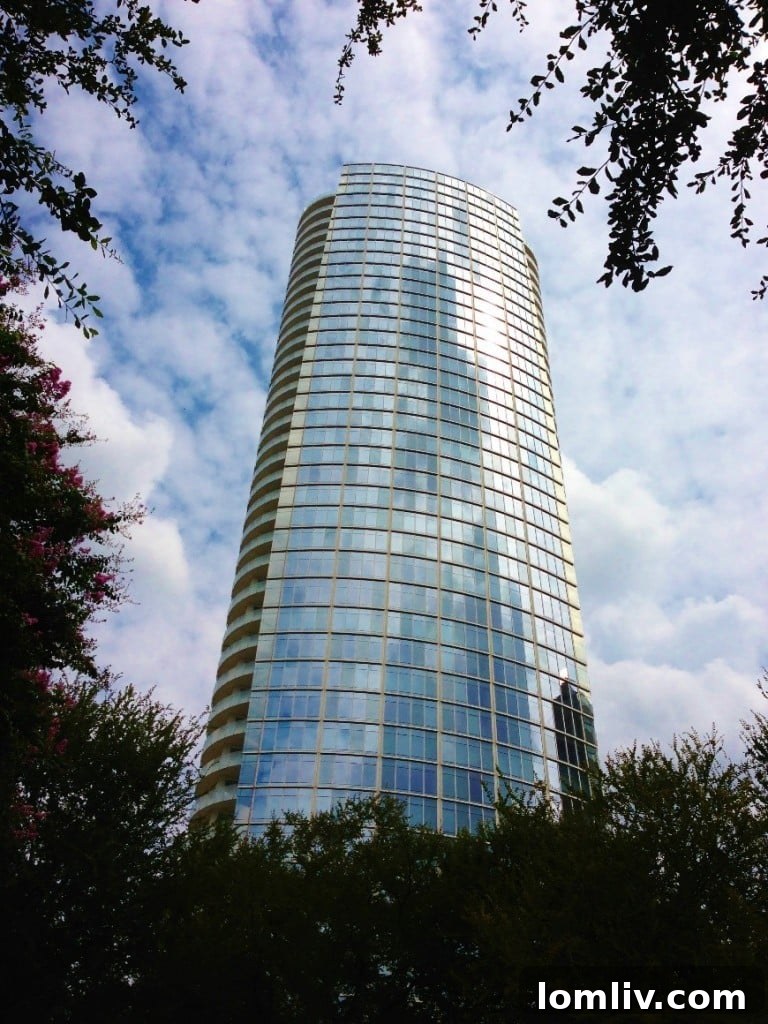
Dallas, a city historically synonymous with sprawling highways and car-centric lifestyles, is undeniably in the midst of a profound transformation. The narrative of its urban core is rapidly shifting, embracing a more walkable, integrated, and densely populated future. This evolution is not merely an observation; it’s a palpable change reflected in daily interactions and changing perspectives.
Just recently, a conversation with a young professional residing downtown underscored this very point. Living with his family, owning just a single car, he challenged me to envision a Dallas devoid of ubiquitous parking spaces. For a city steeped in car culture, this concept initially felt almost unthinkable. Yet, the liberating experience of navigating cities like New York without the burden of a vehicle instantly comes to mind. Could Dallas, long dubbed a “car town,” truly be heading in a similar direction?
Another striking example cemented this evolving reality. Picking up a friend at her Dallas hotel, I was genuinely astonished to discover she hadn’t rented a car. “How will you get around?” I questioned, flabbergasted. Her response was both simple and insightful: a cab from Love Field (far more conveniently located than DFW for city access) followed by a reliance on Yellow Cabs and Uber. Her rationale? It would be significantly cheaper than the cost and hassle of a rental car. The lifting of the Wright Amendment has indeed reshaped air travel to Dallas, making Love Field a more accessible hub, and consequently, enhancing the viability of car-free travel within the city. This paradigm shift challenged my own long-held assumptions about navigating Dallas. The convenience and cost-effectiveness of ride-sharing and taxi services are undeniably altering how both visitors and residents experience the city.

The Allure of Urban Living: A National Trend with Local Nuances
Across the nation, the narrative has often favored a widespread desire for urban living. The appeal is clear: ditching cars, embracing walkability, and immersing oneself in a vibrant “live-work-play” environment. The “lock and leave” lifestyle for vacations, free from the worries of home maintenance, holds significant appeal for many, particularly younger generations and empty nesters seeking convenience and cultural richness. This trend suggests a broad movement towards denser, more integrated communities.
However, this seemingly universal appeal of city life isn’t without its complexities or inherent challenges. Stories that emerge from densely populated urban centers sometimes cast a shadow on the idyllic picture. We hear unsettling reports, like the Linked-In employee who unknowingly rode BART in San Francisco with measles for two weeks, or the tragic loss of a young woman in Uptown Dallas, an acquaintance of my children, who was fatally struck by a drunk driver while leaning into a car. While these are isolated, often heartbreaking incidents, they inevitably provoke questions about urban safety and security. They compel us to ponder: does choosing a more spread-out, suburban, or even rural setting truly offer a greater sense of security?
Decoding the Shifting Demographics: What Trulia’s Poll Reveals
A recent poll conducted by Trulia provides compelling insights into these contrasting desires, offering a nuanced perspective on residential preferences. Contrary to the prevailing narrative of an urban exodus, the poll revealed that individuals currently residing in suburban and rural areas express high satisfaction with their chosen locales. So much so, that a significant majority indicated a strong desire to remain in their current areas for at least the next five years. In essence, these residents are not actively seeking change.
Conversely, the poll unveiled a surprising trend: a greater proportion of city dwellers are considering a move away from the urban core towards the suburbs, rather than the other way around. This inclination extends even to young adults aged 18 to 34, a demographic traditionally perceived as the primary drivers of urban revitalization and growth. This finding challenges the widely held belief that cities are unshakeable magnets for youth.
So why are city dwellers contemplating this significant suburban migration? And what factors are drawing an increasing number of people to consider rural areas in the coming half-decade?
The conversation around these demographic shifts often feels contradictory. One moment, we hear of suburbanites flocking to the city; the next, residents of affluent urban enclaves like Park Cities are reportedly moving to the suburbs. There’s talk of a boom in ranch properties, simultaneously with reports of people divesting from them. The reality, as Trulia’s research helps clarify, points to a set of compelling reasons why city residents are increasingly looking towards the suburbs. The key attractions are consistently cited: the promise of better schools, the luxury of more space, a perceived reduction in crime rates, and crucially, the growing availability of the same amenities found in the city, but often with added benefits.

1. The Millennial Family Factor: From City Lofts to Suburban Lawns
One of the most significant drivers of this suburban resurgence is the maturing millennial generation. As many millennials reach key life stages—settling down, marrying, and starting families—their housing needs and priorities undergo a dramatic shift. The allure of a compact urban apartment, once ideal for single professionals or young couples, often diminishes when faced with the demands of raising children. The financial implications alone are substantial: city living, particularly in thriving metropolises like Dallas, comes with a hefty price tag. Housing costs are typically higher, and the quality of public schools can be inconsistent, leading to concerns (the ongoing DISD discussions being a prime example). Furthermore, a significant portion of millennials themselves grew up in the suburbs, meaning the concept of suburban life is not alien, but rather a familiar and often comforting return to their roots.
Many young adults in their twenties and early thirties, currently residing in urban areas, are finding that the contemplation of starting a family naturally steers them towards the suburbs. Here, they can secure a significantly larger living space, a crucial commodity for growing households. While the stereotypical “Leave It To Beaver” idealism of the suburbs has evolved, the fundamental advantages for families remain incredibly relevant. Factors such as more favorable housing prices, access to highly-rated public school systems, and often more affordable private school and daycare options make the suburban lifestyle a pragmatic and attractive choice for many.
Indeed, a staggering 93% of young renters express belief in the American Dream and “plan to buy a home someday,” according to another Trulia survey. This deeply ingrained aspiration for homeownership, coupled with the increasingly prohibitive real estate costs in urban centers, provides yet another compelling reason for the growing migration towards the suburbs. It’s not just about space; it’s about achieving long-term financial stability and fulfilling a traditional life goal.
Aalap Shah serves as a classic illustration of this phenomenon – a testament to the adage: “you can take a suburbanite out of the suburbs, but you can’t take the suburbs out of a suburbanite.” Shah, a quintessential millennial, was raised in the suburbs but initially gravitated towards Chicago, where he successfully established a digital marketing firm. While his business operations remain anchored in the city, he and his wife are now preparing for a move back to the suburbs. “We need more space because we have a 3-year-old now,” he explains, highlighting the practical necessity. Shah also eagerly anticipates engaging with his new neighbors and becoming an active participant in a community rich with other families and children, emphasizing the desire for community and connection often found in suburban environments.
2. Suburbs Reimagined: Urban Amenities on a Wider Canvas
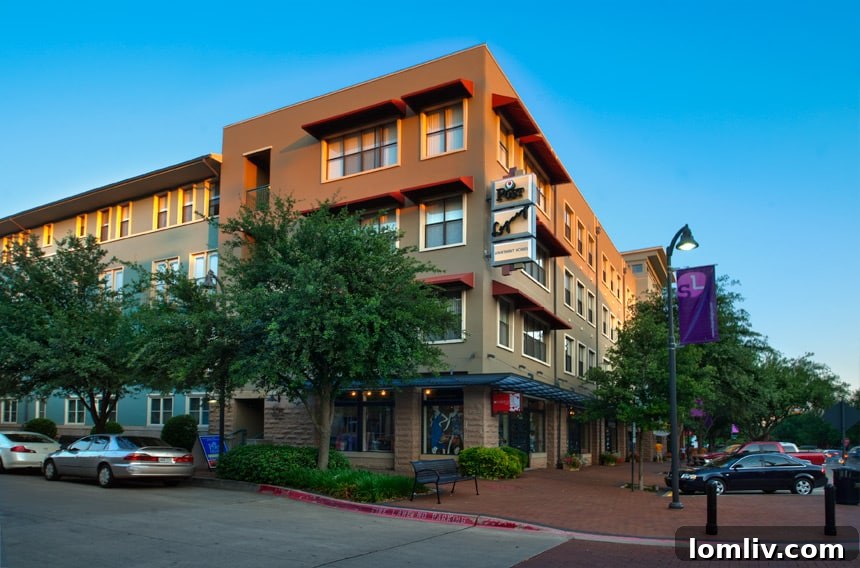
The notion that suburbs lack the vibrancy and conveniences of city life is increasingly outdated. Modern suburbs are actively evolving, transforming into self-sufficient hubs that rival, and sometimes even surpass, their urban counterparts in terms of amenities. The development of areas like Legacy in Plano serves as a prime example, mirroring the upscale shops, diverse restaurants, and entertainment venues found in Dallas’s most sought-after districts. We see established city favorites, such as Al Biernet’s, expanding into burgeoning suburban areas like Frisco, signaling a clear shift in consumer demand and accessibility. Even more rural-adjacent communities like Lucas and Allen are witnessing the arrival of major retailers and coffee shops, like WalMart and Starbucks, fulfilling essential needs and desires for residents who previously had to travel further. This integration of urban-style conveniences directly addresses the needs of residents who value both space and accessibility.
The enjoyment of urban amenities while residing in the suburbs represents a significant and growing trend, as highlighted in a recent report from the Urban Land Institute. This report coins the term “18-hour cities” to describe suburbs that have successfully incorporated urban characteristics. These aren’t the traditional 9-to-5 work zones that become desolate after business hours, nor are they the perpetually bustling 24-hour mega-cities. Instead, 18-hour cities maintain a lively atmosphere well beyond standard working hours, offering residential areas within comfortable walking distance of a rich array of restaurants, diverse retail options, and entertainment venues. They strike a balance, providing dynamic living without the constant intensity of a 24/7 metropolis. For many, this offers the best of both worlds—vibrancy without overwhelming density, an ideal solution for those who appreciate nightlife and community but are perhaps “getting too old for 24/7.”
Bonny Jones, a resident of Northern Kentucky, a suburb of Cincinnati, perfectly encapsulates this desire. While she appreciates suburban living, she is actively seeking a new community that offers more city-like amenities. “There’s lots to do in Cincinnati, but I have to drive in awful freeway traffic to get anywhere,” she laments. Her ideal move involves a walkable neighborhood complemented by robust public transportation options. Jones specifically points to SunRail, a commuter rail transit serving central Florida, as the kind of infrastructure she desires. Beyond transportation, her wishlist includes cultural institutions like museums, well-maintained parks, vibrant art festivals, and accessible concerts—all elements that blur the lines between traditional urban and suburban offerings, creating a more integrated and fulfilling lifestyle.
3. The Call of the Wild: Nature, Privacy, and Space as Modern Luxuries
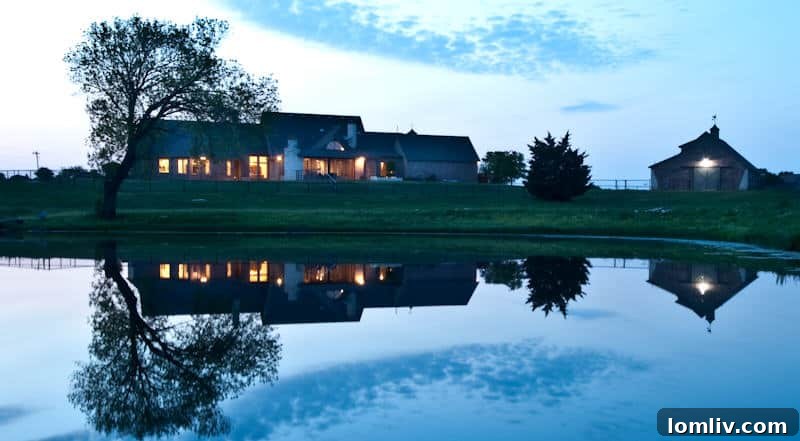
Beyond the practical considerations of schools and amenities, there’s a fundamental human yearning for space, privacy, and connection with nature that city living often struggles to satisfy. The constant proximity to others, the ever-present noise, and the feeling of being “on top of each other” can, quite frankly, lead to mental and emotional fatigue. For those who can afford it, the ability to retreat to an expansive personal domain becomes an invaluable luxury. My own experience living on an acre of land, despite the upkeep, is a testament to this. The sheer joy of looking out my back window and not seeing another home or person is something I deeply treasure. It highlights a critical question: how much togetherness is genuinely beneficial, and at what point does it become overwhelming?
A recent visit to Lucas, a community known for its minimum one-acre per lot zoning, vividly illustrated this appeal. The immediate sensation was one of tranquility; my blood pressure seemed to perceptibly drop. The combination of clean air, the absence of sirens, and the pervasive quiet creates an almost therapeutic environment. This desire for peace, space, and a connection to the natural world is not just anecdotal; it’s reflected in broader demographic shifts.
Surprisingly, a significant portion of individuals indicated a desire to move to rural areas within the next five years, surpassing interest in any other locale. While the overall population of rural areas has seen a general decline as suburban and urban centers expand, U.S. Census figures do reveal a notable growth in the rural population from 53.6 million in 1970 to 59.5 million in 2010. This steady, albeit slower, growth underscores a persistent demand for rural living. With the increasing popularity of slow and local food movements, and a broader cultural embrace of “back to land” lifestyles, it becomes clear why modern urbanites might seriously consider a move to the countryside. It’s an escape from the relentless pace of city life, a quest for self-sufficiency, and a return to simpler, more grounded existence.
Laurie Brenner, who enjoys the solitude of her 10-acre property in the Sierra Nevada, articulates this perfectly: “I need nature.” Her emphasis on privacy is profound. She humorously highlights its extent: the ability to walk out onto her back deck completely unclothed, knowing with certainty that no one would be observing or even notice her presence. This level of unencumbered freedom and absolute privacy is a rare commodity in today’s crowded world and represents a powerful draw for those seeking true respite.
The Dallas Conundrum: A City of Diverse Desires and Future Living
The ongoing dialogue surrounding where people choose to live—city, suburb, or country—is far more intricate than simple trends might suggest. As we continue to delve deeper into these preferences here on CandysDirt, it’s clear that the answers are as varied and complex as the individuals themselves. We look forward to exploring fascinating new facets of Dallas living, from stories of millennials courageously raising babies in downtown high-rises, complete with strollers and Wubbanubs, to baby boomers embarking on new adventures like starting beehives at master-planned communities like Light Farms. While experts often cite overarching demographic shifts, our goal is to understand what “real people” are truly saying about their homes and aspirations.
Ultimately, what we will likely discover is a beautiful mosaic of choices and preferences—a little bit of everything. The urban-suburban debate isn’t about one winning over the other; it’s about a diverse ecosystem of living options that cater to unique needs at different stages of life. For some, like myself, the ideal solution might be a hybrid approach: maintaining a smaller, convenient home in the vibrant city, complemented by a serene condo ranch in the peaceful countryside. This blended lifestyle allows one to savor the cultural richness and energy of urban life while simultaneously enjoying the tranquility and space of a rural retreat. The future of Dallas living, therefore, promises to be one of unparalleled diversity, reflecting the dynamic and evolving aspirations of its residents.