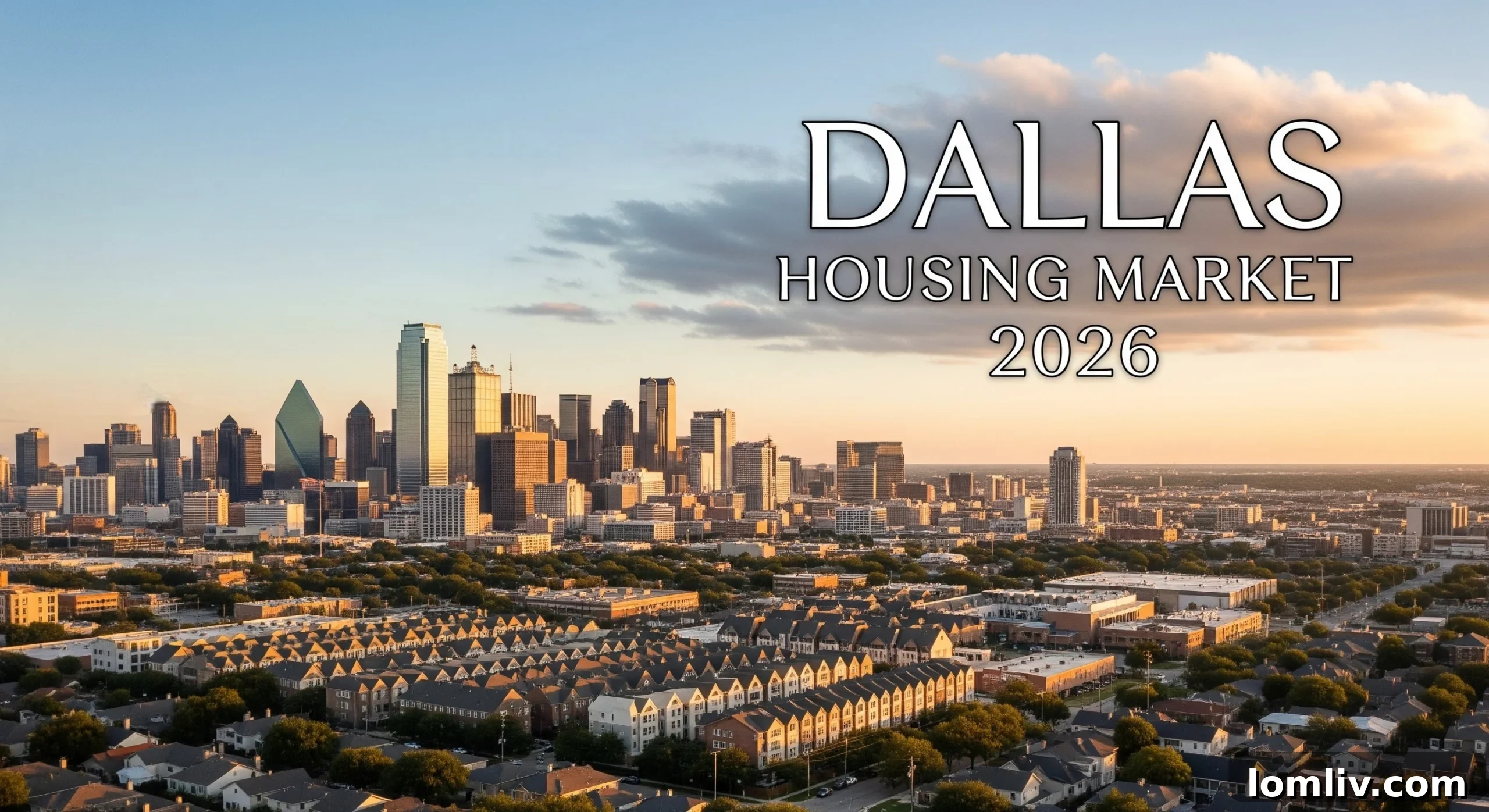
The dynamic landscape of the Dallas housing market, which experienced an unprecedented surge in appreciation over recent years, is now exhibiting clear indicators of a shift towards a more temperate phase. While the robust underlying fundamentals that propelled this growth—including a burgeoning population, vigorous job creation, and significant business expansion—remain steadfast, the market is progressively moving towards a more equitable and balanced state. This anticipated moderation signals a positive outlook for prospective homebuyers, who are likely to discover enhanced opportunities and a more favorable environment as 2026 unfolds.
This transition signifies a departure from the frenetic pace previously observed, fostering a market where strategic decision-making and thoughtful planning can replace the urgency of competitive bidding wars. For both residents and investors eyeing the Dallas-Fort Worth (DFW) metroplex, understanding these evolving dynamics is paramount to navigating the real estate landscape successfully.
Understanding Dallas’s Rapid Ascent: A Look Back at Soaring Home Prices
To fully grasp the current trajectory, it’s essential to examine the factors that led to Dallas’s explosive real estate growth. Over the past decade, the Dallas-Fort Worth region has consistently ranked among the nation’s fastest-growing metropolitan areas, attracting both corporate giants and individual talent alike. This influx created an extraordinary demand for housing, far outstripping available supply. The data from previous years vividly illustrates this phenomenon: home values in DFW skyrocketed by an impressive 19.6% in 2021, followed by an even more substantial 22.4% increase in 2022.
Several interlocking factors fueled this remarkable appreciation. Foremost among them was the aggressive population expansion, driven by companies relocating to or expanding within the region, thereby creating a wealth of new employment opportunities. Dallas has cemented its reputation as a magnet for growth, particularly in high-demand sectors such as technology, logistics, finance, and healthcare, all of which have seen sustained, rapid expansion for many years across the DFW metroplex. This robust economic diversification and job market strength drew in talent from across the country, all needing places to live.
Compounding this escalating demand was a persistent issue of tight housing supply and significant construction delays. The aftermath of the global pandemic, combined with supply chain disruptions and labor shortages, hampered the ability of builders to keep pace with the housing needs of the burgeoning population. This imbalance inevitably led to intensely competitive market conditions, characterized by frequent bidding wars, properties selling well above asking price, and rapid price hikes that far exceeded historical norms. Such an environment made homeownership particularly challenging for first-time buyers, even those with strong financial standing. However, this period of explosive growth began to show signs of tapering off between 2023 and 2025, a trend that is now expected to solidify and continue into 2026, signaling a return to more sustainable market dynamics.
Current Market Indicators: A Clear Path to Moderation in Dallas
Analyzing recent Dallas housing market trends reveals a decisive shift as the metroplex enters a cooler, more stable, and ultimately healthier phase. While the term “cooler” might concern some, it simply signifies a much-needed rebalancing after several years of intense market heat. This moderation is supported by several key indicators that prospective buyers and sellers should pay close attention to.
Here are some of the most compelling signs:
- Decelerated Price Growth: One of the most significant indicators is the considerable slowdown in home price appreciation. Data from reputable real estate sources, such as Movoto, demonstrates that the median sale price in the Dallas-Fort Worth area has largely stabilized in recent months, hovering consistently around the $425,000 mark. When contrasted with the double-digit percentage increases witnessed in the early 2020s, this represents a much more reasonable and sustainable rate of growth. This stabilization provides a more predictable environment for financial planning and long-term investment strategies.
- Extended Market Times: Homes are now spending a longer duration on the market before going under contract. The average listing time has increased to approximately 65 days, a notable rise compared to the 54 days recorded during the same period last year. This extended period indicates a clear shift in buyer behavior; rather than rushing into quick decisions to outbid competitors, buyers are now taking more time for due diligence, property evaluations, and making informed choices. For sellers, this means a necessity to set more realistic expectations regarding home prices in Dallas and to understand that their properties may not sell instantly.
- Increasing Inventory Levels: The market is experiencing a significant uptick in available housing inventory, encompassing both additional active listings of existing homes and a robust influx of new construction. This crucial increase in supply is empowering buyers with a broader selection of properties, which in turn grants them greater leverage in negotiations. More choices mean less urgency, allowing buyers to find a home that truly meets their needs and budget, rather than settling for less in a constrained market. This growth in inventory is crucial for fostering a truly balanced market.
- Understanding “Cooler” Dynamics: It is vital to underscore that the term “cooler” in the context of Dallas home prices should not be misinterpreted as a sign of a market downturn or an impending crash. Instead, it precisely indicates a positive and healthy transition. The market is gracefully shifting away from an overheated, frantic seller’s market—where sellers held virtually all the power—towards a more equitable and balanced market. In this balanced state, both buyers and sellers can engage in transactions with a more even footing, leading to more stable and predictable outcomes for all participants.
Key Influences Shaping the Dallas Housing Market in 2026
As we delve further into 2026, several pivotal factors will continue to exert significant influence over the trajectory of the Dallas housing market. Understanding these elements is crucial for anyone looking to buy, sell, or invest in real estate across the DFW metroplex.
Firstly, mortgage rates remain a dominant force. While they have been relatively high in recent years (from 2023 to 2025), significantly impacting housing affordability and tempering buyer demand, there is a widely held expectation among many economic analysts for rate cuts throughout 2026. These anticipated reductions in interest rates would substantially improve borrowing power for prospective homeowners, effectively bringing more buyers back into the market. While this will undoubtedly stimulate demand, the expectation is that it will still support a moderate, rather than explosive, rate of price growth. Nevertheless, until these rate cuts materialize significantly, affordability is likely to persist as a considerable hurdle, particularly for first-time buyers navigating the market.
Secondly, the reality of increasing housing supply and robust new construction is a game-changer. After years of sustained underbuilding that contributed directly to the supply crunch, the construction industry in DFW is finally catching up. Across the region, numerous new developments are coming online, significantly boosting active listings. This surge in supply fundamentally alters market dynamics. More available homes mean a reduced likelihood of intense bidding wars, a greater tendency for sellers to set more realistic and competitive pricing, and, most importantly, increased negotiation room for buyers. This expansion of choice benefits buyers by allowing them more time to consider their options and secure more favorable terms.
Lastly, Dallas’s enduring status as one of the country’s most economically prosperous and dynamic metropolitan areas continues to underpin its housing market. The region boasts a highly diversified and robust economy, anchored by powerhouse sectors such as technology and engineering, financial services, healthcare, biotechnology, and logistics. This vibrant economic ecosystem consistently generates strong job growth and attracts a continuous stream of in-migration from other states and countries. As long as these fundamental drivers of economic prosperity and population growth remain strong, demand for housing in Dallas will inevitably stay elevated, ensuring the market’s long-term resilience and attractiveness.
The Dallas Market in 2026: A Vision of Stability and Opportunity
Synthesizing all current trends and indicators, the outlook for the Dallas housing market in 2026 points towards a future characterized by moderate, rather than explosive, growth. This new phase promises a more predictable and sustainable environment for all participants. Home prices are still expected to continue their upward trajectory, but at a significantly slower pace, likely appreciating in the low to mid-single-digit percentages. This steady appreciation contrasts sharply with the frantic double-digit increases of previous years, offering a more stable foundation for property values.
Furthermore, it is plausible that newly developed suburbs and exurban areas might experience small price adjustments or necessitate softer negotiation terms. This could particularly be the case if the rate at which new inventory becomes available outpaces the projected demand from buyers in those specific locales. Such localized shifts would further empower buyers with even greater flexibility and choice.
All these developments coalesce into significantly better conditions for buyers. They can anticipate entering a market where they wield more negotiating power, benefit from a wider array of listings to choose from, and have ample time and space to make well-considered decisions without the immense pressure of an overheated market. For those who have been waiting on the sidelines, 2026 could represent an ideal window of opportunity to enter the Dallas real estate market.
Conversely, sellers will need to recalibrate their expectations to align with these new market realities. This means pricing their homes competitively from the outset, investing time and resources into professional staging and necessary repairs to maximize appeal, and focusing on excellent presentation when showcasing properties. The era of expecting instant offers well over the asking price has largely passed. Sellers who adapt to this environment by being strategic and patient will undoubtedly achieve the best outcomes.
It is important to reiterate that while the market is cooling, a crash in Dallas real estate in 2026 is highly unlikely given the strong economic fundamentals. Instead, all signs point towards a more predictable, balanced, and sustainable housing market. The future of Dallas housing is robust and stable, even if the era of “red-hot” appreciation has gracefully transitioned into a period of healthy, consistent growth. This evolving market presents a mature and resilient landscape, offering long-term value and significant opportunities for those who understand its nuanced shifts.