In the illustrious architectural landscape of Dallas, certain names resonate with quiet prestige, and among them, Scott Lyons stands as a truly exceptional, albeit under-the-radar, talent. Lyons was not an architect who sought widespread public recognition; instead, his reputation was built on an exclusive network of recommendations, a testament to the unparalleled quality and bespoke nature of his work. He was the preferred designer for Dallas society’s most influential figures, crafting homes that epitomized absolute perfection and discerning taste. His most celebrated creation, a residence of remarkable vision and execution, was the home he meticulously designed for Texas Instruments founder Eugene McDermott and his wife, Margaret.
Lyons’ designs were characterized by an unwavering commitment to detail, an innovative use of materials, and a profound understanding of the Texas environment. He seamlessly blended the principles of mid-century modernism with a uniquely regional sensibility, creating homes that were not only aesthetically stunning but also remarkably functional and timeless. His limited portfolio, a consequence of his fastidious perfectionism, makes each remaining structure an invaluable piece of Dallas’s architectural heritage.
The Imperative of Preserving Scott Lyons’ Architectural Legacy
The Eugene McDermott home, located at 4701 Drexel, serves as a shining example of Lyons’ genius and the potential for these architectural treasures to endure. Acquired by Steven and Susan Butt in 2021, this iconic residence underwent a thoughtful and meticulous restoration, bringing it back to its original splendor while adapting it for modern living. Their dedication highlights a crucial point: with proper care and an informed approach, these homes can not only survive but thrive. However, this commitment to preservation is not universal. In Dallas, a city grappling with rapid development and shifting priorities, the legacy of architects like Scott Lyons faces an existential threat. If the buyer base is not adequately educated on the profound historical and architectural value of these properties, the McDermott home, despite its successful restoration, may soon become one of the last remaining examples of Lyons’ singular vision.
This challenge underscores a critical moment for architectural preservation in Dallas. Many historically significant homes are being lost to demolition, replaced by structures that often lack the character, craftsmanship, and intrinsic value of their predecessors. The current market often prioritizes land value over architectural integrity, leading to the regrettable destruction of irreplaceable works. This trend threatens to erase a vital chapter of Dallas’s cultural narrative and the tangible expressions of its artistic and design evolution.
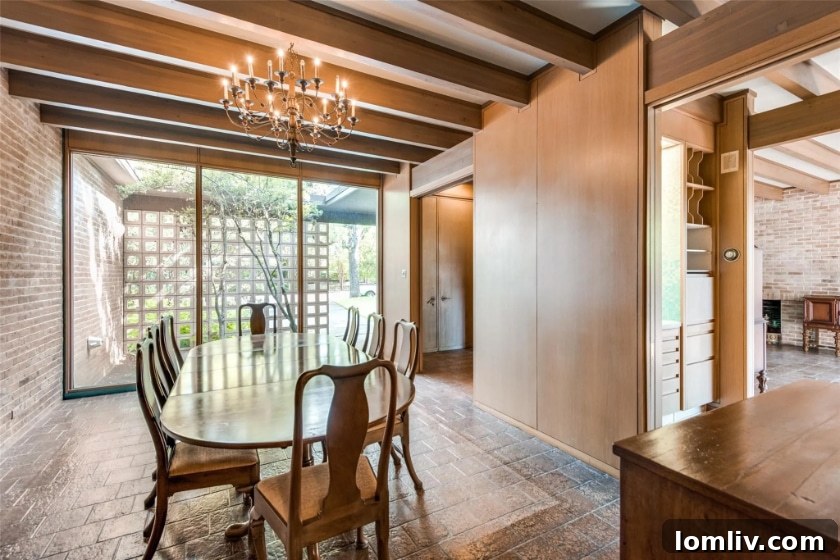
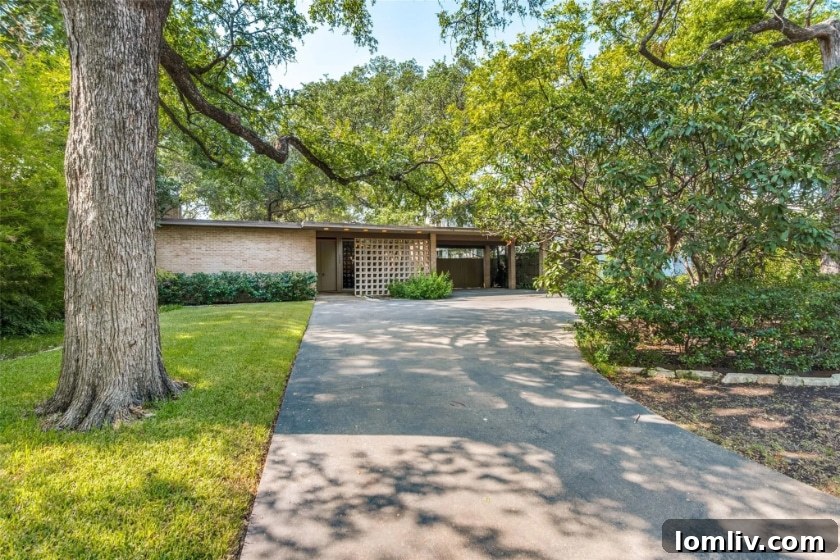
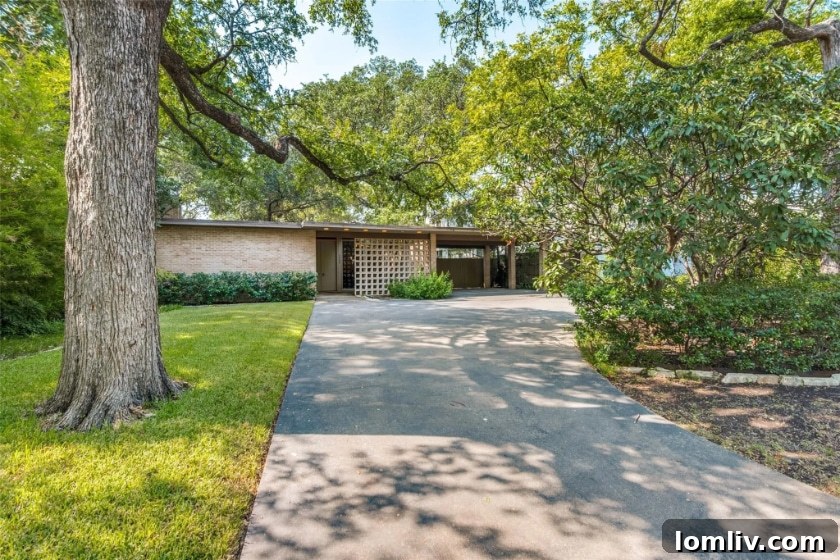
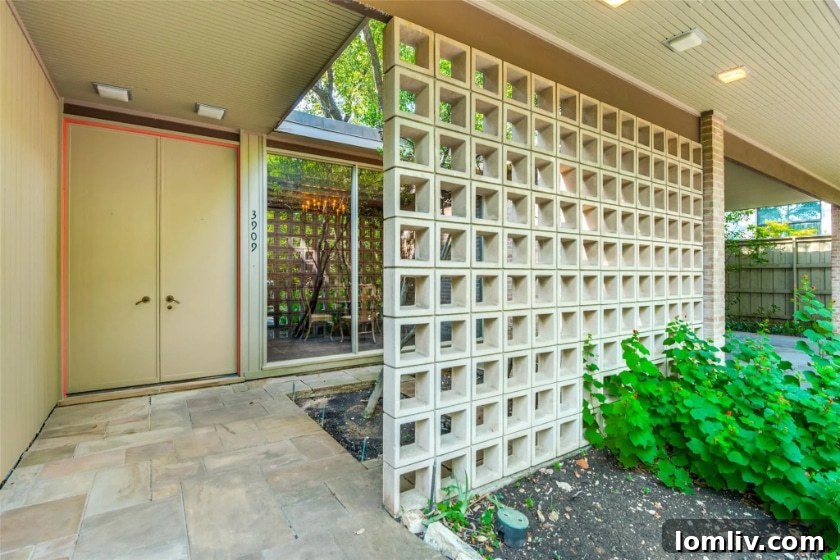
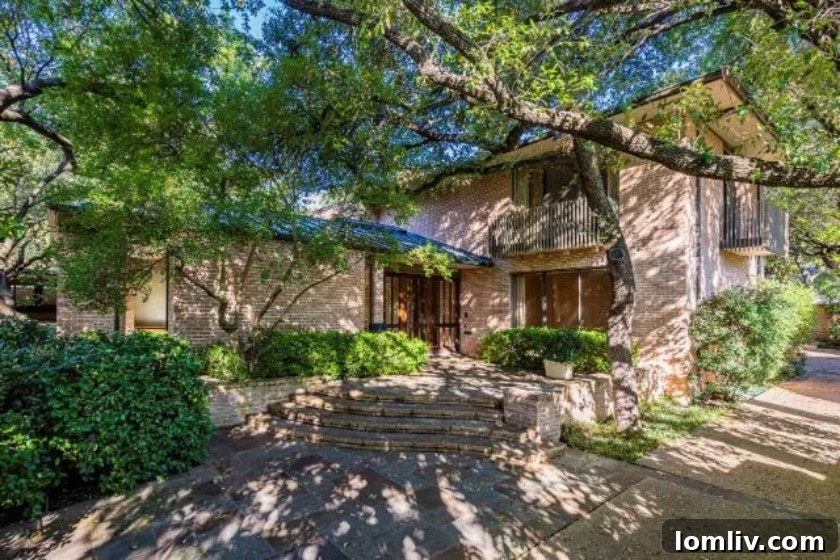
Fortunately, a rare and extraordinary opportunity has emerged in Highland Park: the chance to acquire one of Lyons’ original designs, a magnificent 1960 single-story Texas Modern residence. Situated on Euclid Avenue, in the highly coveted heart of Highland Park, this house embodies all the quintessential hallmarks of his thoughtful designs. Its architectural integrity is matched by the beautiful execution achieved by skilled craftsmen, utilizing the premium materials Lyons was renowned for, such as the distinctive St. Jo brick. This property represents more than just a home; it is a tangible piece of Dallas’s architectural heritage, offering a unique blend of mid-century modern aesthetics with enduring quality.
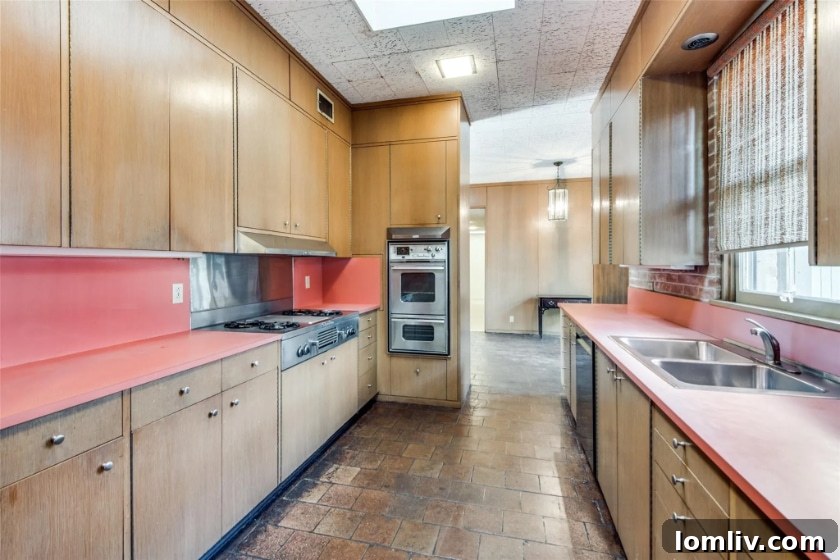
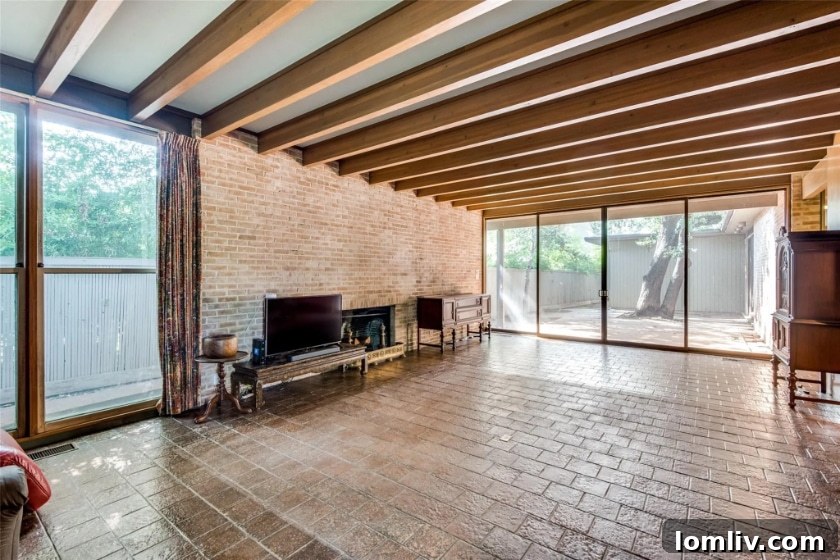
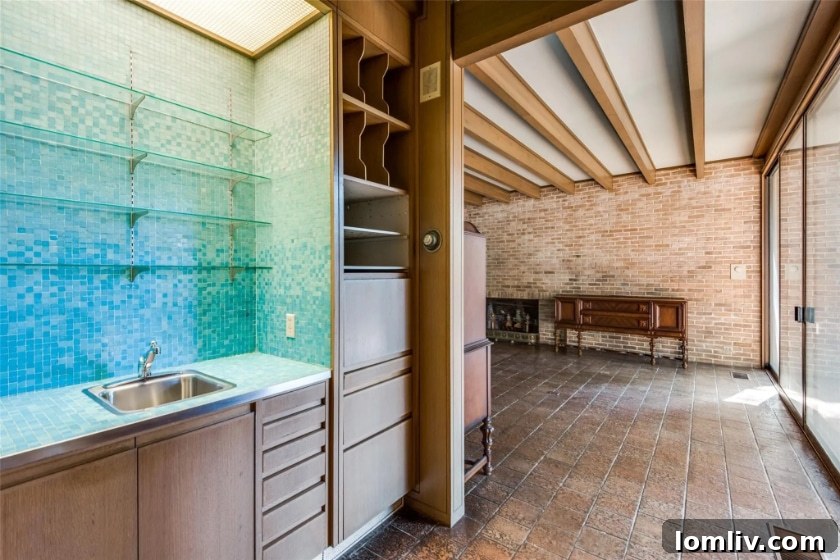
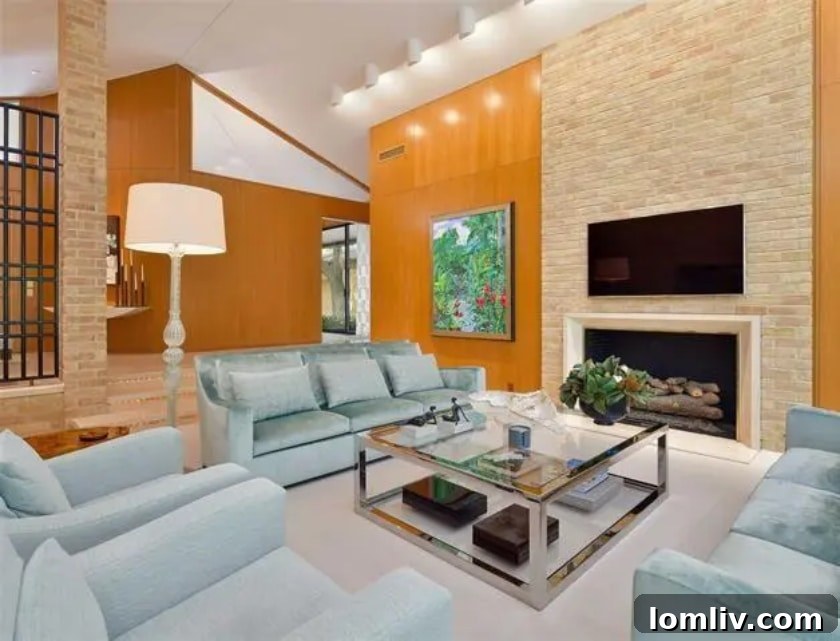
The Euclid Avenue residence boasts five spacious bedrooms and four-and-a-half luxurious bathrooms, spread across a meticulously planned single-story layout. Its design seamlessly integrates indoor and outdoor living, a hallmark of the Texas Modern style. Large expanses of glass invite natural light, creating bright, airy interiors that connect residents with the lush Highland Park surroundings. The careful placement of windows and strategic overhangs exemplifies Lyons’ deep understanding of solar orientation and climate control, ensuring comfort throughout the Texas seasons. The warm, inviting interiors feature signature elements such as rich wood accents, clean lines, and an open floor plan that flows effortlessly, making it ideal for both grand entertaining and intimate family life. Unlike many older homes that require extensive renovations, this midcentury beauty would demand minimal effort to update for contemporary living, preserving its original charm while embracing modern conveniences. It stands as a testament to Lyons’ foresight and the enduring appeal of his architectural vision.
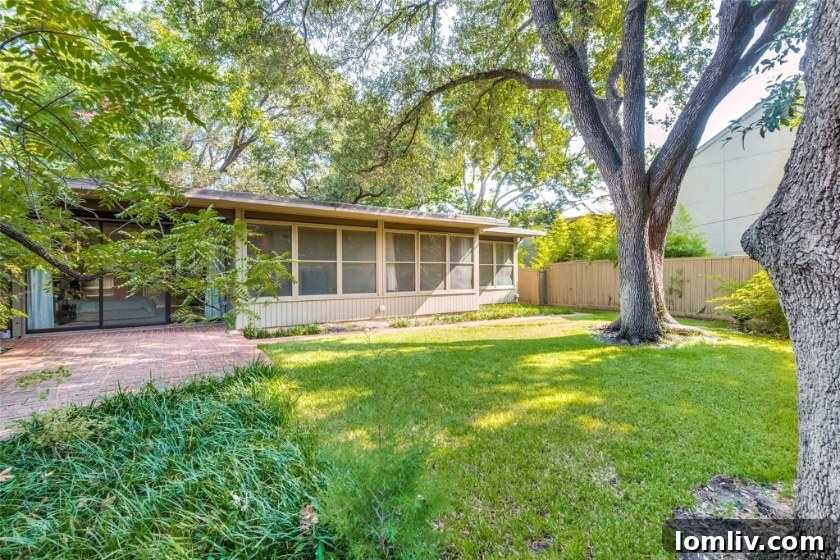
Larry Good, the retired founding principal and chairman of Good, Fulton & Farrell, a firm renowned for its commitment to design excellence, offers valuable insight into Lyons’ unique approach. “Scott Lyons interpreted midcentury Modern in a Texas way. He was aware of the design tweaks that make things right for Texas,” Good explains. This observation highlights Lyons’ sensitivity to local climate, materials, and lifestyle, moving beyond mere stylistic imitation to create truly context-specific architecture. Good is also the esteemed author of A House for Texas, a compelling book that chronicles the significant Elbert Williams house at 3805 McFarlin Blvd. This masterpiece, designed by David Williams in 1932, was fortunately rescued and meticulously restored by philanthropists Jan and Trever Reese-Jones. The comparison underscores a broader narrative: the critical importance of informed stewardship in preserving Dallas’s architectural treasures, whether they are from the early modern period or the mid-century era.
As previously noted, Scott Lyons’ body of work was deliberately limited. He did not build hundreds of homes; rather, his focus was on crafting a select number of masterpieces. Those who had the privilege of knowing him universally describe him as an almost obsessive perfectionist, a trait that ensured every detail, from the structural integrity to the finish materials, met his exacting standards. This relentless pursuit of excellence means that the remaining homes attributed to him are not just structures, but meticulously crafted works of art, each holding immense significance for preservationists and architectural enthusiasts alike. Their scarcity further elevates their importance, making their retention paramount for understanding the evolution of modern architecture in Texas.
Realtor and historic home specialist Doug Newby, a prominent advocate for Dallas’s unique architectural heritage, eloquently elaborates on the enduring quality of Lyons’ work. “The structure and engineering of Scott Lyons homes was so good,” Newby affirms. “He used a lot of glass but also a lot of wood. The combination of big open spaces and warmth made his houses have an enduring appeal. He really bridged the generations of the last of the original Texas modern architects and the beginning of the next era of modern homes in Texas.” This insightful analysis highlights Lyons’ mastery of material usage – the strategic incorporation of expansive glass walls to invite light and connect with the landscape, balanced by the warmth and tactile quality of natural wood. This thoughtful juxtaposition created homes that felt both expansive and intimate, modern yet timeless. Lyons’ ability to blend these elements positioned him as a pivotal figure, bridging the foundational principles of early Texas modernism with the burgeoning stylistic innovations of the later mid-century period, establishing a legacy that continues to influence and inspire.
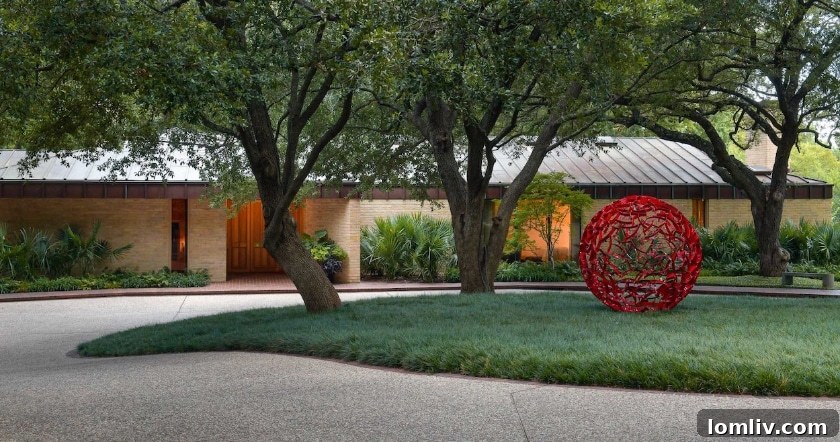
The tragic demolition of 10240 Gaywood stands as a powerful, somber illustration of the preservation crisis in Dallas. This iconic Texas Modern residence, recognized as one of Lyons’ most beautifully updated designs, represented a perfect harmony between original architectural intent and contemporary living. Its unfortunate removal underscores a critical, and almost epidemic, disconnection between architectural value and raw land value in Dallas. There is a profound, often overlooked, lack of education regarding why the works of visionary architects and their distinctive designs will always matter beyond mere square footage or lot size. The true value of these properties extends far beyond the “dirt and the location.” It lies in the inherent prestige and cultural significance of owning an architecturally and historically important home—a unique masterpiece that can never be replicated or rebuilt. Furthermore, the value resides in safeguarding the character and aesthetic integrity of our cherished neighborhoods, preventing the regrettable trend of “bastardizing” them through thoughtless demolition and incongruous new construction.
The responsibility for safeguarding Dallas’s architectural soul ultimately rests with all of us. It is imperative that we actively engage in educating both new buyers, particularly those relocating from out of state, and existing residents about the immense value and significance of our local architectural history. These homes are not merely old buildings; they are cultural artifacts, testaments to periods of design innovation, and tangible links to the city’s past. By fostering a deeper appreciation for their unique characteristics, superior craftsmanship, and historical context, we can empower buyers to make informed decisions that prioritize preservation over demolition. The intrinsic value of a Scott Lyons home, for instance, transcends its market price; it embodies a legacy, a unique aesthetic, and a connection to an era of bespoke design that can no longer be replicated. Let us collectively strive to ensure that the exquisite home at 3909 Euclid Ave., a pristine example of Lyons’ genius, continues to be cherished and loved by a new generation of homeowners who understand and value its irreplaceable significance.
This remarkable and historically significant Scott Lyons home, located at 3909 Euclid Ave., Dallas, TX 75205, is currently listed by Nickole Traughber of Avery Realty Group for $6.2 million. It represents not just an opportunity to acquire a luxurious property, but a chance to become a steward of a precious piece of Dallas’s architectural heritage and ensure that Scott Lyons’ brilliant legacy endures for generations to come.