As the crisp autumn air settles and Halloween draws near, our thoughts often turn to the eerie and unexplained. Yet, the most unsettling mysteries can often be found right under our noses, within the walls and hidden corners of our own homes. Beyond the ghouls and goblins of folklore, real-life “creepy crawlies” – insects, spiders, and even snakes – lurk in the shadows, creating their own brand of fright. For home inspectors, encountering these unwelcome residents is a regular part of the job. They, along with dedicated pest control professionals, serve as the frontline defense, alerting unsuspecting homeowners to potential infestations before these pests become permanent, and often costly, inhabitants.
Understanding what attracts these creatures and knowing how to prevent them is crucial for maintaining a safe and healthy living environment. This guide will explore some of the more spine-tingling encounters faced by home inspectors and provide essential insights into pest identification, prevention, and professional intervention. Get ready to face the real “ghosts” in your home, and learn how to banish them for good.
Decoding the Dangers: Killer Spiders and Arachnid Intruders
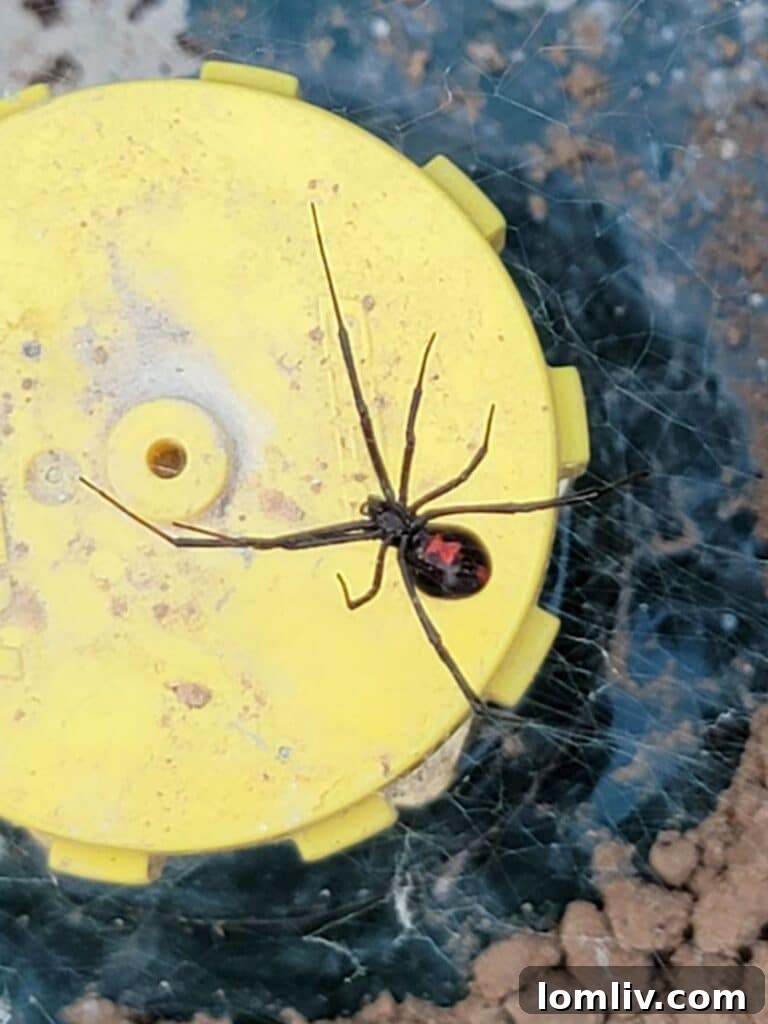
Imagine conducting a routine home inspection, perhaps checking a pool area, only to be met by the unmistakable, glossy black body and distinctive red hourglass of a black widow spider. It’s enough to send shivers down anyone’s spine, especially given the notorious reputation of these arachnids. While many spiders are harmless and even beneficial, some species, like the black widow and the brown recluse, pose a significant health risk to humans.
Black widow spiders (Latrodectus mactans) are often found in dark, secluded areas such as woodpiles, sheds, garages, and, as our inspectors sometimes find, around pool equipment. Their webs are typically irregular, strong, and messy, often built close to the ground. Identifying a black widow is key: adult females are shiny black, about half an inch long, with the characteristic red hourglass shape on their abdomen. While black widow bites are relatively rare, they are medically significant. The venom is a neurotoxin that can cause muscle cramps, nausea, sweating, and severe pain at the bite site. In rare cases, especially in children or the elderly, bites can lead to more serious complications or even be fatal if left untreated. If you suspect a black widow bite, seek immediate medical attention.
Another dangerous spider found in North America is the brown recluse (Loxosceles reclusa). These spiders are light to dark brown, with a violin-shaped marking on their back. They prefer dark, undisturbed areas like attics, basements, closets, and storage boxes. Their bites can cause a necrotic lesion, meaning the tissue around the bite dies, leading to open sores that are slow to heal and can become infected. Like the black widow, professional identification and removal are crucial if you suspect their presence.
If you encounter a black widow or brown recluse, it’s always best to maintain a safe distance. Rather than attempting to kill it with a shoe, which can provoke an aggressive response, use an insecticidal spray from several feet away. More importantly, seeing one often indicates a larger infestation, making it imperative to contact a professional exterminator. They can safely locate and eliminate spider populations, as well as advise on preventative measures. These measures include sealing cracks and crevices in your home’s foundation and walls, decluttering storage areas, and regularly vacuuming to remove webs and egg sacs. Protecting your home from these eight-legged threats ensures peace of mind and safety for your family.
The Buzz About Hives: Stinging Insects and Hidden Dangers
While an abandoned hive might seem less terrifying than a living one, the mere thought of its former inhabitants can be enough to trigger a primal fear, especially for those with severe allergies to stinging insects. Bees, wasps, hornets, and yellow jackets can turn an ordinary day into a harrowing experience if their nests are disturbed. These creatures are highly protective of their colonies, and a single sting can range from painful to life-threatening for allergic individuals.
Stinging insects frequently build their nests in discreet, protected locations around homes. Common spots include eaves, attics, wall voids, trees, shrubs, and even utility boxes. Our inspectors often uncover these hidden dangers when performing routine checks of outdoor utilities like water meters or electrical panels. The image of a sizable, abandoned hive serves as a stark reminder of the potential for active colonies.
The tip to wear gloves whenever opening outdoor utility boxes, sheds, or any infrequently accessed outdoor space is invaluable. This simple precaution can prevent direct contact with a hidden nest or a startled insect. Beyond gloves, wearing long sleeves and pants, especially in areas where stinging insects are known to be active, adds an extra layer of protection.
If you discover an active hive or nest on your property, resist the urge to handle it yourself, particularly if you’re unsure of the species or have known allergies. Aggressive insects like hornets and yellow jackets can sting multiple times, and disturbing a large colony can result in a swarm attack. Instead, contact a professional pest control service immediately. They have the specialized equipment and expertise to safely remove the nest and treat the area, minimizing risk to you and your family. Furthermore, pest professionals can identify potential entry points that these insects might exploit, helping you seal them off to prevent future infestations. Maintaining your home’s exterior, including sealing cracks and ensuring screens are intact, is vital for keeping these buzzing invaders out. An example of a particularly unnerving encounter with a persistent wasp problem might be found here on Instagram.
Unearthing the Unseen: What Truly Lurks in The Basement
Ants. The word itself might not evoke the same instant dread as “black widow,” but anyone who has woken up to hundreds of them swarming their bed, or discovered a trail marching across their kitchen counter, knows the true horror of an ant infestation. These tiny invaders, often underestimated, can become a formidable nuisance, transforming a comfortable home into a battleground against a relentless, organized force. My own experience of an unknown infestation leading to a rude awakening in bed perfectly illustrates their capacity to infiltrate and disrupt daily life.
Ants are perpetual foragers, constantly seeking food, water, and shelter. Basements, with their often-damp conditions and proximity to the outdoors, make ideal entry points and nesting sites. Once inside, they establish intricate colonies, sending out scouts to locate resources. If you’re prone to late-night snacks in bed, or leave crumbs and spills unattended, you’re unwittingly sending out an open invitation to these industrious insects. Their ability to find even the smallest food particle is legendary, and once a food source is identified, a pheromone trail ensures hundreds more will follow.
Different types of ants present different challenges. Pavement ants often nest under sidewalks and foundations, entering homes through cracks. Odorous house ants, aptly named for the rotten coconut smell they emit when crushed, prefer to nest in wall voids and under floors, especially near moisture sources. Carpenter ants, larger and more destructive, don’t eat wood but bore tunnels through it to create nests, potentially compromising structural integrity over time. Unlike termites, carpenter ants leave behind tell-tale piles of sawdust-like material called frass.
Getting rid of ants requires a multi-faceted approach. First, impeccable sanitation is paramount: wipe down counters, store food in airtight containers, clean up spills immediately, and don’t leave pet food out overnight. Second, identify and seal all potential entry points, including cracks in foundations, around windows and doors, and utility pipe openings. Third, use ant baits strategically, allowing the worker ants to carry the poison back to the colony. For severe or persistent infestations, especially with carpenter ants, professional pest control is indispensable. They can accurately identify the ant species, locate hidden nests, and apply targeted treatments. Ignoring an ant problem can lead to widespread infestation, affecting every corner of your home, from your pantry to your private spaces. A good example of how quickly ants can multiply and become a severe problem can be seen in this Facebook video of an ant invasion.
Slithering Surprises: Snakes in a Panel Box and Beyond
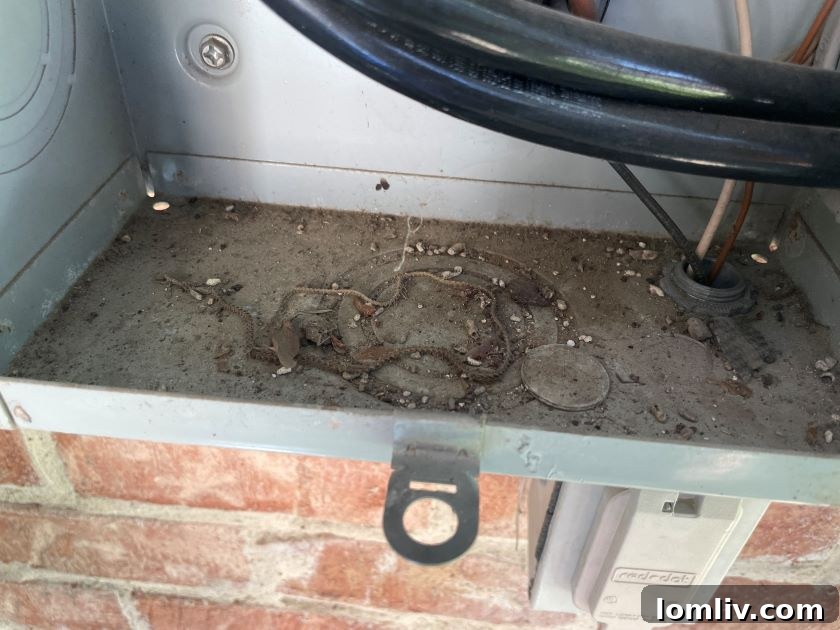
While not quite “Snakes on a Plane,” encountering a snake in your home, particularly in an unexpected spot like an electrical panel box, can be just as startling, if not more so. The jolt of surprise (pun intended!) can quickly turn to concern, especially with the possibility of a venomous encounter. Snakes, like many other wildlife creatures, often seek refuge inside homes during colder months, drawn by the warmth and shelter they offer. A panel box, with its enclosed and often undisturbed nature, provides an ideal, cozy hideaway.
Our inspectors have encountered everything from harmless garter snakes to potentially dangerous venomous vipers seeking warmth or prey. The image above shows a reptile, thankfully at rest, within a panel box, but the reality of a live, agitated snake is far more unsettling. Understanding why snakes enter homes and how to react is crucial for safety.
Snakes primarily enter homes for three reasons: warmth, shelter, and food. If you have a rodent problem, you’re inadvertently inviting snakes, as rodents are a primary food source for many species. Gaps in foundations, open garage doors, unsealed utility entry points, and even holes in window screens can serve as easy access points.
If you encounter a live snake inside your home, the most important rule is to remain calm and maintain a safe distance. Do not attempt to handle or provoke it. Slowly back away, keeping an eye on its location. Try to observe any identifying characteristics from a safe distance, such as color patterns, head shape (triangular heads often indicate venomous snakes), and the presence of rattles (for rattlesnakes). A quick online search or consulting local wildlife resources can help determine if the snake is venomous or harmless. If it’s a non-venomous snake, you might be able to gently guide it out with a broom from a safe distance. However, for venomous snakes, or if you’re unsure, immediately call professional wildlife removal services or your local animal control. They have the expertise to safely capture and relocate the snake without harming it or putting you at risk.
Prevention is key to keeping snakes out. Seal all cracks and openings in your home’s foundation and exterior walls. Ensure screens on doors and windows are intact. Keep your yard tidy by mowing grass regularly, trimming shrubs away from the house, and removing woodpiles, rock formations, and other debris that can serve as snake habitats. Crucially, addressing any existing rodent problems will eliminate a major food source that attracts snakes in the first place. Remember, wearing sturdy gloves and exercising caution, as mentioned for stinging insects, is also a wise practice when opening any outdoor or rarely accessed utility box or shed.
As Halloween approaches, these tales of creepy crawlies might give you a shiver, but our aim is to equip you with knowledge, not fear. We hope these insights offer the good kind of creepy vibes—the kind that inspires proactive home maintenance rather than the urge to abandon ship!
Protecting your home from pests and unwelcome wildlife is an ongoing effort that safeguards your property, health, and peace of mind. Before any thoughts of extreme measures cross your mind, remember that prevention and professional assistance are your best defenses. If you’re concerned about what truly lurks in the shadows of your current residence, don’t hesitate to call your local pest control experts for seasonal service and comprehensive inspections. Their specialized knowledge can identify potential issues and implement effective, humane solutions.
Furthermore, if you’re in the process of buying a new home, a thorough professional home inspection is an absolute necessity. Home inspectors are trained to spot signs of current or past infestations, structural damage caused by pests, and potential entry points that might not be visible to the untrained eye. Investing in a home inspection can save you from inheriting costly pest problems and ensure you move into a safe, secure, and pest-free environment. Stay vigilant, stay safe, and keep those creepy crawlies where they belong—far away from your home.